
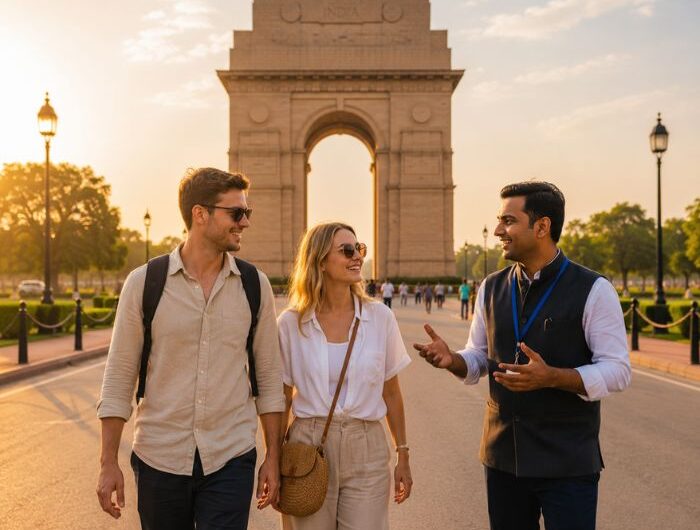
Every year, millions of foreign travelers land in Delhi and walk away with nothing but great memories. But if you are reading this, chances are you have seen the headlines, heard the stories, or felt that nagging doubt before your first trip to India’s capital. So let us answer the question directly: Is Delhi safe for foreign tourists? Yes—when you know what to expect.
Delhi is a city of extremes. It houses world-class museums, stunning Mughal architecture, and some of the most welcoming people you will meet. It also has crowded markets, aggressive touts, and traffic that operates by its own rules. The difference between a stressful visit and a smooth one usually comes down to preparation. This guide covers everything you need to know—common scams, safe neighborhoods, transport rules, health tips, and how to explore the city without unnecessary risk.
If you want to see the best of the city with trusted transport and a planned route, booking Delhi Tour Packages with Sightseeing is one of the smartest ways to experience Delhi safely and efficiently.
Is Delhi Safe for Foreign Tourists?
Overall Safety
Delhi is generally safe for tourists who exercise standard urban awareness. Violent crime against foreigners is rare. Most issues tourists face are non-violent: overcharging, petty theft, or aggressive sales tactics. The city has a dedicated Tourist Police force, and major attractions like India Gate, Qutub Minar, and Humayun’s Tomb are heavily patrolled and well-maintained.
That said, Delhi is not a place to wander blindly. You need to know which areas suit tourists, how to move around, and how to spot a scam before it starts.
Police Presence
You will notice police presence at major monuments, metro stations, and markets. The Tourist Police specifically assists foreign visitors and can be recognized by their distinctive uniforms. If you feel harassed or cheated, approaching them is more effective than arguing with a vendor. Keep a photo of your passport and visa on your phone, and carry a printed copy of your hotel address in Hindi—this speeds up any interaction with local authorities.
Tourist-Friendly Areas
Neighborhoods like Connaught Place, Aerocity, Chanakyapuri, and South Delhi (Hauz Khas, Saket) are built around visitor needs. They have international hotels, clean restaurants, English-speaking staff, and better infrastructure. If it is your first time in Delhi, base yourself in one of these areas. It removes half the friction immediately.
Safety During Day & Night
Delhi during the day is active, open, and easy to navigate with basic caution. At night, the dynamics shift. Central business districts and hotel zones remain safe, but isolated streets, unlit parks, and unregulated markets become riskier. The rule is simple: stick to well-lit, populated areas after dark, and avoid walking alone in unfamiliar neighborhoods late at night.
Common Tourist Scams in Delhi
Knowing the scams is half the defense. Here are the ones that actually target foreign tourists.
Fake Tour Guides: Men approach you at monuments claiming to be “government-approved” guides. They are not. Official guides wear ID badges issued by the Ministry of Tourism. If someone walks up to you unsolicited, decline politely and walk away.
Fake Government Tourism Offices: Touts near Connaught Place or Paharganj may direct you to a “Government of India Tourist Office” that is actually a private travel agency designed to sell overpriced tours. The legitimate India Tourism Delhi office is at 88 Janpath. Verify before you book anything.
Taxi Scams: Prepaid airport taxis are safe. Unmarked cabs or drivers who approach you at baggage claim are not. Some drivers claim your hotel “burned down” or “moved” to take you to a different property where they earn a commission. Always confirm your hotel name and address before leaving the airport.
Rickshaw Overcharging: Auto-rickshaw drivers rarely use meters with tourists. Negotiate the fare before getting in. A rough rule: if the driver quotes a price immediately without you asking, it is inflated.
Fake Ticket Sellers: At popular sites, individuals sell “skip-the-line” tickets that are either fake or priced double. Buy tickets only at official counters or verified online portals.
Currency Exchange Scams: Never exchange money on the street. Use authorized currency exchange counters at airports, banks, or reputable hotels. Count your cash carefully and check rates independently.
Pickpocketing: Crowded markets, metro stations, and bus terminals are prime spots. Keep wallets in front pockets, use crossbody bags, and avoid flashing expensive electronics.
Safest Places to Stay in Delhi
Connaught Place: The commercial and geographic heart of Delhi. Well-policed, walkable, and connected to the metro. Ideal for first-time visitors.
Aerocity: Located near the airport. Modern hotels, clean streets, and minimal chaos. Best if you have an early flight or prefer a resort-style base away from Old Delhi’s intensity.
Chanakyapuri: The diplomatic enclave. Quiet, tree-lined, and extremely secure. Home to many embassies and high-end hotels.
South Delhi: Neighborhoods like Greater Kailash, Saket, and Hauz Khas offer boutique stays, cafes, and a younger, more international crowd. Good for travelers who want local flavor with modern comfort.
Areas Where Tourists Should Be More Careful
Railway Station: New Delhi Railway Station and Paharganj (the backpacker district next to it) are chaotic. Touts, fake porters, and petty theft are common. If you must transit through here, keep luggage locked, refuse “help” from strangers, and move quickly to your transport.
Crowded Markets: Chandni Chowk, Sadar Bazaar, and Karol Bagh are incredible for shopping but overwhelming for unprepared visitors. Watch your belongings, ignore aggressive sellers, and do not follow anyone to a “special shop.”
Late Night Streets: After midnight, even some central areas empty out or fill with intoxicated crowds. Use booked cabs rather than street-hailed transport, and avoid walking long distances alone.
How to Travel Safely Around Delhi
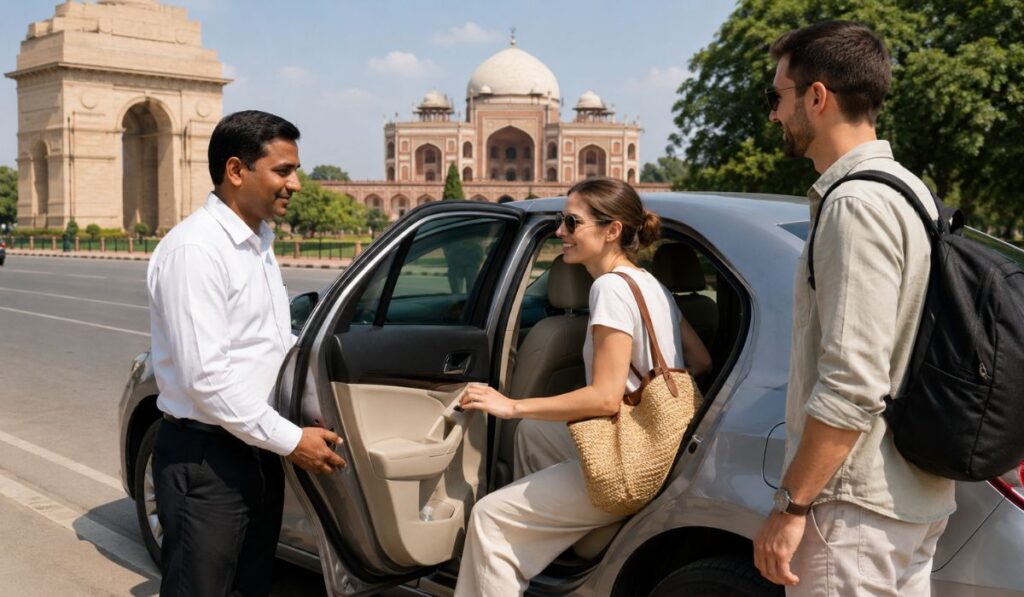
Metro: The Delhi Metro is clean, efficient, affordable, and generally very safe. It has dedicated women’s compartments on every train. Avoid rush hours (8:30–10:00 AM and 5:30–7:30 PM) if you dislike crowds. Keep bags zipped and be aware of your stop.
Uber / Ola: These are the safest ways to travel by road. Fares are fixed, routes are tracked, and driver details are recorded. Avoid unmarked cabs entirely.
Private Car: Hiring a private car with a driver for the day is the most comfortable and secure option, especially if you are visiting multiple sites. It eliminates haggling, navigation stress, and exposure to heat or pollution between stops.
Walking: Delhi is not a walking city in the European sense. Sidewalks disappear, traffic ignores pedestrians, and distances are larger than they appear. Walk in parks, monuments, and designated heritage zones. Avoid walking long distances on main roads.
Auto Rickshaw: Fun, but negotiate hard. For short hops in known areas, they are fine. For longer trips or late-night travel, use Uber instead.
If it’s your first visit to Delhi, choosing a professionally planned sightseeing tour is one of the easiest ways to explore the city safely. Our Delhi Local City Tour With Transport & Guide includes private transportation, an experienced local guide, and visits to Delhi’s top attractions, allowing you to enjoy the city without worrying about routes, parking, or local transport.
Safety Tips for Solo Female Travelers
Delhi requires extra awareness for solo women, but thousands of female travelers explore the city safely every month.
Clothing: Dress conservatively. Shoulders and knees covered go a long way in reducing unwanted attention. This is not about judgment—it is about blending in and avoiding becoming a target.
Transport: Use Uber or the women’s metro compartment after dark. Avoid isolated auto-rickshaw rides late at night. Share your live location with someone when traveling alone.
Emergency Numbers: Save 112 (all-in-one emergency), 1091 (women’s helpline), and 100 (police). The SHEWINGS app and similar services offer real-time safety support for women in Delhi.
Local Customs: A firm “Nahin chahiye” (I don’t want it) and confident body language deter most harassers. Avoid engaging in prolonged eye contact or conversation with persistent strangers.
Health & Emergency Tips
Drinking Water: Do not drink tap water. Use sealed bottled water or carry a portable UV filter bottle. Even brushing your teeth with bottled water is a smart habit for sensitive stomachs.
Food Hygiene: Delhi street food is legendary—and risky for unaccustomed stomachs. If you want to try it, stick to busy stalls with high turnover, avoid raw salads or unpeeled fruit, and eat hot, freshly cooked items.
Hospitals:Apollo Hospital, Max Healthcare, and Fortis are reputable private hospitals with international standards and English-speaking staff. Note the nearest one to your hotel.
Emergency Contacts:
- Police: 100
- Ambulance: 102
- Fire: 101
- Tourist Helpline: 1363
Cultural Etiquette Every Tourist Should Know
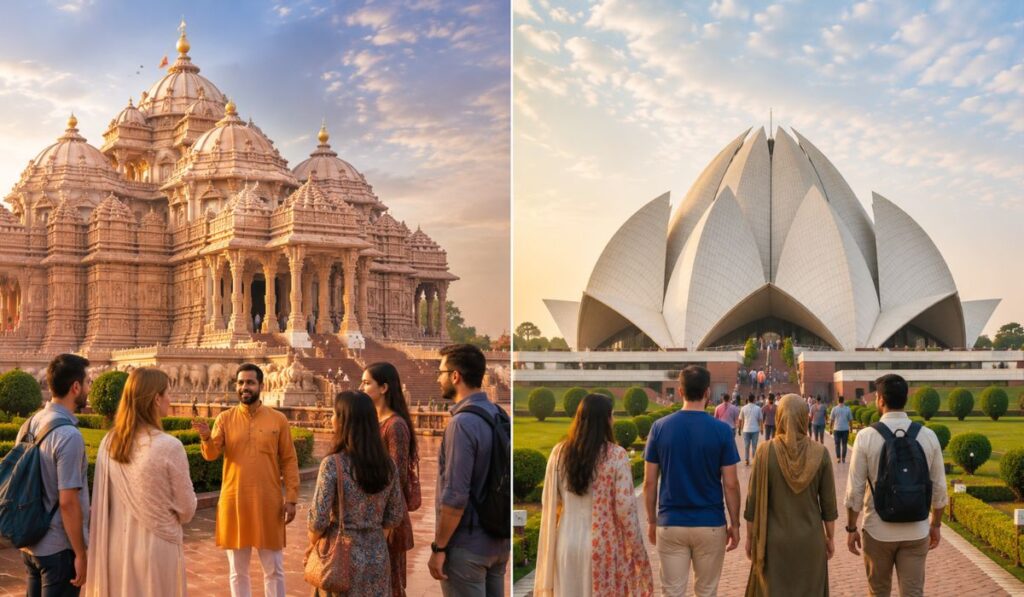
Temples: Remove shoes before entering. Cover your head if required (especially in Sikh gurudwaras). Do not point feet toward idols or religious texts.
Mosques: Dress modestly. Women may need to cover their heads. Remove shoes. Avoid visiting during prayer times unless you are participating respectfully.
Photography: Always ask before photographing people, especially in religious settings. Some temples and mosques prohibit photography entirely. Do not photograph military or government buildings.
Dress Code: Conservative dress is appreciated everywhere. Lightweight long pants and breathable long-sleeve shirts serve double duty: cultural respect and sun protection.
Delhi is home to some of India’s most important temples, mosques, gurudwaras, and churches, each with its own traditions and customs. If you’d like to experience these sacred places with expert guidance, our Religious & Spiritual Tour of Old & New Delhi offers a carefully planned itinerary covering the city’s most significant spiritual landmarks while respecting local traditions.
One-Day Safe Delhi Sightseeing Plan
If you have one full day and want to see the best of Delhi without unnecessary risk, follow this route:
Morning: Start at India Gate for a relaxed walk in a secure, open area. Then head to Humayun’s Tomb—a stunning precursor to the Taj Mahal with manageable crowds and excellent photo opportunities.
Afternoon: Visit Qutub Minar. The complex is spacious, well-maintained, and easy to navigate. Have lunch at a reputable restaurant in Saket or Hauz Khas rather than an unknown street stall.
Evening: Return to Connaught Place for dinner, shopping, and people-watching in a well-policed, central location.
If you prefer not to handle transport logistics yourself, a structured Delhi Tour Packages with Sightseeing option gives you a vetted driver, pre-planned route, and the security of knowing exactly where you are going.
Recommended Reading Before You Visit Delhi
Planning a trip to Delhi involves more than just safety. These guides help you build a complete, rewarding itinerary.
Delhi Sightseeing: Top Places, Itinerary, Routes & Travel Guide (2026)
Why Read It? Learn about Delhi’s must-visit attractions, suggested sightseeing routes, one-day and two-day itineraries, travel tips, and how to explore the city efficiently. This is the logical next step after understanding safety—turning that knowledge into an actual plan.
How to Plan a Spiritual Tour of Delhi (Complete Itinerary + Tips)
Why Read It? Planning to visit Delhi’s famous temples, gurudwaras, mosques, and churches? This guide helps you build the perfect spiritual itinerary with practical travel tips, respectful visiting protocols, and transport advice.
Why Choose a Guided Delhi Sightseeing Tour?
Even experienced travelers benefit from guided tours in Delhi. Here is why:
Safe Transportation: No haggling with rickshaw drivers, no guessing if an Uber will show up, and no navigating chaotic traffic yourself.
Experienced Local Driver: A professional driver knows which routes avoid congestion, where to park safely, and how to handle local interactions on your behalf.
Time-Saving Itinerary: You see more in one day because someone else has already optimized the route and timing.
Comfortable Travel: Air-conditioned vehicles, bottled water, and the ability to rest between stops make a huge difference in Delhi’s heat.
Local Insights: A good guide explains context you would miss alone—history, architecture, and the small stories that make monuments come alive.
Stress-Free Experience: You focus on the experience. They handle the logistics.
For visitors who want security, efficiency, and depth, booking a Delhi Tour Packages with Sightseeing is the most practical decision you can make.
FAQs – Is Delhi Safe for Foreign Tourists
Is Delhi Safe for Foreign Tourists at night?
Delhi is safe at night in well-populated, well-lit areas like Connaught Place, Aerocity, and major hotel districts. Avoid walking alone in isolated areas or unlit streets after dark.
Is Delhi safe for solo women?
Yes, with precautions. Use trusted transport, dress conservatively, stay in reputable accommodations, and avoid isolated areas at night. Thousands of solo female travelers visit safely every year.
Is Uber safe in Delhi?
Yes. Uber and Ola are generally safe, tracked, and reliable. Share your trip status with a friend and verify the driver and license plate before entering.
Which areas should tourists avoid?
Paharganj (especially late at night), isolated parts of Old Delhi after dark, and unregulated markets where you are likely to be overcharged or pickpocketed.
Can foreigners use the Delhi Metro?
Absolutely. The metro is tourist-friendly, with English signage, affordable fares, and a dedicated airport express line. Buy a rechargeable smart card or single-journey tokens at any station.
How much cash should I carry?
Carry small denominations for tips, street purchases, and auto-rickshaws—roughly ₹2,000–₹3,000 per day. Most hotels, restaurants, and shops accept cards. Use ATMs inside banks or malls for withdrawals.
What emergency number should I call?
Dial 112 for all emergencies. For women’s safety, 1091. For police, 100. Save these before you arrive.
Final Thoughts on Is Delhi Safe for Foreign Tourists
Delhi is not a city that coddles you. It is loud, crowded, and intense. But it is also safe, fascinating, and deeply rewarding when you approach it with the right mindset. Is Delhi safe for foreign tourists? Yes—if you stay in established areas, use trusted transport, ignore touts, and keep your wits about you.
The key takeaways are simple: book accommodation in a secure neighborhood, avoid street-hailed transport, drink only bottled water, and do not let aggressive salespeople pressure you. With that foundation, Delhi opens up. You will eat incredible food, stand in front of thousand-year-old monuments, and meet people who make the chaos worth it.

Comments