
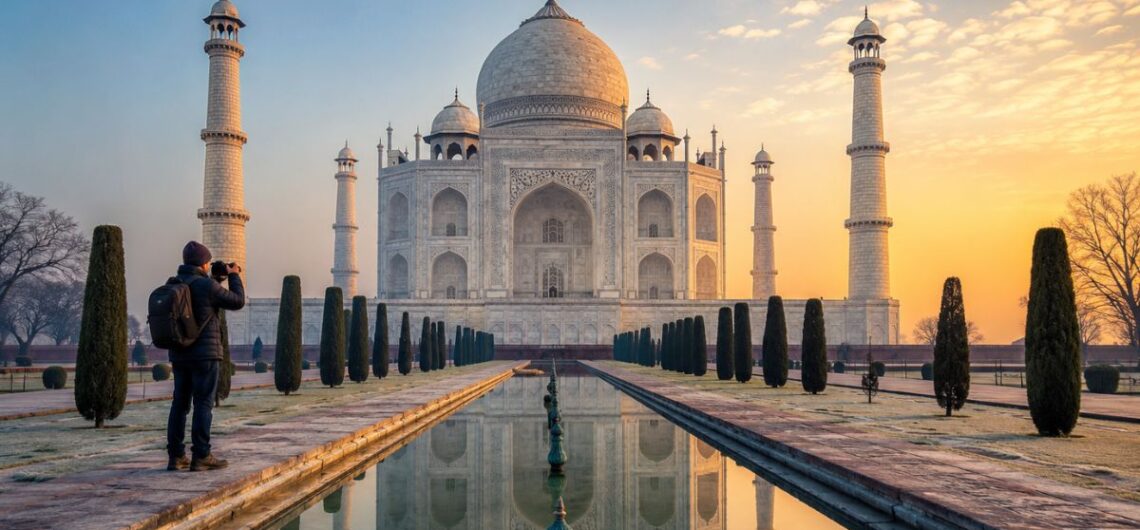
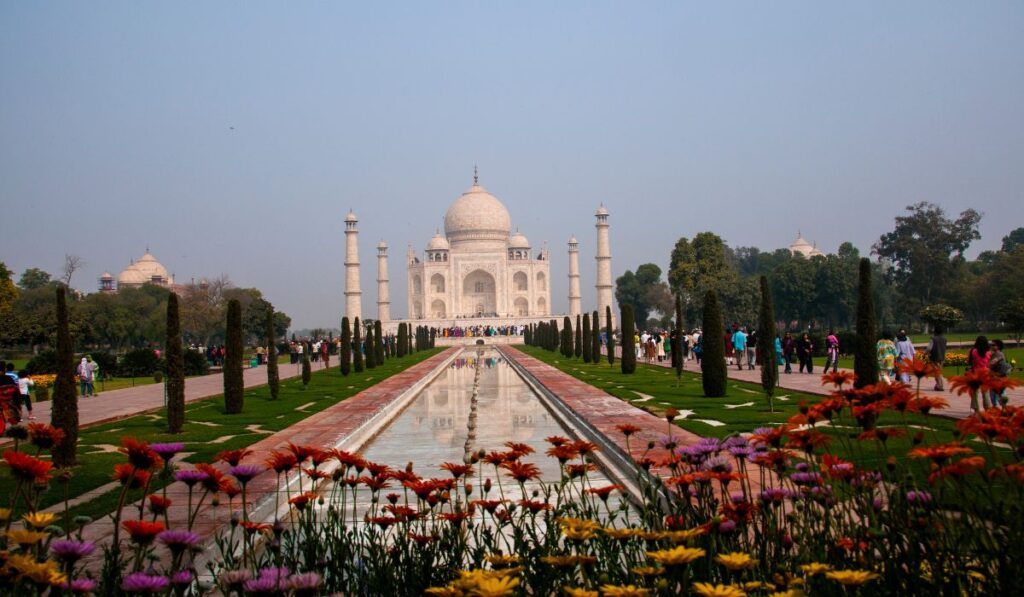
The best time to visit Agra is generally from October to March, when cooler weather makes exploring the Taj Mahal, Agra Fort, and other outdoor attractions more comfortable. However, the ideal time for your trip also depends on what matters most to you.
Some travellers want clear conditions for photography, while others prefer fewer crowds or lower travel costs. Your available time also matters, especially if you are planning a one-day visit from Delhi.
Travellers who want to explore the city beyond a single monument can compare our Agra Tour Packages with Taj Mahal and choose an itinerary based on their time and travel style.
Quick Answer: When Is the Best Time to Visit Agra?
For most travellers, October to March is the best season to visit Agra. The days are generally more comfortable for walking around monuments and exploring the city.
Here is a quick guide:
- Best overall: October to March
- Best weather: November to February
- Best for photography: February–March and October–November
- Best for fewer crowds: July to September
- Best for budget travel: April to September
- Best for a Delhi day trip: Cooler months with an early start
There is no single perfect month for everyone. Winter brings pleasant weather but more visitors, while summer and monsoon travel can mean fewer crowds with more challenging weather conditions.
Best Time to Visit Agra Based on Your Travel Style
The best month to visit Agra depends on the experience you want. Before choosing your travel dates, think about weather, crowd levels, photography, and your sightseeing priorities.
Best for First-Time Visitors
November to February is a popular choice for first-time visitors because the cooler weather makes outdoor sightseeing easier.
This is also Agra’s peak tourist season, so expect more visitors at major attractions. December and January mornings can occasionally be foggy, which is worth considering if a clear sunrise view is your main priority.
Best for Photography
October–November and February–March can offer a good balance of comfortable weather and photography conditions.
The time of day is just as important as the month. Early morning and late afternoon light can change the appearance of the Taj Mahal, while winter fog may sometimes reduce visibility.
Best for Fewer Crowds
Travellers who prefer a quieter experience can consider the summer or monsoon months.
Visitor numbers are generally lower than during the winter peak season. The trade-off is hotter weather from April to June and rain or humidity from July to September.
Best for Budget Travellers
The April to September off-season may suit travellers looking for better value and fewer tourists.
However, saving money should not come at the cost of poor planning. In summer, outdoor sightseeing should be scheduled around the heat, while monsoon itineraries need some flexibility for rain.
Agra Weather and Seasons Explained
Agra has three main travel seasons: winter, summer, and monsoon. Each offers a different experience, and understanding the weather can help you plan a more comfortable trip.
Winter in Agra: October to March
Winter is the most popular season for visiting Agra. Daytime conditions are generally more comfortable for walking through large monuments, gardens, and heritage sites.
November to February attracts the highest number of visitors, so popular attractions can be busy. December and January can also bring cold mornings and occasional fog.
For travellers focused on sunrise photography, this is an important detail. A winter morning may be atmospheric, but clear views cannot always be guaranteed.
Summer in Agra: April to June
Summer in Agra can be very hot, particularly during the afternoon. Long outdoor visits become more tiring as temperatures rise.
The advantage is that the city generally receives fewer tourists than in peak winter. If you visit during summer, start sightseeing early and avoid planning too many outdoor attractions during the hottest part of the day.
Summer can work for travellers who value fewer crowds, but the daily schedule needs to be planned carefully.
Monsoon in Agra: July to September
The monsoon brings rain, humidity, and greener surroundings. It is also part of Agra’s quieter travel period.
Rain does not necessarily mean losing a full sightseeing day, but a tightly packed itinerary can become difficult. Keeping extra time between attractions makes the trip easier when short rain interruptions occur.
For travellers who do not mind humidity, the monsoon can offer a less crowded side of Agra.
Best Time to Visit Agra Month by Month
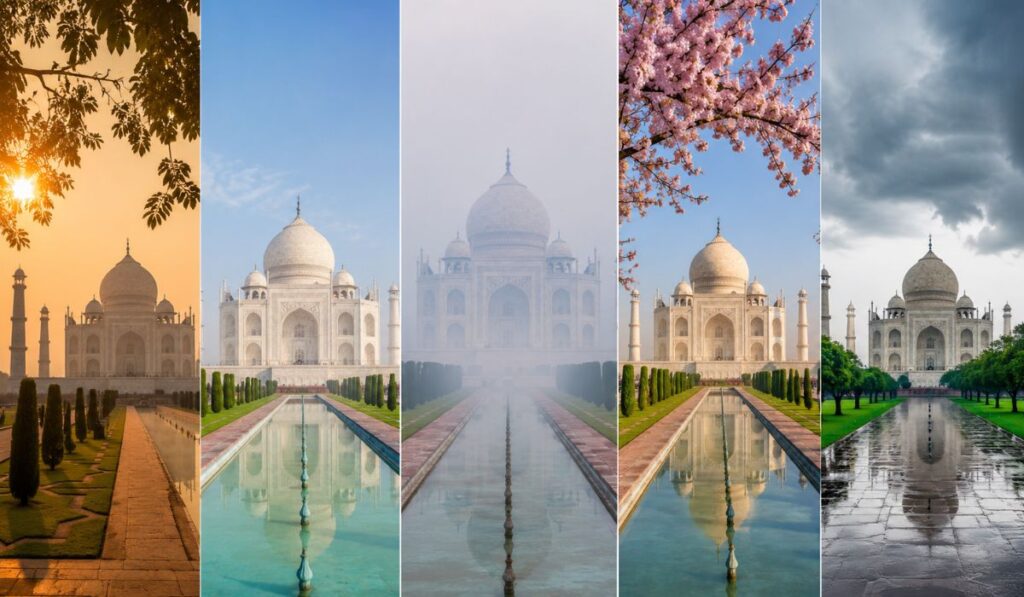
Agra’s travel conditions change throughout the year. Instead of looking at every month separately, it is more useful to group months with similar weather and sightseeing conditions.
October and November: Excellent for Sightseeing
October marks the transition towards more comfortable weather, while November is one of the most popular months for an Agra trip.
These months are well suited to outdoor sightseeing and longer visits to heritage attractions. Tourist numbers also begin to rise, especially around popular travel dates.
December and January: Cool but Sometimes Foggy
December and January offer some of the coolest weather in Agra. This makes daytime sightseeing comfortable, but mornings can be cold.
Fog is the main factor to consider. It may occasionally affect early views, so travellers should avoid assuming that every winter sunrise will be perfectly clear.
These are also busy months, particularly around holidays and peak travel periods.
February and March: A Good Balance
February and March can offer a strong balance between comfortable weather and enjoyable sightseeing conditions.
The colder part of winter begins to ease, while the extreme summer heat has not yet arrived. These months can be especially appealing to travellers who want to spend more time exploring outdoor attractions.
April to June: Hot but Less Crowded
Temperatures rise quickly from April, with May and June bringing the most challenging heat.
The main advantage is lower visitor numbers compared with the winter season. Early starts are essential, and long outdoor sightseeing sessions should not be planned for the hottest afternoon hours.
July to September: Rainy and Quieter
July to September brings the monsoon season, with higher humidity and periods of rain.
These months can appeal to travellers who prioritise fewer crowds over perfect weather. The key is flexibility: leave enough time in the itinerary for weather changes rather than planning every attraction back to back.
What Is the Best Time of Day to Visit the Taj Mahal?
Early morning is one of the most popular times to visit the Taj Mahal. The temperature is usually more comfortable, the light can be softer, and the monument has a different atmosphere as the day begins.
However, sunrise is not automatically the best choice in every season. December and January mornings can sometimes be foggy, while summer mornings are valuable mainly because they help visitors avoid the intense afternoon heat.
Late afternoon can also be a good option, especially for travellers who prefer a slower start. The changing light can be beautiful, although summer temperatures may remain high until later in the day.
Opening hours change with sunrise and sunset, and the monument is closed to general visitors on Fridays. Check our complete Taj Mahal visiting time guide before finalising your sightseeing schedule.
How Should Your Agra Sightseeing Plan Change by Season?
Knowing the best season to visit Agra is useful, but your daily itinerary should also change with the weather.
Winter Sightseeing Plan
Do not assume every winter sunrise will offer perfectly clear views. During foggy periods, keep some flexibility in your schedule and use the more comfortable daytime hours to explore other attractions.
Summer Sightseeing Plan
Start outdoor sightseeing as early as possible. Avoid packing several large monuments into the hottest afternoon hours, as places such as Agra Fort require considerable walking.
Monsoon Sightseeing Plan
Keep extra time between attractions and avoid a tightly packed schedule. Short periods of rain may affect travel time, so flexibility is more useful than trying to rush through every stop.
What Is the Best Time to Visit Agra Fort?
Cooler morning or late-afternoon hours are generally more comfortable for exploring Agra Fort. The complex is large and involves more walking than many first-time visitors expect.
In summer, avoid the hottest part of the afternoon whenever possible. During winter, the fort can fit well into the later part of the morning or afternoon, depending on your Taj Mahal schedule.
Check the latest Agra Fort visiting time before deciding the order of your sightseeing.
The fort is also more rewarding when you understand the stories behind its palaces, royal spaces, and Mughal architecture. Reading these hidden facts about Agra Fort before your visit can help you notice details that many travellers miss.
When Is Agra Less Crowded?
Agra is generally busiest during the cooler winter months, when comfortable weather attracts more domestic and international visitors.
Summer and monsoon usually bring fewer tourists, but the trade-off is heat, humidity, or rain. If comfortable weather matters more to you, consider travelling outside major holiday periods and choosing weekdays where possible.
An early start may also help with the experience at popular attractions, but crowd levels can still vary by season and travel date. The least crowded time is not always the best time for weather, so choose according to your priorities.
Train or Car: What Is the Best Way to Visit Agra from Delhi?
The best way to reach Agra depends more on your schedule and travel preferences than on the season alone. Both train and private car travel can work well for a one-day Agra trip.
Choose the Train for a Structured One-Day Trip
A fast train suits travellers who prefer a fixed schedule and want to reduce time spent on the road.
A Taj Mahal Tour by Gatimaan Express can combine fast rail travel from Delhi with planned sightseeing in Agra. This option is useful for travellers who want to make the most of a single day without planning each part of the journey separately.
Choose a Private Car for More Flexibility
Private car travel offers door-to-door pickup and more flexibility around the road journey. It can be convenient for couples, families, and travellers who prefer private transport.
A Same Day Tour of Taj Mahal by Car can suit visitors who want to travel directly from their Delhi hotel and return after sightseeing.
The better option depends on what matters most to you: a structured rail journey or the flexibility of private road travel.
Practical Tips for Choosing When to Visit Agra
Before fixing your travel dates, keep these points in mind:
- Check seasonal sunrise and sunset times.
- Consider winter fog when planning sunrise photography.
- Avoid long outdoor sightseeing during summer afternoons.
- Keep some flexibility during the monsoon.
- Check monument opening hours and weekly closure days.
- Choose train or car travel according to your schedule, not only the season.
A realistic itinerary usually creates a better experience than trying to visit too many attractions in one day.
Final Thoughts: When Should You Visit Agra?
For most travellers, October to March is the best time to visit Agra because the weather is more comfortable for sightseeing. February–March and October–November can offer a particularly good balance, while summer and monsoon may suit visitors who prefer fewer crowds.
The right time ultimately depends on your priorities. Consider the weather, visibility, crowd levels, travel budget, and the way you plan to reach Agra before choosing your dates.
Frequently Asked Questions
Which month is best to visit Agra?
November to February is popular for comfortable sightseeing weather. However, October, February, and March may offer a good balance for travellers who want pleasant conditions while considering factors such as winter fog and peak crowds.
Is December a good time to visit Agra?
Yes. December offers cool weather that is comfortable for exploring outdoor attractions. However, early mornings can sometimes be cold or foggy, so travellers planning a Taj Mahal sunrise visit should keep visibility conditions in mind.
Is sunrise always the best time to visit the Taj Mahal?
No. Sunrise is popular for cooler temperatures and soft light, but winter fog can sometimes reduce visibility. The best time of day depends on the season, weather conditions, and whether your priority is photography, comfort, or crowd levels.
When is Agra least crowded?
Agra generally receives fewer tourists during the hot summer and monsoon months. These quieter periods come with weather trade-offs, so travellers should balance lower crowd levels against heat, humidity, or rain.
How many days are enough for Agra?
One full day can cover the main highlights if the itinerary is well planned. Travellers who want a slower experience or wish to explore more heritage attractions may prefer an overnight stay.
Is it better to visit Agra from Delhi by train or car?
The train is useful for travellers who prefer a fast, structured journey. A private car offers door-to-door transport and greater flexibility. The better choice depends on your schedule, travel style, and preference for convenience.

Comments