
Introduction
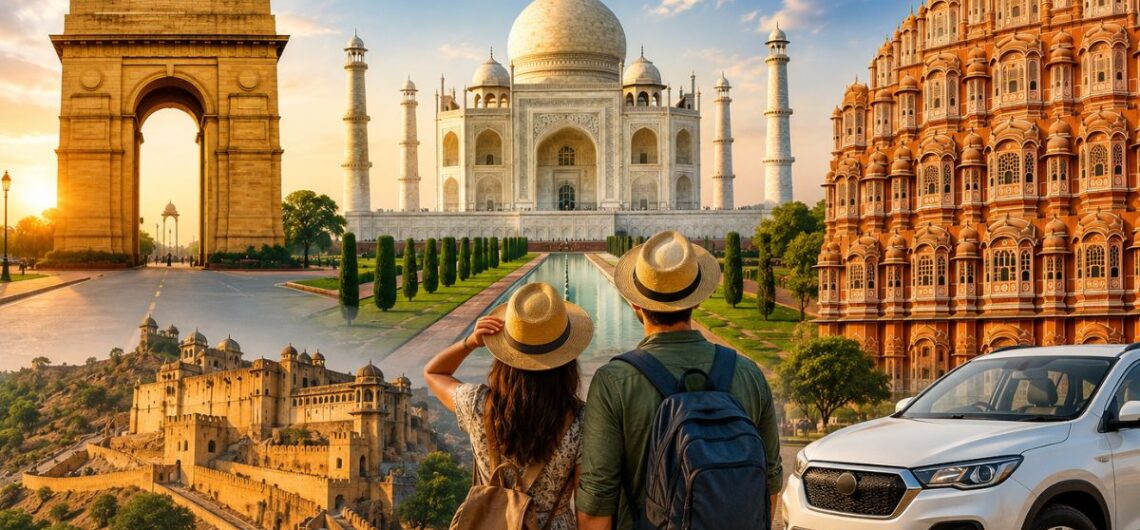
Every year, millions of travelers from around the world land in India with one question on their minds: is the Golden Triangle worth visiting? The short answer is yes — but the real question is whether it’s right for you. The Golden Triangle is India’s most celebrated travel circuit, and for good reason. It packs centuries of history, three distinct cities, and some of the most extraordinary monuments on Earth into a single, manageable journey.
If you’re planning your first trip to India, the Golden Triangle Tour is usually the obvious starting point. Delhi has the country’s busiest international airport, making it a natural entry point. From there, Agra and Jaipur are well connected by expressway and rail, so logistics are simple even for first-time visitors. In this honest guide, we’ll break down everything you need to know — the highlights, the drawbacks, the costs, and the realities — so you can decide for yourself.
If you’re already sold on the idea, explore our Best Golden Triangle Tour Packages to find the perfect itinerary for your trip.
What Is the Golden Triangle Tour?
Why Is It Called the Golden Triangle?
The Golden Triangle refers to the triangular route connecting three of North India’s most historically significant cities: Delhi, Agra, and Jaipur. On a map, the route formed by these three cities resembles a rough triangle — hence the name. The “golden” part comes from the sheer concentration of UNESCO World Heritage Sites and royal monuments packed into this relatively small geographic area.
Which Cities Are Included?
The Golden Triangle India circuit includes three iconic cities:
- Delhi — India’s capital and one of the world’s great historic cities. Ancient Mughal monuments sit alongside colonial-era boulevards and a buzzing modern metropolis.
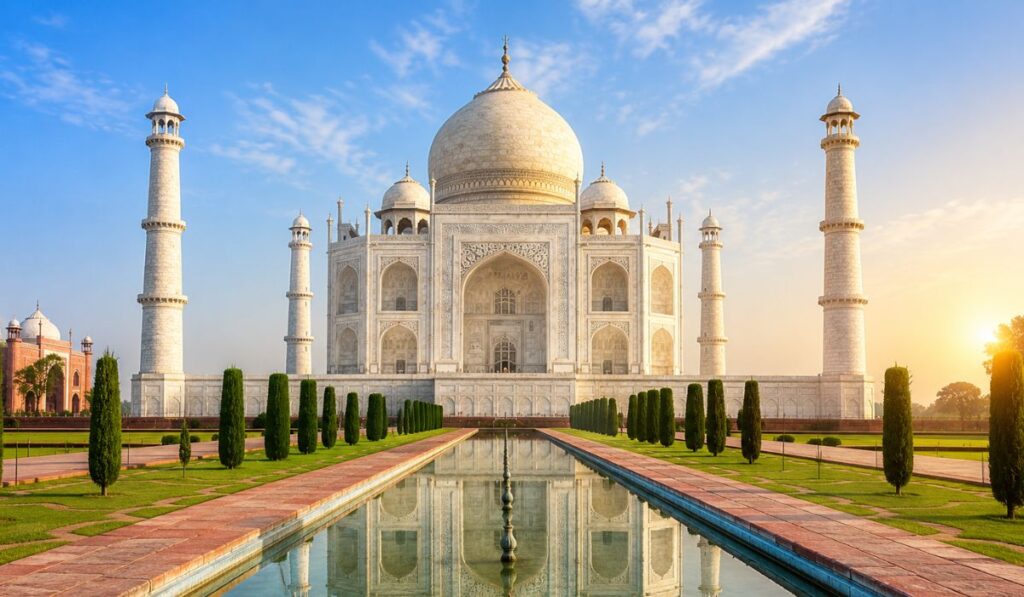
- Agra — Home of the Taj Mahal, one of the Seven Wonders of the World and the most beautiful building most visitors will ever stand in front of.
- Jaipur — The Pink City of Rajasthan. A living royal city of extraordinary forts, opulent palaces, and vibrant bazaars.
Each city sits approximately 200–250 kilometers from the others, covering a total circuit of around 720 kilometers.
Why Is It India’s Most Popular Travel Circuit?
The Golden Triangle Tour is India’s most iconic travel circuit. What makes this route so perfect for first-time visitors is the sheer variety. You get Mughal history in Agra, Rajput architecture in Jaipur, ancient bazaars in Old Delhi, royal palaces, street food, and living culture — all within one manageable loop that you can complete in as few as 4 days or stretch into a leisurely 8-day journey. Nowhere else in India can you see this much history in such a short distance.
Is the Golden Triangle Worth Visiting? (Quick Answer)
Yes — the Golden Triangle is absolutely worth visiting for most first-time travelers to India. It offers an unparalleled introduction to the country’s history, architecture, food, and culture in a compact, well-connected circuit. But like any destination, it’s not for everyone.
Why First-Time Visitors Love It
First-time visitors love the Golden Triangle because it delivers the “greatest hits” of North India without requiring weeks of travel. In 4 to 6 days, you can see the Taj Mahal at sunrise, explore Mughal-era forts, wander through pink-hued palaces, and experience the chaos and charm of Old Delhi’s bazaars. It’s efficient, rewarding, and logistically straightforward — even for travelers who’ve never been to India before.
What Makes It Different From Other India Tours
The Golden Triangle is different because it offers three completely distinct city personalities in one route. Delhi is a blend of ancient and modern. Agra is singularly focused on the Taj Mahal and Mughal tomb architecture. Jaipur represents Rajput royal heritage with its pink-hued forts and palaces. Few other regions in the world let you move between three such distinct historical chapters in under a week.
Who Will Enjoy It the Most?
The Golden Triangle is ideal for:
- First-time visitors to India
- History and architecture enthusiasts
- Travelers with 4–7 days to spare
- Couples and families looking for a manageable introduction to India
- Photography lovers seeking iconic shots
Top 10 Reasons the Golden Triangle Is Worth Visiting
Three Iconic Cities in One Trip
You get three completely different cities in a single journey — each with its own personality, food, and architecture.
UNESCO World Heritage Sites
The circuit is packed with UNESCO-listed wonders including the Taj Mahal, Agra Fort, Qutub Minar, Red Fort, and Amber Fort.
Rich History and Architecture
From Mughal grandeur to Rajput royalty, the Golden Triangle is a living museum of India’s most glorious eras.
Diverse Local Food
From Delhi’s street food to Jaipur’s royal thalis and Agra’s Mughlai cuisine, every city offers a different culinary experience.
Colorful Markets
Jaipur’s bazaars, Delhi’s Chandni Chowk, and Agra’s marble markets offer some of the best shopping in India.
Easy Road Connectivity
The three cities are connected by excellent expressways, making travel between them comfortable and predictable.
Luxury and Budget Options
Whether you’re a backpacker or a luxury traveler, the Golden Triangle offers accommodations and experiences at every price point.
Cultural Experiences
From elephant rides at Amber Fort to sunset aartis and local artisan workshops, cultural immersion is everywhere.
Photography Opportunities
The Taj Mahal at sunrise, Amber Fort at golden hour, and the pink facades of Jaipur offer endless photo opportunities.
Flexible Itineraries
You can customize your Golden Triangle Tour to fit 3, 4, 5, or more days — whatever your schedule allows.
Who Should Choose a Golden Triangle Tour?
Couples — The Taj Mahal is the ultimate monument to love, and Jaipur’s palaces make for a romantic escape.
Families — The circuit is family-friendly with plenty of activities for all ages. Most attractions have child-friendly facilities and guides.
Solo Travelers — The Golden Triangle is well-trodden and safe for solo travelers, with plenty of hostels, tours, and fellow travelers to meet.
Senior Travelers — Private cars and guides make the circuit comfortable and accessible. Most major sites have wheelchair access or alternative viewing options.
Luxury Travelers — Stay in heritage palaces, dine like royalty, and travel in style. Luxury options range from the Oberoi Amarvilas in Agra to the Rambagh Palace in Jaipur.
Photography Enthusiasts — The Golden Triangle offers some of the most photogenic locations in the world.
Who Might Prefer Another Destination?
Beach lovers — If your idea of a perfect vacation is sand and sea, consider Kerala or Goa instead.
Adventure seekers — The Golden Triangle is about history and culture, not trekking or white-water rafting. Head to the Himalayas for adventure.
Wildlife-focused travelers — While you can add Ranthambore for tiger safaris, the core circuit is not wildlife-focused. Consider dedicated wildlife tours instead.
Travelers looking for a slow-paced vacation — The Golden Triangle involves moving between cities every 1–2 days. If you prefer to unpack once and stay put, consider a single-city itinerary or Kerala’s backwaters.
This section builds trust and helps you choose the right trip for your travel style.
What You’ll Actually Experience in Each City
Delhi
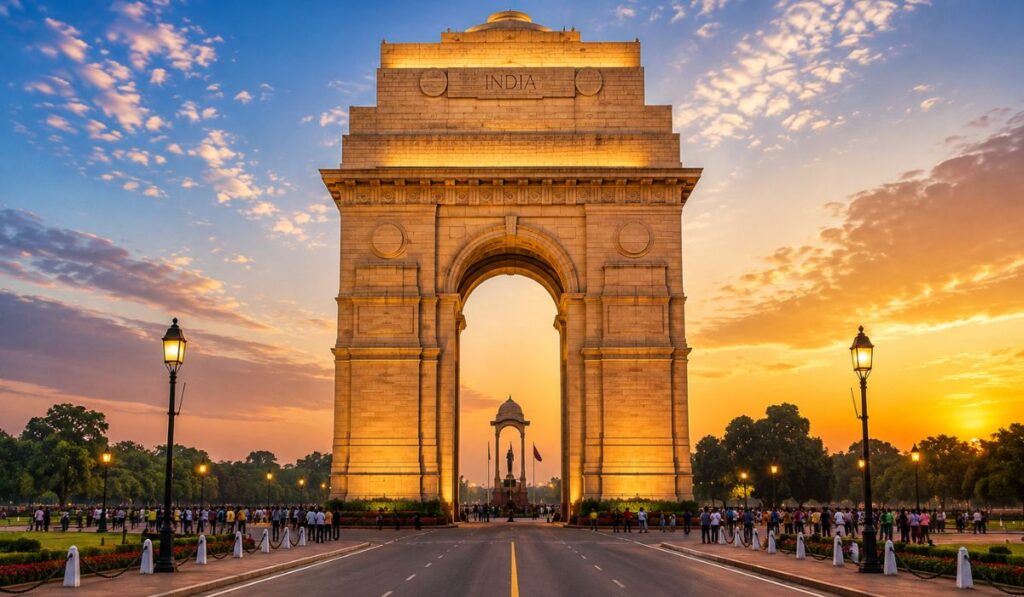
Historical monuments: The Red Fort, Qutub Minar, Humayun’s Tomb, and India Gate showcase Delhi’s layered history.
Markets: Chandni Chowk’s chaotic bazaars offer everything from spices to jewelry. A rickshaw ride through Old Delhi is an experience in itself.
Street food: From parathas to chaat, Delhi’s street food is legendary. Don’t miss the food stalls of Chandni Chowk and Khan Market.
Explore our Delhi Tour Packages with Sightseeing to make the most of your time in the capital.
Agra
Taj Mahal: The crown jewel of India — a marble mausoleum built by Shah Jahan for his wife Mumtaz Mahal. Visit at sunrise for the most magical experience.
Agra Fort: A red sandstone fortress that served as the Mughal seat of power. It offers stunning views of the Taj Mahal from a distance.
Mehtab Bagh: A garden complex across the Yamuna River offering the best sunset views of the Taj Mahal — away from the crowds.
Book our Agra Local Sightseeing Tour with Taj Mahal for a seamless experience.
Jaipur
Amber Fort: A magnificent hilltop fort with stunning mirror work and elephant rides up the ramparts.
City Palace: The royal residence in the heart of Jaipur, blending Rajput and Mughal architecture.
Hawa Mahal: The “Palace of Winds” — a five-story pink sandstone structure with 953 windows, designed for royal women to observe street life.
Local bazaars: Jaipur’s markets are famous for textiles, jewelry, and handicrafts. Don’t miss Johari Bazaar and Bapu Bazaar.
Biggest Expectations vs Reality
| Expectation | Reality |
|---|---|
| Less driving | Expect 3–6 hour journeys between cities. Delhi to Agra is about 4 hours; Agra to Jaipur is about 5 hours. |
| Empty monuments | Popular attractions can be crowded, especially during peak season (October–March). Visit the Taj Mahal at sunrise to avoid the worst crowds. |
| Every hotel is luxury | Accommodation quality varies widely. Budget guesthouses are basic; luxury options are world-class. Research your hotel carefully. |
| Everything is cheap | Monument entry fees for foreigners can add up significantly — the Taj Mahal alone costs ₹1,100 for foreign tourists. |
| English is everywhere | While English is widely spoken in tourist areas, don’t expect everyone to speak it fluently. A guide can be invaluable. |
This unique section is rarely covered by competitors and sets your content apart.
Best Time to Visit the Golden Triangle
Winter (October–March)
Weather: Pleasant and dry, with daytime temperatures between 10°C and 27°C.
Crowd levels: Peak season — expect crowds at major monuments.
Pros: Comfortable sightseeing, festivals like Diwali (October–November) and Holi (March).
Cons: Higher prices and more tourists. Book accommodations and tours in advance.
Best activities: All outdoor sightseeing, sunrise at the Taj Mahal, and attending festivals.
Summer (April–June)
Weather: Brutally hot, with temperatures regularly crossing 40°C in all three cities.
Crowd levels: Low — most tourists avoid this period.
Pros: Lower prices, fewer crowds, and better hotel availability.
Cons: Extreme heat makes outdoor sightseeing uncomfortable and potentially dangerous.
Best activities: Early morning and late afternoon sightseeing only. Avoid midday outdoors.
Monsoon (July–September)
Weather: Occasional heavy rains, temperatures between 28°C and 35°C.
Crowd levels: Low — crowds thin out significantly and prices drop.
Pros: Budget-friendly, the Taj Mahal looks stunning against dramatic monsoon skies.
Cons: Rain can disrupt outdoor plans. Pack a compact umbrella and stay flexible.
Best activities: Indoor attractions, museums, and enjoying the greenery after rain.
How Many Days Do You Really Need?
3-Day Tour
What’s realistic: One full day in Delhi, an early morning drive to Agra for the Taj Mahal, then on to Jaipur for a half day.
Who it’s for: Travelers on a layover or with very limited time.
The trade-off: This is fast-paced. You’ll see the highlights but won’t have time to wander.
4-Day Tour
What’s realistic: A full day in Delhi, a full day in Agra (including sunrise at the Taj Mahal), and a day and a half in Jaipur.
Who it’s for: Travelers with a long weekend.
The trade-off: You can now do the Taj Mahal properly at sunrise. Still fast-paced but less frantic.
5-Day Tour
What’s realistic: A full day and a half in Delhi, a full day in Agra, and a day and a half in Jaipur.
Who it’s for: Most first-time visitors. This is the most popular option.
The trade-off: A comfortable pace with time to explore beyond the monuments.
6-Day Tour
What’s realistic: Two days in Delhi, a full day in Agra, and two days in Jaipur with breathing room.
Who it’s for: Travelers who want a relaxed experience.
The trade-off: The sweet spot for most travelers. You leave feeling satisfied rather than rushed.
Explore our Golden Triangle Delhi Agra Jaipur Tour for a perfectly balanced 5-day itinerary.
Real Travel Times Between Delhi, Agra & Jaipur
Delhi → Agra: Approximately 3.5 to 4 hours by car (204 km). With breaks and traffic, budget 4–5 hours.
Agra → Jaipur: Approximately 5 to 6 hours by car (240 km). This is the longest leg of the triangle.
Jaipur → Delhi: Approximately 4 to 5 hours by car (270 km).
These are realistic times with breaks — not just Google Maps estimates. Traffic, road conditions, and rest stops all add time to your journey. Plan your days accordingly and avoid driving after dark.
How Much Does a Golden Triangle Tour Cost?
Budget Traveler
Package Cost: ₹15,000 – ₹25,000 ($180–$300) per person for 5 days.
Hotel Standard: 2–3 star guesthouses.
Transport: Shared or train travel.
What’s included: Basic accommodation, some meals, and transfers.
Mid-Range Traveler
Package Cost: ₹35,000 – ₹65,000 ($420–$780) per person for 5 days.
Hotel Standard: 3–4 star hotels.
Transport: Private AC car.
What’s included: Comfortable hotels, daily breakfast, private driver, and licensed guides in each city.
Luxury Traveler
Package Cost: ₹1,00,000 – ₹3,00,000+ ($1,200–$3,600+) per person for 5 days.
Hotel Standard: 5-star and heritage palaces.
Transport: Luxury vehicle.
What’s included: World-class accommodations, all meals, private guides, and premium experiences.
Additional costs to consider: Monument entry fees (significant for international visitors), lunch and dinner (unless included), tips, shopping, and 5% GST on package prices.
Hidden Experiences Most Tourists Miss
Sunrise at the Taj Mahal: Most visitors see the Taj during the day. Sunrise offers cooler temperatures, fewer crowds, and magical light on white marble.
Mehtab Bagh: A garden across the Yamuna River offering the best sunset views of the Taj Mahal — without the crowds.
Chandni Chowk food walk: A guided food tour through Old Delhi’s legendary street food scene.
Jaipur artisan workshops: Visit block-printing workshops or gem-cutting studios to see traditional crafts in action.
Local village experiences: Step outside the cities to experience rural Rajasthan — village walks, home-cooked meals, and local crafts.
Common Mistakes First-Time Travelers Make
Booking too few days: The biggest mistake first-timers make is underestimating travel times. Three days is rushed; five to six days is the sweet spot.
Visiting the Taj Mahal at the wrong time: Midday is hot and crowded. Visit at sunrise for the best experience.
Ignoring seasonal weather: Summer temperatures regularly cross 40°C. October to March is the best time to visit.
Not pre-booking tickets: The Taj Mahal and other monuments have entry limits. Book in advance online to avoid queues.
Underestimating travel times: Delhi to Agra is 4 hours; Agra to Jaipur is 5–6 hours. Plan accordingly and don’t pack too much into one day.
Skipping a guide: A good guide adds context and depth to your experience. The extra cost is worth it.
Golden Triangle vs Other Popular India Tours
Golden Triangle vs Rajasthan Tour
The Golden Triangle covers Delhi, Agra, and Jaipur in 5–7 days. A full Rajasthan tour adds Jodhpur, Udaipur, Jaisalmer, and more — requiring 10–16 days. Choose the Golden Triangle if you have limited time. Choose Rajasthan if you want to go deeper into royal heritage.
Golden Triangle vs Kerala Tour
The Golden Triangle is monument-led, fast-paced, and cultural. Kerala is slower, greener, and focused on backwaters, beaches, and tranquility. Choose the Golden Triangle if you want history and architecture. Choose Kerala if you want relaxation and nature.
Golden Triangle vs North India Tour
A North India tour typically includes the Golden Triangle plus destinations like Varanasi, Rishikesh, or the Himalayas. The Golden Triangle alone is a 5–7 day introduction. Add a week or more for a broader North India experience.
FAQs – Is the Golden Triangle Worth Visiting?
Is the Golden Triangle safe?
Yes — the Golden Triangle is generally safe for tourists. Violent crime against foreign tourists is low. However, the region has a developed tourist scam ecosystem — commission-based routing, fake guides, and overpriced transport are common. Book through reputable operators, use registered guides, and stay alert in crowded areas.
Is 3 days enough?
Three days is the absolute minimum. You’ll see the highlights but it will be rushed. Five to six days is the sweet spot for most travelers.
Can I travel solo?
Absolutely. The Golden Triangle is well-trodden and popular with solo travelers. Hostels, group tours, and private guides are widely available.
Is it family-friendly?
Yes — the circuit is family-friendly with plenty of activities for all ages. Most attractions have child-friendly facilities. Private cars and guides make logistics easy for families.
Which city is the highlight?
Most travelers consider the Taj Mahal in Agra the highlight — it’s one of the Seven Wonders of the World. Jaipur’s forts and palaces come a close second. Delhi offers the most variety.
Can I customize my itinerary?
Yes — most tour operators offer customizable Golden Triangle Tour packages. You can add days, skip cities, or add side trips like Ranthambore or Fatehpur Sikri.
Is a private driver worth it?
Yes — a private driver makes the Golden Triangle significantly more comfortable and stress-free. Drivers handle navigation, parking, and logistics, letting you focus on the experience. The cost is reasonable, especially when shared between two or more travelers.
Final Verdict – Is the Golden Triangle Worth Visiting?
The Golden Triangle is one of the world’s great travel circuits — and for most first-time visitors to India, it is absolutely worth it. It delivers three iconic cities, UNESCO World Heritage Sites, extraordinary food, and cultural immersion in a manageable 5–7 day itinerary.
Choose the Golden Triangle if you:
- Are visiting India for the first time
- Love history, architecture, and culture
- Have 4–7 days to spare
- Want to see India’s most iconic landmarks in one trip
- Enjoy variety — from chaotic bazaars to serene palaces
Consider another destination if you:
- Prefer beaches or mountains over cities and monuments
- Want a wildlife-only itinerary
- Have already explored Delhi, Agra, and Jaipur
- Prefer a slow-paced vacation where you unpack once
- Are seeking adventure activities like trekking or rafting
Ready to experience the Golden Triangle? Explore our Best Golden Triangle Tour Packages and find the perfect itinerary for your India adventure. Whether you want a quick 3-day tour or a luxurious 6-day exploration, we have options to suit every traveler.
Plan your journey with Azaan Travels — your trusted partner for Golden Triangle Tour experiences in India.

Comments