
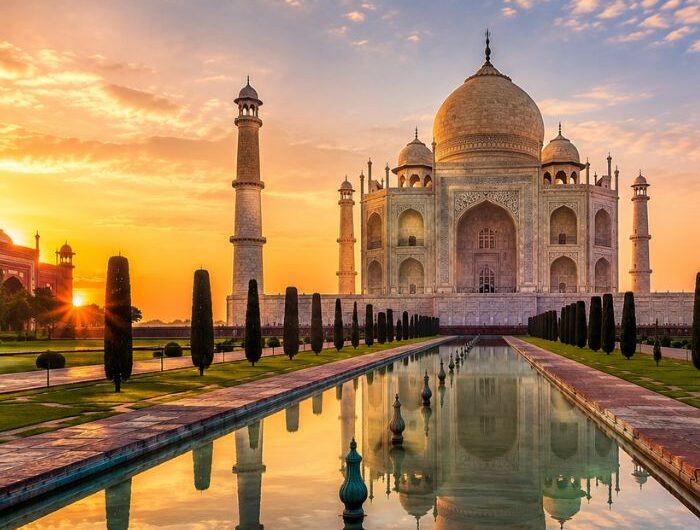
The Taj Mahal does not sit still. It moves through colors—pale blue at dawn, soft rose as the sun climbs, blinding white at noon, and burnt orange as the day fades. For photographers, this is not just a monument. It is a living subject that demands the right hour, the right season, and the right preparation.
Timing is everything. The difference between a flat, crowded snapshot and a frame-worthy photograph often comes down to whether you arrived at 5:30 AM or 10:00 AM. Light changes the marble. Crowds steal your composition. Haze kills your contrast. This guide is built for anyone who wants to capture the Taj Mahal at its absolute best—professional photographers, honeymoon couples, travel content creators, and passionate travelers who refuse to settle for average photos.
If you are traveling from Delhi and want to reach Agra early without the stress of planning every detail, a Taj Mahal Tour by Gatimaan Express is one of the most reliable ways to arrive refreshed and ready to shoot.
| Time | Light | Crowds | Photography Rating |
|---|---|---|---|
| Sunrise | ⭐⭐⭐⭐⭐ | ⭐⭐⭐⭐⭐ | ⭐⭐⭐⭐⭐ |
| Morning | ⭐⭐⭐⭐ | ⭐⭐⭐ | ⭐⭐⭐⭐ |
| Noon | ⭐⭐ | ⭐ | ⭐⭐ |
| Sunset | ⭐⭐⭐⭐ | ⭐⭐⭐ | ⭐⭐⭐⭐ |
Why Timing Matters for Taj Mahal Photography
How Light Changes the Marble
The Taj Mahal is built from Makrana marble, which behaves like a natural reflector. At sunrise, the low-angle sun wraps the dome in warm pink and gold tones. By midday, the overhead sun flattens the texture and blows out the highlights. The golden hour—roughly the first hour after sunrise and the last hour before sunset—creates depth, dimension, and that magical glow every photographer chases.
How Crowds Affect Your Photos
The Taj Mahal welcomes millions of visitors annually. By 8:00 AM, the main platform and reflecting pool are filled with tour groups. By 9:00 AM, getting a clean wide-angle shot without heads in the frame becomes nearly impossible. Early arrival is not a luxury. It is a technical requirement for clean compositions.
Weather and Air Quality
Agra sits in the Indo-Gangetic plain, where air quality fluctuates dramatically. Winter months generally offer clearer skies and lower pollution. Summer haze and pre-monsoon dust can soften distant details and reduce contrast. Planning your visit during cleaner months gives you sharper images and truer colors.
Choosing the Right Time of Day
There are three windows for serious photography: sunrise, late afternoon, and blue hour after sunset. Each offers a different mood. But if you can only choose one, sunrise wins across every category—light, crowds, temperature, and atmosphere.
Sunrise – The Best Time to Visit Taj Mahal for Photography
Why Sunrise Offers the Best Light
Sunrise at the Taj Mahal is not just beautiful. It is transformative. As the sun breaches the horizon, the east-facing monument catches the first rays and shifts through a palette of rose, peach, and warm ivory. The marble appears to glow from within. The reflecting pool mirrors the sky in perfect symmetry. The air is cooler, calmer, and cleaner than at any other point in the day.
This is when the Taj Mahal sunrise photography experience becomes unforgettable. The soft directional light sculpts the minarets, adds texture to the calligraphy, and creates long, gentle shadows that give the structure weight and presence.
Best Camera Settings
- Aperture: f/8 to f/11 for sharp architectural detail.
- Shutter Speed: 1/125s or faster if handholding. Drop to 1/15s or slower on a tripod for creative water reflections.
- ISO: Keep it at 100–400. The light is soft but sufficient.
- White Balance: Daylight or Auto. Avoid heavy presets—you want to preserve the natural color shift.
- Focus: Use single-point autofocus on the dome or switch to manual focus for precision.
- Format: Shoot in RAW. You will thank yourself during editing.
Portrait Photography Tips
If you are photographing couples or travel portraits, sunrise is unbeatable. Position your subject on the main platform with the Taj Mahal behind them, slightly off-center. Use the soft front light for even skin tones, or turn them sideways for gentle rim lighting. Avoid the center aisle—move to the sides where the marble screens create natural frames and fewer tourists wander into your shot.
Best Entrance Gate
The Eastern Gate (Fatehabadi Darwaza) and Western Gate (Darwaza-i rauza) both open at sunrise. The Eastern Gate faces the Yamuna River and is often less crowded in the first 30 minutes. The Western Gate is the main entry and can queue up quickly. For pure photography efficiency, enter through the Eastern Gate and move straight to the reflecting pool.
Ideal Arrival Time
Plan to arrive at the gate by 5:30 AM. Gates open at 6:00 AM, but the line forms early. Being among the first 20 visitors inside gives you 15–20 minutes of near-private access to the main courtyard. That window is priceless.
Mistakes to Avoid
- Do not assume you can arrive at 7:00 AM and still get empty shots. You will not.
- Do not overexpose the dome. The bright marble fools light meters. Use exposure compensation.
- Do not forget a lens cloth. Morning dew and dust stick to glass.
If you want to arrive before sunrise without worrying about transportation, our Sunrise Tour of Taj Mahal by Car is designed specifically for early-morning visitors who refuse to miss the golden hour.
Is Sunset a Good Time to Photograph the Taj Mahal?
Inside vs Outside Views
Sunset photography from inside the Taj Mahal complex is limited. The monument faces east, so the sun sets behind you, leaving the front facade in shadow. The structure loses its glow and appears flat against a bright western sky. It is still beautiful, but it is not the dramatic light show sunrise delivers.
Mehtab Bagh Photography
This is where sunset redeems itself. Mehtab Bagh, the garden complex directly across the Yamuna River, offers the classic Taj Mahal sunset view. The monument is backlit, the sky turns amber and violet, and the river often catches the reflection. Arrive by 5:30 PM to claim a riverside spot.
Golden Hour Tips
At Mehtab Bagh, use a telephoto lens to compress the dome against the sky. Expose for the highlights to preserve marble detail, then lift shadows in post. A graduated ND filter helps balance the bright sky against the darker foreground.
Reflection Shots
The Yamuna does not always behave. Currents and wind ripple the surface. After monsoon, water levels are higher and reflections cleaner. Bring a polarizing filter to cut glare and deepen the sky. The best Taj Mahal golden hour reflection shots happen here, not inside the main complex.
Best Season to Visit Taj Mahal for Photography
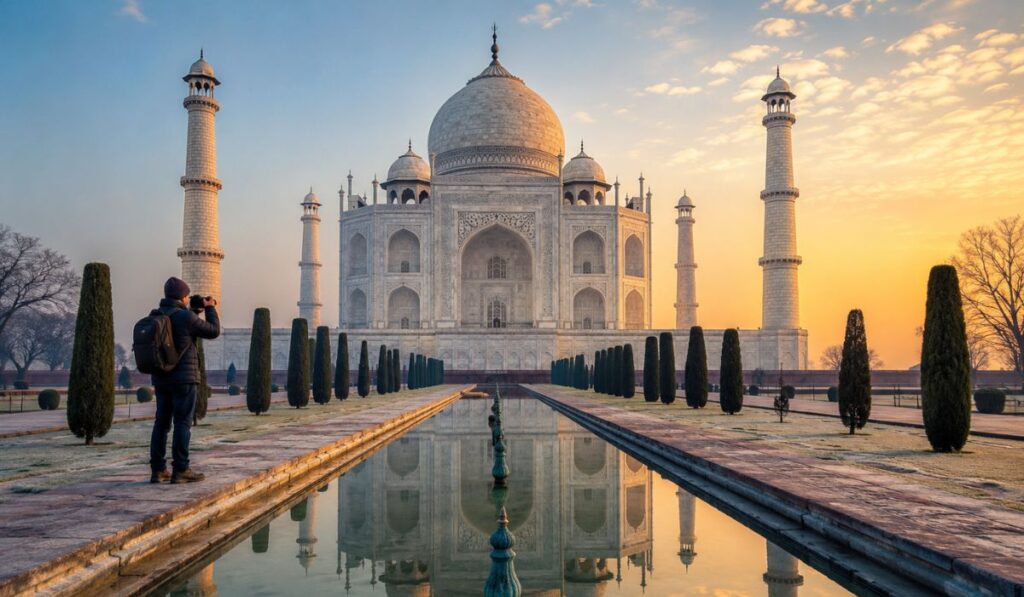
Winter (October–March)
Pros: Clear skies, cool temperatures, low haze, soft morning mist, and the best overall visibility. This is peak best season to visit Taj Mahal for photographers.
Cons: Cold mornings (pack layers), peak tourist season means earlier arrival is essential, and occasional fog in December–January can delay sunrise visibility.
Photography Rating: ★★★★★
Summer (April–June)
Pros: Longer days, fewer crowds at opening, and intense contrast for dramatic black-and-white conversions.
Cons: Crushing heat (40°C+), heavy haze, dust in the air, and harsh midday light that destroys detail. Early morning is the only viable window.
Photography Rating: ★★★☆☆
Monsoon (July–September)
Pros: Dramatic cloud formations, greener surroundings, occasional rainbow potential, and washed-clean air after rainfall.
Cons: Unpredictable downpours, slippery marble, muddy conditions at Mehtab Bagh, and overcast skies that can flatten the monument.
Photography Rating: ★★★★☆
Best Months for Different Photography Styles
January: Cold, crisp mornings. Possible fog delays, but when clear, the air is razor-sharp. Excellent for architectural detail and long-exposure reflection shots.
February: Arguably the sweet spot. Clear skies, mild temperatures, minimal fog, and manageable crowds. Ideal for Taj Mahal photography tips seekers who want reliability.
March: Warming up. Morning mist lingers but burns off fast. Great for soft, dreamy portraits with diffused light.
April: Pre-summer clarity. The last good month before haze takes over. Sunrises are sharp but days become uncomfortably hot by 9:00 AM.
May: Haze and heat dominate. Only recommended for photographers who want extreme contrast or empty midday frames.
June: Similar to May. Early mornings only. Not ideal for extended shooting.
July: Monsoon begins. Dramatic skies return. Shoot after rain for saturated colors and clean air.
August: Heavy rainfall risk, but lush gardens and moody skies reward patient photographers.
September: Monsoon retreats. Clearer days emerge. A hidden gem month with green landscapes and thinning crowds.
October: Post-monsoon clarity. Comfortable temperatures. One of the best months for all-around photography at Taj Mahal.
November: Peak photography month. Cool, clear, reliable. If you can only visit once, choose November.
December: Cold, atmospheric, and occasionally foggy. When the fog lifts, the light is extraordinary. Pack warm clothing.
Best Photography Spots Around the Taj Mahal
Reflecting Pool: The iconic symmetrical shot. Best at sunrise before ripples form. Use a wide-angle lens and center your composition.
Princess Diana Bench: The southern end of the reflecting pool. Perfect for seated portraits with the full Taj Mahal framed behind you. Arrive early or wait in line.
Mosque Side: The red sandstone mosque on the west adds color contrast and frames the Taj Mahal beautifully. Fewer tourists wander here.
Main Platform: Close-up detail shots of marble inlay, calligraphy, and texture. Use a macro or mid-range zoom.
Eastern Gate: Less crowded entry. Good for wide shots of the Taj Mahal framed by the gate archway as you enter.
Western Gate: The classic first-view moment. Dramatic but crowded. Snap it quickly and move inside.
Mehtab Bagh: The sunset headquarters. Best for river reflections, wide landscapes, and silhouette potential.
Yamuna Riverside: Between Mehtab Bagh and the Taj Mahal. A raw, less polished angle that content creators love for unique perspectives.
After visiting these spots, travelers often continue exploring Agra through the Agra Local Sightseeing Tour with Taj Mahal, which covers Agra Fort, Itimad-ud-Daulah, and hidden gems most visitors miss.
Camera Gear You Should Carry
Mirrorless / DSLR: Either works. The key is full manual control and RAW capability.
Wide-angle Lens (16–35mm): Essential for courtyard shots, reflecting pool symmetry, and architectural grandeur.
Telephoto Lens (70–200mm): Compresses the dome against the sky, isolates details, and captures Mehtab Bagh sunsets without distortion.
Tripod Rules: Tripods are technically restricted inside the main complex but often allowed if discreet. At Mehtab Bagh, they are generally permitted. Bring a lightweight travel tripod and be prepared to explain you are a tourist, not a commercial operator.
Extra Battery: Cold mornings drain batteries faster. Carry two fully charged spares.
Memory Cards: Shoot RAW and you will fill space quickly. Bring 64GB minimum.
Filters: A circular polarizer cuts marble glare and deepens skies. A 3-stop ND filter helps with water reflections and crowd-blurring long exposures.
Mobile Photography Tips
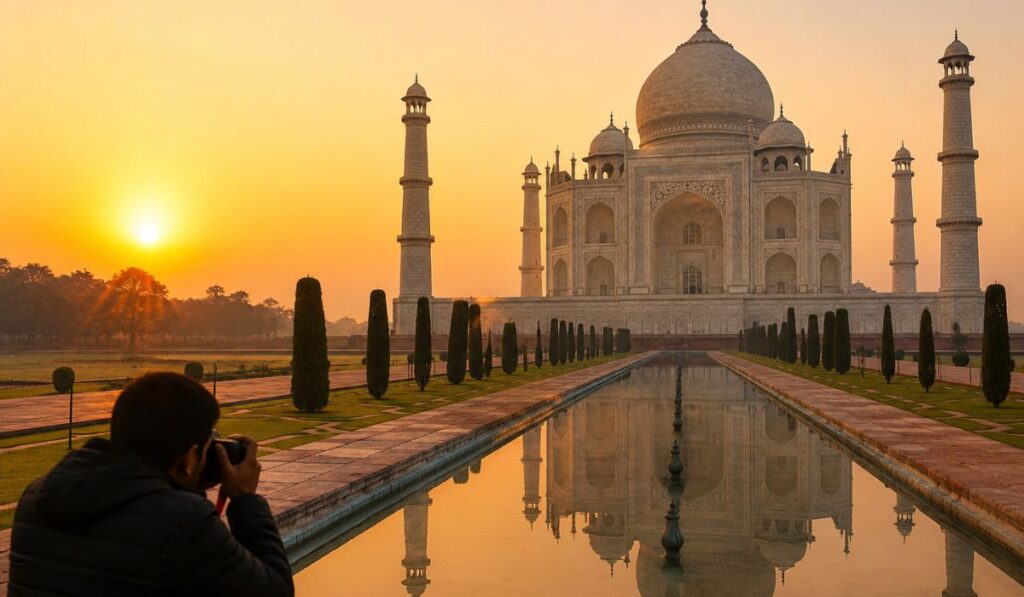
HDR: Use HDR mode for high-contrast sunrise scenes. It preserves detail in both the bright dome and shadowed foreground.
Portrait Mode: Great for bench shots and couple photos. The Taj Mahal’s clean lines make edge detection reliable.
RAW Mode: If your phone supports it, shoot RAW. Mobile editing apps like Lightroom Mobile can recover surprising detail.
Ultra-wide Lens: Perfect for the reflecting pool and gate archway compositions. Be careful of distortion at the edges.
Composition: Use the rule of thirds. Place the dome at an intersection point. Lead the eye with the pool lines or walkway edges.
Editing Apps: Lightroom Mobile, Snapseed, and VSCO are the standards. Lift shadows, reduce highlights, add slight warmth, and sharpen carefully.
Photography Rules Inside the Taj Mahal
Allowed Items: DSLRs, mirrorless cameras, mobile phones, GoPros, and standard lenses. Small camera bags are permitted after security screening.
Restricted Items: Large tripod bags, professional lighting equipment, and bulky accessories may be questioned. Pack light.
Drone Rules: Drones are strictly prohibited within the entire Taj Trapezium Zone. Do not attempt to fly. Fines and confiscation are immediate.
Tripod Rules: As mentioned, tripods inside the main complex are officially restricted. Use a monopod or high-ISO handholding instead. Save the tripod for Mehtab Bagh.
Commercial Photography: If you are shooting for commercial purposes or with a large crew, you need prior permission from the Archaeological Survey of India (ASI). Casual tourist photography is unrestricted.
One-Day Photography Itinerary
5:30 AM – Arrive at the Eastern Gate. Queue for entry.
6:00 AM – Sunrise. Shoot the reflecting pool, main platform, and mosque side. Work fast while the light is soft and crowds are thin.
8:00 AM – Breakfast at a nearby café. Review your morning shots.
9:30 AM – Agra Fort. Different architecture, red sandstone contrast, and views of the Taj Mahal from the fort walls.
12:30 PM – Lunch. Rest and recharge.
2:00 PM – Local markets or optional rest. Avoid midday shooting—the light is terrible.
4:30 PM – Head to Mehtab Bagh. Scout your sunset position.
5:45 PM – Golden hour and sunset across the river. Capture reflections and silhouettes.
7:00 PM – Shopping for marble inlay souvenirs.
8:00 PM – Return to Delhi or your hotel.
Readers with limited time can book a Same Day Tour of Taj Mahal by Car, which combines photography opportunities with comfortable transportation and sightseeing so you do not waste a minute.
Common Photography Mistakes Tourists Make
Arriving Late: The difference between 6:00 AM and 7:30 AM is the difference between a masterpiece and a snapshot.
Wrong Camera Settings: Shooting in auto mode at noon with ISO 3200. Learn manual exposure or at least aperture priority.
Ignoring Weather: Checking the weather only for rain, not for haze or pollution forecasts.
Poor Composition: Placing the Taj Mahal dead center in every frame. Move. Crouch. Use foreground elements.
Skipping Mehtab Bagh: Some visitors never cross the river. They miss the best sunset angle in Agra.
Not Cleaning Lens: Marble dust and morning dew smear glass. Clean before every major sequence.
Photography Tips from Local Experts
Use Side Angles: Everyone shoots straight on. The northeast and southeast corners offer unique perspectives with fewer tourists.
Capture Reflections: The reflecting pool is obvious. But puddles after rain, polished marble floors, and even sunglasses can create unexpected mirror shots.
Wait for Fewer People: Patience wins. Stand still. Let the crowds pass. A 30-second window of empty frame is worth the wait.
Use Symmetry: The Taj Mahal is pure symmetry. Align your camera dead center. Even a slight tilt ruins the impact.
Shoot in RAW: This cannot be said enough. JPEGs discard the data you need for sunrise and sunset recovery.
Visit on Weekdays: Tuesday through Thursday see lighter crowds than weekends. If your schedule is flexible, plan accordingly.
FAQs Abouth Best Time to Visit Taj Mahal for Photography
Can I take a DSLR inside?
Yes. DSLRs and mirrorless cameras are allowed for personal photography.
Can I carry a tripod?
Tripods are officially restricted inside the main Taj Mahal complex. They are generally permitted at Mehtab Bagh. Use discretion.
Can I use a drone?
No. Drones are banned in the Taj Trapezium Zone. Do not bring one.
Which gate is best?
The Eastern Gate is best for photographers seeking a quieter entry and faster access to the reflecting pool at sunrise.
Which month has the clearest sky?
November and February consistently offer the clearest skies and cleanest light.
Is sunrise better than sunset?
For the Taj Mahal itself, yes. Sunrise provides direct warm light on the facade. Sunset is better viewed from Mehtab Bagh across the river.
How much time should photographers spend?
Minimum three hours inside the complex, plus two hours at Mehtab Bagh. A full photography day is 6–8 hours.
Final Thoughts on Best Time to Visit Taj Mahal for Photography
If you want the definitive answer, here it is: the best time to visit Taj Mahal for photography is sunrise during winter, specifically between November and February. The combination of soft golden light, clear skies, cool temperatures, and thin crowds creates conditions that simply do not exist at any other time.
The best places to photograph Taj Mahal are the reflecting pool for symmetry at dawn and Mehtab Bagh for sunset drama across the river. Bring the right gear, arrive before the gates open, and shoot in RAW.
To turn this plan into reality without the stress of logistics, consider these four tour options:
- Taj Mahal Tour by Train – ideal for travelers coming from Delhi by train who want speed and comfort.
- Sunrise Tour of Taj Mahal by Car – perfect for capturing the monument in the soft morning light without worrying about transport.
- Same Day Tour of Taj Mahal from Delhi by Car – suitable for visitors with limited time who still want great photos and full sightseeing.
- Agra Local Sightseeing Tour with Taj Mahal from Delhi by Car – great for exploring Agra’s top attractions beyond the Taj Mahal, including Agra Fort and local markets.
The Taj Mahal has been photographed billions of times. But the photograph you take at sunrise, in the quiet mist, with the marble glowing pink and gold—that one will be yours. And it will be worth every early alarm.
1. What is the Best Time to Visit Taj Mahal for Photography?
The Best Time to Visit Taj Mahal for Photography is at sunrise, especially between November and February. The soft morning light, cooler temperatures, and fewer crowds create ideal conditions for capturing stunning photos of the monument.
2. Which season is best for photographing the Taj Mahal?
Winter (October to March) is the best season because of pleasant weather, clear skies, and better visibility. These months offer excellent lighting and comfortable conditions for both professional and mobile photography.
3. Is sunrise better than sunset for Taj Mahal photography?
Yes. Sunrise provides warm golden light, fewer tourists, and beautiful reflections in the main pool. Sunset is better enjoyed from Mehtab Bagh, where you can photograph the Taj Mahal against colorful evening skies.
4. Can I bring a DSLR camera inside the Taj Mahal?
Yes. DSLR and mirrorless cameras are allowed for personal photography. However, large tripods, drones, and professional lighting equipment are generally not permitted inside the monument.
5. Which gate is best for photographers visiting the Taj Mahal?
The Eastern Gate is often the preferred entrance for photographers because it is usually less crowded early in the morning, allowing quicker access to the reflecting pool and the main viewpoints.
6. What camera settings work best for Taj Mahal photography?
For sharp architectural images, use an aperture between f/8 and f/11, ISO 100–400, and shoot in RAW format. A wide-angle lens works well for full monument shots, while a telephoto lens is ideal for capturing intricate marble details.
7. How much time should I spend at the Taj Mahal for photography?
Plan to spend at least 3 to 4 hours inside the complex. This gives you enough time to photograph the main viewpoints, architectural details, and changing morning light without feeling rushed.
8. Why is the Best Time to Visit Taj Mahal for Photography during winter?
The Best Time to Visit Taj Mahal for Photography is during winter because the weather is pleasant, the air is generally clearer, and the sunrise light beautifully highlights the white marble. Winter also provides the most comfortable conditions for spending several hours exploring and photographing the monument.

Comments