The first time I landed in Varanasi, I realized something very quickly—this city doesn’t like being rushed.
You can’t “tick off” Varanasi like other destinations. You don’t just visit it; you feel it. The chants from temples at dawn, the smell of incense near the ghats, the silence during sunrise boat rides, and the energy of the evening Ganga Aarti stay with you long after the trip ends.
If you’re planning your trip and searching for a Varanasi 5 days itinerary, trust me—five days is the perfect amount of time to experience the spiritual heart of India without exhaustion.
This blog is based on my first-hand experience, designed especially for first-time visitors, slow travelers, and spiritual seekers.
Why 5 Days in Varanasi Is Ideal – Varanasi 5 Days Itinerar
Many people try to see Varanasi in 2 days and leave confused, tired, and overwhelmed. Varanasi is not just about temples—it’s about rhythm.
A 5 days Varanasi itinerary gives you:
- Time to explore ghats peacefully
- Proper temple darshan without stress
- Space to absorb culture, not just photograph it
- Flexibility for nearby spiritual sites
BOOK NOW
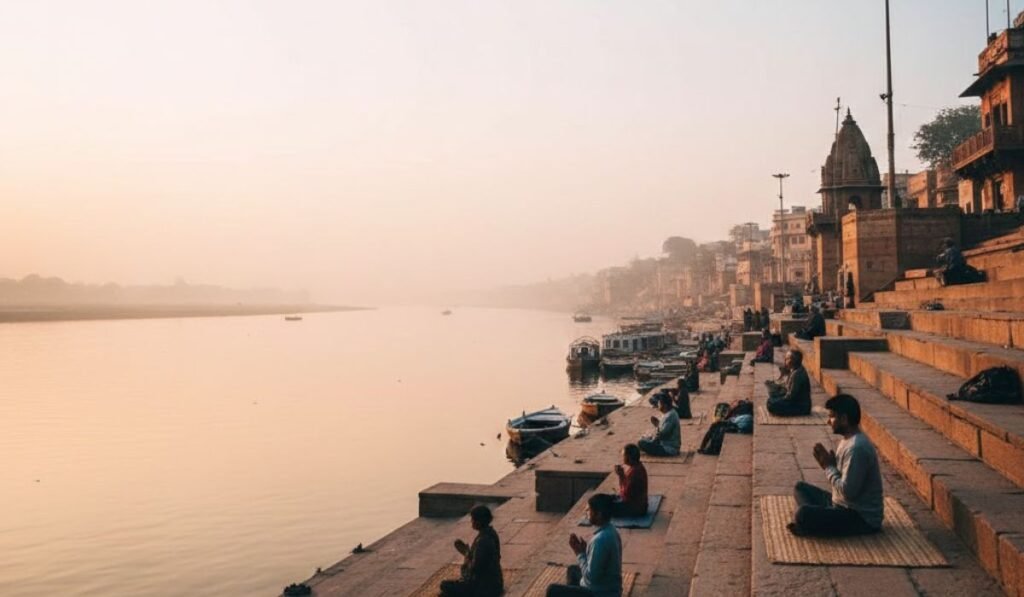
BOOK NOW
BOOK NOW
BOOK NOW
Let’s go day by day for Varanasi 5 days itinerary.
Day 1: Arrival in Varanasi & Evening Ganga Aarti
After arriving in Varanasi (by train or flight), I checked into a hotel near the ghats. Staying close to the river makes everything easier—especially mornings and evenings.
I kept the first half of the day slow.
What I Did:
- Rested after travel
- Took a short walk around nearby lanes
- Observed daily life—priests, cows, sadhus, shops
Evening Highlight: Ganga Aarti
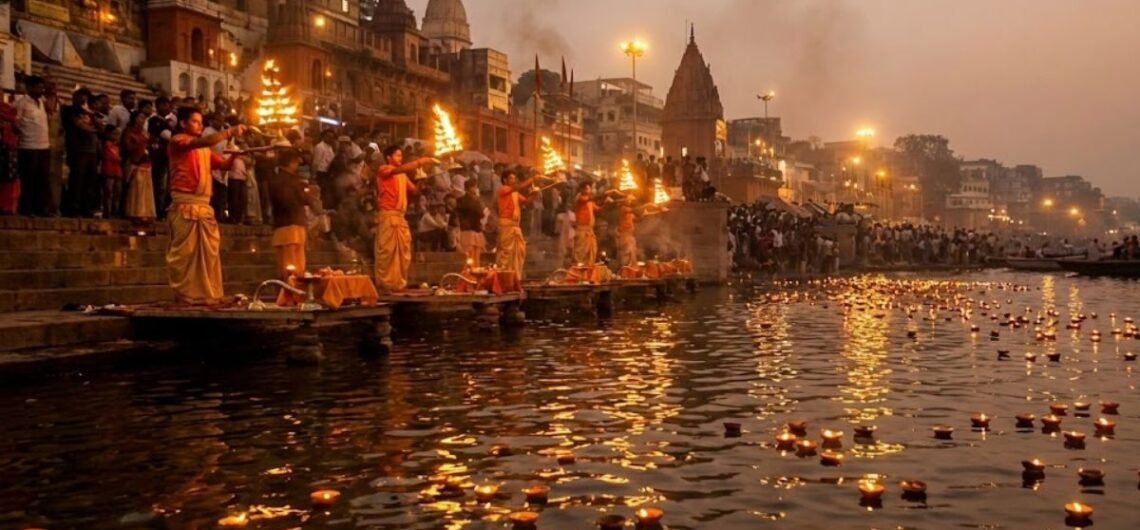
By sunset, I reached Dashashwamedh Ghat. The energy here is indescribable. Hundreds of lamps, synchronized chants, bells, and the river flowing quietly—it’s overwhelming in the best way.
Tip from experience:
Reach at least 1 hour early or watch from a boat for a calmer view.
Day 2: Temples, Faith & The Soul of Kashi
This day is the spiritual core of your Varanasi 5 days itinerary.
I started early, before crowds took over.
Major Temples Covered:
- Kashi Vishwanath Temple – heart of Varanasi
- Annapurna Temple – symbol of nourishment
- Kal Bhairav Temple – guardian of the city
- Sankat Mochan Hanuman Temple – peaceful and grounding
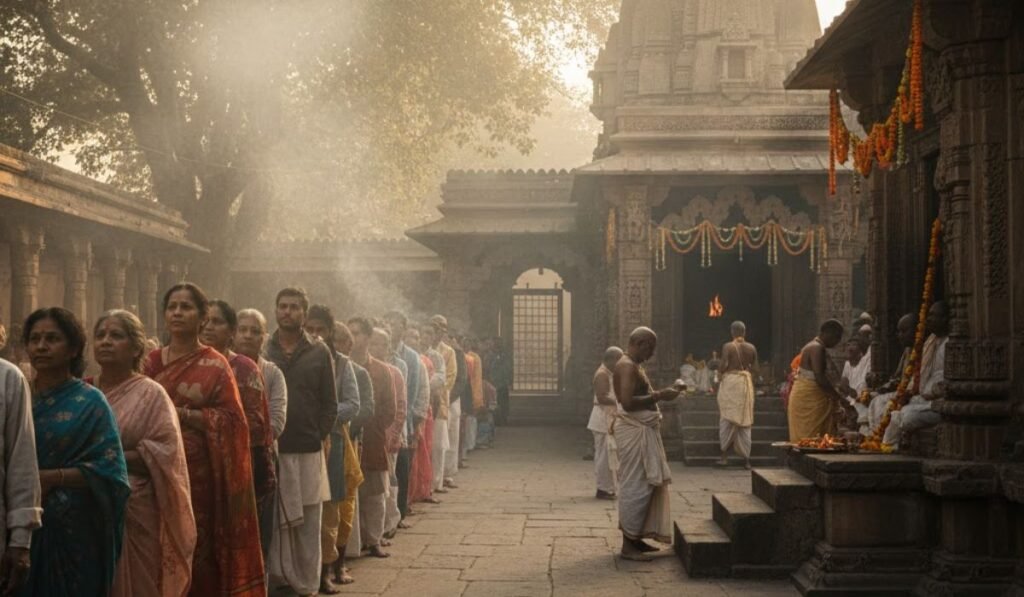
Expect queues, security checks, and waiting time—but patience is part of the experience here.
Afternoon:
- Simple local lunch
- Short rest (very important)
Evening:
- Walk through Vishwanath Gali
- Tea at a roadside stall
- Observing life, not rushing anywhere
This day taught me that Varanasi is as much about waiting as it is about seeing.
Day 3: Sunrise Boat Ride & Sarnath Visit
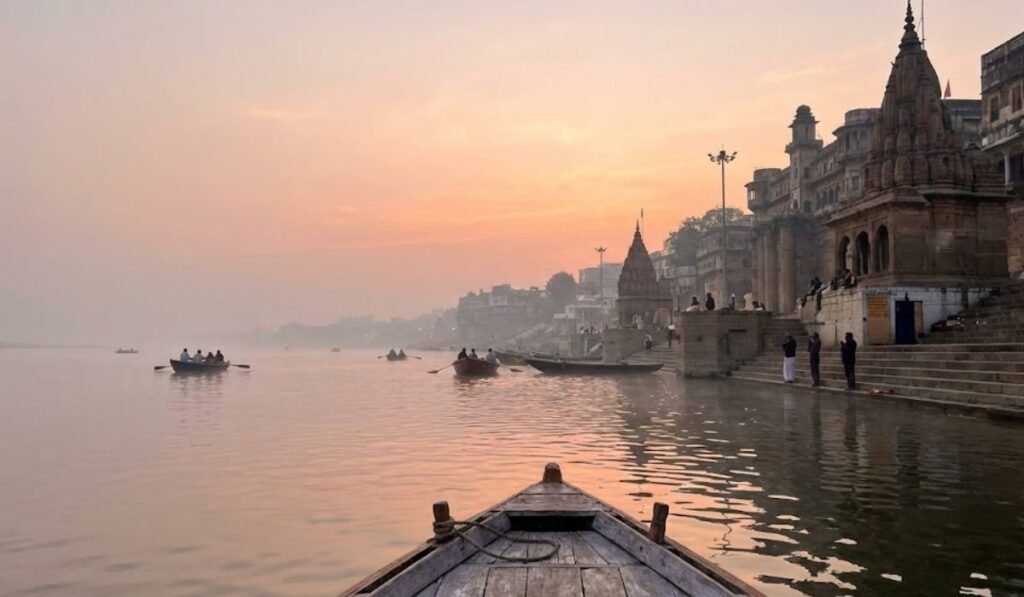
If you do only one thing in Varanasi—make it a sunrise boat ride.
Early Morning Boat Ride
I reached Assi Ghat before sunrise. As the boat slowly moved past the ghats, I saw:
- Morning prayers
- Cremation rituals from a respectful distance
- Soft sunlight touching the river
It’s silent, emotional, and deeply humbling.
Late Morning: Sarnath
After breakfast, I headed to Sarnath, about 10 km away.
Places I visited:
- Dhamek Stupa
- Mulagandha Kuti Vihar
- Sarnath Museum
Sarnath feels calm, green, and reflective—completely different from Varanasi’s intensity. The contrast makes the journey complete.
Day 4: Nearby Excursion or Cultural Exploration
By day four, you’ll feel comfortable in the city. This is when you explore beyond the obvious.
Option 1: Prayagraj (Allahabad)
- Triveni Sangam
- Historical and spiritual significance
Option 2: Ramnagar Fort
- Royal history
- Quiet river views
- Museum visit
Option 3: Free Cultural Day (My Choice)
I chose to stay in Varanasi:
- Walked along less crowded ghats
- Visited BHU campus
- Sat quietly near the river with no plan
Sometimes doing nothing is the most meaningful part of travel.
Day 5: Shopping, Reflection & Departure
The final day was light and emotional.
Morning:
- Last walk along the ghats
- Morning prayers
- Tea overlooking the Ganges
Shopping:
- Banarasi silk sarees
- Rudraksha malas
- Wooden handicrafts
Departure:
Leaving Varanasi feels strange. You don’t feel like you’re done—you feel like you’ve been introduced.
Leaving Varanasi feels strange. You don’t feel like you’re done—you feel like you’ve been introduced.
Best Time to Follow This Varanasi 5 Days Itinerary
From experience, the best months are:
- October to March (pleasant weather)
- Avoid peak summer if possible
- Festivals bring crowds but also magic
Where to Stay in Varanasi
For this itinerary:
- Near Assi Ghat – peaceful & walkable
- Near Dashashwamedh Ghat – central & lively
- Cantonment area – quieter, good for families
Choose comfort over luxury; you’ll spend more time outside than inside.
Local Travel Tips for Varanasi (From Experience)
Use e-rickshaws for short distances
Varanasi’s lanes are narrow and often crowded, especially around temples and ghats. E-rickshaws are the most practical way to travel short distances. They are affordable, easily available, and can navigate areas where cars cannot go. For places like Assi Ghat, Dashashwamedh Ghat, or nearby markets, e-rickshaws save both time and energy.
Walk as much as possible
Some of the most beautiful moments in Varanasi happen when you’re walking, not riding. Walking through the old city lanes allows you to discover hidden temples, morning prayers, street vendors, and everyday life. Many ghats are best explored on foot, and walking also helps you avoid traffic jams common in busy areas.
Dress modestly, especially in temples
Varanasi is a deeply spiritual city. Wearing modest clothing shows respect for local culture and religious traditions. For temple visits, it’s best to wear clothes that cover shoulders and knees. This not only helps you blend in but also makes temple entry smoother and more comfortable.
Keep cash handy
While digital payments are growing, many small shops, boatmen, flower sellers, and street food vendors still prefer cash. Keeping small denomination notes is especially helpful when paying for e-rickshaws, temple offerings, or boat rides. Cash also saves time in crowded areas where online payments may be slow.
Respect rituals — observe quietly
You will see many sacred rituals along the ghats, including prayers and cremation ceremonies. These moments are deeply personal and spiritual for locals. Observe quietly from a respectful distance, avoid intrusive photography, and follow local guidance. Respecting these rituals enhances your experience and helps you connect with the true spirit of Varanasi.
Why These Tips Matter
These simple travel tips make your Varanasi experience smoother, more respectful, and more meaningful. They help first-time visitors avoid common mistakes while allowing you to truly absorb the spiritual atmosphere of the city.
Is This Itinerary Good for First-Time Visitors?
Yes, absolutely.
This Varanasi 5 days itinerary is ideal if you:
- Are visiting Varanasi for the first time
- Want a spiritual yet relaxed trip
- Prefer experience over rushing
- Want time to reflect, not just explore
Varanasi doesn’t change you overnight—but it stays with you.
This Varanasi 5 days itinerary is not about covering places; it’s about creating space for moments. If you travel with patience and respect, the city reveals itself slowly—and beautifully.
FAQ – Varanasi 5 days itinerary
1. What is included in Varanasi tour packages with Ganga Aarti?
Most Varanasi tour packages with Ganga Aarti include hotel pickup and drop, temple visits, a guided evening Ganga Aarti experience, local sightseeing, and assistance with timings and crowd management. Some packages also include boat rides and nearby excursions.
2. Is Ganga Aarti included in all Varanasi tour packages?
Not all packages include Ganga Aarti by default. It’s important to choose a Varanasi tour package that specifically mentions Ganga Aarti, as seating arrangements, timings, and guidance make a big difference in the experience.
3. Which ghat is best for Ganga Aarti in Varanasi?
Dashashwamedh Ghat is the most popular and widely attended ghat for Ganga Aarti in Varanasi. Most guided Varanasi tour packages with Ganga Aarti arrange viewing from this ghat or from a boat on the Ganges.
4. Is it better to book a tour package for Ganga Aarti or go on your own?
For first-time visitors, booking a Varanasi tour package with Ganga Aarti is often more convenient. Packages help avoid crowd confusion, ensure timely arrival, and provide better viewing arrangements, especially during peak seasons.
5. What is the best time of year to book a Varanasi tour with Ganga Aarti?
The best time to book a Varanasi tour package with Ganga Aarti is from October to March, when the weather is pleasant and the Aarti timings are comfortable. Summers can be extremely hot, while monsoon months may affect schedules.
6. Are Varanasi tour packages with Ganga Aarti suitable for senior citizens?
Yes, many Varanasi tour packages are designed keeping senior citizens in mind. They usually include comfortable transport, guided assistance, and planned schedules to reduce walking and waiting time during temple visits and Ganga Aarti.
7. How long does the Ganga Aarti ceremony last?
The evening Ganga Aarti in Varanasi usually lasts 45 minutes to 1 hour. Tour packages ensure you reach early so you can enjoy the full ceremony without rushing or standing in crowded areas.
8. How many days are ideal when booking a Varanasi tour package with Ganga Aarti?
A 3 to 5-day tour package is ideal for Varanasi. It allows enough time for Ganga Aarti, major temples, Sarnath, and local experiences without feeling rushed.
Most Varanasi tour packages with Ganga Aarti include hotel pickup and drop, temple visits, a guided evening Ganga Aarti experience, local sightseeing, and assistance with timings and crowd management. Some packages also include boat rides and nearby excursions.
Not all packages include Ganga Aarti by default. It’s important to choose a Varanasi tour package that specifically mentions Ganga Aarti, as seating arrangements, timings, and guidance make a big difference in the experience.
Dashashwamedh Ghat is the most popular and widely attended ghat for Ganga Aarti in Varanasi. Most guided Varanasi tour packages with Ganga Aarti arrange viewing from this ghat or from a boat on the Ganges.
For first-time visitors, booking a Varanasi tour package with Ganga Aarti is often more convenient. Packages help avoid crowd confusion, ensure timely arrival, and provide better viewing arrangements, especially during peak seasons.
The best time to book a Varanasi tour package with Ganga Aarti is from October to March, when the weather is pleasant and the Aarti timings are comfortable. Summers can be extremely hot, while monsoon months may affect schedules.
Yes, many Varanasi tour packages are designed keeping senior citizens in mind. They usually include comfortable transport, guided assistance, and planned schedules to reduce walking and waiting time during temple visits and Ganga Aarti.
The evening Ganga Aarti in Varanasi usually lasts 45 minutes to 1 hour. Tour packages ensure you reach early so you can enjoy the full ceremony without rushing or standing in crowded areas.
A 3 to 5-day tour package is ideal for Varanasi. It allows enough time for Ganga Aarti, major temples, Sarnath, and local experiences without feeling rushed.