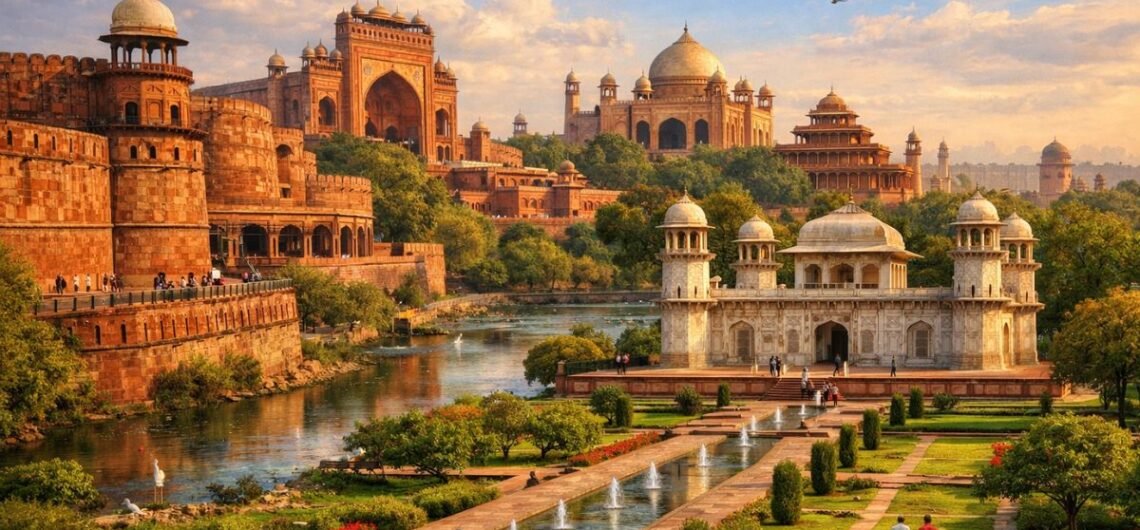
<!-- wp:paragraph -->
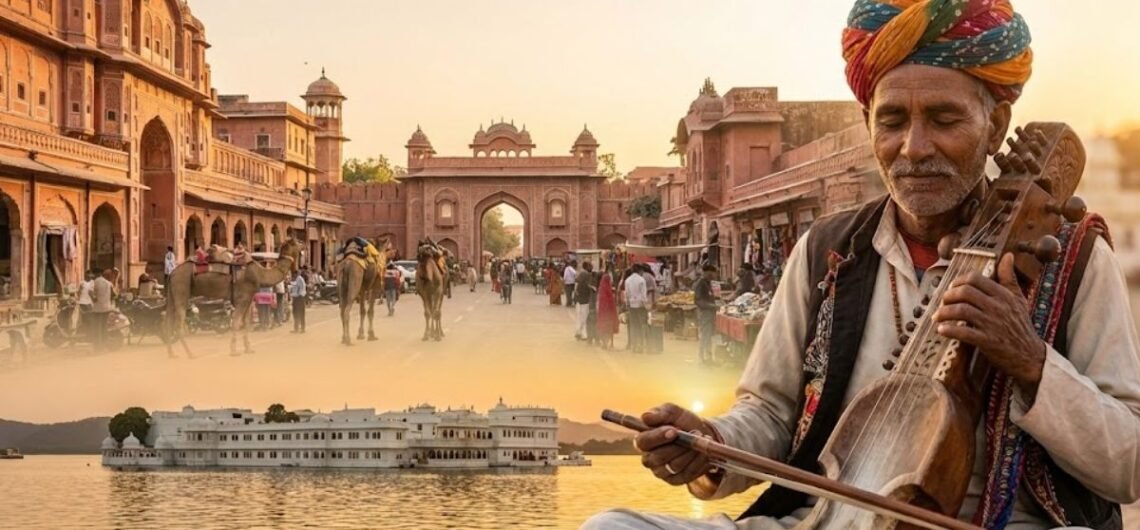
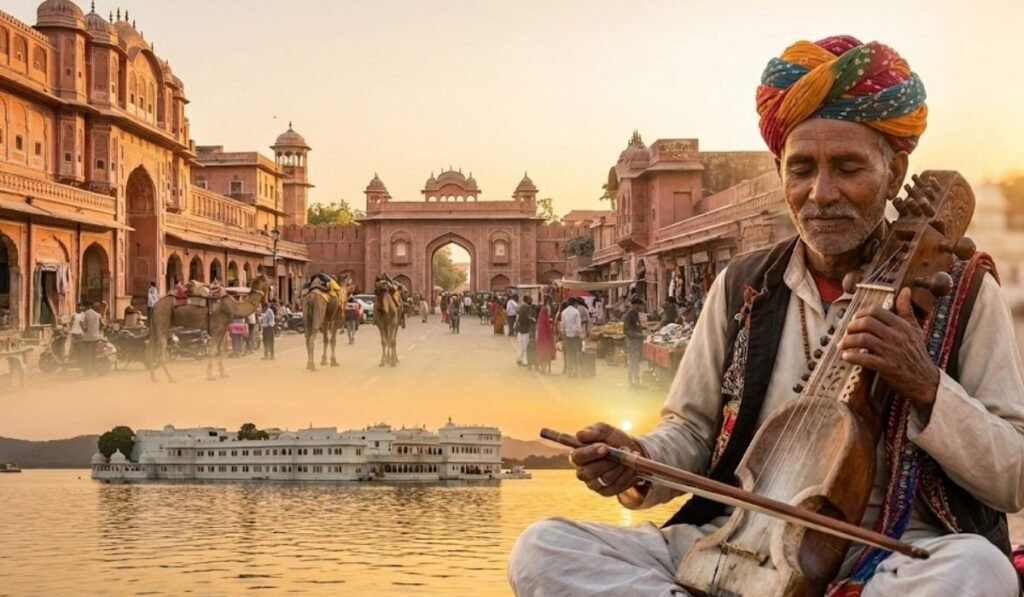
<p>Planning a Rajasthan trip but worried about the summer heat? Many travellers often postpone their plans after hearing about Rajasthan’s high temperatures during May and June. However, with the right travel planning and flexible private AC transport, a Jaipur Udaipur tour in summer can actually turn out to be a comfortable and peaceful travel experience.</p>
<!-- /wp:paragraph -->
<!-- wp:paragraph -->
<p>Unlike peak winter months, summer travel in Rajasthan offers fewer crowds, better hotel deals, and more flexible sightseeing opportunities. If you are considering a Rajasthan trip in May or June, choosing a well-planned Jaipur Udaipur tour package with private travel can help you explore comfortably without worrying about extreme weather conditions.</p>
<!-- /wp:paragraph -->
<!-- wp:heading -->
<h2 class="wp-block-heading" id="h-how-hot-does-rajasthan-get-in-summer"><strong>How Hot Does Rajasthan Get in Summer?</strong></h2>
<!-- /wp:heading -->
<!-- wp:paragraph -->
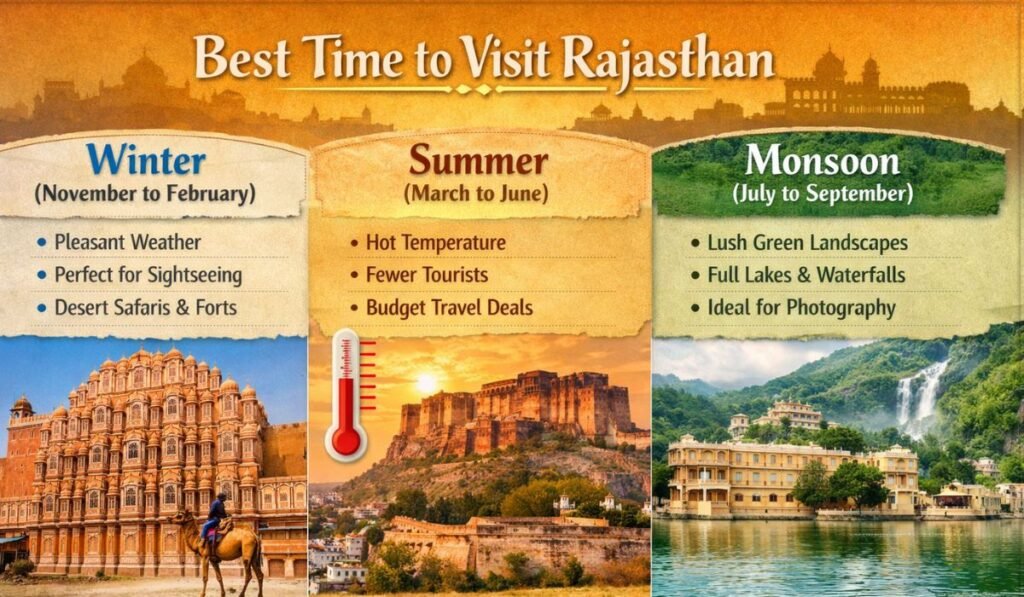
<p>Rajasthan weather in summer, especially between April to June, usually ranges from 35°C to 45°C during the day. Jaipur experiences dry heat, while Udaipur’s climate is slightly more comfortable due to nearby lakes and greenery.</p>
<!-- /wp:paragraph -->
<!-- wp:paragraph -->
<p>However, most sightseeing in Rajasthan is best enjoyed during early mornings and evenings when the temperature is relatively pleasant. This is why many travellers prefer <a href="https://www.azaantravels.com/rajasthan-tour-packages/"><strong>Rajasthan Tour Packages with Jaipur Udaipur</strong></a> that include private AC travel and flexible sightseeing schedules to avoid the afternoon heat and travel comfortably.</p>
<!-- /wp:paragraph -->
<!-- wp:heading -->
<h2 class="wp-block-heading" id="h-benefits-of-visiting-jaipur-and-udaipur-in-summer"><strong>Benefits of Visiting Jaipur and Udaipur in Summer</strong></h2>
<!-- /wp:heading -->
<!-- wp:paragraph -->
<p>Travelling during the off-season in Rajasthan comes with several advantages:</p>
<!-- /wp:paragraph -->
<!-- wp:list -->
<ul class="wp-block-list"><!-- wp:list-item -->
<li>Lower hotel prices<br></li>
<!-- /wp:list-item -->
<!-- wp:list-item -->
<li>Less crowded tourist places in Jaipur and Udaipur<br></li>
<!-- /wp:list-item -->
<!-- wp:list-item -->
<li>Peaceful sightseeing experiences<br></li>
<!-- /wp:list-item -->
<!-- wp:list-item -->
<li>Easy entry to monuments<br></li>
<!-- /wp:list-item -->
<!-- wp:list-item -->
<li>Flexible travel itinerary<br></li>
<!-- /wp:list-item --></ul>
<!-- /wp:list -->
<!-- wp:paragraph -->
<p>With fewer crowds at major attractions, travellers can enjoy comfortable Rajasthan sightseeing without long queues or waiting time, especially when travelling through a flexible Jaipur Udaipur private tour.</p>
<!-- /wp:paragraph -->
<!-- wp:heading -->
<h2 class="wp-block-heading" id="h-challenges-of-rajasthan-summer-trip"><strong>Challenges of Rajasthan Summer Trip</strong></h2>
<!-- /wp:heading -->
<!-- wp:paragraph -->
<p>Like any travel season, summer travel in Rajasthan has its own challenges:</p>
<!-- /wp:paragraph -->
<!-- wp:list -->
<ul class="wp-block-list"><!-- wp:list-item -->
<li>Afternoon heat<br></li>
<!-- /wp:list-item -->
<!-- wp:list-item -->
<li>Outdoor sightseeing fatigue<br></li>
<!-- /wp:list-item -->
<!-- wp:list-item -->
<li>Public transport discomfort<br></li>
<!-- /wp:list-item --></ul>
<!-- /wp:list -->
<!-- wp:paragraph -->
<p>This is why many travellers prefer private Rajasthan tours with flexible sightseeing schedules. With the option to return to your hotel for a midday rest and continue exploring in the evening with AC private transport, the overall travel experience becomes much more comfortable.</p>
<!-- /wp:paragraph -->
<!-- wp:paragraph -->
<p>Travellers looking for a more comfortable Rajasthan summer trip often prefer Rajasthan Tour Packages with Jaipur Udaipur that include flexible sightseeing schedules and private AC travel.</p>
<!-- /wp:paragraph -->
<!-- wp:heading -->
<h2 class="wp-block-heading" id="h-smart-travel-tips-for-jaipur-udaipur-summer-tour"><strong>Smart Travel Tips for Jaipur Udaipur Summer Tour</strong></h2>
<!-- /wp:heading -->
<!-- wp:image {"id":3009,"sizeSlug":"large","linkDestination":"none"} -->
<figure class="wp-block-image size-large"><img src="https://www.azaantravels.com/wp-content/uploads/2026/02/udaipur-lake-pichola-evening-summer-tour-2-1024x597.jpg" alt="Is Summer a Good Time for Jaipur Udaipur Tour?" class="wp-image-3009"/></figure>
<!-- /wp:image -->
<!-- wp:paragraph -->
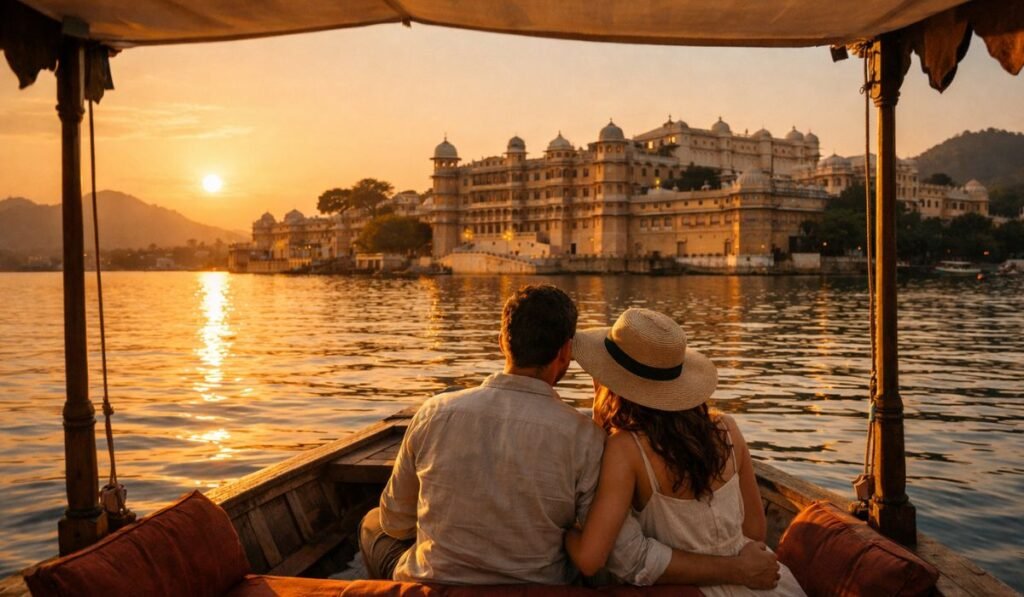
<p>If you are planning a Jaipur Udaipur tour in summer, managing your sightseeing schedule smartly can make a significant difference in your overall travel experience. Since Rajasthan’s temperature tends to rise during the afternoon hours, most travellers prefer adjusting their daily itinerary to explore major attractions during cooler parts of the day.</p>
<!-- /wp:paragraph -->
<!-- wp:paragraph -->
<p>Starting your sightseeing early in the morning allows you to comfortably visit forts, palaces, and local markets without dealing with peak heat conditions. Many popular tourist attractions in Jaipur and Udaipur are less crowded during early hours, making your experience more relaxed and enjoyable.</p>
<!-- /wp:paragraph -->
<!-- wp:paragraph -->
<p>It is also advisable to take a short afternoon rest at your hotel after completing morning sightseeing. This helps avoid unnecessary fatigue caused by extended outdoor exposure during hotter hours of the day. Later in the evening, you can continue visiting monuments, lakes, and cultural sites when the temperature becomes relatively pleasant again.</p>
<!-- /wp:paragraph -->
<!-- wp:paragraph -->
<p>Wearing light cotton clothes, using sunglasses, applying sunscreen, and staying hydrated throughout the day are small but important steps that can help you stay comfortable during your Rajasthan summer trip.</p>
<!-- /wp:paragraph -->
<!-- wp:paragraph -->
<p>However, following these travel tips effectively often requires a flexible sightseeing schedule. This is why many travellers prefer choosing a Jaipur Udaipur Tour Package with private AC car travel, which allows them to return to their hotel for midday rest and resume sightseeing in the evening without being restricted by fixed timings or public transport schedules.</p>
<!-- /wp:paragraph -->
<!-- wp:paragraph -->
<p>For travellers looking for a comfortable Rajasthan trip, private tour planning helps avoid unnecessary exposure to heat while maintaining a relaxed and flexible itinerary during summer travel in Rajasthan.</p>
<!-- /wp:paragraph -->
<!-- wp:heading -->
<h2 class="wp-block-heading" id="h-why-private-rajasthan-tour-is-best-in-summer"><strong>Why Private Rajasthan Tour is Best in Summer?</strong></h2>
<!-- /wp:heading -->
<!-- wp:image {"id":3008,"sizeSlug":"large","linkDestination":"none"} -->
<figure class="wp-block-image size-large"><img src="https://www.azaantravels.com/wp-content/uploads/2026/02/rajasthan-private-ac-car-summer-tour-1024x597.jpg" alt="Is Summer a Good Time for Jaipur Udaipur Tour?" class="wp-image-3008"/></figure>
<!-- /wp:image -->
<!-- wp:paragraph -->
<p>Rajasthan afternoons can be extremely hot during peak summer months, especially when sightseeing involves visiting outdoor heritage sites and walking through forts or palace complexes. This is where private Rajasthan tour packages become a more comfortable travel option for families and couples who prefer a relaxed travel experience without rushing through their itinerary.</p>
<!-- /wp:paragraph -->
<!-- wp:paragraph -->
<p>Unlike fixed group tours or public transport-based travel, a Rajasthan tour by private AC car allows travellers to plan their day according to comfort levels. Instead of continuing sightseeing during peak afternoon hours, visitors can choose to return to their hotel for rest and resume their journey later in the evening.</p>
<!-- /wp:paragraph -->
<!-- wp:paragraph -->
<p>Here’s how private travel makes summer sightseeing more manageable:</p>
<!-- /wp:paragraph -->
<!-- wp:table -->
<figure class="wp-block-table"><table class="has-fixed-layout"><tbody><tr><td><strong>Summer Travel Problem</strong></td><td><strong>Private Tour Solution</strong></td></tr><tr><td>Heat exposure</td><td>Air-conditioned car</td></tr><tr><td>Fixed sightseeing time</td><td>Flexible schedule</td></tr><tr><td>Public taxi hassle</td><td>Hotel pickup</td></tr><tr><td>Family fatigue</td><td>Midday rest option</td></tr><tr><td>Travel confusion</td><td>Private driver support</td></tr></tbody></table></figure>
<!-- /wp:table -->
<!-- wp:paragraph -->
<p>With Rajasthan tour by car, families and couples can plan their sightseeing based on comfort rather than fixed timings. This flexibility becomes especially useful during summer months when avoiding peak heat can significantly improve the overall travel experience.</p>
<!-- /wp:paragraph -->
<!-- wp:paragraph -->
<p>As a result, travellers can enjoy exploring Jaipur and Udaipur at their own pace, ensuring a relaxed and enjoyable Rajasthan summer vacation without unnecessary travel fatigue.</p>
<!-- /wp:paragraph -->
<!-- wp:heading -->
<h2 class="wp-block-heading" id="h-is-it-worth-booking-jaipur-udaipur-tour-in-summer"><strong>Is It Worth Booking Jaipur Udaipur Tour in Summer?</strong></h2>
<!-- /wp:heading -->
<!-- wp:paragraph -->
<p>Yes, summer can be a good time to visit Jaipur and Udaipur for:</p>
<!-- /wp:paragraph -->
<!-- wp:list -->
<ul class="wp-block-list"><!-- wp:list-item -->
<li>Budget travellers<br></li>
<!-- /wp:list-item -->
<!-- wp:list-item -->
<li>Families with kids<br></li>
<!-- /wp:list-item -->
<!-- wp:list-item -->
<li>Couples planning peaceful trips<br></li>
<!-- /wp:list-item -->
<!-- wp:list-item -->
<li>Photographers<br></li>
<!-- /wp:list-item -->
<!-- wp:list-item -->
<li>Off-season travellers<br></li>
<!-- /wp:list-item --></ul>
<!-- /wp:list -->
<!-- wp:paragraph -->
<p>With proper planning and comfortable private travel arrangements, a Rajasthan summer trip becomes both enjoyable and cost-effective.</p>
<!-- /wp:paragraph -->
<!-- wp:heading -->
<h2 class="wp-block-heading" id="h-plan-your-summer-rajasthan-trip-today"><strong>Plan Your Summer Rajasthan Trip Today</strong></h2>
<!-- /wp:heading -->
<!-- wp:paragraph -->
<p>If you are looking for a comfortable way to explore Rajasthan during summer, avoid public transport discomfort and enjoy flexible sightseeing with our <a href="https://www.azaantravels.com/rajasthan-tour-packages/"><strong>Rajasthan Tour Packages with Jaipur Udaipur</strong></a>.</p>
<!-- /wp:paragraph -->
<!-- wp:paragraph -->
<p>Book your Jaipur Udaipur Private Tour today and travel stress-free with private AC car transport designed for comfortable Rajasthan travel even during peak summer months.</p>
<!-- /wp:paragraph -->
<!-- wp:heading {"level":1} -->
<h1 class="wp-block-heading" id="h-faqs"><strong>FAQs</strong></h1>
<!-- /wp:heading -->
<!-- wp:paragraph -->
<p><strong>Is Rajasthan too hot in May?</strong><strong><br></strong> Yes, Rajasthan temperature in May can be high, but with early morning sightseeing and private AC travel, your trip can still be comfortable.</p>
<!-- /wp:paragraph -->
<!-- wp:paragraph -->
<p><strong>Can we visit Udaipur in June?</strong><strong><br></strong> Yes, Udaipur’s climate is relatively pleasant due to nearby lakes, making it suitable for summer travel.</p>
<!-- /wp:paragraph -->
<!-- wp:paragraph -->
<p><strong>Is Rajasthan trip possible with kids in summer?</strong><strong><br></strong> Yes, with flexible itineraries and private transport, families can comfortably explore Jaipur and Udaipur.</p>
<!-- /wp:paragraph -->
<!-- wp:paragraph -->
<p><strong>Best time to visit Rajasthan for budget trip?</strong><strong><br></strong> Summer months are considered off-season and often offer better hotel and travel deals.</p>
<!-- /wp:paragraph -->
<!-- wp:paragraph -->
<p><strong>Is private AC tour recommended in summer?</strong><strong><br></strong> Yes, private Rajasthan tours with AC cars provide a comfortable and stress-free travel experience during summer.</p>
<!-- /wp:paragraph -->
Planning a Rajasthan trip but worried about the summer heat? Many travellers often postpone their plans after hearing about Rajasthan’s high temperatures during May and June. However, with the right travel planning and flexible private AC transport, a Jaipur Udaipur tour in summer can actually turn out to be a comfortable and peaceful travel experience.
Unlike peak winter months, summer travel in Rajasthan offers fewer crowds, better hotel deals, and more flexible sightseeing opportunities. If you are considering a Rajasthan trip in May or June, choosing a well-planned Jaipur Udaipur tour package with private travel can help you explore comfortably without worrying about extreme weather conditions.
How Hot Does Rajasthan Get in Summer?
Rajasthan weather in summer, especially between April to June, usually ranges from 35°C to 45°C during the day. Jaipur experiences dry heat, while Udaipur’s climate is slightly more comfortable due to nearby lakes and greenery.
However, most sightseeing in Rajasthan is best enjoyed during early mornings and evenings when the temperature is relatively pleasant. This is why many travellers prefer Rajasthan Tour Packages with Jaipur Udaipur that include private AC travel and flexible sightseeing schedules to avoid the afternoon heat and travel comfortably.
Benefits of Visiting Jaipur and Udaipur in Summer
Travelling during the off-season in Rajasthan comes with several advantages:
Lower hotel prices
Less crowded tourist places in Jaipur and Udaipur
Peaceful sightseeing experiences
Easy entry to monuments
Flexible travel itinerary
With fewer crowds at major attractions, travellers can enjoy comfortable Rajasthan sightseeing without long queues or waiting time, especially when travelling through a flexible Jaipur Udaipur private tour.
Challenges of Rajasthan Summer Trip
Like any travel season, summer travel in Rajasthan has its own challenges:
Afternoon heat
Outdoor sightseeing fatigue
Public transport discomfort
This is why many travellers prefer private Rajasthan tours with flexible sightseeing schedules. With the option to return to your hotel for a midday rest and continue exploring in the evening with AC private transport, the overall travel experience becomes much more comfortable.
Travellers looking for a more comfortable Rajasthan summer trip often prefer Rajasthan Tour Packages with Jaipur Udaipur that include flexible sightseeing schedules and private AC travel.
Smart Travel Tips for Jaipur Udaipur Summer Tour
If you are planning a Jaipur Udaipur tour in summer, managing your sightseeing schedule smartly can make a significant difference in your overall travel experience. Since Rajasthan’s temperature tends to rise during the afternoon hours, most travellers prefer adjusting their daily itinerary to explore major attractions during cooler parts of the day.
Starting your sightseeing early in the morning allows you to comfortably visit forts, palaces, and local markets without dealing with peak heat conditions. Many popular tourist attractions in Jaipur and Udaipur are less crowded during early hours, making your experience more relaxed and enjoyable.
It is also advisable to take a short afternoon rest at your hotel after completing morning sightseeing. This helps avoid unnecessary fatigue caused by extended outdoor exposure during hotter hours of the day. Later in the evening, you can continue visiting monuments, lakes, and cultural sites when the temperature becomes relatively pleasant again.
Wearing light cotton clothes, using sunglasses, applying sunscreen, and staying hydrated throughout the day are small but important steps that can help you stay comfortable during your Rajasthan summer trip.
However, following these travel tips effectively often requires a flexible sightseeing schedule. This is why many travellers prefer choosing a Jaipur Udaipur Tour Package with private AC car travel, which allows them to return to their hotel for midday rest and resume sightseeing in the evening without being restricted by fixed timings or public transport schedules.
For travellers looking for a comfortable Rajasthan trip, private tour planning helps avoid unnecessary exposure to heat while maintaining a relaxed and flexible itinerary during summer travel in Rajasthan.
Why Private Rajasthan Tour is Best in Summer?
Rajasthan afternoons can be extremely hot during peak summer months, especially when sightseeing involves visiting outdoor heritage sites and walking through forts or palace complexes. This is where private Rajasthan tour packages become a more comfortable travel option for families and couples who prefer a relaxed travel experience without rushing through their itinerary.
Unlike fixed group tours or public transport-based travel, a Rajasthan tour by private AC car allows travellers to plan their day according to comfort levels. Instead of continuing sightseeing during peak afternoon hours, visitors can choose to return to their hotel for rest and resume their journey later in the evening.
Here’s how private travel makes summer sightseeing more manageable:
Summer Travel Problem
Private Tour Solution
Heat exposure
Air-conditioned car
Fixed sightseeing time
Flexible schedule
Public taxi hassle
Hotel pickup
Family fatigue
Midday rest option
Travel confusion
Private driver support
With Rajasthan tour by car, families and couples can plan their sightseeing based on comfort rather than fixed timings. This flexibility becomes especially useful during summer months when avoiding peak heat can significantly improve the overall travel experience.
As a result, travellers can enjoy exploring Jaipur and Udaipur at their own pace, ensuring a relaxed and enjoyable Rajasthan summer vacation without unnecessary travel fatigue.
Is It Worth Booking Jaipur Udaipur Tour in Summer?
Yes, summer can be a good time to visit Jaipur and Udaipur for:
Budget travellers
Families with kids
Couples planning peaceful trips
Photographers
Off-season travellers
With proper planning and comfortable private travel arrangements, a Rajasthan summer trip becomes both enjoyable and cost-effective.
Plan Your Summer Rajasthan Trip Today
If you are looking for a comfortable way to explore Rajasthan during summer, avoid public transport discomfort and enjoy flexible sightseeing with our Rajasthan Tour Packages with Jaipur Udaipur.
Book your Jaipur Udaipur Private Tour today and travel stress-free with private AC car transport designed for comfortable Rajasthan travel even during peak summer months.
FAQs
Is Rajasthan too hot in May? Yes, Rajasthan temperature in May can be high, but with early morning sightseeing and private AC travel, your trip can still be comfortable.
Can we visit Udaipur in June? Yes, Udaipur’s climate is relatively pleasant due to nearby lakes, making it suitable for summer travel.
Is Rajasthan trip possible with kids in summer? Yes, with flexible itineraries and private transport, families can comfortably explore Jaipur and Udaipur.
Best time to visit Rajasthan for budget trip? Summer months are considered off-season and often offer better hotel and travel deals.
Is private AC tour recommended in summer? Yes, private Rajasthan tours with AC cars provide a comfortable and stress-free travel experience during summer.
<!-- wp:paragraph -->
<p>If you're visiting India for the first time, experiencing the beauty of the Taj Mahal is probably at the top of your travel bucket list. Located in the historic city of Agra, the Taj Mahal attracts millions of tourists every year who come to witness its timeless architecture, romantic history, and Mughal-era craftsmanship.</p>
<!-- /wp:paragraph -->
<!-- wp:paragraph -->
<p>However, planning your visit independently can sometimes feel overwhelming — especially when it comes to managing transportation, entry tickets, local travel, and finding a reliable guide. That’s why many first-time travelers prefer booking professionally organized <strong>Taj Mahal Agra tours</strong> to enjoy a smooth and comfortable sightseeing experience.</p>
<!-- /wp:paragraph -->
<!-- wp:paragraph -->
<p>A well-planned Taj Mahal sightseeing tour not only helps you explore the monument without hassle but also allows you to discover other iconic attractions in Agra with the help of a knowledgeable local guide. Whether you're planning a Taj Mahal trip from Delhi or looking for a complete Agra travel experience, choosing the right tour package can make your journey more convenient, informative, and memorable.</p>
<!-- /wp:paragraph -->
<!-- wp:heading -->
<h2 class="wp-block-heading" id="h-why-choose-a-taj-mahal-agra-tour-for-your-first-visit">Why Choose a Taj Mahal Agra Tour for Your First Visit?</h2>
<!-- /wp:heading -->
<!-- wp:paragraph -->
<p>Visiting the Taj Mahal for the first time is an unforgettable experience — but without proper planning, it can also become tiring and confusing. From arranging transportation to understanding monument entry rules and finding the best time to visit, there are many small details that can affect your overall trip.</p>
<!-- /wp:paragraph -->
<!-- wp:paragraph -->
<p>This is where booking a professionally organized <strong><a href="https://www.azaantravels.com/agra-tour-packages/">Taj Mahal Agra tour</a></strong> becomes highly beneficial, especially for first-time travelers.</p>
<!-- /wp:paragraph -->
<!-- wp:paragraph -->
<p>Here’s why:</p>
<!-- /wp:paragraph -->
<!-- wp:image {"id":2998,"sizeSlug":"large","linkDestination":"none"} -->
<figure class="wp-block-image size-large"><img src="https://www.azaantravels.com/wp-content/uploads/2026/02/Untitled-design-2026-02-24T165532.954-1024x597.jpg" alt="Best Taj Mahal Agra Tours for First-Time Visitors: Complete Travel Guide" class="wp-image-2998"/></figure>
<!-- /wp:image -->
<!-- wp:list -->
<ul class="wp-block-list"><!-- wp:list-item -->
<li><strong>Skip-the-Line Access:</strong> Guided Taj Mahal tours often help you avoid long waiting queues at the entrance, saving valuable sightseeing time.<br></li>
<!-- /wp:list-item -->
<!-- wp:list-item -->
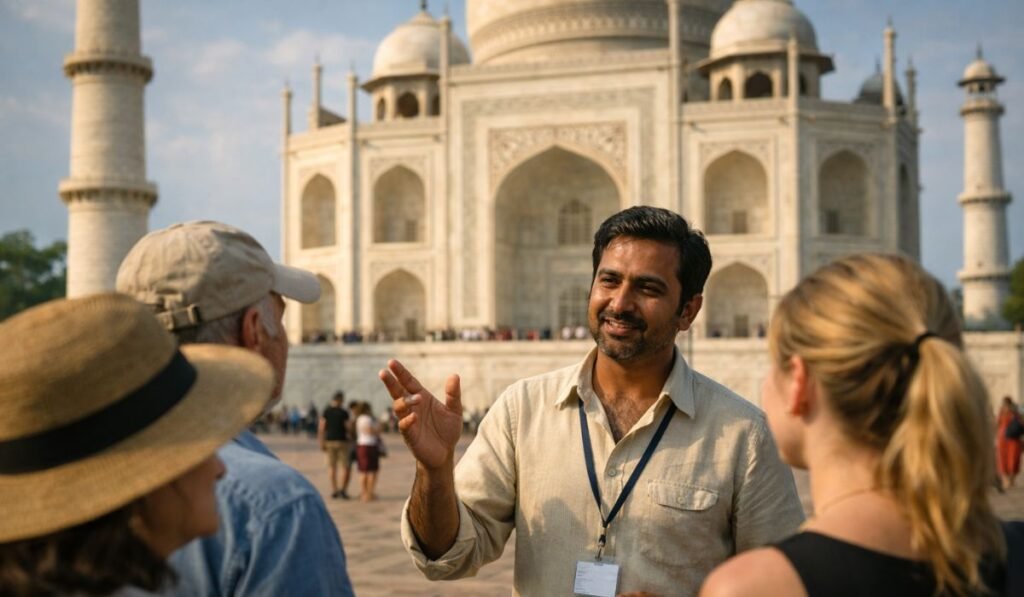
<li><strong>Expert Local Guide:</strong> A knowledgeable guide enhances your visit by sharing historical facts, architectural insights, and lesser-known stories behind the monument.<br></li>
<!-- /wp:list-item -->
<!-- wp:list-item -->
<li><strong>Comfortable Travel:</strong> Most Agra sightseeing packages include private AC vehicles for a relaxed journey from Delhi to Agra and back.<br></li>
<!-- /wp:list-item -->
<!-- wp:list-item -->
<li><strong>Time Efficiency:</strong> An organized Taj Mahal trip follows a planned itinerary, ensuring you cover all major attractions in a single day without rushing.<br></li>
<!-- /wp:list-item -->
<!-- wp:list-item -->
<li><strong>Safety & Convenience:</strong> From hotel pickup to monument entry assistance, everything is managed for a smooth travel experience.<br></li>
<!-- /wp:list-item --></ul>
<!-- /wp:list -->
<!-- wp:paragraph -->
<p>For anyone planning their first Agra tour, choosing a guided Taj Mahal travel experience ensures you enjoy the monument and nearby attractions without worrying about logistics or local arrangements.</p>
<!-- /wp:paragraph -->
<!-- wp:heading -->
<h2 class="wp-block-heading" id="h-types-of-taj-mahal-agra-tours-available">Types of Taj Mahal Agra Tours Available</h2>
<!-- /wp:heading -->
<!-- wp:paragraph -->
<p>When planning your first visit, it’s important to choose the right type of <strong>Taj Mahal Agra tour</strong> based on your schedule, travel style, and comfort preferences. From quick same-day trips to more relaxed overnight stays, there are several Agra tour options designed for different kinds of travelers.</p>
<!-- /wp:paragraph -->
<!-- wp:heading {"level":3} -->
<h3 class="wp-block-heading" id="h-nbsp-same-day-taj-mahal-tour"> Same Day Taj Mahal Tour</h3>
<!-- /wp:heading -->
<!-- wp:paragraph -->
<p>A same day Taj Mahal tour from Delhi is one of the most popular choices among tourists who have limited time but still want to explore Agra’s top attractions. This tour usually includes:</p>
<!-- /wp:paragraph -->
<!-- wp:list -->
<ul class="wp-block-list"><!-- wp:list-item -->
<li>Early morning pickup from Delhi<br></li>
<!-- /wp:list-item -->
<!-- wp:list-item -->
<li>Comfortable AC travel via Yamuna Expressway<br></li>
<!-- /wp:list-item -->
<!-- wp:list-item -->
<li>Visit to the Taj Mahal<br></li>
<!-- /wp:list-item -->
<!-- wp:list-item -->
<li>Agra Fort sightseeing<br></li>
<!-- /wp:list-item -->
<!-- wp:list-item -->
<li>Lunch at a local restaurant<br></li>
<!-- /wp:list-item -->
<!-- wp:list-item -->
<li>Return to Delhi by evening<br></li>
<!-- /wp:list-item --></ul>
<!-- /wp:list -->
<!-- wp:paragraph -->
<p>This type of Taj Mahal day trip is ideal for travelers who want to experience Agra in a single day without an overnight stay.</p>
<!-- /wp:paragraph -->
<!-- wp:heading {"level":3} -->
<h3 class="wp-block-heading" id="h-nbsp-sunrise-taj-mahal-tour"> Sunrise Taj Mahal Tour</h3>
<!-- /wp:heading -->
<!-- wp:paragraph -->
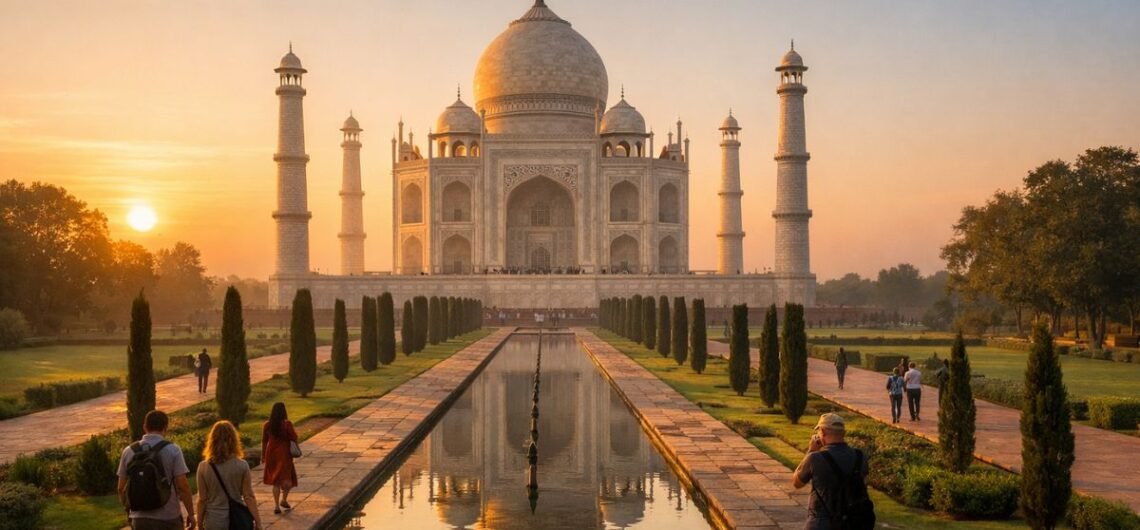
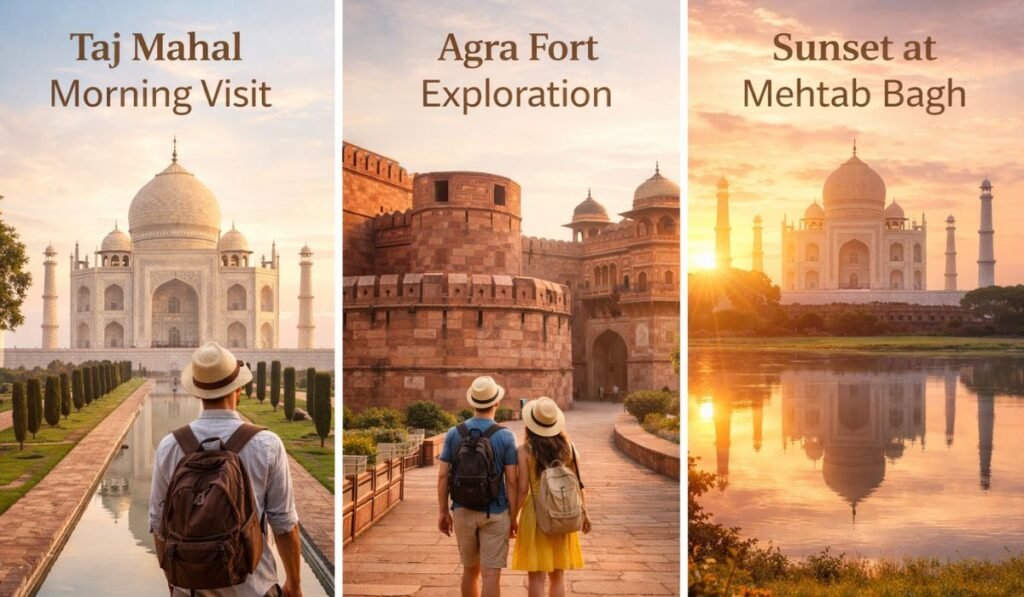
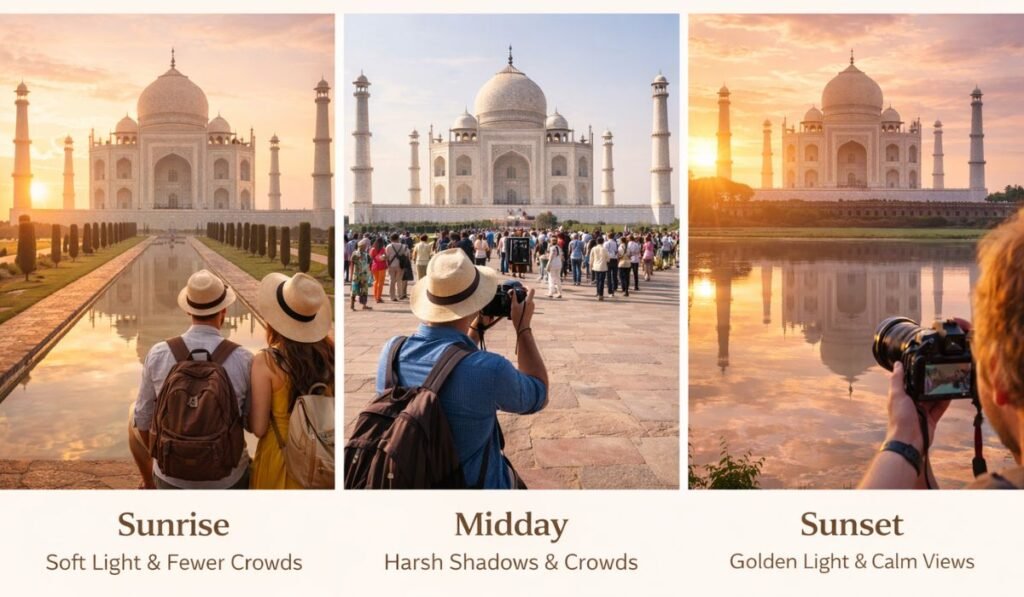
<p>A <a href="https://www.azaantravels.com/tours/sunrise-tour-of-taj-mahal-by-car/">Taj Mahal sunrise tour</a> offers a peaceful and less crowded experience of the monument during the early morning hours. The soft golden light at sunrise enhances the marble’s beauty and provides excellent photography opportunities.</p>
<!-- /wp:paragraph -->
<!-- wp:paragraph -->
<p>This Agra travel package usually includes:</p>
<!-- /wp:paragraph -->
<!-- wp:list -->
<ul class="wp-block-list"><!-- wp:list-item -->
<li>Early morning departure from Delhi<br></li>
<!-- /wp:list-item -->
<!-- wp:list-item -->
<li>Guided Taj Mahal visit at sunrise<br></li>
<!-- /wp:list-item -->
<!-- wp:list-item -->
<li>Breakfast after sightseeing<br></li>
<!-- /wp:list-item -->
<!-- wp:list-item -->
<li>Visit to Agra Fort or Mehtab Bagh<br></li>
<!-- /wp:list-item --></ul>
<!-- /wp:list -->
<!-- wp:paragraph -->
<p>Perfect for those who want to enjoy the monument in a calm and scenic environment.</p>
<!-- /wp:paragraph -->
<!-- wp:heading {"level":3} -->
<h3 class="wp-block-heading" id="h-nbsp-overnight-agra-tour"> Overnight Agra Tour</h3>
<!-- /wp:heading -->
<!-- wp:paragraph -->
<p>If you prefer a relaxed itinerary, an overnight Agra tour allows you to explore the city at a slower pace. This tour generally includes:</p>
<!-- /wp:paragraph -->
<!-- wp:list -->
<ul class="wp-block-list"><!-- wp:list-item -->
<li>Hotel accommodation in Agra<br></li>
<!-- /wp:list-item -->
<!-- wp:list-item -->
<li>Visit to Taj Mahal at sunrise<br></li>
<!-- /wp:list-item -->
<!-- wp:list-item -->
<li>Exploration of Agra Fort<br></li>
<!-- /wp:list-item -->
<!-- wp:list-item -->
<li>Visit to local markets or Mehtab Bagh<br></li>
<!-- /wp:list-item --></ul>
<!-- /wp:list -->
<!-- wp:paragraph -->
<p>An overnight Taj Mahal trip gives you more time to experience Agra’s cultural heritage without rushing.</p>
<!-- /wp:paragraph -->
<!-- wp:heading {"level":3} -->
<h3 class="wp-block-heading" id="h-nbsp-private-taj-mahal-tour"> Private Taj Mahal Tour</h3>
<!-- /wp:heading -->
<!-- wp:paragraph -->
<p>A private Taj Mahal tour is best suited for travelers looking for a personalized and flexible travel experience. It typically includes:</p>
<!-- /wp:paragraph -->
<!-- wp:list -->
<ul class="wp-block-list"><!-- wp:list-item -->
<li>Private AC vehicle<br></li>
<!-- /wp:list-item -->
<!-- wp:list-item -->
<li>Dedicated tour guide<br></li>
<!-- /wp:list-item -->
<!-- wp:list-item -->
<li>Custom sightseeing itinerary<br></li>
<!-- /wp:list-item -->
<!-- wp:list-item -->
<li>Flexible pickup and drop timings<br></li>
<!-- /wp:list-item --></ul>
<!-- /wp:list -->
<!-- wp:paragraph -->
<p>Ideal for families, couples, or small groups seeking comfort and exclusivity during their Agra sightseeing tour.</p>
<!-- /wp:paragraph -->
<!-- wp:heading -->
<h2 class="wp-block-heading" id="h-top-attractions-included-in-taj-mahal-agra-tours">Top Attractions Included in Taj Mahal Agra Tours</h2>
<!-- /wp:heading -->
<!-- wp:paragraph -->
<p>Most professionally organized <strong>Taj Mahal Agra tours</strong> are designed to give travelers a complete sightseeing experience by covering not just the Taj Mahal but also other important historical landmarks in the city. These attractions showcase the rich Mughal heritage and architectural brilliance that make Agra one of the most visited tourist destinations in India.</p>
<!-- /wp:paragraph -->
<!-- wp:paragraph -->
<p>Here are the top places usually included in a Taj Mahal Agra sightseeing tour:</p>
<!-- /wp:paragraph -->
<!-- wp:heading {"level":3} -->
<h3 class="wp-block-heading" id="h-nbsp-taj-mahal"> Taj Mahal</h3>
<!-- /wp:heading -->
<!-- wp:paragraph -->
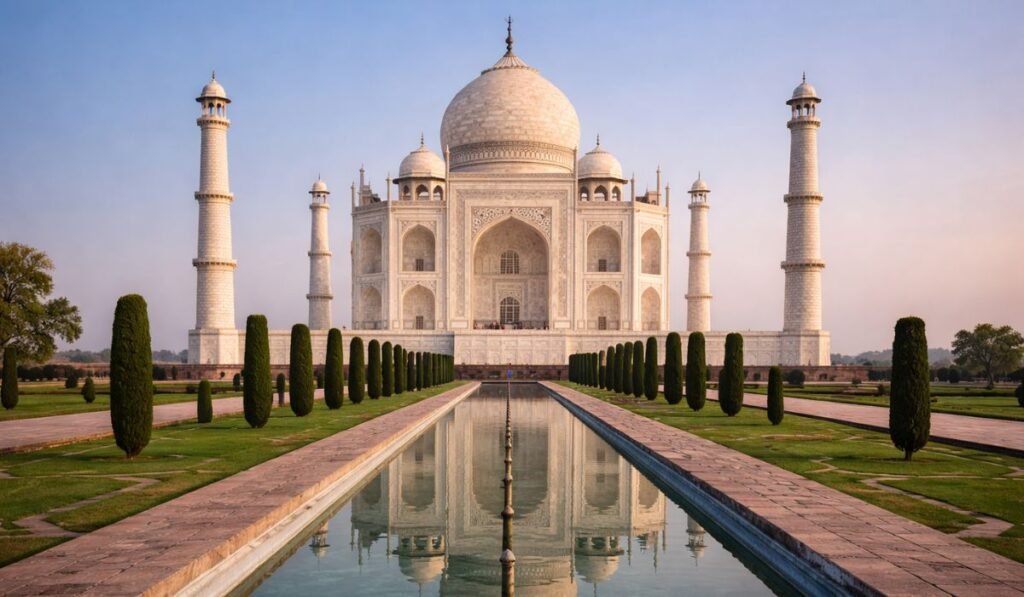
<p>The highlight of every Agra travel package, the Taj Mahal is one of the Seven Wonders of the World and a UNESCO World Heritage Site. Built by Emperor Shah Jahan in memory of his wife Mumtaz Mahal, this white marble monument is known for its intricate carvings, symmetrical design, and timeless beauty.</p>
<!-- /wp:paragraph -->
<!-- wp:heading {"level":3} -->
<h3 class="wp-block-heading" id="h-nbsp-agra-fort"> Agra Fort</h3>
<!-- /wp:heading -->
<!-- wp:paragraph -->
<p>Located just a few kilometers from the Taj Mahal, Agra Fort is another UNESCO-listed monument that offers a glimpse into the royal lifestyle of the Mughal emperors. Its red sandstone walls, grand courtyards, and palace structures make it an important stop in any Agra day tour itinerary.</p>
<!-- /wp:paragraph -->
<!-- wp:heading {"level":3} -->
<h3 class="wp-block-heading" id="h-nbsp-mehtab-bagh"> Mehtab Bagh</h3>
<!-- /wp:heading -->
<!-- wp:paragraph -->
<p>Situated across the Yamuna River, Mehtab Bagh is a popular garden complex that provides a stunning rear view of the Taj Mahal, especially during sunset. It’s an ideal photography spot included in many Taj Mahal guided tours.</p>
<!-- /wp:paragraph -->
<!-- wp:heading {"level":3} -->
<h3 class="wp-block-heading" id="h-nbsp-itmad-ud-daulah-baby-taj"> Itmad-ud-Daulah (Baby Taj)</h3>
<!-- /wp:heading -->
<!-- wp:paragraph -->
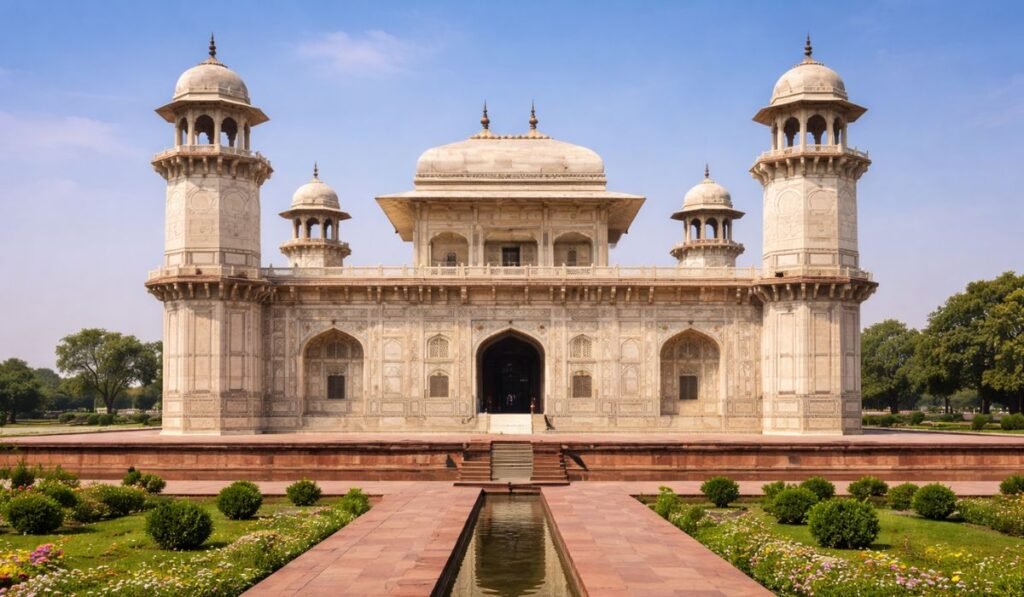
<p>Often referred to as the “Baby Taj,” this elegant marble tomb is known for its delicate inlay work and Persian-style architecture. It is considered a precursor to the <a href="https://en.wikipedia.org/wiki/Taj_Mahal">Taj Mahal</a> and is usually included in private Agra tour packages.</p>
<!-- /wp:paragraph -->
<!-- wp:paragraph -->
<p>Exploring these Mughal monuments in Agra with a guided Taj Mahal tour helps you understand their historical significance while ensuring a well-planned and time-efficient sightseeing experience.</p>
<!-- /wp:paragraph -->
<!-- wp:heading -->
<h2 class="wp-block-heading" id="h-what-is-included-in-a-taj-mahal-agra-tour-package">What is Included in a Taj Mahal Agra Tour Package?</h2>
<!-- /wp:heading -->
<!-- wp:paragraph -->
<p>Booking a professionally organized <a href="https://www.azaantravels.com/agra-tour-packages/"><strong>Agra Tour Packages with Taj Mahale</strong></a> ensures that all essential travel arrangements are taken care of, allowing you to enjoy a hassle-free sightseeing experience. Most Agra tour packages are designed to offer maximum comfort and convenience, especially for first-time visitors traveling from Delhi.</p>
<!-- /wp:paragraph -->
<!-- wp:paragraph -->
<p>Here’s what is typically included in a Taj Mahal travel package:</p>
<!-- /wp:paragraph -->
<!-- wp:heading {"level":3} -->
<h3 class="wp-block-heading" id="h-nbsp-private-ac-vehicle"> Private AC Vehicle</h3>
<!-- /wp:heading -->
<!-- wp:image {"id":2997,"sizeSlug":"large","linkDestination":"none"} -->
<figure class="wp-block-image size-large"><img src="https://www.azaantravels.com/wp-content/uploads/2026/02/Untitled-design-2026-02-24T165547.308-1024x597.jpg" alt="Best Taj Mahal Agra Tours for First-Time Visitors: Complete Travel Guide" class="wp-image-2997"/></figure>
<!-- /wp:image -->
<!-- wp:paragraph -->
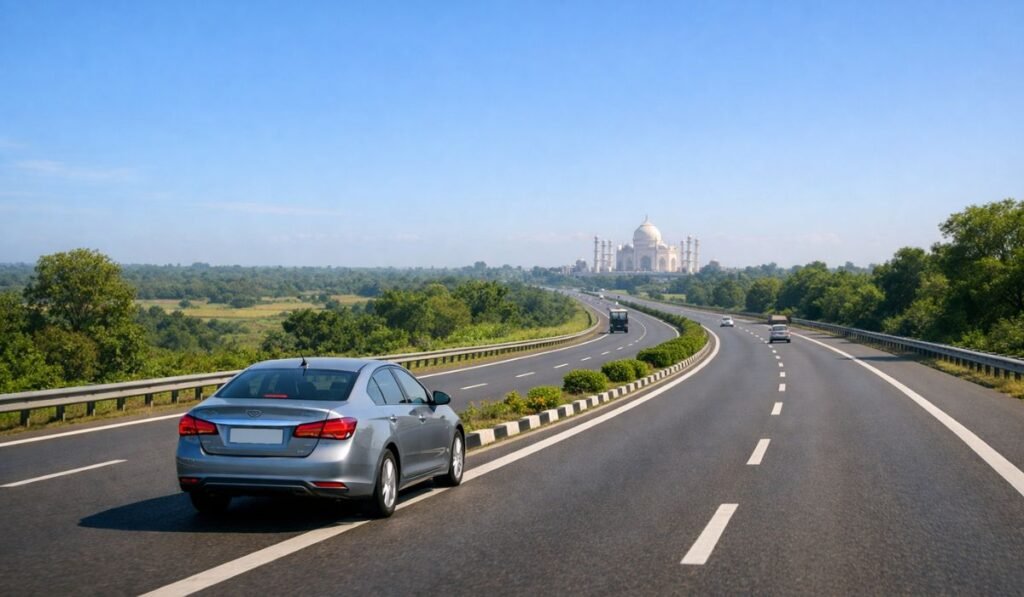
<p>A comfortable air-conditioned car is provided for travel from Delhi to Agra via the Yamuna Expressway. This ensures a smooth and relaxing journey throughout your Taj Mahal day trip.</p>
<!-- /wp:paragraph -->
<!-- wp:heading {"level":3} -->
<h3 class="wp-block-heading" id="h-nbsp-hotel-pickup-amp-drop-off"> Hotel Pickup & Drop-Off</h3>
<!-- /wp:heading -->
<!-- wp:paragraph -->
<p>Many Taj Mahal tour services include door-to-door pickup and drop-off from your hotel or preferred location in Delhi, making the trip convenient and time-saving.</p>
<!-- /wp:paragraph -->
<!-- wp:heading {"level":3} -->
<h3 class="wp-block-heading" id="h-nbsp-professional-local-guide"> Professional Local Guide</h3>
<!-- /wp:heading -->
<!-- wp:paragraph -->
<p>An experienced tour guide accompanies you during your Agra sightseeing tour, explaining the history, architecture, and cultural importance of each monument.</p>
<!-- /wp:paragraph -->
<!-- wp:heading {"level":3} -->
<h3 class="wp-block-heading" id="h-nbsp-monument-entry-assistance"> Monument Entry Assistance</h3>
<!-- /wp:heading -->
<!-- wp:paragraph -->
<p>Some Agra travel packages also include entry ticket assistance for the Taj Mahal and Agra Fort, helping you avoid long queues and delays.</p>
<!-- /wp:paragraph -->
<!-- wp:heading {"level":3} -->
<h3 class="wp-block-heading" id="h-nbsp-lunch-at-a-local-restaurant"> Lunch at a Local Restaurant</h3>
<!-- /wp:heading -->
<!-- wp:paragraph -->
<p>Most same day Taj Mahal tour packages include a lunch break at a well-rated local restaurant in Agra, allowing you to relax before continuing your sightseeing.</p>
<!-- /wp:paragraph -->
<!-- wp:paragraph -->
<p>Choosing a private Taj Mahal tour from Delhi with these inclusions ensures that your travel experience remains comfortable, informative, and stress-free from start to finish.</p>
<!-- /wp:paragraph -->
<!-- wp:heading -->
<h2 class="wp-block-heading" id="h-best-time-to-take-a-taj-mahal-agra-tour">Best Time to Take a Taj Mahal Agra Tour</h2>
<!-- /wp:heading -->
<!-- wp:paragraph -->
<p>Choosing the right time to plan your <strong>Taj Mahal Agra tour</strong> can significantly enhance your overall travel experience. <br>Weather conditions, crowd levels, and lighting all play an important role in how comfortably you can explore the monument and enjoy sightseeing in Agra.</p>
<!-- /wp:paragraph -->
<!-- wp:paragraph -->
<p>Here’s a seasonal breakdown to help you plan your Taj Mahal trip more effectively:</p>
<!-- /wp:paragraph -->
<!-- wp:heading {"level":3} -->
<h3 class="wp-block-heading" id="h-nbsp-winter-season-october-to-march"> Winter Season (October to March)</h3>
<!-- /wp:heading -->
<!-- wp:paragraph -->
<p>This is considered the best time to visit the Taj Mahal due to pleasant weather and comfortable daytime temperatures. Early morning Taj Mahal tours during winter offer clear views and a peaceful environment for sightseeing.</p>
<!-- /wp:paragraph -->
<!-- wp:heading {"level":3} -->
<h3 class="wp-block-heading" id="h-nbsp-summer-season-april-to-june"> Summer Season (April to June)</h3>
<!-- /wp:heading -->
<!-- wp:paragraph -->
<p>Summers in Agra can be quite hot, especially during the afternoon. However, planning a Taj Mahal sunrise tour during this season can help you avoid extreme heat and enjoy a relatively calm visit.</p>
<!-- /wp:paragraph -->
<!-- wp:heading {"level":3} -->
<h3 class="wp-block-heading" id="h-nbsp-monsoon-season-july-to-september"> Monsoon Season (July to September)</h3>
<!-- /wp:heading -->
<!-- wp:paragraph -->
<p>Monsoon brings cloudy skies and occasional rainfall, which can add a dramatic backdrop to your Taj Mahal sightseeing experience. Fewer tourists during this period also mean less crowd at major attractions.</p>
<!-- /wp:paragraph -->
<!-- wp:paragraph -->
<p>For the best Agra travel experience, many visitors prefer booking early morning or sunrise Taj Mahal tours, as the soft natural lighting enhances the monument’s marble beauty and makes sightseeing more enjoyable.</p>
<!-- /wp:paragraph -->
<!-- wp:heading -->
<h2 class="wp-block-heading" id="h-book-the-best-taj-mahal-agra-tour-package-for-a-hassle-free-experience">Book the Best Taj Mahal Agra Tour Package for a Hassle-Free Experience</h2>
<!-- /wp:heading -->
<!-- wp:paragraph -->
<p>Planning your first visit to the Taj Mahal should be exciting — not stressful. From arranging transportation to managing entry tickets and exploring multiple historical attractions in a limited time, organizing everything on your own can sometimes take away from the overall travel experience.</p>
<!-- /wp:paragraph -->
<!-- wp:paragraph -->
<p>This is why choosing a professionally managed <strong>Taj Mahal Agra tour package</strong> is highly recommended for first-time visitors.</p>
<!-- /wp:paragraph -->
<!-- wp:paragraph -->
<p>A well-organized Agra sightseeing tour allows you to:</p>
<!-- /wp:paragraph -->
<!-- wp:list -->
<ul class="wp-block-list"><!-- wp:list-item -->
<li>Travel comfortably from Delhi in a private AC vehicle<br></li>
<!-- /wp:list-item -->
<!-- wp:list-item -->
<li>Explore the Taj Mahal with an experienced local guide<br></li>
<!-- /wp:list-item -->
<!-- wp:list-item -->
<li>Visit major Mughal monuments like Agra Fort and Mehtab Bagh<br></li>
<!-- /wp:list-item -->
<!-- wp:list-item -->
<li>Avoid long queues with monument entry assistance<br></li>
<!-- /wp:list-item -->
<!-- wp:list-item -->
<li>Enjoy a relaxed and time-efficient travel itinerary<br></li>
<!-- /wp:list-item --></ul>
<!-- /wp:list -->
<!-- wp:paragraph -->
<p>Whether you’re looking for a same day Taj Mahal tour from Delhi or a private Agra travel package, selecting the right tour ensures that your journey remains smooth, informative, and memorable from start to finish.</p>
<!-- /wp:paragraph -->
<!-- wp:paragraph -->
<p>If you're planning your trip and want to experience the beauty of the Taj Mahal without worrying about travel logistics, transport arrangements, or guided sightseeing, booking a professionally curated tour package can make your visit truly hassle-free.</p>
<!-- /wp:paragraph -->
<!-- wp:heading -->
<h2 class="wp-block-heading" id="h-faqs">FAQs</h2>
<!-- /wp:heading -->
<!-- wp:heading {"level":3} -->
<h3 class="wp-block-heading" id="h-1-what-is-included-in-a-taj-mahal-agra-tour-package">1. What is included in a Taj Mahal Agra tour package?</h3>
<!-- /wp:heading -->
<!-- wp:paragraph -->
<p>A typical Taj Mahal Agra tour package includes private AC transportation from Delhi, hotel pickup and drop-off, a professional local tour guide, monument entry assistance, and visits to major attractions like the Taj Mahal and Agra Fort.</p>
<!-- /wp:paragraph -->
<!-- wp:heading {"level":3} -->
<h3 class="wp-block-heading" id="h-2-can-i-visit-the-taj-mahal-in-one-day-from-delhi"> 2. Can I visit the Taj Mahal in one day from Delhi?</h3>
<!-- /wp:heading -->
<!-- wp:paragraph -->
<p>Yes, a same day Taj Mahal tour from Delhi is one of the most popular travel options. It allows visitors to explore the Taj Mahal, Agra Fort, and nearby attractions in a single day with comfortable round-trip travel.</p>
<!-- /wp:paragraph -->
<!-- wp:heading {"level":3} -->
<h3 class="wp-block-heading" id="h-3-what-is-the-best-time-to-take-a-taj-mahal-agra-tour"> 3. What is the best time to take a Taj Mahal Agra tour?</h3>
<!-- /wp:heading -->
<!-- wp:paragraph -->
<p>The best time to plan a Taj Mahal Agra tour is between October and March when the weather is pleasant. Sunrise tours are especially recommended for a peaceful experience and better sightseeing conditions.</p>
<!-- /wp:paragraph -->
<!-- wp:heading {"level":3} -->
<h3 class="wp-block-heading" id="h-4-is-a-guided-taj-mahal-tour-worth-it-for-first-time-visitors"> 4. Is a guided Taj Mahal tour worth it for first-time visitors?</h3>
<!-- /wp:heading -->
<!-- wp:paragraph -->
<p>Yes, a guided Taj Mahal tour is highly recommended for first-time visitors as it helps you understand the monument’s history, architecture, and cultural significance while ensuring a smooth and well-organized travel experience.</p>
<!-- /wp:paragraph -->
<!-- wp:heading {"level":3} -->
<h3 class="wp-block-heading" id="h-5-how-much-does-a-taj-mahal-agra-tour-from-delhi-cost"> 5. How much does a Taj Mahal Agra tour from Delhi cost?</h3>
<!-- /wp:heading -->
<!-- wp:paragraph -->
<p>The cost of a Taj Mahal Agra tour from Delhi depends on the type of package you choose, such as same day, private, or overnight tours. Prices may vary based on travel services, guide availability, and included attractions.</p>
<!-- /wp:paragraph -->
If you’re visiting India for the first time, experiencing the beauty of the Taj Mahal is probably at the top of your travel bucket list. Located in the historic city of Agra, the Taj Mahal attracts millions of tourists every year who come to witness its timeless architecture, romantic history, and Mughal-era craftsmanship.
However, planning your visit independently can sometimes feel overwhelming — especially when it comes to managing transportation, entry tickets, local travel, and finding a reliable guide. That’s why many first-time travelers prefer booking professionally organized Taj Mahal Agra tours to enjoy a smooth and comfortable sightseeing experience.
A well-planned Taj Mahal sightseeing tour not only helps you explore the monument without hassle but also allows you to discover other iconic attractions in Agra with the help of a knowledgeable local guide. Whether you’re planning a Taj Mahal trip from Delhi or looking for a complete Agra travel experience, choosing the right tour package can make your journey more convenient, informative, and memorable.
Why Choose a Taj Mahal Agra Tour for Your First Visit?
Visiting the Taj Mahal for the first time is an unforgettable experience — but without proper planning, it can also become tiring and confusing. From arranging transportation to understanding monument entry rules and finding the best time to visit, there are many small details that can affect your overall trip.
This is where booking a professionally organized Taj Mahal Agra tour becomes highly beneficial, especially for first-time travelers.
Here’s why:
Skip-the-Line Access: Guided Taj Mahal tours often help you avoid long waiting queues at the entrance, saving valuable sightseeing time.
Expert Local Guide: A knowledgeable guide enhances your visit by sharing historical facts, architectural insights, and lesser-known stories behind the monument.
Comfortable Travel: Most Agra sightseeing packages include private AC vehicles for a relaxed journey from Delhi to Agra and back.
Time Efficiency: An organized Taj Mahal trip follows a planned itinerary, ensuring you cover all major attractions in a single day without rushing.
Safety & Convenience: From hotel pickup to monument entry assistance, everything is managed for a smooth travel experience.
For anyone planning their first Agra tour, choosing a guided Taj Mahal travel experience ensures you enjoy the monument and nearby attractions without worrying about logistics or local arrangements.
Types of Taj Mahal Agra Tours Available
When planning your first visit, it’s important to choose the right type of Taj Mahal Agra tour based on your schedule, travel style, and comfort preferences. From quick same-day trips to more relaxed overnight stays, there are several Agra tour options designed for different kinds of travelers.
Same Day Taj Mahal Tour
A same day Taj Mahal tour from Delhi is one of the most popular choices among tourists who have limited time but still want to explore Agra’s top attractions. This tour usually includes:
Early morning pickup from Delhi
Comfortable AC travel via Yamuna Expressway
Visit to the Taj Mahal
Agra Fort sightseeing
Lunch at a local restaurant
Return to Delhi by evening
This type of Taj Mahal day trip is ideal for travelers who want to experience Agra in a single day without an overnight stay.
Sunrise Taj Mahal Tour
A Taj Mahal sunrise tour offers a peaceful and less crowded experience of the monument during the early morning hours. The soft golden light at sunrise enhances the marble’s beauty and provides excellent photography opportunities.
This Agra travel package usually includes:
Early morning departure from Delhi
Guided Taj Mahal visit at sunrise
Breakfast after sightseeing
Visit to Agra Fort or Mehtab Bagh
Perfect for those who want to enjoy the monument in a calm and scenic environment.
Overnight Agra Tour
If you prefer a relaxed itinerary, an overnight Agra tour allows you to explore the city at a slower pace. This tour generally includes:
Hotel accommodation in Agra
Visit to Taj Mahal at sunrise
Exploration of Agra Fort
Visit to local markets or Mehtab Bagh
An overnight Taj Mahal trip gives you more time to experience Agra’s cultural heritage without rushing.
Private Taj Mahal Tour
A private Taj Mahal tour is best suited for travelers looking for a personalized and flexible travel experience. It typically includes:
Private AC vehicle
Dedicated tour guide
Custom sightseeing itinerary
Flexible pickup and drop timings
Ideal for families, couples, or small groups seeking comfort and exclusivity during their Agra sightseeing tour.
Top Attractions Included in Taj Mahal Agra Tours
Most professionally organized Taj Mahal Agra tours are designed to give travelers a complete sightseeing experience by covering not just the Taj Mahal but also other important historical landmarks in the city. These attractions showcase the rich Mughal heritage and architectural brilliance that make Agra one of the most visited tourist destinations in India.
Here are the top places usually included in a Taj Mahal Agra sightseeing tour:
Taj Mahal
The highlight of every Agra travel package, the Taj Mahal is one of the Seven Wonders of the World and a UNESCO World Heritage Site. Built by Emperor Shah Jahan in memory of his wife Mumtaz Mahal, this white marble monument is known for its intricate carvings, symmetrical design, and timeless beauty.
Agra Fort
Located just a few kilometers from the Taj Mahal, Agra Fort is another UNESCO-listed monument that offers a glimpse into the royal lifestyle of the Mughal emperors. Its red sandstone walls, grand courtyards, and palace structures make it an important stop in any Agra day tour itinerary.
Mehtab Bagh
Situated across the Yamuna River, Mehtab Bagh is a popular garden complex that provides a stunning rear view of the Taj Mahal, especially during sunset. It’s an ideal photography spot included in many Taj Mahal guided tours.
Itmad-ud-Daulah (Baby Taj)
Often referred to as the “Baby Taj,” this elegant marble tomb is known for its delicate inlay work and Persian-style architecture. It is considered a precursor to the Taj Mahal and is usually included in private Agra tour packages.
Exploring these Mughal monuments in Agra with a guided Taj Mahal tour helps you understand their historical significance while ensuring a well-planned and time-efficient sightseeing experience.
What is Included in a Taj Mahal Agra Tour Package?
Booking a professionally organized Agra Tour Packages with Taj Mahale ensures that all essential travel arrangements are taken care of, allowing you to enjoy a hassle-free sightseeing experience. Most Agra tour packages are designed to offer maximum comfort and convenience, especially for first-time visitors traveling from Delhi.
Here’s what is typically included in a Taj Mahal travel package:
Private AC Vehicle
A comfortable air-conditioned car is provided for travel from Delhi to Agra via the Yamuna Expressway. This ensures a smooth and relaxing journey throughout your Taj Mahal day trip.
Hotel Pickup & Drop-Off
Many Taj Mahal tour services include door-to-door pickup and drop-off from your hotel or preferred location in Delhi, making the trip convenient and time-saving.
Professional Local Guide
An experienced tour guide accompanies you during your Agra sightseeing tour, explaining the history, architecture, and cultural importance of each monument.
Monument Entry Assistance
Some Agra travel packages also include entry ticket assistance for the Taj Mahal and Agra Fort, helping you avoid long queues and delays.
Lunch at a Local Restaurant
Most same day Taj Mahal tour packages include a lunch break at a well-rated local restaurant in Agra, allowing you to relax before continuing your sightseeing.
Choosing a private Taj Mahal tour from Delhi with these inclusions ensures that your travel experience remains comfortable, informative, and stress-free from start to finish.
Best Time to Take a Taj Mahal Agra Tour
Choosing the right time to plan your Taj Mahal Agra tour can significantly enhance your overall travel experience. Weather conditions, crowd levels, and lighting all play an important role in how comfortably you can explore the monument and enjoy sightseeing in Agra.
Here’s a seasonal breakdown to help you plan your Taj Mahal trip more effectively:
Winter Season (October to March)
This is considered the best time to visit the Taj Mahal due to pleasant weather and comfortable daytime temperatures. Early morning Taj Mahal tours during winter offer clear views and a peaceful environment for sightseeing.
Summer Season (April to June)
Summers in Agra can be quite hot, especially during the afternoon. However, planning a Taj Mahal sunrise tour during this season can help you avoid extreme heat and enjoy a relatively calm visit.
Monsoon Season (July to September)
Monsoon brings cloudy skies and occasional rainfall, which can add a dramatic backdrop to your Taj Mahal sightseeing experience. Fewer tourists during this period also mean less crowd at major attractions.
For the best Agra travel experience, many visitors prefer booking early morning or sunrise Taj Mahal tours, as the soft natural lighting enhances the monument’s marble beauty and makes sightseeing more enjoyable.
Book the Best Taj Mahal Agra Tour Package for a Hassle-Free Experience
Planning your first visit to the Taj Mahal should be exciting — not stressful. From arranging transportation to managing entry tickets and exploring multiple historical attractions in a limited time, organizing everything on your own can sometimes take away from the overall travel experience.
This is why choosing a professionally managed Taj Mahal Agra tour package is highly recommended for first-time visitors.
A well-organized Agra sightseeing tour allows you to:
Travel comfortably from Delhi in a private AC vehicle
Explore the Taj Mahal with an experienced local guide
Visit major Mughal monuments like Agra Fort and Mehtab Bagh
Avoid long queues with monument entry assistance
Enjoy a relaxed and time-efficient travel itinerary
Whether you’re looking for a same day Taj Mahal tour from Delhi or a private Agra travel package, selecting the right tour ensures that your journey remains smooth, informative, and memorable from start to finish.
If you’re planning your trip and want to experience the beauty of the Taj Mahal without worrying about travel logistics, transport arrangements, or guided sightseeing, booking a professionally curated tour package can make your visit truly hassle-free.
FAQs
1. What is included in a Taj Mahal Agra tour package?
A typical Taj Mahal Agra tour package includes private AC transportation from Delhi, hotel pickup and drop-off, a professional local tour guide, monument entry assistance, and visits to major attractions like the Taj Mahal and Agra Fort.
2. Can I visit the Taj Mahal in one day from Delhi?
Yes, a same day Taj Mahal tour from Delhi is one of the most popular travel options. It allows visitors to explore the Taj Mahal, Agra Fort, and nearby attractions in a single day with comfortable round-trip travel.
3. What is the best time to take a Taj Mahal Agra tour?
The best time to plan a Taj Mahal Agra tour is between October and March when the weather is pleasant. Sunrise tours are especially recommended for a peaceful experience and better sightseeing conditions.
4. Is a guided Taj Mahal tour worth it for first-time visitors?
Yes, a guided Taj Mahal tour is highly recommended for first-time visitors as it helps you understand the monument’s history, architecture, and cultural significance while ensuring a smooth and well-organized travel experience.
5. How much does a Taj Mahal Agra tour from Delhi cost?
The cost of a Taj Mahal Agra tour from Delhi depends on the type of package you choose, such as same day, private, or overnight tours. Prices may vary based on travel services, guide availability, and included attractions.
<!-- wp:paragraph -->
<p>Watching your children’s eyes light up in front of the Taj Mahal is a moment you’ll cherish forever. The Golden Triangle – <a href="https://www.azaantravels.com/tours/golden-triangle-agra-delhi-jaipur/">Delhi, Agra, and Jaipur</a> – offers exactly that kind of magic for families. This famous trio of cities blends history, culture, and entertainment in a compact circuit. From the marble wonder of the <strong>Taj Mahal</strong> in Agra (the ultimate symbol of love) to the pink palaces of Jaipur and the bustling monuments of Delhi, there’s something to captivate every generation. <strong>Azaan Travels</strong> curates these experiences into a smooth journey, easing logistics so parents can focus on making memories. The region’s top heritage sites are highly accessible: it’s known as India’s most family-friendly circuit, with manageable distances, good tourist infrastructure, and attractions that “captivate both children and adults”. Whether it’s riding an elephant up Amber Fort, riding a rickshaw in Old Delhi, or watching the sunset over historic lakes, every day is an adventure that’s educational yet fun.</p>
<!-- /wp:paragraph -->
<!-- wp:paragraph -->
<p>Historically rich yet welcoming to visitors, the Golden Triangle offers a gentle introduction to India’s culture. Delhi’s monuments like Qutub Minar and the Red Fort stand as “enduring symbols of India’s rich cultural and architectural legacy”, while Agra’s Taj Mahal and Agra Fort bring Mughal history to life. Jaipur’s royal palaces and observatories (like Jantar Mantar) showcase Rajasthan’s grandeur. All three cities accommodate families well: attractions are safe and well-maintained, and children under 15 typically enter free to the monuments. In short, a Golden Triangle family tour satisfies curious minds and fun-loving hearts alike – and with <strong>Azaan Travels</strong> guiding the way, your trip will be comfortable, exciting, and designed just for your family.</p>
<!-- /wp:paragraph -->
<!-- wp:heading -->
<h2 class="wp-block-heading" id="h-why-golden-triangle-is-the-perfect-family-tour-in-india"><strong>Why Golden Triangle Is the Perfect Family Tour in India</strong></h2>
<!-- /wp:heading -->
<!-- wp:paragraph -->
<p>The Golden Triangle combines <strong>world-class heritage</strong> with <strong>kid-friendly adventure</strong>. In Delhi, Agra, and Jaipur you’ll find multiple UNESCO World Heritage sites within easy reach of each other. This means your children get to see iconic landmarks like the Taj Mahal, Qutub Minar, and Amber Fort – all in one trip – without long, arduous travel between them. The travel distances are very manageable (Delhi to Agra is about 3½–4 hours by car, and Agra to Jaipur about 4–5 hours), allowing for relaxed pacing. In fact, experienced planners recommend spreading the 720-kilometer circuit over 6–8 days so kids have time to rest between sights.</p>
<!-- /wp:paragraph -->
<!-- wp:paragraph -->
<p>Each city offers variety: Delhi’s busy bazaars, gardens and interactive museums; Agra’s Mughal gardens and fort; and Jaipur’s colorful markets and royal palaces. Many attractions come alive for kids – for example, storytelling guides at ancient monuments, astronomy demonstrations at Jantar Mantar, elephant rides at Amber Fort, or fun rickshaw tours in Old Delhi turn sightseeing into interactive education. The Golden Triangle is also one of India’s safest regions for tourists. Major sites have security screening and clean facilities, and private drivers ensure comfortable, secure travel. It’s no wonder “millions of families visit annually,” making it a “reliably safe tourist circuit for international travelers with children”.</p>
<!-- /wp:paragraph -->
<!-- wp:paragraph -->
<p>Choosing Azaan Travels’ Golden Triangle package means experienced guides and local insights at every stop. They can highlight interactive experiences (like child-friendly anecdotes at the Taj or science stories at Delhi’s observatories) that keep youngsters engaged. In short, the Golden Triangle delivers heritage and fun in equal measure – making it an ideal <strong>cultural family tour in India</strong>.</p>
<!-- /wp:paragraph -->
<!-- wp:heading -->
<h2 class="wp-block-heading" id="h-delhi-sightseeing-the-perfect-start-to-your-family-trip"><strong>Delhi Sightseeing – The Perfect Start to Your Family Trip</strong></h2>
<!-- /wp:heading -->
<!-- wp:image {"id":2986,"sizeSlug":"large","linkDestination":"none"} -->
<figure class="wp-block-image size-large"><img src="https://www.azaantravels.com/wp-content/uploads/2026/02/Untitled-design-2026-02-16T141933.883-1024x597.jpg" alt="Golden Triangle Family Tour Package – Delhi Agra Jaipur Trip with Taj Mahal" class="wp-image-2986"/></figure>
<!-- /wp:image -->
<!-- wp:paragraph -->
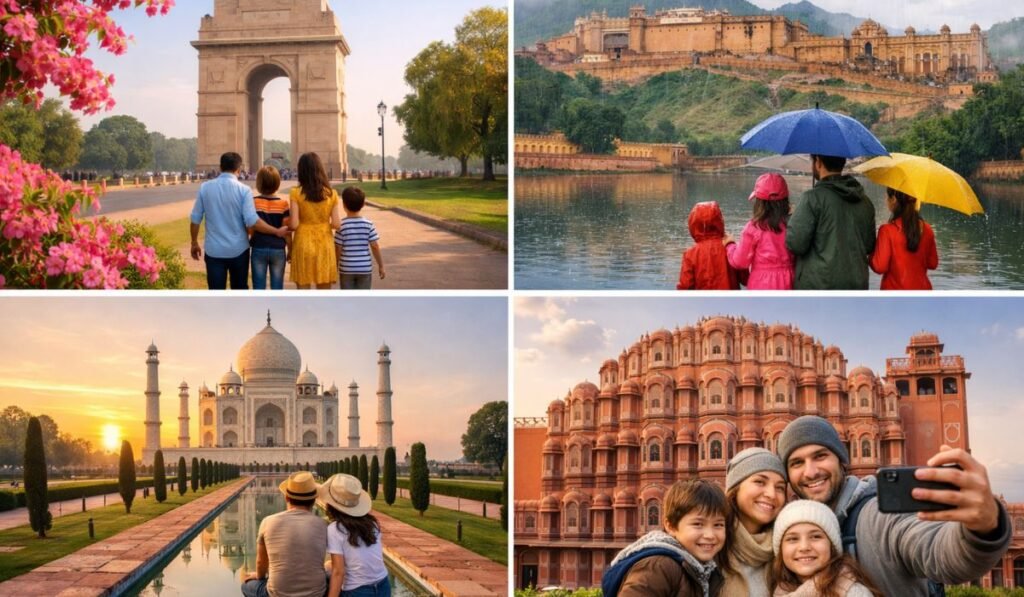
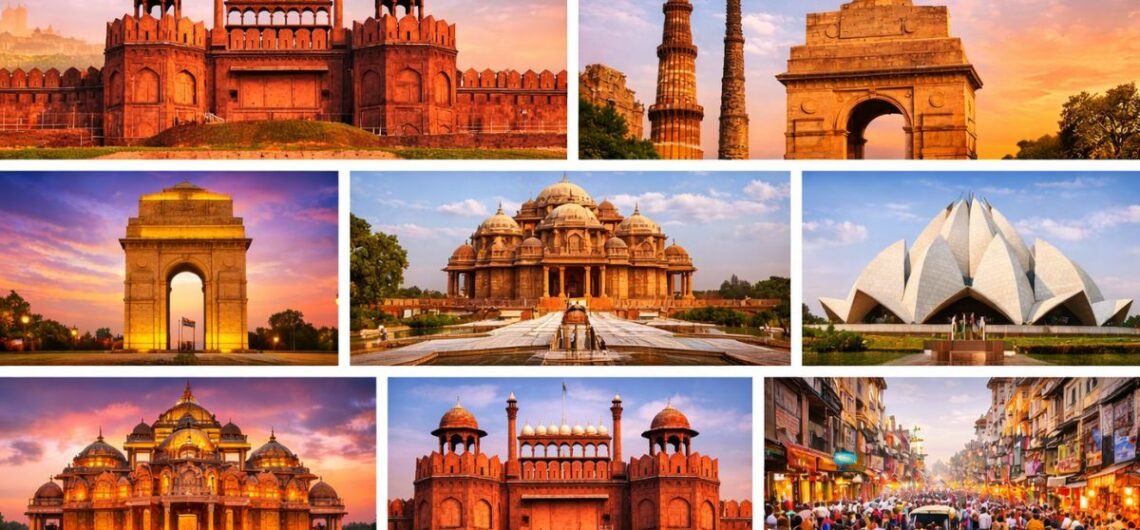
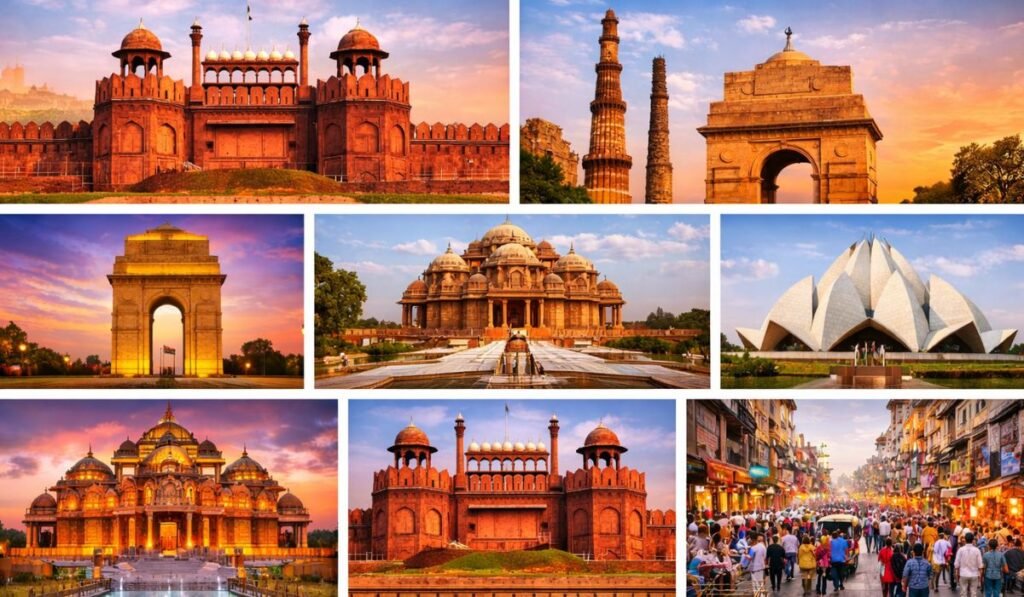
<p>Your Golden Triangle adventure typically begins in Delhi, India’s bustling capital. Delhi impresses with a mix of centuries-old monuments and modern life, providing a fascinating introduction for children and adults alike. The city <strong>boasts three UNESCO World Heritage sites</strong> – the Qutub Minar, the Red Fort, and Humayun’s Tomb – each telling a story of India’s past empires. Imagine kids marveling at Qutub Minar’s soaring minaret, or running around the gardens of Humayun’s Tomb. Azaan Travels’ Delhi tour packages will typically include these sites, along with visits to India Gate, Lotus Temple, or the lively markets of Chandni Chowk, all with knowledgeable guides.</p>
<!-- /wp:paragraph -->
<!-- wp:paragraph -->
<p>Delhi also offers <strong>interactive museums and activities</strong> that children enjoy. The National Science Center has hands-on exhibits, the Rail Museum delights train-loving kids, and at Jantar Mantar (the historic observatory) curious families can see giant sundials and instruments – a fun math and science lesson under the sky. According to travel experts, “astronomy demonstrations at Jantar Mantar” and old-fashioned rickshaw rides in Old Delhi “transform monument visits from passive viewing into engaging educational adventures”. Every day in Delhi mixes excitement and learning. When the little ones get tired, Azaan’s guides suggest parks like Lodhi Gardens or hotel pools for a break. By evening, families often enjoy a meal at an atmospheric local restaurant, savoring Indian delicacies as kids sample treats like freshly made paratha or sweet jalebi.</p>
<!-- /wp:paragraph -->
<!-- wp:paragraph -->
<p>Overall, Delhi sets a lively tone for the journey. It’s easy to see <a href="https://www.azaantravels.com/delhi-tour-packages/"><strong>Delhi sightseeing as a fun family outing</strong></a> — with prehistoric ruins, colorful markets, and even puppet shows. With Azaan Travels handling the logistics, your family can hop from site to site in an air-conditioned car, stopping whenever the kids need a snack or photo break. This smooth start gets everyone excited for the road ahead through Agra and Jaipur.</p>
<!-- /wp:paragraph -->
<!-- wp:heading -->
<h2 class="wp-block-heading" id="h-agra-family-tour-experiencing-the-taj-mahal-together"><strong>Agra Family Tour – Experiencing the Taj Mahal Together</strong></h2>
<!-- /wp:heading -->
<!-- wp:paragraph -->
<p>Next, the family travels southeast to Agra – home of the iconic <strong>Taj Mahal</strong>. This white-marble marvel is the highlight for many: “built by Emperor Shah Jahan in memory of his wife Mumtaz Mahal,” it’s a “timeless symbol of love and one of the Seven Wonders of the World”. Imagine sharing sunrise at the Taj as the soft morning light bathes the monument, creating a golden-pink glow. Families who visit early enjoy cooler weather and smaller crowds. In fact, the Taj opens about 30 minutes before sunrise, and that peaceful early-morning visit is a favorite because “children appreciate the magical lighting,” while parents can admire the beautiful inlay work up close.</p>
<!-- /wp:paragraph -->
<!-- wp:paragraph -->
<p>Azaan Travels’ <a href="https://www.azaantravels.com/agra-tour-packages/"><strong>Agra tour packages</strong></a> take care of all the details so you experience the Taj at its best. English-speaking guides share the enchanting love story behind the monument, point out hidden optical illusions in the marble, and let kids learn about Mughal architecture through fun facts. Kids under 15 enjoy free entry to the Taj Mahal and other Agra monuments, so the family can enter worry-free.</p>
<!-- /wp:paragraph -->
<!-- wp:paragraph -->
<p>Beyond the Taj, Agra has more to keep a family busy. The massive <strong>Agra Fort</strong> – a UNESCO site itself – offers wide ramparts to run along and a small museum inside. Children often love feeding the birds in the gardens of Mehtab Bagh, which also gives a postcard-perfect view of the Taj across the Yamuna River. Shopping in Agra can be a hit too: the city’s famous sweet, Agra petha (candied ash gourd), and colorful marble crafts make great kid-friendly souvenirs. In the evening, a puppet show or a cultural performance in the hotel may cap off a full day.</p>
<!-- /wp:paragraph -->
<!-- wp:paragraph -->
<p>All in all, the Agra leg of the trip is a memorable cultural immersion. With <strong>Azaan Travels</strong> coordinating, your family can enjoy a comfortable stay (often in air-conditioned hotels with family rooms) and hassle-free sightseeing. The result? Shared moments of wonder at one of India’s greatest monuments – memories the whole family will treasure.</p>
<!-- /wp:paragraph -->
<!-- wp:heading -->
<h2 class="wp-block-heading" id="h-jaipur-royal-experience-for-the-whole-family"><strong>Jaipur – Royal Experience for the Whole Family</strong></h2>
<!-- /wp:heading -->
<!-- wp:paragraph -->
<p>Finally, the tour leads to Jaipur, Rajasthan’s famous “Pink City.” Jaipur feels like a living museum of royal India, and families love its grandeur and color. The star attraction is <strong>Amber Fort</strong> (part of the Hill Forts UNESCO listing). Here, little ones can ride atop gentle elephants or in a jeep up the fort’s ramps – an adventure in itself. Experts note that “elephant rides at Amber Fort” are a top way to make history fun for kids. Once at the fort, climb the ramparts and wander the mirror-palace halls; older kids and teens often enjoy seeing how royalty once lived. In the evening, some hotels offer traditional puppet shows or Rajasthani dance performances, which delight kids with music and costumes.</p>
<!-- /wp:paragraph -->
<!-- wp:paragraph -->
<p>Back in town, the <strong>City Palace</strong> and its museums showcase royal attire and artifacts. The nearby <strong>Hawa Mahal</strong> (Palace of Winds) is an Instagram favorite with its pink façade of latticed windows – kids love peeking through the honeycomb “balconies” that allowed princesses to observe street festivals. Don’t miss <strong>Jantar Mantar</strong> (another UNESCO site): it’s an 18th-century open-air observatory filled with giant sundials and astrolabes. These huge geometric instruments look like alien playground equipment, making science surprisingly exciting for young visitors. (Jaipur’s Jantar Mantar “embodies architectural and instrumental innovations” – perfect for curious minds.)</p>
<!-- /wp:paragraph -->
<!-- wp:paragraph -->
<p>Between sites, Jaipur’s bustling bazaars offer colorful bangles, block-printed fabrics, and spicy street snacks like “kachori” (savory pastries) for tasting. Parents will enjoy bargaining in the markets, while kids marvel at street performers or the sight of camels and carts. Throughout Jaipur, <strong>Azaan Travels</strong> ensures your family’s itinerary is paced just right – balancing sightseeing with fun downtime.</p>
<!-- /wp:paragraph -->
<!-- wp:paragraph -->
<p>In summary, Jaipur rounds out the Golden Triangle with royal splendor. The mix of forts, palaces, and markets keeps children engaged, and there are plenty of safe, family-friendly hotels and activities. With Azaan’s local guides explaining myths of Maharajas or counting the 27 lunar mansions at Jantar Mantar, the city’s history becomes an interactive story for the whole family.</p>
<!-- /wp:paragraph -->
<!-- wp:heading -->
<h2 class="wp-block-heading" id="h-suggested-5-day-golden-triangle-family-tour-itinerary"><strong>Suggested 5-Day Golden Triangle Family Tour Itinerary</strong></h2>
<!-- /wp:heading -->
<!-- wp:list -->
<ul class="wp-block-list"><!-- wp:list-item -->
<li><strong>Day 1 – Delhi:</strong> Arrive in Delhi and start with Old Delhi’s highlights. Visit the <strong>Red Fort</strong> (UNESCO World Heritage site), where kids can explore the ramparts and gardens, and see the historic Lahori Gate. Then enjoy a rickshaw ride through bustling Chandni Chowk bazaar – a thrilling ride past colorful stalls. In the afternoon, head to Humayun’s Tomb (UNESCO) and then see India Gate and the Presidential Palace on a drive through New Delhi. <em>Overnight in Delhi.</em><em><br></em></li>
<!-- /wp:list-item -->
<!-- wp:list-item -->
<li><strong>Day 2 – Delhi to Agra:</strong> Spend the morning at <strong><a href="https://en.wikipedia.org/wiki/Qutb_Minar">Qutub Minar</a></strong> (UNESCO) and the nearby Qutub complex; children love the tall minaret and the ancient iron pillar. After lunch, drive to Agra (about 3.5–4 hours) via the modern expressway. Check into your Agra hotel. <em>Optional evening:</em> relax in the hotel or visit the <strong>Mehtab Bagh</strong> garden for a sunset view of the Taj Mahal across the river.<br></li>
<!-- /wp:list-item -->
<!-- wp:list-item -->
<li><strong>Day 3 – Agra (Taj Mahal) to Jaipur:</strong> Wake up before dawn to visit the <strong>Taj Mahal at sunrise</strong> (arriving around opening time at 6:00 AM). The early light and cool air make the experience magical and more comfortable for kids. After exploring the gardens and marble mausoleum (kids under 15 enter free), return to the hotel for breakfast. Later, tour the red sandstone <strong>Agra Fort</strong> and its museum. In the afternoon, drive from Agra to Jaipur (about 4–5 hours, with an optional stop at Fatehpur Sikri). Enjoy the countryside along the way. <em>Overnight in Jaipur.</em><em><br></em></li>
<!-- /wp:list-item -->
<!-- wp:list-item -->
<li><strong>Day 4 – Jaipur (Amer Fort and City Palace):</strong> Start at <strong>Amer (Amber) Fort</strong>, situated just outside Jaipur. Take an elephant ride or jeep up to the fort entrance (a thrilling experience for children). Tour the ornate palaces and halls inside, and let kids marvel at the mirrored ceiling. In the afternoon return to Jaipur city and visit the <strong>City Palace</strong> complex – see the Royal Museum, and enjoy the gardens. End the day at the <strong>Hawa Mahal</strong> (Palace of Winds) for a family photo. <em>Evening:</em> optional sound-and-light show at Amber Fort or leisure time at the hotel.<br></li>
<!-- /wp:list-item -->
<!-- wp:list-item -->
<li><strong>Day 5 – Jaipur (Jantar Mantar and markets) and Departure:</strong> Visit the <strong>Jantar Mantar</strong> observatory with its giant stone instruments – kids are often fascinated by the way these ancient tools predict time and seasons. Then stroll through the lively bazaars near Hawa Mahal, where you can shop for souvenirs like block prints and toys. If time allows, stop at <strong>Albert Hall Museum</strong> or relax at the hotel. Depart Jaipur in the evening or take a flight/home transfer.<br></li>
<!-- /wp:list-item --></ul>
<!-- /wp:list -->
<!-- wp:paragraph -->
<p>This <strong>5-day family-friendly itinerary</strong> provides a comfortable, well-paced tour. It allows two days in Delhi (to absorb the capital’s monuments and culture) and one day in Agra (for the Taj Mahal at sunrise and Agra Fort), before giving Jaipur two full days to soak in Rajasthan’s heritage. It’s modeled on expert advice that recommends not rushing: families “face choices about balancing ambitious sightseeing against children’s endurance limits,” so building in rest and flexibility is key.</p>
<!-- /wp:paragraph -->
<!-- wp:heading -->
<h2 class="wp-block-heading" id="h-what-s-included-in-a-golden-triangle-family-tour-package"><strong>What’s Included in a Golden Triangle Family Tour Package</strong></h2>
<!-- /wp:heading -->
<!-- wp:paragraph -->
<p>Most Golden Triangle family packages are <strong>all-inclusive</strong>, minimizing stress so you can focus on fun. Typically, the package includes:</p>
<!-- /wp:paragraph -->
<!-- wp:heading {"level":3} -->
<h3 class="wp-block-heading" id="h-private-transportation"><strong>Private Transportation</strong></h3>
<!-- /wp:heading -->
<!-- wp:paragraph -->
<p>An air‑conditioned car (sedan or larger vehicle) with an experienced driver for the entire trip. (This door-to-door service lets you travel at your own pace, with breaks whenever the kids need them.</p>
<!-- /wp:paragraph -->
<!-- wp:heading {"level":3} -->
<h3 class="wp-block-heading" id="h-accommodation"><strong>Accommodation</strong></h3>
<!-- /wp:heading -->
<!-- wp:paragraph -->
<p>Hotel stays (usually 3★ or 4★) with family or adjoining rooms. Many packages include daily breakfast. Upgrades to higher-grade hotels or even heritage palace hotels are often available.</p>
<!-- /wp:paragraph -->
<!-- wp:heading {"level":3} -->
<h3 class="wp-block-heading" id="h-guided-sightseeing"><strong>Guided Sightseeing</strong></h3>
<!-- /wp:heading -->
<!-- wp:paragraph -->
<p>English-speaking, licensed guides in each city explain the history and entertain the family at monuments. These guides are trained to keep children engaged with stories and fun facts.</p>
<!-- /wp:paragraph -->
<!-- wp:heading {"level":3} -->
<h3 class="wp-block-heading" id="h-entrance-fees-and-activities"><strong>Entrance Fees and Activities</strong></h3>
<!-- /wp:heading -->
<!-- wp:paragraph -->
<p>All monument entry tickets are covered (remember: children under 15 generally enter free). Optional extras – like an elephant ride at Amber Fort or a rickshaw ride in Old Delhi – can be arranged.</p>
<!-- /wp:paragraph -->
<!-- wp:heading {"level":3} -->
<h3 class="wp-block-heading" id="h-meals"><strong>Meals</strong></h3>
<!-- /wp:heading -->
<!-- wp:paragraph -->
<p>Some packages include select meals (often welcome lunches or dinners), and can arrange family-friendly restaurant recommendations. Bottled water is typically provided in the car.</p>
<!-- /wp:paragraph -->
<!-- wp:heading {"level":3} -->
<h3 class="wp-block-heading" id="h-taxes-and-fees"><strong>Taxes and Fees</strong></h3>
<!-- /wp:heading -->
<!-- wp:paragraph -->
<p>Government taxes, tolls, and service charges are usually included.<br></p>
<!-- /wp:paragraph -->
<!-- wp:paragraph -->
<p>As one travel operator notes, “Your Golden Triangle tour includes a private AC vehicle and personal guides” and even mention “luxuriate at upscale hotels” in Agra. Azaan Travels’ packages similarly bundle all necessities. In fact, experienced planners point out that standard Agra tour packages (and by extension Golden Triangle tours) include comfortable transport, monument tickets, a tour guide, a pre-planned itinerary, and hotel transfers. This means you can relax: pick-up at the airport, a full itinerary with minor hassle, and drop-off at your next destination or final flight.</p>
<!-- /wp:paragraph -->
<!-- wp:paragraph -->
<p>Additional perks for families may include a complimentary child seat in the car, kids’ amenities at hotels (like an extra bed or cot), and the opportunity to add special requests (such as age-appropriate guides or leisure activities). All in all, a well-crafted Golden Triangle family package provides <strong>everything you need</strong> – from transportation and hotels to sightseeing and meals – so that parents can simply enjoy the trip and create lifetime memories.</p>
<!-- /wp:paragraph -->
<!-- wp:heading -->
<h2 class="wp-block-heading" id="h-best-time-to-plan-your-golden-triangle-family-trip"><strong>Best Time to Plan Your Golden Triangle Family Trip</strong></h2>
<!-- /wp:heading -->
<!-- wp:image {"id":2985,"sizeSlug":"large","linkDestination":"none"} -->
<figure class="wp-block-image size-large"><img src="https://www.azaantravels.com/wp-content/uploads/2026/02/Untitled-design-2026-02-16T143038.980-1024x597.jpg" alt="Golden Triangle Family Tour Package – Delhi Agra Jaipur Trip with Taj Mahal" class="wp-image-2985"/></figure>
<!-- /wp:image -->
<!-- wp:paragraph -->
<p>India’s seasons play a big role in planning. For a family tour, the <strong>cooler months (October through March)</strong> are ideal. During these months, daytime temperatures are comfortable (around 20–28°C in winter) which allows kids to enjoy outdoor sightseeing without tiring quickly. In particular, November through February offer clear skies and pleasant weather. October and March can also work (they’re slightly warmer but have fewer crowds).</p>
<!-- /wp:paragraph -->
<!-- wp:paragraph -->
<p>Avoid the <strong>summer months (April–June)</strong> in North India, because temperatures can soar above 40°C in cities like Agra and Jaipur, making outdoor visits exhausting for children. Similarly, the <strong>monsoon season (July–September)</strong> brings heavy rains and unpredictable weather that can disrupt travel, although some families enjoy the lush green scenery at this time. In short, winter and shoulder seasons are best. Many families even time their Golden Triangle trip to coincide with school holidays in winter or spring, when the weather is forgiving. Planning ahead for these times means clear, cool mornings at the Taj Mahal or empty forts for playful exploration, ensuring your kids remember the trip fondly – not as a sweaty trek but as an enchanting adventure.</p>
<!-- /wp:paragraph -->
<!-- wp:heading -->
<h2 class="wp-block-heading" id="h-why-choose-a-private-golden-triangle-family-tour-package"><strong>Why Choose a Private Golden Triangle Family Tour Package?</strong></h2>
<!-- /wp:heading -->
<!-- wp:paragraph -->
<p>A private tour is perfect for families. It means <strong>full flexibility and privacy</strong>, without the pressure of rigid schedules or strangers. With a private package, your car and driver are dedicated to your family alone. You can stop for breaks whenever your child needs a rest or snack – no waiting for a group bus. The English-speaking driver and guides can adjust the day’s pace to your kids’ energy levels, making the trip truly family-friendly.</p>
<!-- /wp:paragraph -->
<!-- wp:paragraph -->
<p>Private transportation also means comfort and safety. Experts agree that “private car with driver represents the most family-friendly transportation option” for the Golden Triangle. You’ll travel in an air‑conditioned vehicle, with room to stretch and luggage space for strollers or extra baggage. Drivers from trusted companies like Azaan are vetted professionals who know the best child-friendly stops (restrooms, clean restaurants, etc.) along the route. During the drive, you can play music your kids enjoy, point out little sights along the way, or simply relax – something you’d miss in a crowded coach.</p>
<!-- /wp:paragraph -->
<!-- wp:paragraph -->
<p>Another benefit is <strong>personalized attention</strong>. Tour guides on a private package are focused on your family. They can incorporate games (like scavenger hunts at monuments), answer children’s questions at their level, and even show the tiny details that group tours often overlook. In a private setting, if grandparents need a slower pace while teens want more excitement, the guide can split time or find compromises. This makes the trip as enjoyable for age 5 and age 50.Finally, booking a private family tour through a reliable company like Azaan Travels brings peace of mind. You get 24/7 support, so if plans change or anyone feels unwell, the company can adjust hotels or activities on short notice. In short, a private Golden Triangle tour is <strong>safe, comfortable, and tailored</strong> to your family’s needs – allowing you to relax and soak in every moment.</p>
<!-- /wp:paragraph -->
<!-- wp:heading -->
<h2 class="wp-block-heading" id="h-final-thoughts-create-lifetime-memories"><strong>Final Thoughts – Create Lifetime Memories</strong></h2>
<!-- /wp:heading -->
<!-- wp:paragraph -->
<p>A Golden Triangle family tour is more than a vacation; it’s a chance to spark your children’s curiosity and create shared memories that last a lifetime. By experiencing India’s rich heritage together – watching the Taj Mahal glow at sunrise, counting astronomical shadows at Jaipur’s observatory, or tasting spices in an old Delhi market – your family weaves its own story of wonder. With <strong>Azaan Travels</strong>’ gentle guidance, every detail is taken care of, so your family can focus on adventure and bonding. These five days together exploring Delhi’s history, Agra’s romance, and Jaipur’s royals will bring laughter, learning, and those “I’ll never forget that” moments. <a href="https://www.azaantravels.com/golden-triangle-tour-packages/"><strong>Plan your Golden Triangle family tour now</strong></a> and look forward to years of photos and stories about this unforgettable Indian journey.</p>
<!-- /wp:paragraph -->
<!-- wp:heading -->
<h2 class="wp-block-heading" id="h-golden-triangle-family-trip-faqs"><strong>Golden Triangle Family Trip – FAQs</strong></h2>
<!-- /wp:heading -->
<!-- wp:yoast/faq-block {"questions":[{"id":"faq-question-1771235553060","question":[{"type":"strong","props":{"children":["Is the Golden Triangle safe for families with young children?"]}}],"answer":["Yes. Delhi, Agra, and Jaipur are among India’s most tourist-friendly regions with strong infrastructure and security at major monuments. Families usually face no issues beyond normal city traffic. Keep children close near busy streets, use bottled water, and book reputable hotels and transport for a smooth experience."],"jsonQuestion":"\u003cstrong\u003eIs the Golden Triangle safe for families with young children?\u003c/strong\u003e","jsonAnswer":"Yes. Delhi, Agra, and Jaipur are among India’s most tourist-friendly regions with strong infrastructure and security at major monuments. Families usually face no issues beyond normal city traffic. Keep children close near busy streets, use bottled water, and book reputable hotels and transport for a smooth experience."},{"id":"faq-question-1771235598376","question":[{"type":"strong","props":{"children":["Are children free to enter monuments in India?"]}}],"answer":["Yes. Children under 15 years generally enter major national monuments free of charge, including the Taj Mahal, Red Fort, and Amer Fort. Parents may need to show a passport or birth certificate for age verification at ticket counters."],"jsonQuestion":"\u003cstrong\u003eAre children free to enter monuments in India?\u003c/strong\u003e","jsonAnswer":"Yes. Children under 15 years generally enter major national monuments free of charge, including the Taj Mahal, Red Fort, and Amer Fort. Parents may need to show a passport or birth certificate for age verification at ticket counters."},{"id":"faq-question-1771235602388","question":[{"type":"strong","props":{"children":["How can families manage India’s heat and crowds?"]}}],"answer":["Start sightseeing early, ideally at 6:00–6:30 AM when it’s cooler and less crowded. Plan hotel breaks between 11 AM and 4 PM during hot months. Carry refillable water bottles, apply sunscreen regularly, and dress children in breathable cotton clothing. Use shaded garden areas for rest."],"jsonQuestion":"\u003cstrong\u003eHow can families manage India’s heat and crowds?\u003c/strong\u003e","jsonAnswer":"Start sightseeing early, ideally at 6:00–6:30 AM when it’s cooler and less crowded. Plan hotel breaks between 11 AM and 4 PM during hot months. Carry refillable water bottles, apply sunscreen regularly, and dress children in breathable cotton clothing. Use shaded garden areas for rest."},{"id":"faq-question-1771235603332","question":[{"type":"strong","props":{"children":["What is the best way to travel between Delhi, Agra, and Jaipur with kids?"]}}],"answer":["A private car is the most convenient option. Travel time is about 3.5–4 hours from Delhi to Agra and 4–5 hours from Agra to Jaipur. Private transport allows flexible stops and avoids station stress. Trains like the Gatimaan Express are fast but require advance booking and station handling."],"jsonQuestion":"\u003cstrong\u003eWhat is the best way to travel between Delhi, Agra, and Jaipur with kids?\u003c/strong\u003e","jsonAnswer":"A private car is the most convenient option. Travel time is about 3.5–4 hours from Delhi to Agra and 4–5 hours from Agra to Jaipur. Private transport allows flexible stops and avoids station stress. Trains like the Gatimaan Express are fast but require advance booking and station handling."},{"id":"faq-question-1771235604068","question":[{"type":"strong","props":{"children":["How many days are ideal for a family Golden Triangle trip?"]}}],"answer":["Five to seven days is ideal for families. A relaxed plan includes 2 days in Delhi, 1 day in Agra, and 2 days in Jaipur. Adding one or two extra days helps reduce travel fatigue and allows optional experiences like wildlife parks."],"jsonQuestion":"\u003cstrong\u003eHow many days are ideal for a family Golden Triangle trip?\u003c/strong\u003e","jsonAnswer":"Five to seven days is ideal for families. A relaxed plan includes 2 days in Delhi, 1 day in Agra, and 2 days in Jaipur. Adding one or two extra days helps reduce travel fatigue and allows optional experiences like wildlife parks."}]} -->
<div class="schema-faq wp-block-yoast-faq-block"><div class="schema-faq-section" id="faq-question-1771235553060"><strong class="schema-faq-question"><strong>Is the Golden Triangle safe for families with young children?</strong></strong> <p class="schema-faq-answer">Yes. Delhi, Agra, and Jaipur are among India’s most tourist-friendly regions with strong infrastructure and security at major monuments. Families usually face no issues beyond normal city traffic. Keep children close near busy streets, use bottled water, and book reputable hotels and transport for a smooth experience.</p> </div> <div class="schema-faq-section" id="faq-question-1771235598376"><strong class="schema-faq-question"><strong>Are children free to enter monuments in India?</strong></strong> <p class="schema-faq-answer">Yes. Children under 15 years generally enter major national monuments free of charge, including the Taj Mahal, Red Fort, and Amer Fort. Parents may need to show a passport or birth certificate for age verification at ticket counters.</p> </div> <div class="schema-faq-section" id="faq-question-1771235602388"><strong class="schema-faq-question"><strong>How can families manage India’s heat and crowds?</strong></strong> <p class="schema-faq-answer">Start sightseeing early, ideally at 6:00–6:30 AM when it’s cooler and less crowded. Plan hotel breaks between 11 AM and 4 PM during hot months. Carry refillable water bottles, apply sunscreen regularly, and dress children in breathable cotton clothing. Use shaded garden areas for rest.</p> </div> <div class="schema-faq-section" id="faq-question-1771235603332"><strong class="schema-faq-question"><strong>What is the best way to travel between Delhi, Agra, and Jaipur with kids?</strong></strong> <p class="schema-faq-answer">A private car is the most convenient option. Travel time is about 3.5–4 hours from Delhi to Agra and 4–5 hours from Agra to Jaipur. Private transport allows flexible stops and avoids station stress. Trains like the Gatimaan Express are fast but require advance booking and station handling.</p> </div> <div class="schema-faq-section" id="faq-question-1771235604068"><strong class="schema-faq-question"><strong>How many days are ideal for a family Golden Triangle trip?</strong></strong> <p class="schema-faq-answer">Five to seven days is ideal for families. A relaxed plan includes 2 days in Delhi, 1 day in Agra, and 2 days in Jaipur. Adding one or two extra days helps reduce travel fatigue and allows optional experiences like wildlife parks.</p> </div> </div>
<!-- /wp:yoast/faq-block -->
Watching your children’s eyes light up in front of the Taj Mahal is a moment you’ll cherish forever. The Golden Triangle – Delhi, Agra, and Jaipur – offers exactly that kind of magic for families. This famous trio of cities blends history, culture, and entertainment in a compact circuit. From the marble wonder of the Taj Mahal in Agra (the ultimate symbol of love) to the pink palaces of Jaipur and the bustling monuments of Delhi, there’s something to captivate every generation. Azaan Travels curates these experiences into a smooth journey, easing logistics so parents can focus on making memories. The region’s top heritage sites are highly accessible: it’s known as India’s most family-friendly circuit, with manageable distances, good tourist infrastructure, and attractions that “captivate both children and adults”. Whether it’s riding an elephant up Amber Fort, riding a rickshaw in Old Delhi, or watching the sunset over historic lakes, every day is an adventure that’s educational yet fun.
Historically rich yet welcoming to visitors, the Golden Triangle offers a gentle introduction to India’s culture. Delhi’s monuments like Qutub Minar and the Red Fort stand as “enduring symbols of India’s rich cultural and architectural legacy”, while Agra’s Taj Mahal and Agra Fort bring Mughal history to life. Jaipur’s royal palaces and observatories (like Jantar Mantar) showcase Rajasthan’s grandeur. All three cities accommodate families well: attractions are safe and well-maintained, and children under 15 typically enter free to the monuments. In short, a Golden Triangle family tour satisfies curious minds and fun-loving hearts alike – and with Azaan Travels guiding the way, your trip will be comfortable, exciting, and designed just for your family.
Why Golden Triangle Is the Perfect Family Tour in India
The Golden Triangle combines world-class heritage with kid-friendly adventure. In Delhi, Agra, and Jaipur you’ll find multiple UNESCO World Heritage sites within easy reach of each other. This means your children get to see iconic landmarks like the Taj Mahal, Qutub Minar, and Amber Fort – all in one trip – without long, arduous travel between them. The travel distances are very manageable (Delhi to Agra is about 3½–4 hours by car, and Agra to Jaipur about 4–5 hours), allowing for relaxed pacing. In fact, experienced planners recommend spreading the 720-kilometer circuit over 6–8 days so kids have time to rest between sights.
Each city offers variety: Delhi’s busy bazaars, gardens and interactive museums; Agra’s Mughal gardens and fort; and Jaipur’s colorful markets and royal palaces. Many attractions come alive for kids – for example, storytelling guides at ancient monuments, astronomy demonstrations at Jantar Mantar, elephant rides at Amber Fort, or fun rickshaw tours in Old Delhi turn sightseeing into interactive education. The Golden Triangle is also one of India’s safest regions for tourists. Major sites have security screening and clean facilities, and private drivers ensure comfortable, secure travel. It’s no wonder “millions of families visit annually,” making it a “reliably safe tourist circuit for international travelers with children”.
Choosing Azaan Travels’ Golden Triangle package means experienced guides and local insights at every stop. They can highlight interactive experiences (like child-friendly anecdotes at the Taj or science stories at Delhi’s observatories) that keep youngsters engaged. In short, the Golden Triangle delivers heritage and fun in equal measure – making it an ideal cultural family tour in India.
Delhi Sightseeing – The Perfect Start to Your Family Trip
Your Golden Triangle adventure typically begins in Delhi, India’s bustling capital. Delhi impresses with a mix of centuries-old monuments and modern life, providing a fascinating introduction for children and adults alike. The city boasts three UNESCO World Heritage sites – the Qutub Minar, the Red Fort, and Humayun’s Tomb – each telling a story of India’s past empires. Imagine kids marveling at Qutub Minar’s soaring minaret, or running around the gardens of Humayun’s Tomb. Azaan Travels’ Delhi tour packages will typically include these sites, along with visits to India Gate, Lotus Temple, or the lively markets of Chandni Chowk, all with knowledgeable guides.
Delhi also offers interactive museums and activities that children enjoy. The National Science Center has hands-on exhibits, the Rail Museum delights train-loving kids, and at Jantar Mantar (the historic observatory) curious families can see giant sundials and instruments – a fun math and science lesson under the sky. According to travel experts, “astronomy demonstrations at Jantar Mantar” and old-fashioned rickshaw rides in Old Delhi “transform monument visits from passive viewing into engaging educational adventures”. Every day in Delhi mixes excitement and learning. When the little ones get tired, Azaan’s guides suggest parks like Lodhi Gardens or hotel pools for a break. By evening, families often enjoy a meal at an atmospheric local restaurant, savoring Indian delicacies as kids sample treats like freshly made paratha or sweet jalebi.
Overall, Delhi sets a lively tone for the journey. It’s easy to see Delhi sightseeing as a fun family outing — with prehistoric ruins, colorful markets, and even puppet shows. With Azaan Travels handling the logistics, your family can hop from site to site in an air-conditioned car, stopping whenever the kids need a snack or photo break. This smooth start gets everyone excited for the road ahead through Agra and Jaipur.
Agra Family Tour – Experiencing the Taj Mahal Together
Next, the family travels southeast to Agra – home of the iconic Taj Mahal. This white-marble marvel is the highlight for many: “built by Emperor Shah Jahan in memory of his wife Mumtaz Mahal,” it’s a “timeless symbol of love and one of the Seven Wonders of the World”. Imagine sharing sunrise at the Taj as the soft morning light bathes the monument, creating a golden-pink glow. Families who visit early enjoy cooler weather and smaller crowds. In fact, the Taj opens about 30 minutes before sunrise, and that peaceful early-morning visit is a favorite because “children appreciate the magical lighting,” while parents can admire the beautiful inlay work up close.
Azaan Travels’ Agra tour packages take care of all the details so you experience the Taj at its best. English-speaking guides share the enchanting love story behind the monument, point out hidden optical illusions in the marble, and let kids learn about Mughal architecture through fun facts. Kids under 15 enjoy free entry to the Taj Mahal and other Agra monuments, so the family can enter worry-free.
Beyond the Taj, Agra has more to keep a family busy. The massive Agra Fort – a UNESCO site itself – offers wide ramparts to run along and a small museum inside. Children often love feeding the birds in the gardens of Mehtab Bagh, which also gives a postcard-perfect view of the Taj across the Yamuna River. Shopping in Agra can be a hit too: the city’s famous sweet, Agra petha (candied ash gourd), and colorful marble crafts make great kid-friendly souvenirs. In the evening, a puppet show or a cultural performance in the hotel may cap off a full day.
All in all, the Agra leg of the trip is a memorable cultural immersion. With Azaan Travels coordinating, your family can enjoy a comfortable stay (often in air-conditioned hotels with family rooms) and hassle-free sightseeing. The result? Shared moments of wonder at one of India’s greatest monuments – memories the whole family will treasure.
Jaipur – Royal Experience for the Whole Family
Finally, the tour leads to Jaipur, Rajasthan’s famous “Pink City.” Jaipur feels like a living museum of royal India, and families love its grandeur and color. The star attraction is Amber Fort (part of the Hill Forts UNESCO listing). Here, little ones can ride atop gentle elephants or in a jeep up the fort’s ramps – an adventure in itself. Experts note that “elephant rides at Amber Fort” are a top way to make history fun for kids. Once at the fort, climb the ramparts and wander the mirror-palace halls; older kids and teens often enjoy seeing how royalty once lived. In the evening, some hotels offer traditional puppet shows or Rajasthani dance performances, which delight kids with music and costumes.
Back in town, the City Palace and its museums showcase royal attire and artifacts. The nearby Hawa Mahal (Palace of Winds) is an Instagram favorite with its pink façade of latticed windows – kids love peeking through the honeycomb “balconies” that allowed princesses to observe street festivals. Don’t miss Jantar Mantar (another UNESCO site): it’s an 18th-century open-air observatory filled with giant sundials and astrolabes. These huge geometric instruments look like alien playground equipment, making science surprisingly exciting for young visitors. (Jaipur’s Jantar Mantar “embodies architectural and instrumental innovations” – perfect for curious minds.)
Between sites, Jaipur’s bustling bazaars offer colorful bangles, block-printed fabrics, and spicy street snacks like “kachori” (savory pastries) for tasting. Parents will enjoy bargaining in the markets, while kids marvel at street performers or the sight of camels and carts. Throughout Jaipur, Azaan Travels ensures your family’s itinerary is paced just right – balancing sightseeing with fun downtime.
In summary, Jaipur rounds out the Golden Triangle with royal splendor. The mix of forts, palaces, and markets keeps children engaged, and there are plenty of safe, family-friendly hotels and activities. With Azaan’s local guides explaining myths of Maharajas or counting the 27 lunar mansions at Jantar Mantar, the city’s history becomes an interactive story for the whole family.
Suggested 5-Day Golden Triangle Family Tour Itinerary
Day 1 – Delhi: Arrive in Delhi and start with Old Delhi’s highlights. Visit the Red Fort (UNESCO World Heritage site), where kids can explore the ramparts and gardens, and see the historic Lahori Gate. Then enjoy a rickshaw ride through bustling Chandni Chowk bazaar – a thrilling ride past colorful stalls. In the afternoon, head to Humayun’s Tomb (UNESCO) and then see India Gate and the Presidential Palace on a drive through New Delhi. Overnight in Delhi.
Day 2 – Delhi to Agra: Spend the morning at Qutub Minar (UNESCO) and the nearby Qutub complex; children love the tall minaret and the ancient iron pillar. After lunch, drive to Agra (about 3.5–4 hours) via the modern expressway. Check into your Agra hotel. Optional evening: relax in the hotel or visit the Mehtab Bagh garden for a sunset view of the Taj Mahal across the river.
Day 3 – Agra (Taj Mahal) to Jaipur: Wake up before dawn to visit the Taj Mahal at sunrise (arriving around opening time at 6:00 AM). The early light and cool air make the experience magical and more comfortable for kids. After exploring the gardens and marble mausoleum (kids under 15 enter free), return to the hotel for breakfast. Later, tour the red sandstone Agra Fort and its museum. In the afternoon, drive from Agra to Jaipur (about 4–5 hours, with an optional stop at Fatehpur Sikri). Enjoy the countryside along the way. Overnight in Jaipur.
Day 4 – Jaipur (Amer Fort and City Palace): Start at Amer (Amber) Fort, situated just outside Jaipur. Take an elephant ride or jeep up to the fort entrance (a thrilling experience for children). Tour the ornate palaces and halls inside, and let kids marvel at the mirrored ceiling. In the afternoon return to Jaipur city and visit the City Palace complex – see the Royal Museum, and enjoy the gardens. End the day at the Hawa Mahal (Palace of Winds) for a family photo. Evening: optional sound-and-light show at Amber Fort or leisure time at the hotel.
Day 5 – Jaipur (Jantar Mantar and markets) and Departure: Visit the Jantar Mantar observatory with its giant stone instruments – kids are often fascinated by the way these ancient tools predict time and seasons. Then stroll through the lively bazaars near Hawa Mahal, where you can shop for souvenirs like block prints and toys. If time allows, stop at Albert Hall Museum or relax at the hotel. Depart Jaipur in the evening or take a flight/home transfer.
This 5-day family-friendly itinerary provides a comfortable, well-paced tour. It allows two days in Delhi (to absorb the capital’s monuments and culture) and one day in Agra (for the Taj Mahal at sunrise and Agra Fort), before giving Jaipur two full days to soak in Rajasthan’s heritage. It’s modeled on expert advice that recommends not rushing: families “face choices about balancing ambitious sightseeing against children’s endurance limits,” so building in rest and flexibility is key.
What’s Included in a Golden Triangle Family Tour Package
Most Golden Triangle family packages are all-inclusive, minimizing stress so you can focus on fun. Typically, the package includes:
Private Transportation
An air‑conditioned car (sedan or larger vehicle) with an experienced driver for the entire trip. (This door-to-door service lets you travel at your own pace, with breaks whenever the kids need them.
Accommodation
Hotel stays (usually 3★ or 4★) with family or adjoining rooms. Many packages include daily breakfast. Upgrades to higher-grade hotels or even heritage palace hotels are often available.
Guided Sightseeing
English-speaking, licensed guides in each city explain the history and entertain the family at monuments. These guides are trained to keep children engaged with stories and fun facts.
Entrance Fees and Activities
All monument entry tickets are covered (remember: children under 15 generally enter free). Optional extras – like an elephant ride at Amber Fort or a rickshaw ride in Old Delhi – can be arranged.
Meals
Some packages include select meals (often welcome lunches or dinners), and can arrange family-friendly restaurant recommendations. Bottled water is typically provided in the car.
Taxes and Fees
Government taxes, tolls, and service charges are usually included.
As one travel operator notes, “Your Golden Triangle tour includes a private AC vehicle and personal guides” and even mention “luxuriate at upscale hotels” in Agra. Azaan Travels’ packages similarly bundle all necessities. In fact, experienced planners point out that standard Agra tour packages (and by extension Golden Triangle tours) include comfortable transport, monument tickets, a tour guide, a pre-planned itinerary, and hotel transfers. This means you can relax: pick-up at the airport, a full itinerary with minor hassle, and drop-off at your next destination or final flight.
Additional perks for families may include a complimentary child seat in the car, kids’ amenities at hotels (like an extra bed or cot), and the opportunity to add special requests (such as age-appropriate guides or leisure activities). All in all, a well-crafted Golden Triangle family package provides everything you need – from transportation and hotels to sightseeing and meals – so that parents can simply enjoy the trip and create lifetime memories.
Best Time to Plan Your Golden Triangle Family Trip
India’s seasons play a big role in planning. For a family tour, the cooler months (October through March) are ideal. During these months, daytime temperatures are comfortable (around 20–28°C in winter) which allows kids to enjoy outdoor sightseeing without tiring quickly. In particular, November through February offer clear skies and pleasant weather. October and March can also work (they’re slightly warmer but have fewer crowds).
Avoid the summer months (April–June) in North India, because temperatures can soar above 40°C in cities like Agra and Jaipur, making outdoor visits exhausting for children. Similarly, the monsoon season (July–September) brings heavy rains and unpredictable weather that can disrupt travel, although some families enjoy the lush green scenery at this time. In short, winter and shoulder seasons are best. Many families even time their Golden Triangle trip to coincide with school holidays in winter or spring, when the weather is forgiving. Planning ahead for these times means clear, cool mornings at the Taj Mahal or empty forts for playful exploration, ensuring your kids remember the trip fondly – not as a sweaty trek but as an enchanting adventure.
Why Choose a Private Golden Triangle Family Tour Package?
A private tour is perfect for families. It means full flexibility and privacy, without the pressure of rigid schedules or strangers. With a private package, your car and driver are dedicated to your family alone. You can stop for breaks whenever your child needs a rest or snack – no waiting for a group bus. The English-speaking driver and guides can adjust the day’s pace to your kids’ energy levels, making the trip truly family-friendly.
Private transportation also means comfort and safety. Experts agree that “private car with driver represents the most family-friendly transportation option” for the Golden Triangle. You’ll travel in an air‑conditioned vehicle, with room to stretch and luggage space for strollers or extra baggage. Drivers from trusted companies like Azaan are vetted professionals who know the best child-friendly stops (restrooms, clean restaurants, etc.) along the route. During the drive, you can play music your kids enjoy, point out little sights along the way, or simply relax – something you’d miss in a crowded coach.
Another benefit is personalized attention. Tour guides on a private package are focused on your family. They can incorporate games (like scavenger hunts at monuments), answer children’s questions at their level, and even show the tiny details that group tours often overlook. In a private setting, if grandparents need a slower pace while teens want more excitement, the guide can split time or find compromises. This makes the trip as enjoyable for age 5 and age 50.Finally, booking a private family tour through a reliable company like Azaan Travels brings peace of mind. You get 24/7 support, so if plans change or anyone feels unwell, the company can adjust hotels or activities on short notice. In short, a private Golden Triangle tour is safe, comfortable, and tailored to your family’s needs – allowing you to relax and soak in every moment.
Final Thoughts – Create Lifetime Memories
A Golden Triangle family tour is more than a vacation; it’s a chance to spark your children’s curiosity and create shared memories that last a lifetime. By experiencing India’s rich heritage together – watching the Taj Mahal glow at sunrise, counting astronomical shadows at Jaipur’s observatory, or tasting spices in an old Delhi market – your family weaves its own story of wonder. With Azaan Travels’ gentle guidance, every detail is taken care of, so your family can focus on adventure and bonding. These five days together exploring Delhi’s history, Agra’s romance, and Jaipur’s royals will bring laughter, learning, and those “I’ll never forget that” moments. Plan your Golden Triangle family tour now and look forward to years of photos and stories about this unforgettable Indian journey.
Golden Triangle Family Trip – FAQs
Is the Golden Triangle safe for families with young children?
Yes. Delhi, Agra, and Jaipur are among India’s most tourist-friendly regions with strong infrastructure and security at major monuments. Families usually face no issues beyond normal city traffic. Keep children close near busy streets, use bottled water, and book reputable hotels and transport for a smooth experience.
Are children free to enter monuments in India?
Yes. Children under 15 years generally enter major national monuments free of charge, including the Taj Mahal, Red Fort, and Amer Fort. Parents may need to show a passport or birth certificate for age verification at ticket counters.
How can families manage India’s heat and crowds?
Start sightseeing early, ideally at 6:00–6:30 AM when it’s cooler and less crowded. Plan hotel breaks between 11 AM and 4 PM during hot months. Carry refillable water bottles, apply sunscreen regularly, and dress children in breathable cotton clothing. Use shaded garden areas for rest.
What is the best way to travel between Delhi, Agra, and Jaipur with kids?
A private car is the most convenient option. Travel time is about 3.5–4 hours from Delhi to Agra and 4–5 hours from Agra to Jaipur. Private transport allows flexible stops and avoids station stress. Trains like the Gatimaan Express are fast but require advance booking and station handling.
How many days are ideal for a family Golden Triangle trip?
Five to seven days is ideal for families. A relaxed plan includes 2 days in Delhi, 1 day in Agra, and 2 days in Jaipur. Adding one or two extra days helps reduce travel fatigue and allows optional experiences like wildlife parks.
<!-- wp:paragraph -->
<p>Delhi is a vibrant city blending history, culture and modern life. It offers countless <strong>Places to Visit in Delhi</strong> and <strong>Delhi sightseeing places</strong> for every traveler. </p>
<!-- /wp:paragraph -->
<!-- wp:paragraph -->
<p>Whether you want a relaxed <strong>Delhi itinerary</strong> or prefer to <a href="https://www.azaantravels.com/delhi-tour-packages/"><strong>explore Delhi by car/cab</strong></a>, the city is family-friendly and easy to navigate by road. </p>
<!-- /wp:paragraph -->
<!-- wp:paragraph -->
<p>With an air-conditioned cab or car, families and older guests can enjoy door-to-door comfort and cover many attractions in a day. In winter (October–March) the weather is best for sightseeing, while summers can be very hot. </p>
<!-- /wp:paragraph -->
<!-- wp:paragraph -->
<p>This guide highlights Delhi’s top sights, plus ready-made 1-day, 2-day and 3-day plans that make touring Delhi simple, comfortable and fun.</p>
<!-- /wp:paragraph -->
<!-- wp:heading -->
<h2 class="wp-block-heading" id="h-top-10-places-to-visit-in-delhi"><strong>Top 10 Places to Visit in Delhi</strong></h2>
<!-- /wp:heading -->
<!-- wp:image {"id":2980,"sizeSlug":"large","linkDestination":"none"} -->
<figure class="wp-block-image size-large"><img src="https://www.azaantravels.com/wp-content/uploads/2026/02/Untitled-design-2026-02-11T150418.665-1024x597.jpg" alt="Best Places to Visit in Delhi with 1, 2 & 3 Day Sightseeing Itinerary" class="wp-image-2980"/></figure>
<!-- /wp:image -->
<!-- wp:heading {"level":3} -->
<h3 class="wp-block-heading" id="h-red-fort"><strong>Red Fort</strong></h3>
<!-- /wp:heading -->
<!-- wp:paragraph -->
<p>The majestic Red Fort (Lal Qila) is Shah Jahan’s 17th-century palace-fortress. This <strong>UNESCO</strong> monument has red sandstone walls surrounding imperial halls. </p>
<!-- /wp:paragraph -->
<!-- wp:paragraph -->
<p>See the Diwan-i-Am (public audience hall) and Diwan-i-Khas (private hall) and marvel at Rang Mahal, Moti Masjid and the covered bazaar Chhatta Chowk. The fort’s light-and-sound show in the evening is popular. Entry fee is ₹35 (Indians) and ₹500 (foreigners). It’s open 9:30–4:30 daily (closed Mondays). </p>
<!-- /wp:paragraph -->
<!-- wp:paragraph -->
<p>Best time to visit is winter (Oct–Feb). Nearby is the bustling Chandni Chowk market and Jama Masjid.<br></p>
<!-- /wp:paragraph -->
<!-- wp:heading {"level":3} -->
<h3 class="wp-block-heading" id="h-qutub-minar"><strong>Qutub Minar</strong></h3>
<!-- /wp:heading -->
<!-- wp:paragraph -->
<p>Qutub Minar is a 73-meter stone tower built in the 12th–13th centuries (started by Qutb-ud-din Aibak). It’s India’s tallest brick minaret, part of an ancient mosque complex. Admire the ornate fluted shaft, carved balconies and inscriptions. In the same UNESCO complex you’ll find the Quwwat-ul-Islam Mosque ruins, the Iron Pillar and the grand Alai Darwaza gateway. </p>
<!-- /wp:paragraph -->
<!-- wp:paragraph -->
<p>Tickets cost about ₹50 for Indians and ₹600 for foreigners. The site is open from dawn to 8:00 PM. The best time to visit is in cooler months (Oct–Mar) when Delhi is pleasant. Nearby attractions include the Archaeological Park at Mehrauli and the Lotus Temple.</p>
<!-- /wp:paragraph -->
<!-- wp:heading {"level":3} -->
<h3 class="wp-block-heading" id="h-india-gate"><strong>India Gate</strong></h3>
<!-- /wp:heading -->
<!-- wp:paragraph -->
<p>India Gate is a 42-meter tall war memorial arch on Rajpath. Built in 1931 and designed by Edwin Lutyens, it honors 90,000 Indian soldiers who died in World War I. Underneath it burns the eternal <strong>Amar Jawan Jyoti</strong> flame (added after 1971 war). Entry to the lawns is free and visitors often picnic on the grassy plaza. </p>
<!-- /wp:paragraph -->
<!-- wp:paragraph -->
<p>The monument is beautifully lit at night. There is no ticket – it’s a public park open 24/7. The best time to come is late afternoon or evening, especially in winter when it’s cool and people gather for ice cream. Nearby are the Rashtrapati Bhavan (Presidential Palace) and Kartavya Path (the Grand Avenue).</p>
<!-- /wp:paragraph -->
<!-- wp:heading {"level":3} -->
<h3 class="wp-block-heading" id="h-humayun-s-tomb"><strong>Humayun’s Tomb</strong></h3>
<!-- /wp:heading -->
<!-- wp:paragraph -->
<p><a href="https://en.wikipedia.org/wiki/Humayun%27s_Tomb">Humayun’s Tomb</a> (1565–72) was India’s first great Mughal garden tomb and a UNESCO site. Built by Humayun’s widow in red sandstone with double marble domes, it set the template for later monuments (like the Taj Mahal). The charbagh garden, symmetry and ornate lattices create a beautiful scene. </p>
<!-- /wp:paragraph -->
<!-- wp:paragraph -->
<p>Other Mughal emperors’ tombs are in the surrounding complex, including Isa Khan. The site opens 6:00 AM–6:00 PM daily. Entry is ~₹40 for Indians and ₹600 for foreigners. The adjoining <strong>Nizamuddin Dargah</strong> (a 14th c. saint’s shrine) lies just outside the gate. Humayun’s Tomb is especially lovely at sunrise or in the cool evening.</p>
<!-- /wp:paragraph -->
<!-- wp:heading {"level":3} -->
<h3 class="wp-block-heading" id="h-lotus-temple"><strong>Lotus Temple</strong></h3>
<!-- /wp:heading -->
<!-- wp:paragraph -->
<p>The Lotus Temple (Bahá’í House of Worship) was completed in 1986 and is known for its flower-like architecture. This serene temple of white marble has 27 “petals” arranged in lotus formation. </p>
<!-- /wp:paragraph -->
<!-- wp:paragraph -->
<p>It is non-denominational and welcomes visitors of any faith to enter the central hall for meditation. There is <strong>no entry fee</strong>, but it closes Monday. Hours are 9:00–5:30 PM (winter) and 9:00–7:00 PM (summer). </p>
<!-- /wp:paragraph -->
<!-- wp:paragraph -->
<p>The temple often has long lines on weekends, so early morning is best. Located in East Delhi near Kalkaji Mandir Metro (Violet Line), it’s quiet and spiritual. The nearby Kalkaji Temple and Nehru Place market are easy stops on the same visit.</p>
<!-- /wp:paragraph -->
<!-- wp:heading {"level":3} -->
<h3 class="wp-block-heading" id="h-akshardham-temple"><strong>Akshardham Temple</strong></h3>
<!-- /wp:heading -->
<!-- wp:paragraph -->
<p>Swaminarayan Akshardham (opened 2005) is a vast modern Hindu temple and cultural complex. Its ornate pink sandstone-and-marble mandir, filled with carvings of deities, saints and dancers, showcases 10,000 years of Indian heritage. </p>
<!-- /wp:paragraph -->
<!-- wp:paragraph -->
<p>The site also has boat-ride and film exhibitions on Indian culture, and a musical fountain show at sunset. Entrance to the temple complex is <strong>free</strong> (parking and exhibition tickets cost extra). It is open 9:30 AM–6:30 PM (closed Mondays). </p>
<!-- /wp:paragraph -->
<!-- wp:paragraph -->
<p>The temple is a family-friendly experience – remove shoes, cover shoulders/legs, and enjoy the gardens and the <strong>Hall of Values</strong> exhibits inside.</p>
<!-- /wp:paragraph -->
<!-- wp:heading {"level":3} -->
<h3 class="wp-block-heading" id="h-jama-masjid"><strong>Jama Masjid</strong></h3>
<!-- /wp:heading -->
<!-- wp:paragraph -->
<p>Jama Masjid (1656) is Delhi’s largest mosque, built by Shah Jahan. This grand mosque courtyard can hold 25,000 worshippers. Its red-and-white stone facade features three arched entrances, four towers and two 40-meter minarets. </p>
<!-- /wp:paragraph -->
<!-- wp:paragraph -->
<p>Non-Muslim visitors are welcome outside prayer times; foreigners pay ₹400 and Indians enter free. Visiting hours are roughly 8 AM–4 PM (for tourists). At the northern gate, you can rent a robe to enter respectfully. From the mosque’s tower you get panoramic views of Old Delhi. After, stroll nearby <strong>Chandni Chowk</strong> markets or find the spice bazaar Khari Baoli in the old city.<em>.</em></p>
<!-- /wp:paragraph -->
<!-- wp:heading {"level":3} -->
<h3 class="wp-block-heading" id="h-chandni-chowk"><strong>Chandni Chowk</strong></h3>
<!-- /wp:heading -->
<!-- wp:paragraph -->
<p>Chandni Chowk is the buzzing heart of Old Delhi, a historic market founded in 1650. It’s famous for narrow lanes packed with shops and street food. Don’t miss <em>Paranthe Wali Gali</em> (famous for stuffed parathas), <em>Katra Neel</em> (silver jewelry), Bhagirath Palace (electronics), and the spice souk. </p>
<!-- /wp:paragraph -->
<!-- wp:paragraph -->
<p>This area has a vibrant, crowded charm. The entrance near Red Fort leads to busy bazaars like Khari Baoli (Asia’s largest spice market). There is no entry fee – it’s a public market. Best times are mid-morning or evening (afternoons can be extremely hot and crowded). Combine a trip here with Red Fort and Jama Masjid for a full Old Delhi experience.</p>
<!-- /wp:paragraph -->
<!-- wp:heading {"level":3} -->
<h3 class="wp-block-heading" id="h-rashtrapati-bhavan"><strong>Rashtrapati Bhavan</strong></h3>
<!-- /wp:heading -->
<!-- wp:paragraph -->
<p>Rashtrapati Bhavan (Presidential Palace) is India’s head-of-state residence on Raisina Hill. This grand 340-room neoclassical palace (completed 1929) has a distinctive dome inspired by Indian architecture. You can only see inside on guided tours (open Tue–Sun 9:30 AM–4:30 PM). </p>
<!-- /wp:paragraph -->
<!-- wp:paragraph -->
<p>Tours (₹50) visit state rooms like the Ashok and Ganatantra Mandaps and the Mughal Gardens (open Mar/Apr). The lotus-shaped Mughal Gardens (Amrit Udyan) bloom in spring and are a highlight. Even from outside, the long colonnades and massive forecourt are impressive. Tickets must be booked in advance online; no large bags or cameras are allowed.</p>
<!-- /wp:paragraph -->
<!-- wp:heading {"level":3} -->
<h3 class="wp-block-heading" id="h-raj-ghat"><strong>Raj Ghat</strong></h3>
<!-- /wp:heading -->
<!-- wp:paragraph -->
<p>Raj Ghat is a simple, serene memorial where Mahatma Gandhi was cremated in 1948. A black marble platform (below an old banyan tree) marks the spot with the inscription <em>“Hey Ram.”</em> </p>
<!-- /wp:paragraph -->
<!-- wp:paragraph -->
<p>The garden setting is peaceful, with flowers and flags. Entry is free, and it’s open roughly 6:30 AM–5:00 PM. Nearby are memorials for other leaders like Nehru and Indira Gandhi. A short walk south is the Red Fort. Raj Ghat is often included in Delhi heritage walks and is a moving tribute to the Father of the Nation.</p>
<!-- /wp:paragraph -->
<!-- wp:heading -->
<h2 class="wp-block-heading" id="h-top-30-places-to-visit-in-delhi"><strong>Top 30 Places to Visit in Delhi</strong></h2>
<!-- /wp:heading -->
<!-- wp:list -->
<ul class="wp-block-list"><!-- wp:list-item -->
<li>Red Fort</li>
<!-- /wp:list-item -->
<!-- wp:list-item -->
<li>Qutub Minar</li>
<!-- /wp:list-item -->
<!-- wp:list-item -->
<li>India Gate</li>
<!-- /wp:list-item -->
<!-- wp:list-item -->
<li>Humayun’s Tomb</li>
<!-- /wp:list-item -->
<!-- wp:list-item -->
<li>Lotus Temple</li>
<!-- /wp:list-item -->
<!-- wp:list-item -->
<li>Akshardham Temple</li>
<!-- /wp:list-item -->
<!-- wp:list-item -->
<li>Jama Masjid</li>
<!-- /wp:list-item -->
<!-- wp:list-item -->
<li>Chandni Chowk Market</li>
<!-- /wp:list-item -->
<!-- wp:list-item -->
<li>Rashtrapati Bhavan (President’s House)</li>
<!-- /wp:list-item -->
<!-- wp:list-item -->
<li>Raj Ghat (Gandhi Memorial)</li>
<!-- /wp:list-item -->
<!-- wp:list-item -->
<li>Purana Qila (Old Fort)</li>
<!-- /wp:list-item -->
<!-- wp:list-item -->
<li>Lodhi Gardens</li>
<!-- /wp:list-item -->
<!-- wp:list-item -->
<li>Jantar Mantar Observatory</li>
<!-- /wp:list-item -->
<!-- wp:list-item -->
<li>Gurudwara Bangla Sahib</li>
<!-- /wp:list-item -->
<!-- wp:list-item -->
<li>Connaught Place (shopping district)</li>
<!-- /wp:list-item -->
<!-- wp:list-item -->
<li>Paranthe Wali Gali (street of flatbreads)</li>
<!-- /wp:list-item -->
<!-- wp:list-item -->
<li>Dilli Haat (crafts & food bazaar)</li>
<!-- /wp:list-item -->
<!-- wp:list-item -->
<li>Hauz Khas Village & Deer Park</li>
<!-- /wp:list-item -->
<!-- wp:list-item -->
<li>Agrasen ki Baoli (ancient stepwell)</li>
<!-- /wp:list-item -->
<!-- wp:list-item -->
<li>Tughlaqabad Fort</li>
<!-- /wp:list-item -->
<!-- wp:list-item -->
<li>Safdarjung Tomb</li>
<!-- /wp:list-item -->
<!-- wp:list-item -->
<li>National Rail Museum</li>
<!-- /wp:list-item -->
<!-- wp:list-item -->
<li>Mughal Gardens (at Rashtrapati Bhavan)</li>
<!-- /wp:list-item -->
<!-- wp:list-item -->
<li>Indira Gandhi Memorial Museum (Birla House)</li>
<!-- /wp:list-item -->
<!-- wp:list-item -->
<li>National Gallery of Modern Art (NGMA)</li>
<!-- /wp:list-item -->
<!-- wp:list-item -->
<li>National Crafts Museum (Shilpgram)</li>
<!-- /wp:list-item -->
<!-- wp:list-item -->
<li>Waste to Wonder Park (recycled monuments)</li>
<!-- /wp:list-item -->
<!-- wp:list-item -->
<li>Sarojini Nagar Market</li>
<!-- /wp:list-item -->
<!-- wp:list-item -->
<li>Gandhi Smriti (Birla House, Gandhi’s death place)<br></li>
<!-- /wp:list-item --></ul>
<!-- /wp:list -->
<!-- wp:heading -->
<h2 class="wp-block-heading" id="h-one-day-delhi-sightseeing-plan"><strong>One-Day Delhi Sightseeing Plan</strong></h2>
<!-- /wp:heading -->
<!-- wp:paragraph -->
<p>A well-planned <strong>one-day Delhi itinerary</strong> typically starts around 8:30 AM.Pick up by cab makes travel easy. For example, start at the Red Fort at 8:30–10:30 AM, then walk to Jama Masjid (10:30–11:30). </p>
<!-- /wp:paragraph -->
<!-- wp:paragraph -->
<p>Enjoy lunch and street food in Chandni Chowk (11:30–12:30). After a short rest, take a drive by cab to New Delhi: visit India Gate (1:00–1:30 PM) and snap photos on the lawns, then head to Humayun’s Tomb (2:00–3:15 PM). </p>
<!-- /wp:paragraph -->
<!-- wp:paragraph -->
<p>Next, see the Lotus Temple (4:00–4:45 PM), then if time allows, Qutub Minar (5:30–6:15 PM). Finish with dinner in Connaught Place (6:30–7:30). This Delhi sightseeing tour by car means you spend less time in transit. Adjust timing for traffic—evenings at India Gate or a riverside walk at sunset are lovely.</p>
<!-- /wp:paragraph -->
<!-- wp:heading -->
<h2 class="wp-block-heading" id="h-two-day-delhi-sightseeing-plan"><strong>Two Day Delhi Sightseeing Plan</strong></h2>
<!-- /wp:heading -->
<!-- wp:paragraph -->
<p><strong>Day 1 (Old Delhi focus):</strong> Begin at 9:00 AM at Red Fort and explore for 2–3 hours. Next, tour Jama Masjid and wander through Chandni Chowk’s bazaars and food stalls. After lunch, visit Raj Ghat for a reflective stop. End Day 1 with shopping or a street-food walk in Kinari Bazar or the new Paranthe Wali Gali. (Traveling by cab all day lets you avoid crowded metros—consider a Delhi sightseeing tour by car for convenience.)</p>
<!-- /wp:paragraph -->
<!-- wp:paragraph -->
<p><strong>Day 2 (New Delhi + Temples):</strong> Start at 9:30 AM from your hotel. See Qutub Minar in the morning when it’s cooler. Then visit Humayun’s Tomb by late morning. After lunch, tour the grand Rashtrapati Bhavan and Mughal Gardens (best in spring). Late afternoon, head to India Gate and the nearby National War Memorial for views at dusk. Finish the day at Swaminarayan Akshardham in the evening (light show around 7:00 PM). This split lets you enjoy Old and New Delhi comfortably with minimal backtracking.</p>
<!-- /wp:paragraph -->
<!-- wp:heading -->
<h2 class="wp-block-heading" id="h-three-day-delhi-trip-plan"><strong>Three-Day Delhi Trip Plan</strong></h2>
<!-- /wp:heading -->
<!-- wp:paragraph -->
<p><strong>Day 1:</strong> Old Delhi highlights—visit Red Fort (late morning), then Jama Masjid, and savor lunch at Chandni Chowk. Explore the spice and jewelry markets and end at Raj Ghat by late afternoon. Families enjoy the rickshaw ride through heritage lanes.</p>
<!-- /wp:paragraph -->
<!-- wp:paragraph -->
<p><strong>Day 2:</strong> New Delhi landmarks—start with India Gate and nearby gardens, then tour Rashtrapati Bhavan (book in advance) and Humayun’s Tomb by midday. Afternoon can include Lodhi Gardens or the Rail Museum.</p>
<!-- /wp:paragraph -->
<!-- wp:paragraph -->
<p><strong>Day 3:</strong> Temples & Culture—begin at the Lotus Temple in the morning, then head to Akshardham for the exhibitions. Late afternoon, unwind with shopping and street-food tasting in Connaught Place or Chandni Chowk. Throughout, take breaks to keep pace easy for children or seniors. A car or cab ensures comfort and flexibility.</p>
<!-- /wp:paragraph -->
<!-- wp:heading -->
<h2 class="wp-block-heading" id="h-best-time-to-visit-delhi-for-sightseeing"><strong>Best Time to Visit Delhi for Sightseeing</strong></h2>
<!-- /wp:heading -->
<!-- wp:paragraph -->
<p>The best time for Delhi sightseeing is from <strong>October to March</strong>, when the weather is pleasant, skies are clearer, and outdoor exploration feels comfortable. Winter days (November–February) are cool and ideal for visiting monuments, gardens, and markets without fatigue. Early mornings can be foggy in peak winter, especially in December and January, which may slightly delay visibility at places like India Gate, but the misty views also add a unique charm to heritage sites.</p>
<!-- /wp:paragraph -->
<!-- wp:paragraph -->
<p>From <strong>April to June</strong>, Delhi experiences intense summer heat, often crossing 40°C, making afternoon sightseeing tiring. If visiting in summer, plan early morning and evening outings with rest breaks during the day. The <strong>monsoon months (July–September)</strong> bring humidity and occasional showers, but greenery looks refreshed and crowd levels are lower. Overall, winter remains the most comfortable and recommended season for exploring Delhi’s attractions.</p>
<!-- /wp:paragraph -->
<!-- wp:heading -->
<h2 class="wp-block-heading" id="h-best-way-to-visit-places-in-delhi"><strong>Best Way <strong>to Visit</strong></strong> <strong>Places in Delhi</strong></h2>
<!-- /wp:heading -->
<!-- wp:paragraph -->
<p>The <strong>most comfortable way to see Delhi</strong> is by hiring a private car or cab. Delhi’s attractions are spread out, and summer heat or monsoon showers can make walking difficult. In a cab you can control departure times, stop for breaks, and carry family easily. </p>
<!-- /wp:paragraph -->
<!-- wp:paragraph -->
<p>Roads in Delhi have ample parking at major sites (unlike metros or rickshaws with limited luggage space). Many visitors book Delhi local tour packages or Delhi tour packages with sightseeing that include a cab and guide. </p>
<!-- /wp:paragraph -->
<!-- wp:paragraph -->
<p>For example, a Delhi full-day sightseeing cab ensures you see all must-see places in comfort. These packages also link to nearby cities—consider a <strong>Delhi-Agra tour</strong> to include the Taj Mahal or a <strong>same-day tour</strong> option from Delhi to destinations like Agra or Jaipur. Traveling by car is especially recommended for families with kids or elders, as it avoids Delhi’s busy metro stairs and provides reliable air-conditioning</p>
<!-- /wp:paragraph -->
<!-- wp:paragraph -->
<p>For travelers who want to cover all these places comfortably without worrying about routes, traffic, or planning, a planned <a href="https://www.azaantravels.com/delhi-tour-packages/"><strong>Delhi sightseeing tour by car</strong></a> is the smartest way to explore the city.</p>
<!-- /wp:paragraph -->
<!-- wp:heading -->
<h2 class="wp-block-heading" id="h-faqs-about-delhi-sightseeing-and-tourism"><strong>FAQs About Delhi Sightseeing and Tourism</strong></h2>
<!-- /wp:heading -->
<!-- wp:heading {"level":3} -->
<h3 class="wp-block-heading" id="h-which-place-is-most-visited-in-delhi"><strong> Which place is most visited in Delhi?</strong></h3>
<!-- /wp:heading -->
<!-- wp:paragraph -->
<p> India Gate is the most visited public landmark, especially in the evening when the lawns fill with visitors. Among monuments, the Red Fort attracts massive footfall due to its UNESCO status and historic significance. Both are must-see stops on any Delhi sightseeing plan.</p>
<!-- /wp:paragraph -->
<!-- wp:heading {"level":3} -->
<h3 class="wp-block-heading" id="h-where-should-i-go-if-i-have-only-one-day-in-delhi"><strong> Where should I go if I have only one day in Delhi?</strong></h3>
<!-- /wp:heading -->
<!-- wp:paragraph -->
<p> Follow a compact route: Red Fort → Jama Masjid → Chandni Chowk (morning), then India Gate and either Humayun’s Tomb or Qutub Minar (afternoon). End at Lotus Temple or Connaught Place. This covers Old and New Delhi efficiently in one day.</p>
<!-- /wp:paragraph -->
<!-- wp:heading {"level":3} -->
<h3 class="wp-block-heading" id="h-what-are-the-famous-markets-in-delhi"><strong> What are the famous markets in Delhi?</strong></h3>
<!-- /wp:heading -->
<!-- wp:paragraph -->
<p> Chandni Chowk is known for spices, sweets, and wedding shopping. Connaught Place mixes brands with street food. Sarojini Nagar and Lajpat Nagar are popular for budget fashion. Hauz Khas Village offers boutiques and cafés, while Dilli Haat is ideal for handicrafts from across India.</p>
<!-- /wp:paragraph -->
<!-- wp:heading {"level":3} -->
<h3 class="wp-block-heading" id="h-what-is-the-best-time-to-visit-delhi-for-sightseeing"><strong> What is the best time to visit Delhi for sightseeing?</strong></h3>
<!-- /wp:heading -->
<!-- wp:paragraph -->
<p> October to March is best for Delhi sightseeing, with pleasant weather for outdoor monuments and gardens. April to June is very hot, and July to September brings humidity and monsoon showers. Winter mornings and evenings are ideal for places like India Gate, Lodhi Garden, and heritage walks.</p>
<!-- /wp:paragraph -->
Delhi is a vibrant city blending history, culture and modern life. It offers countless Places to Visit in Delhi and Delhi sightseeing places for every traveler.
Whether you want a relaxed Delhi itinerary or prefer to explore Delhi by car/cab, the city is family-friendly and easy to navigate by road.
With an air-conditioned cab or car, families and older guests can enjoy door-to-door comfort and cover many attractions in a day. In winter (October–March) the weather is best for sightseeing, while summers can be very hot.
This guide highlights Delhi’s top sights, plus ready-made 1-day, 2-day and 3-day plans that make touring Delhi simple, comfortable and fun.
Top 10 Places to Visit in Delhi
Red Fort
The majestic Red Fort (Lal Qila) is Shah Jahan’s 17th-century palace-fortress. This UNESCO monument has red sandstone walls surrounding imperial halls.
See the Diwan-i-Am (public audience hall) and Diwan-i-Khas (private hall) and marvel at Rang Mahal, Moti Masjid and the covered bazaar Chhatta Chowk. The fort’s light-and-sound show in the evening is popular. Entry fee is ₹35 (Indians) and ₹500 (foreigners). It’s open 9:30–4:30 daily (closed Mondays).
Best time to visit is winter (Oct–Feb). Nearby is the bustling Chandni Chowk market and Jama Masjid.
Qutub Minar
Qutub Minar is a 73-meter stone tower built in the 12th–13th centuries (started by Qutb-ud-din Aibak). It’s India’s tallest brick minaret, part of an ancient mosque complex. Admire the ornate fluted shaft, carved balconies and inscriptions. In the same UNESCO complex you’ll find the Quwwat-ul-Islam Mosque ruins, the Iron Pillar and the grand Alai Darwaza gateway.
Tickets cost about ₹50 for Indians and ₹600 for foreigners. The site is open from dawn to 8:00 PM. The best time to visit is in cooler months (Oct–Mar) when Delhi is pleasant. Nearby attractions include the Archaeological Park at Mehrauli and the Lotus Temple.
India Gate
India Gate is a 42-meter tall war memorial arch on Rajpath. Built in 1931 and designed by Edwin Lutyens, it honors 90,000 Indian soldiers who died in World War I. Underneath it burns the eternal Amar Jawan Jyoti flame (added after 1971 war). Entry to the lawns is free and visitors often picnic on the grassy plaza.
The monument is beautifully lit at night. There is no ticket – it’s a public park open 24/7. The best time to come is late afternoon or evening, especially in winter when it’s cool and people gather for ice cream. Nearby are the Rashtrapati Bhavan (Presidential Palace) and Kartavya Path (the Grand Avenue).
Humayun’s Tomb
Humayun’s Tomb (1565–72) was India’s first great Mughal garden tomb and a UNESCO site. Built by Humayun’s widow in red sandstone with double marble domes, it set the template for later monuments (like the Taj Mahal). The charbagh garden, symmetry and ornate lattices create a beautiful scene.
Other Mughal emperors’ tombs are in the surrounding complex, including Isa Khan. The site opens 6:00 AM–6:00 PM daily. Entry is ~₹40 for Indians and ₹600 for foreigners. The adjoining Nizamuddin Dargah (a 14th c. saint’s shrine) lies just outside the gate. Humayun’s Tomb is especially lovely at sunrise or in the cool evening.
Lotus Temple
The Lotus Temple (Bahá’í House of Worship) was completed in 1986 and is known for its flower-like architecture. This serene temple of white marble has 27 “petals” arranged in lotus formation.
It is non-denominational and welcomes visitors of any faith to enter the central hall for meditation. There is no entry fee, but it closes Monday. Hours are 9:00–5:30 PM (winter) and 9:00–7:00 PM (summer).
The temple often has long lines on weekends, so early morning is best. Located in East Delhi near Kalkaji Mandir Metro (Violet Line), it’s quiet and spiritual. The nearby Kalkaji Temple and Nehru Place market are easy stops on the same visit.
Akshardham Temple
Swaminarayan Akshardham (opened 2005) is a vast modern Hindu temple and cultural complex. Its ornate pink sandstone-and-marble mandir, filled with carvings of deities, saints and dancers, showcases 10,000 years of Indian heritage.
The site also has boat-ride and film exhibitions on Indian culture, and a musical fountain show at sunset. Entrance to the temple complex is free (parking and exhibition tickets cost extra). It is open 9:30 AM–6:30 PM (closed Mondays).
The temple is a family-friendly experience – remove shoes, cover shoulders/legs, and enjoy the gardens and the Hall of Values exhibits inside.
Jama Masjid
Jama Masjid (1656) is Delhi’s largest mosque, built by Shah Jahan. This grand mosque courtyard can hold 25,000 worshippers. Its red-and-white stone facade features three arched entrances, four towers and two 40-meter minarets.
Non-Muslim visitors are welcome outside prayer times; foreigners pay ₹400 and Indians enter free. Visiting hours are roughly 8 AM–4 PM (for tourists). At the northern gate, you can rent a robe to enter respectfully. From the mosque’s tower you get panoramic views of Old Delhi. After, stroll nearby Chandni Chowk markets or find the spice bazaar Khari Baoli in the old city..
Chandni Chowk
Chandni Chowk is the buzzing heart of Old Delhi, a historic market founded in 1650. It’s famous for narrow lanes packed with shops and street food. Don’t miss Paranthe Wali Gali (famous for stuffed parathas), Katra Neel (silver jewelry), Bhagirath Palace (electronics), and the spice souk.
This area has a vibrant, crowded charm. The entrance near Red Fort leads to busy bazaars like Khari Baoli (Asia’s largest spice market). There is no entry fee – it’s a public market. Best times are mid-morning or evening (afternoons can be extremely hot and crowded). Combine a trip here with Red Fort and Jama Masjid for a full Old Delhi experience.
Rashtrapati Bhavan
Rashtrapati Bhavan (Presidential Palace) is India’s head-of-state residence on Raisina Hill. This grand 340-room neoclassical palace (completed 1929) has a distinctive dome inspired by Indian architecture. You can only see inside on guided tours (open Tue–Sun 9:30 AM–4:30 PM).
Tours (₹50) visit state rooms like the Ashok and Ganatantra Mandaps and the Mughal Gardens (open Mar/Apr). The lotus-shaped Mughal Gardens (Amrit Udyan) bloom in spring and are a highlight. Even from outside, the long colonnades and massive forecourt are impressive. Tickets must be booked in advance online; no large bags or cameras are allowed.
Raj Ghat
Raj Ghat is a simple, serene memorial where Mahatma Gandhi was cremated in 1948. A black marble platform (below an old banyan tree) marks the spot with the inscription “Hey Ram.”
The garden setting is peaceful, with flowers and flags. Entry is free, and it’s open roughly 6:30 AM–5:00 PM. Nearby are memorials for other leaders like Nehru and Indira Gandhi. A short walk south is the Red Fort. Raj Ghat is often included in Delhi heritage walks and is a moving tribute to the Father of the Nation.
Top 30 Places to Visit in Delhi
Red Fort
Qutub Minar
India Gate
Humayun’s Tomb
Lotus Temple
Akshardham Temple
Jama Masjid
Chandni Chowk Market
Rashtrapati Bhavan (President’s House)
Raj Ghat (Gandhi Memorial)
Purana Qila (Old Fort)
Lodhi Gardens
Jantar Mantar Observatory
Gurudwara Bangla Sahib
Connaught Place (shopping district)
Paranthe Wali Gali (street of flatbreads)
Dilli Haat (crafts & food bazaar)
Hauz Khas Village & Deer Park
Agrasen ki Baoli (ancient stepwell)
Tughlaqabad Fort
Safdarjung Tomb
National Rail Museum
Mughal Gardens (at Rashtrapati Bhavan)
Indira Gandhi Memorial Museum (Birla House)
National Gallery of Modern Art (NGMA)
National Crafts Museum (Shilpgram)
Waste to Wonder Park (recycled monuments)
Sarojini Nagar Market
Gandhi Smriti (Birla House, Gandhi’s death place)
One-Day Delhi Sightseeing Plan
A well-planned one-day Delhi itinerary typically starts around 8:30 AM.Pick up by cab makes travel easy. For example, start at the Red Fort at 8:30–10:30 AM, then walk to Jama Masjid (10:30–11:30).
Enjoy lunch and street food in Chandni Chowk (11:30–12:30). After a short rest, take a drive by cab to New Delhi: visit India Gate (1:00–1:30 PM) and snap photos on the lawns, then head to Humayun’s Tomb (2:00–3:15 PM).
Next, see the Lotus Temple (4:00–4:45 PM), then if time allows, Qutub Minar (5:30–6:15 PM). Finish with dinner in Connaught Place (6:30–7:30). This Delhi sightseeing tour by car means you spend less time in transit. Adjust timing for traffic—evenings at India Gate or a riverside walk at sunset are lovely.
Two Day Delhi Sightseeing Plan
Day 1 (Old Delhi focus): Begin at 9:00 AM at Red Fort and explore for 2–3 hours. Next, tour Jama Masjid and wander through Chandni Chowk’s bazaars and food stalls. After lunch, visit Raj Ghat for a reflective stop. End Day 1 with shopping or a street-food walk in Kinari Bazar or the new Paranthe Wali Gali. (Traveling by cab all day lets you avoid crowded metros—consider a Delhi sightseeing tour by car for convenience.)
Day 2 (New Delhi + Temples): Start at 9:30 AM from your hotel. See Qutub Minar in the morning when it’s cooler. Then visit Humayun’s Tomb by late morning. After lunch, tour the grand Rashtrapati Bhavan and Mughal Gardens (best in spring). Late afternoon, head to India Gate and the nearby National War Memorial for views at dusk. Finish the day at Swaminarayan Akshardham in the evening (light show around 7:00 PM). This split lets you enjoy Old and New Delhi comfortably with minimal backtracking.
Three-Day Delhi Trip Plan
Day 1: Old Delhi highlights—visit Red Fort (late morning), then Jama Masjid, and savor lunch at Chandni Chowk. Explore the spice and jewelry markets and end at Raj Ghat by late afternoon. Families enjoy the rickshaw ride through heritage lanes.
Day 2: New Delhi landmarks—start with India Gate and nearby gardens, then tour Rashtrapati Bhavan (book in advance) and Humayun’s Tomb by midday. Afternoon can include Lodhi Gardens or the Rail Museum.
Day 3: Temples & Culture—begin at the Lotus Temple in the morning, then head to Akshardham for the exhibitions. Late afternoon, unwind with shopping and street-food tasting in Connaught Place or Chandni Chowk. Throughout, take breaks to keep pace easy for children or seniors. A car or cab ensures comfort and flexibility.
Best Time to Visit Delhi for Sightseeing
The best time for Delhi sightseeing is from October to March, when the weather is pleasant, skies are clearer, and outdoor exploration feels comfortable. Winter days (November–February) are cool and ideal for visiting monuments, gardens, and markets without fatigue. Early mornings can be foggy in peak winter, especially in December and January, which may slightly delay visibility at places like India Gate, but the misty views also add a unique charm to heritage sites.
From April to June, Delhi experiences intense summer heat, often crossing 40°C, making afternoon sightseeing tiring. If visiting in summer, plan early morning and evening outings with rest breaks during the day. The monsoon months (July–September) bring humidity and occasional showers, but greenery looks refreshed and crowd levels are lower. Overall, winter remains the most comfortable and recommended season for exploring Delhi’s attractions.
Best Way to VisitPlaces in Delhi
The most comfortable way to see Delhi is by hiring a private car or cab. Delhi’s attractions are spread out, and summer heat or monsoon showers can make walking difficult. In a cab you can control departure times, stop for breaks, and carry family easily.
Roads in Delhi have ample parking at major sites (unlike metros or rickshaws with limited luggage space). Many visitors book Delhi local tour packages or Delhi tour packages with sightseeing that include a cab and guide.
For example, a Delhi full-day sightseeing cab ensures you see all must-see places in comfort. These packages also link to nearby cities—consider a Delhi-Agra tour to include the Taj Mahal or a same-day tour option from Delhi to destinations like Agra or Jaipur. Traveling by car is especially recommended for families with kids or elders, as it avoids Delhi’s busy metro stairs and provides reliable air-conditioning
For travelers who want to cover all these places comfortably without worrying about routes, traffic, or planning, a planned Delhi sightseeing tour by car is the smartest way to explore the city.
FAQs About Delhi Sightseeing and Tourism
Which place is most visited in Delhi?
India Gate is the most visited public landmark, especially in the evening when the lawns fill with visitors. Among monuments, the Red Fort attracts massive footfall due to its UNESCO status and historic significance. Both are must-see stops on any Delhi sightseeing plan.
Where should I go if I have only one day in Delhi?
Follow a compact route: Red Fort → Jama Masjid → Chandni Chowk (morning), then India Gate and either Humayun’s Tomb or Qutub Minar (afternoon). End at Lotus Temple or Connaught Place. This covers Old and New Delhi efficiently in one day.
What are the famous markets in Delhi?
Chandni Chowk is known for spices, sweets, and wedding shopping. Connaught Place mixes brands with street food. Sarojini Nagar and Lajpat Nagar are popular for budget fashion. Hauz Khas Village offers boutiques and cafés, while Dilli Haat is ideal for handicrafts from across India.
What is the best time to visit Delhi for sightseeing?
October to March is best for Delhi sightseeing, with pleasant weather for outdoor monuments and gardens. April to June is very hot, and July to September brings humidity and monsoon showers. Winter mornings and evenings are ideal for places like India Gate, Lodhi Garden, and heritage walks.
<!-- wp:heading -->
<h2 class="wp-block-heading" id="h-introduction-why-i-chose-a-delhi-solo-trip"><strong>Introduction — Why I Chose a Delhi Solo Trip</strong></h2>
<!-- /wp:heading -->
<!-- wp:paragraph -->
<p>If you are planning a Delhi solo trip and wondering <em>is Delhi safe for women</em>, this first-hand experience will help you understand where you can go alone in Delhi, what precautions to take, and how to explore the city confidently as a solo female traveller.</p>
<!-- /wp:paragraph -->
<!-- wp:paragraph -->
<p>I still remember sitting with my ticket open on the screen, wondering the same thing everyone asks: <em>Is Delhi safe?</em> As a woman planning her first time in Delhi alone, the question felt heavier than the excitement. Friends had opinions, family had warnings, and the internet had a mix of horror stories and travel reels that didn’t quite match. Some said Delhi is chaotic, unsafe, and overwhelming for solo female travel. Others said it’s one of the most fascinating cities in India if you travel smart.</p>
<!-- /wp:paragraph -->
<!-- wp:paragraph -->
<p>That confusion is exactly what pushed me toward this Delhi solo trip.</p>
<!-- /wp:paragraph -->
<!-- wp:paragraph -->
<p>I didn’t want filtered advice, I wanted my own experience, I wanted to see whether Delhi truly deserved its reputation or if it was misunderstood by travellers who never explored it properly. With a mix of nervousness and curiosity, I booked my stay in a central area, planned a rough itinerary, and promised myself to stay alert but open-minded.</p>
<!-- /wp:paragraph -->
<!-- wp:paragraph -->
<p>If you prefer a more structured plan instead of exploring alone, you can also check curated <a href="https://www.azaantravels.com/delhi-tour-packages/"><strong>Delhi Tour Packages with Sightseeing</strong></a> that cover major attractions comfortably.</p>
<!-- /wp:paragraph -->
<!-- wp:paragraph -->
<p>This blog is not a generic guide. It’s my real experience of solo female travel in Delhi — what I felt, where I went alone, what felt safe, what didn’t, and what every woman should honestly know before planning a Delhi solo trip.</p>
<!-- /wp:paragraph -->
<!-- wp:heading -->
<h2 class="wp-block-heading" id="h-nbsp-is-delhi-safe-for-solo-female-travellers-my-first-24-hours"><strong> Is Delhi Safe for Solo Female Travellers? My First 24 Hours</strong></h2>
<!-- /wp:heading -->
<!-- wp:paragraph -->
<p>The moment my flight landed, the old question came back: <em>is Delhi safe for women?</em> I decided to judge the city only by what I experienced in my first 24 hours.</p>
<!-- /wp:paragraph -->
<!-- wp:paragraph -->
<p>Indira Gandhi International Airport felt modern, organized, and well-guarded. There was clear signage, prepaid taxi counters, metro access, and security everywhere. I didn’t feel lost or watched. I booked an app cab instead of negotiating outside and shared my live location with a friend — a small habit I follow in every new city.</p>
<!-- /wp:paragraph -->
<!-- wp:paragraph -->
<p>The drive into the city was busy but normal for a capital. Traffic, lights, people — nothing felt threatening, just active. My driver didn’t ask personal questions, didn’t try to change the route, and dropped me right at my hotel entrance.</p>
<!-- /wp:paragraph -->
<!-- wp:paragraph -->
<p>Hotel check-in was smooth. The staff was professional and used to solo travellers and tourists. No uncomfortable stares, no unnecessary conversation — just a standard welcome.</p>
<!-- /wp:paragraph -->
<!-- wp:paragraph -->
<p>Later that evening, I stepped out to a nearby market to grab dinner. Streets were lively, families were out, shops were open, and police vans were visible at major junctions. I stayed aware of my surroundings, avoided dark lanes, and walked confidently.</p>
<!-- /wp:paragraph -->
<!-- wp:paragraph -->
<p><strong>My clear verdict after the first day:</strong> Delhi safety for female tourists depends a lot on awareness, area choice, and transport — but the city itself did not feel unsafe.</p>
<!-- /wp:paragraph -->
<!-- wp:heading -->
<h2 class="wp-block-heading" id="h-why-delhi-is-perfect-for-solo-travellers-history-vibe"><strong>Why Delhi Is Perfect for Solo Travellers (History + Vibe)</strong></h2>
<!-- /wp:heading -->
<!-- wp:paragraph -->
<p>Very quickly, I understood why people say you don’t just <em>visit</em> Delhi — you experience it layer by layer. For a solo traveller, that feeling is powerful. Every day felt like walking through a different time period without ever leaving the city.</p>
<!-- /wp:paragraph -->
<!-- wp:paragraph -->
<p>If you’re wondering why visit Delhi on a solo trip, the answer is everywhere around you. The city is filled with historical places in Delhi that are not locked behind tours or complicated routes. You can reach world-famous monuments like Humayun’s Tomb, Qutub Minar, and Jama Masjid easily by metro or cab and explore them at your own pace, without depending on anyone. That freedom is what makes Delhi special for solo travel.</p>
<!-- /wp:paragraph -->
<!-- wp:paragraph -->
<p>But Delhi is not only about monuments. It’s also about the cultural places in Delhi that bring daily life to the streets — food vendors in Chandni Chowk, quiet greenery in Lodhi Garden, street musicians in Connaught Place, evening crowds at India Gate. You can sit alone, walk alone, eat alone, and never feel out of place.</p>
<!-- /wp:paragraph -->
<!-- wp:paragraph -->
<p>What surprised me most was how travel-friendly the city felt. Clear metro routes, busy public areas, constant movement, and endless things to see meant I was never bored and never isolated. Delhi gives solo travellers something rare: independence without loneliness.</p>
<!-- /wp:paragraph -->
<!-- wp:heading -->
<h2 class="wp-block-heading" id="h-best-things-i-did-alone-during-my-delhi-solo-trip"><strong>Best Things I Did Alone During My Delhi Solo Trip</strong></h2>
<!-- /wp:heading -->
<!-- wp:image {"id":2970,"sizeSlug":"large","linkDestination":"none"} -->
<figure class="wp-block-image size-large"><img src="https://www.azaantravels.com/wp-content/uploads/2026/01/Untitled-design-2026-01-30T143128.508-1024x597.jpg" alt="India Gate at night safe for solo women travellers" class="wp-image-2970"/></figure>
<!-- /wp:image -->
<!-- wp:paragraph -->
<p>One of the best parts of my Delhi solo trip was realizing how many things to do alone in Delhi don’t require a plan, a group, or even a guide — just time and curiosity.</p>
<!-- /wp:paragraph -->
<!-- wp:paragraph -->
<p>Standing beneath <strong>Qutub Minar</strong> was my first real “wow” moment. This was one of the safest experiences of my Delhi solo trip. </p>
<!-- /wp:paragraph -->
<!-- wp:paragraph -->
<p>Looking up at the towering structure, reading the carvings, and slowly walking around the complex at my own pace felt strangely empowering. I didn’t have to rush for anyone or match anyone’s schedule. It was just me and history.</p>
<!-- /wp:paragraph -->
<!-- wp:paragraph -->
<p>I returned to <strong><a href="https://en.wikipedia.org/wiki/Lodi_Gardens">Lodhi Garden</a></strong> on another day, this time without a camera or agenda. I found a quiet bench, watched people pass by, and simply enjoyed being present. Among all the solo activities in Delhi, this was the most peaceful — doing nothing, yet feeling completely content.</p>
<!-- /wp:paragraph -->
<!-- wp:paragraph -->
<p>At the <strong>Lotus Temple</strong>, silence became the experience. Sitting inside the prayer hall with strangers from different backgrounds, I felt a rare calm that’s hard to describe. No one disturbed anyone. It was a place where being alone actually felt meaningful.</p>
<!-- /wp:paragraph -->
<!-- wp:paragraph -->
<p>Exploring <strong>Humayun’s Tomb</strong> was like walking through a Mughal painting. The symmetry, the gardens, the red sandstone — I took my time with every corner. No hurry, no pressure, just slow exploration.</p>
<!-- /wp:paragraph -->
<!-- wp:paragraph -->
<p>These moments made me realize that Delhi rewards solo travellers who like to explore thoughtfully and independently.</p>
<!-- /wp:paragraph -->
<!-- wp:heading -->
<h2 class="wp-block-heading" id="h-places-in-delhi-i-visited-alone-that-felt-safe"><strong>Places in Delhi I Visited Alone That Felt Safe</strong></h2>
<!-- /wp:heading -->
<!-- wp:paragraph -->
<p>One of my biggest questions before the trip was: <em>where can I go alone in Delhi without feeling uncomfortable?</em> After exploring the city by myself, I found several spots that genuinely felt like safe places in Delhi for women — lively, open, and easy to navigate.</p>
<!-- /wp:paragraph -->
<!-- wp:heading {"level":3} -->
<h3 class="wp-block-heading" id="h-connaught-place"><strong>Connaught Place</strong></h3>
<!-- /wp:heading -->
<!-- wp:paragraph -->
<p><strong>Connaught Place</strong> became my favorite hangout. For any woman planning solo female travel in Delhi, this area is ideal.</p>
<!-- /wp:paragraph -->
<!-- wp:paragraph -->
<p>The circular market is always busy with shoppers, office-goers, tourists, and families. I walked around the inner circle, sat in cafés alone, and explored shops without getting unwanted attention. The constant crowd and police presence made it feel secure even after sunset.</p>
<!-- /wp:paragraph -->
<!-- wp:heading {"level":3} -->
<h3 class="wp-block-heading" id="h-india-gate"><strong>India Gate</strong></h3>
<!-- /wp:heading -->
<!-- wp:paragraph -->
<p><strong>India Gate in the evening</strong> had a calm, welcoming vibe. Families picnicking on the lawns, street food vendors, kids playing — it felt more like a community gathering space than a tourist point. I spent time there after dark and never felt out of place.</p>
<!-- /wp:paragraph -->
<!-- wp:heading {"level":3} -->
<h3 class="wp-block-heading" id="h-lodhi-garden"><strong>Lodhi Garden</strong></h3>
<!-- /wp:heading -->
<!-- wp:paragraph -->
<p><strong>Lodhi Garden</strong> was perfect for a slow solo morning. Joggers, photographers, and walkers filled the pathways. Sitting on a bench with greenery all around felt peaceful rather than isolated.</p>
<!-- /wp:paragraph -->
<!-- wp:heading {"level":3} -->
<h3 class="wp-block-heading" id="h-humayun-s-tomb"><strong>Humayun’s Tomb</strong></h3>
<!-- /wp:heading -->
<!-- wp:paragraph -->
<p>At <strong>Humayun’s Tomb</strong>, the large complex, security checks, and steady tourist flow made it comfortable to explore at my own pace while admiring the architecture.</p>
<!-- /wp:paragraph -->
<!-- wp:heading {"level":3} -->
<h3 class="wp-block-heading" id="h-gandhi-smriti"><strong>Gandhi Smriti</strong></h3>
<!-- /wp:heading -->
<!-- wp:paragraph -->
<p><strong>Gandhi Smriti</strong> offered a quiet, respectful atmosphere. The museum setting and well-maintained campus made it easy to walk through thoughtfully and safely on my own.</p>
<!-- /wp:paragraph -->
<!-- wp:paragraph -->
<p>These places showed me that Delhi has many corners where a woman can explore alone with confidence.</p>
<!-- /wp:paragraph -->
<!-- wp:paragraph -->
<p>These are truly safe places in Delhi for women to explore alone.</p>
<!-- /wp:paragraph -->
<!-- wp:heading -->
<h2 class="wp-block-heading" id="h-using-delhi-metro-as-a-solo-woman-traveller"><strong>Using Delhi Metro as a Solo Woman Traveller</strong></h2>
<!-- /wp:heading -->
<!-- wp:image {"id":2971,"sizeSlug":"large","linkDestination":"none"} -->
<figure class="wp-block-image size-large"><img src="https://www.azaantravels.com/wp-content/uploads/2026/01/Untitled-design-2026-01-30T143105.486-1024x597.jpg" alt="India Gate at night safe for solo women travellers" class="wp-image-2971"/></figure>
<!-- /wp:image -->
<!-- wp:paragraph -->
<p>Very early in my trip, I realized that the Delhi Metro would be my best friend. Delhi metro is the safest public transport for solo female travellers.</p>
<!-- /wp:paragraph -->
<!-- wp:paragraph -->
<p>When people talk about delhi metro safety for women, they’re not exaggerating. The stations are well-lit, clearly marked, and monitored, and there’s a steady flow of commuters throughout the day.</p>
<!-- /wp:paragraph -->
<!-- wp:paragraph -->
<p>The <strong>women coach in Delhi Metro</strong> made a big difference to my comfort level. During peak hours, I naturally moved toward it and found myself surrounded by office-goers, students, and other female travellers. It felt routine, normal, and secure.</p>
<!-- /wp:paragraph -->
<!-- wp:paragraph -->
<p>Cleanliness was another pleasant surprise. Platforms were tidy, trains arrived on time, and route maps were easy to understand even for a first-time visitor. I never felt confused about where to go, which is important when you’re navigating a new city alone.</p>
<!-- /wp:paragraph -->
<!-- wp:paragraph -->
<p>Among all public transport in Delhi, the metro felt the most reliable. It connected major monuments, markets, and central areas without the stress of traffic or fare negotiations. For any woman planning a Delhi solo trip, I’d say this confidently: use the metro whenever possible.</p>
<!-- /wp:paragraph -->
<!-- wp:heading -->
<h2 class="wp-block-heading" id="h-situations-where-i-had-to-be-careful"><strong>Situations Where I Had to Be Careful</strong></h2>
<!-- /wp:heading -->
<!-- wp:paragraph -->
<p>While my overall experience was positive, there were moments where I had to be more alert and follow basic Delhi travel precautions.</p>
<!-- /wp:paragraph -->
<!-- wp:paragraph -->
<p>In <strong>crowded markets</strong> like parts of Old Delhi, the narrow lanes and heavy rush made it easy to feel overwhelmed. I kept my bag close, avoided using my phone openly, and stayed in the main walking areas instead of exploring side alleys.</p>
<!-- /wp:paragraph -->
<!-- wp:paragraph -->
<p>I also avoided <strong>late night walking</strong> in unfamiliar streets. Even though some areas were lively, I preferred booking a cab or returning before it got too late. Planning my return time became a simple but effective habit.</p>
<!-- /wp:paragraph -->
<!-- wp:paragraph -->
<p>Occasionally, there were <strong>random strangers</strong> trying to start unnecessary conversations or offer help without being asked. I learned to respond politely but firmly and continue walking without engaging.</p>
<!-- /wp:paragraph -->
<!-- wp:paragraph -->
<p>These weren’t alarming situations, but reminders that awareness matters. With small precautions, I felt in control throughout my Delhi solo trip.</p>
<!-- /wp:paragraph -->
<!-- wp:heading -->
<h2 class="wp-block-heading" id="h-best-areas-to-stay-in-delhi-for-solo-female-travellers"><strong>Best Areas to Stay in Delhi for Solo Female Travellers</strong></h2>
<!-- /wp:heading -->
<!-- wp:paragraph -->
<p>Choosing the right location made a huge difference to how comfortable I felt during my stay. If you’re searching for the best area to stay in Delhi for tourists, especially women travelling alone, a central and well-connected neighborhood is key.</p>
<!-- /wp:paragraph -->
<!-- wp:paragraph -->
<p>I stayed near <strong>Connaught Place</strong>, and it turned out to be the smartest decision. The area is lively from morning to late evening, filled with cafés, shops, offices, and constant movement. Metro access is excellent, and getting a cab at any hour is easy. I never felt isolated stepping out for food or a short walk.</p>
<!-- /wp:paragraph -->
<!-- wp:paragraph -->
<p><strong>Karol Bagh</strong> is another practical option. It’s busy, budget-friendly, and popular with tourists. Markets, hotels, and metro connectivity make it convenient without feeling deserted.</p>
<!-- /wp:paragraph -->
<!-- wp:paragraph -->
<p>For a slightly calmer vibe, <strong>South Delhi</strong> areas like Saket, Hauz Khas, or Green Park felt organized and residential. These neighborhoods have good cafés, clean streets, and reliable transport links.</p>
<!-- /wp:paragraph -->
<!-- wp:paragraph -->
<p>Staying in such areas helped me find safe hotels in Delhi for women and removed half the anxiety of navigating a new city alone.</p>
<!-- /wp:paragraph -->
<!-- wp:heading -->
<h2 class="wp-block-heading" id="h-how-many-days-are-enough-for-a-delhi-solo-trip"><strong>How Many Days Are Enough for a Delhi Solo Trip?</strong></h2>
<!-- /wp:heading -->
<!-- wp:paragraph -->
<p>From my experience, <strong>3 to 5 days</strong> is ideal for a comfortable Delhi solo trip without rushing.</p>
<!-- /wp:paragraph -->
<!-- wp:paragraph -->
<p>A <strong>Delhi itinerary for 3 days</strong> works well if you focus on major highlights: Qutub Minar, Humayun’s Tomb, India Gate, Connaught Place, and a walk through Lodhi Garden or Lotus Temple.</p>
<!-- /wp:paragraph -->
<!-- wp:paragraph -->
<p>If you have more time, a <strong>Delhi itinerary for 5 days</strong> lets you explore Old Delhi, Gandhi Smriti, local markets, museums, and food streets at a relaxed pace.</p>
<!-- /wp:paragraph -->
<!-- wp:paragraph -->
<p><strong>Explore Delhi by Car:</strong> <a href="https://www.azaantravels.com/explore-delhi-by-car/">Hiring a cab for a day or two</a> made it easier and more comfortable to cover far-apart spots like Qutub Minar, Humayun’s Tomb, and Old Delhi without worrying about routes or safety.</p>
<!-- /wp:paragraph -->
<!-- wp:paragraph -->
<p>When planning a Delhi trip, try not to pack too much into one day. The joy of solo travel here comes from slow exploration, café breaks, and unplanned walks between monuments.</p>
<!-- /wp:paragraph -->
<!-- wp:heading -->
<h2 class="wp-block-heading" id="h-final-verdict-would-i-recommend-delhi-for-a-solo-female-trip"><strong>Final Verdict — Would I Recommend Delhi for a Solo Female Trip?</strong></h2>
<!-- /wp:heading -->
<!-- wp:paragraph -->
<p>After spending days exploring the city on my own, my answer is simple: <strong>yes</strong>.</p>
<!-- /wp:paragraph -->
<!-- wp:paragraph -->
<p>If you’re wondering <em>is Delhi safe in 2026</em> for women travelling alone, my experience says it can be — when you stay aware, choose the right areas, and use reliable transport like the metro and app cabs. Delhi is busy, energetic, and sometimes overwhelming, but it’s not a place that should be avoided out of fear.</p>
<!-- /wp:paragraph -->
<!-- wp:paragraph -->
<p>What makes the difference is how you plan your day, where you stay, and how confidently you move through the city. With basic precautions, I never felt helpless or out of control during my Delhi solo trip.</p>
<!-- /wp:paragraph -->
<!-- wp:paragraph -->
<p>For anyone considering solo female travel in India, Delhi is actually a strong starting point. It has history, culture, food, and excellent connectivity, all packed into one city that rewards curious travellers.</p>
<!-- /wp:paragraph -->
<!-- wp:paragraph -->
<p>I came with hesitation and left with confidence — and that, for me, says everything.</p>
<!-- /wp:paragraph -->
<!-- wp:heading {"level":3} -->
<h3 class="wp-block-heading" id="h-faqs">FAQs</h3>
<!-- /wp:heading -->
<!-- wp:heading {"level":3} -->
<h3 class="wp-block-heading" id="h-is-delhi-safe-at-night-for-women"><strong>Is Delhi safe at night for women?</strong></h3>
<!-- /wp:heading -->
<!-- wp:paragraph -->
<p>Yes, in central areas like Connaught Place, India Gate, and South Delhi, it feels safe with crowds and police presence. Avoid isolated streets late at night.</p>
<!-- /wp:paragraph -->
<!-- wp:heading {"level":3} -->
<h3 class="wp-block-heading" id="h-where-can-i-go-alone-in-delhi"><strong>Where can I go alone in Delhi?</strong></h3>
<!-- /wp:heading -->
<!-- wp:paragraph -->
<p>Humayun’s Tomb, Lodhi Garden, Connaught Place, India Gate, and Gandhi Smriti are comfortable places for solo visits.</p>
<!-- /wp:paragraph -->
<!-- wp:heading {"level":3} -->
<h3 class="wp-block-heading" id="h-is-delhi-metro-safe-for-girls"><strong>Is Delhi Metro safe for girls?</strong></h3>
<!-- /wp:heading -->
<!-- wp:paragraph -->
<p>Yes. The women coach, CCTV monitoring, and clean stations make Delhi Metro very safe for female travellers.</p>
<!-- /wp:paragraph -->
<!-- wp:heading {"level":3} -->
<h3 class="wp-block-heading" id="h-best-area-to-stay-in-delhi-for-a-solo-woman"><strong>Best area to stay in Delhi for a solo woman?</strong></h3>
<!-- /wp:heading -->
<!-- wp:paragraph -->
<p>Connaught Place, Karol Bagh, and South Delhi are the most convenient and safe locations.</p>
<!-- /wp:paragraph -->
<!-- wp:heading {"level":3} -->
<h3 class="wp-block-heading" id="h-how-many-days-are-enough-for-a-delhi-solo-trip-0"><strong>How many days are enough for a Delhi solo trip?</strong></h3>
<!-- /wp:heading -->
<!-- wp:paragraph -->
<p>3 to 5 days are perfect to explore major attractions at a relaxed pace.</p>
<!-- /wp:paragraph -->
Introduction — Why I Chose a Delhi Solo Trip
If you are planning a Delhi solo trip and wondering is Delhi safe for women, this first-hand experience will help you understand where you can go alone in Delhi, what precautions to take, and how to explore the city confidently as a solo female traveller.
I still remember sitting with my ticket open on the screen, wondering the same thing everyone asks: Is Delhi safe? As a woman planning her first time in Delhi alone, the question felt heavier than the excitement. Friends had opinions, family had warnings, and the internet had a mix of horror stories and travel reels that didn’t quite match. Some said Delhi is chaotic, unsafe, and overwhelming for solo female travel. Others said it’s one of the most fascinating cities in India if you travel smart.
That confusion is exactly what pushed me toward this Delhi solo trip.
I didn’t want filtered advice, I wanted my own experience, I wanted to see whether Delhi truly deserved its reputation or if it was misunderstood by travellers who never explored it properly. With a mix of nervousness and curiosity, I booked my stay in a central area, planned a rough itinerary, and promised myself to stay alert but open-minded.
If you prefer a more structured plan instead of exploring alone, you can also check curated Delhi Tour Packages with Sightseeing that cover major attractions comfortably.
This blog is not a generic guide. It’s my real experience of solo female travel in Delhi — what I felt, where I went alone, what felt safe, what didn’t, and what every woman should honestly know before planning a Delhi solo trip.
Is Delhi Safe for Solo Female Travellers? My First 24 Hours
The moment my flight landed, the old question came back: is Delhi safe for women? I decided to judge the city only by what I experienced in my first 24 hours.
Indira Gandhi International Airport felt modern, organized, and well-guarded. There was clear signage, prepaid taxi counters, metro access, and security everywhere. I didn’t feel lost or watched. I booked an app cab instead of negotiating outside and shared my live location with a friend — a small habit I follow in every new city.
The drive into the city was busy but normal for a capital. Traffic, lights, people — nothing felt threatening, just active. My driver didn’t ask personal questions, didn’t try to change the route, and dropped me right at my hotel entrance.
Hotel check-in was smooth. The staff was professional and used to solo travellers and tourists. No uncomfortable stares, no unnecessary conversation — just a standard welcome.
Later that evening, I stepped out to a nearby market to grab dinner. Streets were lively, families were out, shops were open, and police vans were visible at major junctions. I stayed aware of my surroundings, avoided dark lanes, and walked confidently.
My clear verdict after the first day: Delhi safety for female tourists depends a lot on awareness, area choice, and transport — but the city itself did not feel unsafe.
Why Delhi Is Perfect for Solo Travellers (History + Vibe)
Very quickly, I understood why people say you don’t just visit Delhi — you experience it layer by layer. For a solo traveller, that feeling is powerful. Every day felt like walking through a different time period without ever leaving the city.
If you’re wondering why visit Delhi on a solo trip, the answer is everywhere around you. The city is filled with historical places in Delhi that are not locked behind tours or complicated routes. You can reach world-famous monuments like Humayun’s Tomb, Qutub Minar, and Jama Masjid easily by metro or cab and explore them at your own pace, without depending on anyone. That freedom is what makes Delhi special for solo travel.
But Delhi is not only about monuments. It’s also about the cultural places in Delhi that bring daily life to the streets — food vendors in Chandni Chowk, quiet greenery in Lodhi Garden, street musicians in Connaught Place, evening crowds at India Gate. You can sit alone, walk alone, eat alone, and never feel out of place.
What surprised me most was how travel-friendly the city felt. Clear metro routes, busy public areas, constant movement, and endless things to see meant I was never bored and never isolated. Delhi gives solo travellers something rare: independence without loneliness.
Best Things I Did Alone During My Delhi Solo Trip
One of the best parts of my Delhi solo trip was realizing how many things to do alone in Delhi don’t require a plan, a group, or even a guide — just time and curiosity.
Standing beneath Qutub Minar was my first real “wow” moment. This was one of the safest experiences of my Delhi solo trip.
Looking up at the towering structure, reading the carvings, and slowly walking around the complex at my own pace felt strangely empowering. I didn’t have to rush for anyone or match anyone’s schedule. It was just me and history.
I returned to Lodhi Garden on another day, this time without a camera or agenda. I found a quiet bench, watched people pass by, and simply enjoyed being present. Among all the solo activities in Delhi, this was the most peaceful — doing nothing, yet feeling completely content.
At the Lotus Temple, silence became the experience. Sitting inside the prayer hall with strangers from different backgrounds, I felt a rare calm that’s hard to describe. No one disturbed anyone. It was a place where being alone actually felt meaningful.
Exploring Humayun’s Tomb was like walking through a Mughal painting. The symmetry, the gardens, the red sandstone — I took my time with every corner. No hurry, no pressure, just slow exploration.
These moments made me realize that Delhi rewards solo travellers who like to explore thoughtfully and independently.
Places in Delhi I Visited Alone That Felt Safe
One of my biggest questions before the trip was: where can I go alone in Delhi without feeling uncomfortable? After exploring the city by myself, I found several spots that genuinely felt like safe places in Delhi for women — lively, open, and easy to navigate.
Connaught Place
Connaught Place became my favorite hangout. For any woman planning solo female travel in Delhi, this area is ideal.
The circular market is always busy with shoppers, office-goers, tourists, and families. I walked around the inner circle, sat in cafés alone, and explored shops without getting unwanted attention. The constant crowd and police presence made it feel secure even after sunset.
India Gate
India Gate in the evening had a calm, welcoming vibe. Families picnicking on the lawns, street food vendors, kids playing — it felt more like a community gathering space than a tourist point. I spent time there after dark and never felt out of place.
Lodhi Garden
Lodhi Garden was perfect for a slow solo morning. Joggers, photographers, and walkers filled the pathways. Sitting on a bench with greenery all around felt peaceful rather than isolated.
Humayun’s Tomb
At Humayun’s Tomb, the large complex, security checks, and steady tourist flow made it comfortable to explore at my own pace while admiring the architecture.
Gandhi Smriti
Gandhi Smriti offered a quiet, respectful atmosphere. The museum setting and well-maintained campus made it easy to walk through thoughtfully and safely on my own.
These places showed me that Delhi has many corners where a woman can explore alone with confidence.
These are truly safe places in Delhi for women to explore alone.
Using Delhi Metro as a Solo Woman Traveller
Very early in my trip, I realized that the Delhi Metro would be my best friend. Delhi metro is the safest public transport for solo female travellers.
When people talk about delhi metro safety for women, they’re not exaggerating. The stations are well-lit, clearly marked, and monitored, and there’s a steady flow of commuters throughout the day.
The women coach in Delhi Metro made a big difference to my comfort level. During peak hours, I naturally moved toward it and found myself surrounded by office-goers, students, and other female travellers. It felt routine, normal, and secure.
Cleanliness was another pleasant surprise. Platforms were tidy, trains arrived on time, and route maps were easy to understand even for a first-time visitor. I never felt confused about where to go, which is important when you’re navigating a new city alone.
Among all public transport in Delhi, the metro felt the most reliable. It connected major monuments, markets, and central areas without the stress of traffic or fare negotiations. For any woman planning a Delhi solo trip, I’d say this confidently: use the metro whenever possible.
Situations Where I Had to Be Careful
While my overall experience was positive, there were moments where I had to be more alert and follow basic Delhi travel precautions.
In crowded markets like parts of Old Delhi, the narrow lanes and heavy rush made it easy to feel overwhelmed. I kept my bag close, avoided using my phone openly, and stayed in the main walking areas instead of exploring side alleys.
I also avoided late night walking in unfamiliar streets. Even though some areas were lively, I preferred booking a cab or returning before it got too late. Planning my return time became a simple but effective habit.
Occasionally, there were random strangers trying to start unnecessary conversations or offer help without being asked. I learned to respond politely but firmly and continue walking without engaging.
These weren’t alarming situations, but reminders that awareness matters. With small precautions, I felt in control throughout my Delhi solo trip.
Best Areas to Stay in Delhi for Solo Female Travellers
Choosing the right location made a huge difference to how comfortable I felt during my stay. If you’re searching for the best area to stay in Delhi for tourists, especially women travelling alone, a central and well-connected neighborhood is key.
I stayed near Connaught Place, and it turned out to be the smartest decision. The area is lively from morning to late evening, filled with cafés, shops, offices, and constant movement. Metro access is excellent, and getting a cab at any hour is easy. I never felt isolated stepping out for food or a short walk.
Karol Bagh is another practical option. It’s busy, budget-friendly, and popular with tourists. Markets, hotels, and metro connectivity make it convenient without feeling deserted.
For a slightly calmer vibe, South Delhi areas like Saket, Hauz Khas, or Green Park felt organized and residential. These neighborhoods have good cafés, clean streets, and reliable transport links.
Staying in such areas helped me find safe hotels in Delhi for women and removed half the anxiety of navigating a new city alone.
How Many Days Are Enough for a Delhi Solo Trip?
From my experience, 3 to 5 days is ideal for a comfortable Delhi solo trip without rushing.
A Delhi itinerary for 3 days works well if you focus on major highlights: Qutub Minar, Humayun’s Tomb, India Gate, Connaught Place, and a walk through Lodhi Garden or Lotus Temple.
If you have more time, a Delhi itinerary for 5 days lets you explore Old Delhi, Gandhi Smriti, local markets, museums, and food streets at a relaxed pace.
Explore Delhi by Car:Hiring a cab for a day or two made it easier and more comfortable to cover far-apart spots like Qutub Minar, Humayun’s Tomb, and Old Delhi without worrying about routes or safety.
When planning a Delhi trip, try not to pack too much into one day. The joy of solo travel here comes from slow exploration, café breaks, and unplanned walks between monuments.
Final Verdict — Would I Recommend Delhi for a Solo Female Trip?
After spending days exploring the city on my own, my answer is simple: yes.
If you’re wondering is Delhi safe in 2026 for women travelling alone, my experience says it can be — when you stay aware, choose the right areas, and use reliable transport like the metro and app cabs. Delhi is busy, energetic, and sometimes overwhelming, but it’s not a place that should be avoided out of fear.
What makes the difference is how you plan your day, where you stay, and how confidently you move through the city. With basic precautions, I never felt helpless or out of control during my Delhi solo trip.
For anyone considering solo female travel in India, Delhi is actually a strong starting point. It has history, culture, food, and excellent connectivity, all packed into one city that rewards curious travellers.
I came with hesitation and left with confidence — and that, for me, says everything.
FAQs
Is Delhi safe at night for women?
Yes, in central areas like Connaught Place, India Gate, and South Delhi, it feels safe with crowds and police presence. Avoid isolated streets late at night.
Where can I go alone in Delhi?
Humayun’s Tomb, Lodhi Garden, Connaught Place, India Gate, and Gandhi Smriti are comfortable places for solo visits.
Is Delhi Metro safe for girls?
Yes. The women coach, CCTV monitoring, and clean stations make Delhi Metro very safe for female travellers.
Best area to stay in Delhi for a solo woman?
Connaught Place, Karol Bagh, and South Delhi are the most convenient and safe locations.
How many days are enough for a Delhi solo trip?
3 to 5 days are perfect to explore major attractions at a relaxed pace.
<!-- wp:heading -->
<h2 class="wp-block-heading" id="h-introduction-top-places-to-visit-in-agra-with-taj-mahal">Introduction - Top Places to Visit in Agra with Taj Mahal</h2>
<!-- /wp:heading -->
<!-- wp:paragraph -->
<p>Agra was the heart of the Mughal Empire and is rich in history and culture <strong>beyond the Taj Mahal</strong>. Today it boasts two UNESCO World Heritage sites – the <strong>Taj Mahal</strong> and the <strong>Agra Fort</strong> plus many gardens, tombs and bazaars. In fact, <em>places to visit in Agra</em> include palaces and parks that bring Mughal India to life. </p>
<!-- /wp:paragraph -->
<!-- wp:paragraph -->
<p>Exploring Agra’s other <strong>tourist attractions</strong> reveals ornate red-sandstone forts, elegant gardens, and bustling markets where artisans sell famous marble inlay work, leatherware and spicy street food. </p>
<!-- /wp:paragraph -->
<!-- wp:paragraph -->
<p>A properly planned <a href="https://www.azaantravels.com/tours/local-sightseeing-of-agra/"><strong>Agra sightseeing trip</strong></a> will show why the city’s heritage extends far beyond its iconic marble mausoleum.</p>
<!-- /wp:paragraph -->
<!-- wp:heading -->
<h2 class="wp-block-heading" id="h-top-places-in-agra-to-visit">Top Places in Agra to Visit</h2>
<!-- /wp:heading -->
<!-- wp:paragraph -->
<p>These are the iconic monuments and heritage sites that Agra proudly offers beyond the Taj Mahal, reflecting the grandeur of its Mughal past.</p>
<!-- /wp:paragraph -->
<!-- wp:heading {"level":3} -->
<h3 class="wp-block-heading" id="h-taj-mahal"><strong>Taj Mahal</strong></h3>
<!-- /wp:heading -->
<!-- wp:image {"id":2964,"sizeSlug":"large","linkDestination":"none"} -->
<figure class="wp-block-image size-large"><img src="https://www.azaantravels.com/wp-content/uploads/2026/01/Untitled-design-2026-01-29T115823.074-1024x597.jpg" alt="Top Places to Visit in Agra Along with the Taj Mahal" class="wp-image-2964"/></figure>
<!-- /wp:image -->
<!-- wp:paragraph -->
<p>The Taj Mahal is an <strong>immense white-marble mausoleum</strong> (1631–1648) built by Emperor Shah Jahan in memory of his wife. </p>
<!-- /wp:paragraph -->
<!-- wp:paragraph -->
<p>It is <em>open daily</em> (except Fridays) and <strong>opens 30 minutes before sunrise</strong> and closes 30 minutes before sunset. To avoid crowds (and the midday heat), plan to arrive <strong>at opening time</strong>. Sunrise visits are legendary for their soft pink light and relative calm. Allow at least <strong>2–3 hours</strong> to explore the complex – wandering the gardens and terraces, absorbing views of the domes and minarets.</p>
<!-- /wp:paragraph -->
<!-- wp:paragraph -->
<p>Tickets can be bought online or at the entrance gates (separate queues for foreign and Indian visitors). Foreign tourists pay a higher fee (currently ₹1,100 plus an optional ₹200 to enter the main tomb), while Indian visitors pay a nominal fee (₹50 plus optional ₹200). </p>
<!-- /wp:paragraph -->
<!-- wp:paragraph -->
<p><strong>Tip:</strong> Book e-tickets in advance to skip long lines. At the gate, you’ll be given <em>free</em> shoe covers, a bottle of water and a guide map – so you don’t need to carry heavy bags. Note that tripods, drones, large bags and food/drink are <strong>prohibited</strong>. Photography is allowed on the grounds, but <strong>no photos or videos are permitted inside the central mausoleum</strong>. </p>
<!-- /wp:paragraph -->
<!-- wp:paragraph -->
<p>The best photo spots are across the reflecting pool or through the grand gate. A guided tour or audio guide can enrich your visit with stories of the Taj’s design, calligraphy and pietra-dura inlay.</p>
<!-- /wp:paragraph -->
<!-- wp:paragraph -->
<p>You can easily include this experience in many <a href="https://www.azaantravels.com/agra-tour-packages/"><strong>Agra Tour Packages with Taj Mahal</strong></a>, which are designed to help visitors witness the monument at the best time of day while covering nearby attractions comfortably.</p>
<!-- /wp:paragraph -->
<!-- wp:heading {"level":3} -->
<h3 class="wp-block-heading" id="h-agra-fort"><strong>Agra Fort</strong></h3>
<!-- /wp:heading -->
<!-- wp:paragraph -->
<p>Just 2 km from the Taj, the <strong>Agra Fort</strong> (Red Fort of Agra) is a massive 16th-century citadel of red sandstone. Built by Emperor Akbar (completed 1565–1573) on the ruins of an earlier fort, it later became the Mughal emperors’ main residence.</p>
<!-- /wp:paragraph -->
<!-- wp:paragraph -->
<p>Inside its 2.5-km-long walls are lush gardens, courtyards and “fairy-tale” palaces. Key sites include the <strong>Jahangir Mahal</strong> and <strong>Khas Mahal</strong> (Shah Jahan’s white marble palace) and the audience halls (Diwan-i-Am and Diwan-i-Khas) where emperors held court. Don’t miss the two stunning marble mosques – the <strong>Moti Masjid</strong> and <strong>Nagina Masjid</strong> – added by Shah Jahan. From the riverside Musamman Burj you can also glimpse the Taj across the water.</p>
<!-- /wp:paragraph -->
<!-- wp:paragraph -->
<p>The Fort is open from sunrise to sunset. Plan about <strong>1–2 hours</strong> here: it’s easy to get lost among its corridors and pillars. If pressed for time, focus on the grand halls (Diwan-i-Am/Khas) and river-facing side. An official audio guide (in multiple languages) is available at the ticket counter. (Tip: Indians and SAARC visitors pay a modest fee (~₹50), while foreigners pay more, so it makes sense to buy a combined ticket or the ₹500 all-monuments pass if available.)</p>
<!-- /wp:paragraph -->
<!-- wp:heading {"level":3} -->
<h3 class="wp-block-heading" id="h-itmad-ud-daulah-baby-taj"><strong>Itmad-ud-Daulah (Baby Taj)</strong></h3>
<!-- /wp:heading -->
<!-- wp:image {"id":2963,"sizeSlug":"large","linkDestination":"none"} -->
<figure class="wp-block-image size-large"><img src="https://www.azaantravels.com/wp-content/uploads/2026/01/Untitled-design-2026-01-29T115927.721-1024x597.jpg" alt="Top Places to Visit in Agra Along with the Taj Mahal" class="wp-image-2963"/></figure>
<!-- /wp:image -->
<!-- wp:paragraph -->
<p>Sometimes called the “<strong>Baby Taj</strong>,” Itmad-ud-Daulah’s Tomb is a <strong>small jewel-like mausoleum</strong> on the Yamuna’s banks. Built in 1622–1628 by Empress Nur Jahan for her father (Mirza Ghiyas Beg), it was the first Indian tomb made entirely of white marble. Its refined design and fine pietra-dura inlay prefigure many elements of the Taj Mahal. </p>
<!-- /wp:paragraph -->
<!-- wp:paragraph -->
<p>Walk through its geometric Charbagh garden and admire the delicate carvings and lattice screens. Visitors often note that <em>some inlay patterns here are even more intricate than at the Taj</em>. Because Itmad-ud-Daulah is much less crowded, you can linger for 30–45 minutes and take photos in peace. (There is a small entry fee, with a separate ticket.) This serene monument is a reminder of Agra’s Mughal artistry, and it can be enjoyed as a quick stop before or after lunch.</p>
<!-- /wp:paragraph -->
<!-- wp:heading {"level":3} -->
<h3 class="wp-block-heading" id="h-mehtab-bagh"><strong>Mehtab Bagh</strong></h3>
<!-- /wp:heading -->
<!-- wp:paragraph -->
<p>The <strong>Mehtab Bagh</strong> (Moonlight Garden) is a restored Mughal garden directly opposite the Taj Mahal, on the north bank of the Yamuna. It is famed for its <strong>sunset views of the Taj</strong>. </p>
<!-- /wp:paragraph -->
<!-- wp:paragraph -->
<p>In late afternoon, when the west-facing Taj is bathed in golden light, its reflection shimmers in the long ponds of Mehtab Bagh. Stroll the manicured lawns and fountains as the Taj changes color with the setting sun. </p>
<!-- /wp:paragraph -->
<!-- wp:paragraph -->
<p>Photographers love the framing of the Taj behind cypress trees and garden terraces. (Bring a camera with a telephoto lens if you have one.) Since the garden is small, you only need about 30–45 minutes here. Mehtab Bagh is open until dusk; plan to arrive at least half an hour before sunset. </p>
<!-- /wp:paragraph -->
<!-- wp:paragraph -->
<p>Visitors should bring water, sun protection and mosquito repellent — the open grass and riverbank can be hot by day and buggy after dark.</p>
<!-- /wp:paragraph -->
<!-- wp:heading {"level":3} -->
<h3 class="wp-block-heading" id="h-local-markets"><strong>Local Markets</strong></h3>
<!-- /wp:heading -->
<!-- wp:paragraph -->
<p>No Agra trip is complete without a taste of its street life. Nearby the monuments, Agra’s <strong>bazaar neighborhoods</strong> pulse with color and culture. </p>
<!-- /wp:paragraph -->
<!-- wp:paragraph -->
<p>In <strong>Kinari Bazaar</strong> (west of Jama Masjid), vendors sell <em>bright textiles, embroidered scarves and wedding apparel</em>, as well as traditional juttis (slip-on shoes) and jewelry. Wander the narrow lanes to see craftsmen at work. <strong>Sadar Bazaar</strong> is equally lively: look for Agra’s famous <strong>marble inlay souvenirs</strong> and <em>leather goods</em> (bags, shoes, jackets) along with antique shops. </p>
<!-- /wp:paragraph -->
<!-- wp:paragraph -->
<p>It’s also a great place to sample street food. Try the local specialties: <strong>petha</strong> candy (sweet pumpkin) and spicy <em>chaat</em> at nearby stalls. Haggling is expected, so start low and bargain respectfully. (Tip: Always keep an eye on your belongings in crowded markets.)</p>
<!-- /wp:paragraph -->
<!-- wp:heading {"level":3} -->
<h3 class="wp-block-heading" id="h-akbar-s-tomb-in-sikandra-optional"><strong>Akbar’s Tomb in Sikandra (Optional)</strong></h3>
<!-- /wp:heading -->
<!-- wp:image {"id":2962,"sizeSlug":"large","linkDestination":"none"} -->
<figure class="wp-block-image size-large"><img src="https://www.azaantravels.com/wp-content/uploads/2026/01/Untitled-design-2026-01-29T115953.835-1024x597.jpg" alt="Top Places to Visit in Agra Along with the Taj Mahal" class="wp-image-2962"/></figure>
<!-- /wp:image -->
<!-- wp:paragraph -->
<p>For those with extra time, Akbar’s Tomb at Sikandra (about 8 km from central Agra) is well worth a visit. This grand <strong>Mughal mausoleum</strong> was built 1605–1613 by Emperor Jahangir for his father, Akbar. Set within large Charbagh gardens, the tomb’s gateway imitates the style of Fatehpur Sikri’s Buland Darwaza, and the main tomb is a striking pyramid of red sandstone with white-marble trim. </p>
<!-- /wp:paragraph -->
<!-- wp:paragraph -->
<p>It blends Persian, Islamic and Hindu designs. Exploring the carved arches and terraces can take about <strong>1 hour</strong>. Sikandra is quieter than central Agra, so it’s a peaceful place to end the day. (If you skip Fatehpur Sikri due to time, Akbar’s Tomb is a closer substitute for extra Mughal flavor.)</p>
<!-- /wp:paragraph -->
<!-- wp:heading -->
<h2 class="wp-block-heading" id="h-one-day-itinerary-for-places-to-visit-in-agra"><strong>One-Day Itinerary</strong> <strong>for Places to Visit in Agra </strong></h2>
<!-- /wp:heading -->
<!-- wp:list -->
<ul class="wp-block-list"><!-- wp:list-item -->
<li><strong>6:00 AM:</strong> <em>Taj Mahal at Sunrise.</em> Enter the Taj well before dawn (the gates open 30 min before sunrise) and watch its first light. Spend 2–3 hours here, as the morning mist or light crowds allow the best photos of the façade and reflecting pools.<br></li>
<!-- /wp:list-item -->
<!-- wp:list-item -->
<li><strong>8:30 AM:</strong> <em>Breakfast near Agra Fort.</em> Enjoy North Indian favorites (parathas, kachori, lassi) at a local café or dhaba en route to the Fort.<br></li>
<!-- /wp:list-item -->
<!-- wp:list-item -->
<li><strong>10:00 AM:</strong> <em>Agra Fort (1.5–2 hours).</em> Tour the Red Fort’s highlights – the Diwan-i-Aam (audience hall), Jahangiri Mahal, Sheesh Mahal (mirror palace) and Jaswant or Anguri Bagh (grape garden). Don’t miss Shah Jahan’s marble mosques overlooking the Yamuna.<br></li>
<!-- /wp:list-item -->
<!-- wp:list-item -->
<li><strong>12:30 PM:</strong> <em>Lunch.</em> Sample Mughlai or North Indian cuisine (seek out dum biryani, kebabs, or <em>dal-handi</em>) in the city or at Kinari Bazaar.<br></li>
<!-- /wp:list-item -->
<!-- wp:list-item -->
<li><strong>2:00 PM:</strong> <em>Itmad-ud-Daulah (Baby Taj).</em> Spend 30–45 minutes at this tranquil tomb, admiring its inlaid panels and gardens.<br></li>
<!-- /wp:list-item -->
<!-- wp:list-item -->
<li><strong>3:00 PM:</strong> <em>Local Markets.</em> Stroll Kinari and Sadar Bazaars for souvenirs (handicrafts, inlay art, leather goods) and snacks. Pick up a rose-water <em>petha</em> or spicy chaat as you shop.<br></li>
<!-- /wp:list-item -->
<!-- wp:list-item -->
<li><strong>4:30 PM:</strong> <em>Return to hotel or rest.</em> Beat the late-afternoon heat.<br></li>
<!-- /wp:list-item -->
<!-- wp:list-item -->
<li><strong>5:00 PM:</strong> <em>Mehtab Bagh.</em> Cross the river for the <strong>Taj at sunset</strong>. Arrive by 5 PM (or one hour before sunset) to relax on the lawns and photograph the golden Taj across the water.<br></li>
<!-- /wp:list-item -->
<!-- wp:list-item -->
<li><strong>7:00 PM:</strong> <em>Dinner and Departure.</em> Enjoy a final Agra meal – the city has many mughalai restaurants – before heading home or back to Delhi.<br></li>
<!-- /wp:list-item --></ul>
<!-- /wp:list -->
<!-- wp:paragraph -->
<p><em>(Timing is approximate; adjust seasonally for sunrise/sunset times.)</em></p>
<!-- /wp:paragraph -->
<!-- wp:heading -->
<h2 class="wp-block-heading" id="h-travel-tips-for-top-places-in-agra-to-visit"><strong>Travel Tips</strong> <strong>for</strong> <strong>Top Places in Agra to Visit</strong></h2>
<!-- /wp:heading -->
<!-- wp:list -->
<ul class="wp-block-list"><!-- wp:list-item -->
<li><strong>Tickets:</strong> Always buy Taj Mahal and Agra Fort tickets in advance if possible. Online booking saves time. Also consider the ₹500 <em>All Monuments</em> ticket (valid same day for Taj, Fort, Itmad, Fatehpur Sikri, Sikandra, etc. on one day).<br></li>
<!-- /wp:list-item -->
<!-- wp:list-item -->
<li><strong>Timings:</strong> Arrive <em>very early</em> for the Taj and Fort to avoid crowds and midday heat. Note the Taj is <strong>closed on Fridays</strong> (it reopens Saturday morning).<br></li>
<!-- /wp:list-item -->
<!-- wp:list-item -->
<li><strong>Best Season:</strong> October–March has pleasant weather and lower humidity; summer (April–June) is extremely hot. Monsoon (July–September) sees fewer tourists but expect rains. Dress in light, breathable clothes and carry a hat or umbrella.<br></li>
<!-- /wp:list-item -->
<!-- wp:list-item -->
<li><strong>Guides:</strong> Hire only <strong>official ASI guides</strong> (they wear badges). Unofficial touts may overcharge. The ASI guides at monuments know history and shortcuts.<br></li>
<!-- /wp:list-item -->
<!-- wp:list-item -->
<li><strong>Attire and Gear:</strong> Wear comfortable walking shoes (you will remove them at the Taj; shoe-covers are provided free). Modest dress is appreciated (no shorts inside tombs; women should cover shoulders). Carry bottled water (allowed inside the Taj complex) and sunscreen. Travel light to ease security checks.<br></li>
<!-- /wp:list-item -->
<!-- wp:list-item -->
<li><strong>Local Transport:</strong> Pre-arrange an auto-rickshaw or taxi for the day, or use ride-hail apps (Ola, Uber) that now operate in Agra. Agree on fares beforehand for rickshaws if they don’t use meters. For shorter hops you can hail cycle-rickshaws. Beware of touts at the gate offering the “best deals” on tours or shops – these are usually overpriced.<br></li>
<!-- /wp:list-item -->
<!-- wp:list-item -->
<li><strong>Safety:</strong> Agra is generally safe, but beware of pickpockets in crowded markets. Carry cash in a money belt or front pocket, and always drink bottled water. Beware of “shoe-cover” sellers outside the Taj – official shoe-covers are free at the entrance.<br></li>
<!-- /wp:list-item -->
<!-- wp:list-item -->
<li><strong>Crowds:</strong> The Taj and Fort get busiest late morning. Weekdays (Tue–Thu) are slightly quieter than weekends. If time allows, visiting Mehtab Bagh or markets can give you a break from crowds.<br></li>
<!-- /wp:list-item -->
<!-- wp:list-item -->
<li><strong>Nearby Options:</strong> If you have more time or stay overnight, add <strong>Fatehpur Sikri</strong> (red sandstone Mughal capital) or a night view of the Taj (full-moon dates only) to your plan.<br></li>
<!-- /wp:list-item --></ul>
<!-- /wp:list -->
<!-- wp:heading -->
<h2 class="wp-block-heading" id="h-faq-places-in-agra-to-visit"><strong>FAQ</strong> - <strong>Places in Agra to Visit</strong></h2>
<!-- /wp:heading -->
<!-- wp:heading {"level":3} -->
<h3 class="wp-block-heading" id="h-what-are-the-taj-mahal-opening-hours"><strong>What are the Taj Mahal opening hours?</strong></h3>
<!-- /wp:heading -->
<!-- wp:paragraph -->
<p>The Taj is open daily (except Friday) from 30 minutes before sunrise until 30 minutes before sunset. Gates open about 5:30–6:00 AM (depending on season) for sunrise visits. Plan to enter as early as possible to avoid crowds</p>
<!-- /wp:paragraph -->
<!-- wp:heading {"level":3} -->
<h3 class="wp-block-heading" id="h-how-long-should-i-spend-at-each-site"><strong>How long should I spend at each site?</strong></h3>
<!-- /wp:heading -->
<!-- wp:paragraph -->
<p>At the Taj, spend about 2–3 hours to see the main views and gardens. Agra Fort deserves 1.5–2 hours, especially if you tour the palaces. The Baby Taj can be done in under an hour. Mehtab Bagh needs only ~30 minutes (mainly for sunset photos).</p>
<!-- /wp:paragraph -->
<!-- wp:heading {"level":3} -->
<h3 class="wp-block-heading" id="h-is-one-day-enough-to-see-agra-s-highlights"><strong>Is one day enough to see Agra’s highlights?</strong></h3>
<!-- /wp:heading -->
<!-- wp:paragraph -->
<p> Yes – with an early start and efficient planning, you can cover the Taj, Fort, Itmad-ud-Daulah and even markets in a day. Our suggested itinerary above is designed for a full day. Staying overnight lets you see more leisurely or add Fatehpur Sikri.</p>
<!-- /wp:paragraph -->
<!-- wp:heading {"level":3} -->
<h3 class="wp-block-heading" id="h-how-do-i-buy-tickets"><strong>How do I buy tickets?</strong></h3>
<!-- /wp:heading -->
<!-- wp:paragraph -->
<p>You can <a href="https://www.tajmahal.gov.in/ticketing.aspx">buy tickets online</a> (official ASI portal) or on-site at the entry gates. Online booking is recommended to skip queues. There are separate ticket windows for each monument (Western/Eastern gate for the Taj).</p>
<!-- /wp:paragraph -->
<!-- wp:heading {"level":3} -->
<h3 class="wp-block-heading" id="h-what-should-i-wear"><strong>What should I wear?</strong></h3>
<!-- /wp:heading -->
<!-- wp:paragraph -->
<p>Dress modestly and comfortably. At Taj and Fort you’ll remove shoes, so wear easy-slip-ons. For women, covering shoulders and head (especially during prayers at Friday mosque) is polite. Carry a hat or scarf for sun protection.</p>
<!-- /wp:paragraph -->
<!-- wp:heading {"level":3} -->
<h3 class="wp-block-heading" id="h-are-there-facilities-at-these-sites"><strong>Are there facilities at these sites?</strong></h3>
<!-- /wp:heading -->
<!-- wp:paragraph -->
<p>Yes. The Taj complex provides free bottled water, tourist maps, and shoe covers with foreign entry tickets. Toilets and cloakrooms (for small bags) are at the entrances. Battery-run carts are available for the walk from parking to the main gate. There are also ASI souvenir shops and a small museum at the Taj.</p>
<!-- /wp:paragraph -->
<!-- wp:heading {"level":3} -->
<h3 class="wp-block-heading" id="h-any-scams-to-watch-out-for"><strong>Any scams to watch out for?</strong></h3>
<!-- /wp:heading -->
<!-- wp:paragraph -->
<p>Aeware of unofficial guides or street touts. Don’t buy overpriced “mandatory” things (shoe covers, maps, etc. – they’re free). Only hire guides from the official queue and use prepaid rickshaws/taxis. Always ask for official ASI entry fee receipts.</p>
<!-- /wp:paragraph -->
<!-- wp:heading {"level":3} -->
<h3 class="wp-block-heading" id="h-can-i-visit-the-taj-at-night"><strong>Can I visit the Taj at night?</strong></h3>
<!-- /wp:heading -->
<!-- wp:paragraph -->
<p>Yes, the Taj offers special <strong>full-moon night viewing</strong> (five nights each lunar month, and two nights around Holi and Diwali). Tickets are limited and sold separately. On non-full-moon nights, the Taj is closed at night.<br></p>
<!-- /wp:paragraph -->
<!-- wp:heading -->
<h2 class="wp-block-heading" id="h-conclusion-places-to-visit-in-agra"><strong>Conclusion</strong> - <strong>Places to Visit in Agra</strong></h2>
<!-- /wp:heading -->
<!-- wp:paragraph -->
<p>Agra’s appeal goes far beyond its famous marble tomb. Even with just one day, you can immerse yourself in the city’s rich Mughal heritage – from the panoramic courtyards of <strong>Agra Fort</strong> to the exquisite pietra-dura artistry of the <strong>Baby Taj</strong>, and the vibrant lanes of Kinari Bazaar. </p>
<!-- /wp:paragraph -->
<!-- wp:paragraph -->
<p>Each monument and market reveals a different facet of Agra’s history and culture. With early planning (and this guide in hand), you’ll leave knowing that Agra’s timeless charm extends well beyond a single monument. </p>
<!-- /wp:paragraph -->
<!-- wp:paragraph -->
<p>Make the most of your visit by starting early, staying hydrated and keeping an eye on the time – but allow moments to simply soak in the magnificence of these sights. In Agra, every brick and bazaar has a story, so enjoy the journey and cherish the memories of India’s enchanting Mughal city.</p>
<!-- /wp:paragraph -->
<!-- wp:paragraph -->
<p></p>
<!-- /wp:paragraph -->
Introduction – Top Places to Visit in Agra with Taj Mahal
Agra was the heart of the Mughal Empire and is rich in history and culture beyond the Taj Mahal. Today it boasts two UNESCO World Heritage sites – the Taj Mahal and the Agra Fort plus many gardens, tombs and bazaars. In fact, places to visit in Agra include palaces and parks that bring Mughal India to life.
Exploring Agra’s other tourist attractions reveals ornate red-sandstone forts, elegant gardens, and bustling markets where artisans sell famous marble inlay work, leatherware and spicy street food.
A properly planned Agra sightseeing trip will show why the city’s heritage extends far beyond its iconic marble mausoleum.
Top Places in Agra to Visit
These are the iconic monuments and heritage sites that Agra proudly offers beyond the Taj Mahal, reflecting the grandeur of its Mughal past.
Taj Mahal
The Taj Mahal is an immense white-marble mausoleum (1631–1648) built by Emperor Shah Jahan in memory of his wife.
It is open daily (except Fridays) and opens 30 minutes before sunrise and closes 30 minutes before sunset. To avoid crowds (and the midday heat), plan to arrive at opening time. Sunrise visits are legendary for their soft pink light and relative calm. Allow at least 2–3 hours to explore the complex – wandering the gardens and terraces, absorbing views of the domes and minarets.
Tickets can be bought online or at the entrance gates (separate queues for foreign and Indian visitors). Foreign tourists pay a higher fee (currently ₹1,100 plus an optional ₹200 to enter the main tomb), while Indian visitors pay a nominal fee (₹50 plus optional ₹200).
Tip: Book e-tickets in advance to skip long lines. At the gate, you’ll be given free shoe covers, a bottle of water and a guide map – so you don’t need to carry heavy bags. Note that tripods, drones, large bags and food/drink are prohibited. Photography is allowed on the grounds, but no photos or videos are permitted inside the central mausoleum.
The best photo spots are across the reflecting pool or through the grand gate. A guided tour or audio guide can enrich your visit with stories of the Taj’s design, calligraphy and pietra-dura inlay.
You can easily include this experience in many Agra Tour Packages with Taj Mahal, which are designed to help visitors witness the monument at the best time of day while covering nearby attractions comfortably.
Agra Fort
Just 2 km from the Taj, the Agra Fort (Red Fort of Agra) is a massive 16th-century citadel of red sandstone. Built by Emperor Akbar (completed 1565–1573) on the ruins of an earlier fort, it later became the Mughal emperors’ main residence.
Inside its 2.5-km-long walls are lush gardens, courtyards and “fairy-tale” palaces. Key sites include the Jahangir Mahal and Khas Mahal (Shah Jahan’s white marble palace) and the audience halls (Diwan-i-Am and Diwan-i-Khas) where emperors held court. Don’t miss the two stunning marble mosques – the Moti Masjid and Nagina Masjid – added by Shah Jahan. From the riverside Musamman Burj you can also glimpse the Taj across the water.
The Fort is open from sunrise to sunset. Plan about 1–2 hours here: it’s easy to get lost among its corridors and pillars. If pressed for time, focus on the grand halls (Diwan-i-Am/Khas) and river-facing side. An official audio guide (in multiple languages) is available at the ticket counter. (Tip: Indians and SAARC visitors pay a modest fee (~₹50), while foreigners pay more, so it makes sense to buy a combined ticket or the ₹500 all-monuments pass if available.)
Itmad-ud-Daulah (Baby Taj)
Sometimes called the “Baby Taj,” Itmad-ud-Daulah’s Tomb is a small jewel-like mausoleum on the Yamuna’s banks. Built in 1622–1628 by Empress Nur Jahan for her father (Mirza Ghiyas Beg), it was the first Indian tomb made entirely of white marble. Its refined design and fine pietra-dura inlay prefigure many elements of the Taj Mahal.
Walk through its geometric Charbagh garden and admire the delicate carvings and lattice screens. Visitors often note that some inlay patterns here are even more intricate than at the Taj. Because Itmad-ud-Daulah is much less crowded, you can linger for 30–45 minutes and take photos in peace. (There is a small entry fee, with a separate ticket.) This serene monument is a reminder of Agra’s Mughal artistry, and it can be enjoyed as a quick stop before or after lunch.
Mehtab Bagh
The Mehtab Bagh (Moonlight Garden) is a restored Mughal garden directly opposite the Taj Mahal, on the north bank of the Yamuna. It is famed for its sunset views of the Taj.
In late afternoon, when the west-facing Taj is bathed in golden light, its reflection shimmers in the long ponds of Mehtab Bagh. Stroll the manicured lawns and fountains as the Taj changes color with the setting sun.
Photographers love the framing of the Taj behind cypress trees and garden terraces. (Bring a camera with a telephoto lens if you have one.) Since the garden is small, you only need about 30–45 minutes here. Mehtab Bagh is open until dusk; plan to arrive at least half an hour before sunset.
Visitors should bring water, sun protection and mosquito repellent — the open grass and riverbank can be hot by day and buggy after dark.
Local Markets
No Agra trip is complete without a taste of its street life. Nearby the monuments, Agra’s bazaar neighborhoods pulse with color and culture.
In Kinari Bazaar (west of Jama Masjid), vendors sell bright textiles, embroidered scarves and wedding apparel, as well as traditional juttis (slip-on shoes) and jewelry. Wander the narrow lanes to see craftsmen at work. Sadar Bazaar is equally lively: look for Agra’s famous marble inlay souvenirs and leather goods (bags, shoes, jackets) along with antique shops.
It’s also a great place to sample street food. Try the local specialties: petha candy (sweet pumpkin) and spicy chaat at nearby stalls. Haggling is expected, so start low and bargain respectfully. (Tip: Always keep an eye on your belongings in crowded markets.)
Akbar’s Tomb in Sikandra (Optional)
For those with extra time, Akbar’s Tomb at Sikandra (about 8 km from central Agra) is well worth a visit. This grand Mughal mausoleum was built 1605–1613 by Emperor Jahangir for his father, Akbar. Set within large Charbagh gardens, the tomb’s gateway imitates the style of Fatehpur Sikri’s Buland Darwaza, and the main tomb is a striking pyramid of red sandstone with white-marble trim.
It blends Persian, Islamic and Hindu designs. Exploring the carved arches and terraces can take about 1 hour. Sikandra is quieter than central Agra, so it’s a peaceful place to end the day. (If you skip Fatehpur Sikri due to time, Akbar’s Tomb is a closer substitute for extra Mughal flavor.)
One-Day Itineraryfor Places to Visit in Agra
6:00 AM:Taj Mahal at Sunrise. Enter the Taj well before dawn (the gates open 30 min before sunrise) and watch its first light. Spend 2–3 hours here, as the morning mist or light crowds allow the best photos of the façade and reflecting pools.
8:30 AM:Breakfast near Agra Fort. Enjoy North Indian favorites (parathas, kachori, lassi) at a local café or dhaba en route to the Fort.
10:00 AM:Agra Fort (1.5–2 hours). Tour the Red Fort’s highlights – the Diwan-i-Aam (audience hall), Jahangiri Mahal, Sheesh Mahal (mirror palace) and Jaswant or Anguri Bagh (grape garden). Don’t miss Shah Jahan’s marble mosques overlooking the Yamuna.
12:30 PM:Lunch. Sample Mughlai or North Indian cuisine (seek out dum biryani, kebabs, or dal-handi) in the city or at Kinari Bazaar.
2:00 PM:Itmad-ud-Daulah (Baby Taj). Spend 30–45 minutes at this tranquil tomb, admiring its inlaid panels and gardens.
3:00 PM:Local Markets. Stroll Kinari and Sadar Bazaars for souvenirs (handicrafts, inlay art, leather goods) and snacks. Pick up a rose-water petha or spicy chaat as you shop.
4:30 PM:Return to hotel or rest. Beat the late-afternoon heat.
5:00 PM:Mehtab Bagh. Cross the river for the Taj at sunset. Arrive by 5 PM (or one hour before sunset) to relax on the lawns and photograph the golden Taj across the water.
7:00 PM:Dinner and Departure. Enjoy a final Agra meal – the city has many mughalai restaurants – before heading home or back to Delhi.
(Timing is approximate; adjust seasonally for sunrise/sunset times.)
Travel TipsforTop Places in Agra to Visit
Tickets: Always buy Taj Mahal and Agra Fort tickets in advance if possible. Online booking saves time. Also consider the ₹500 All Monuments ticket (valid same day for Taj, Fort, Itmad, Fatehpur Sikri, Sikandra, etc. on one day).
Timings: Arrive very early for the Taj and Fort to avoid crowds and midday heat. Note the Taj is closed on Fridays (it reopens Saturday morning).
Best Season: October–March has pleasant weather and lower humidity; summer (April–June) is extremely hot. Monsoon (July–September) sees fewer tourists but expect rains. Dress in light, breathable clothes and carry a hat or umbrella.
Guides: Hire only official ASI guides (they wear badges). Unofficial touts may overcharge. The ASI guides at monuments know history and shortcuts.
Attire and Gear: Wear comfortable walking shoes (you will remove them at the Taj; shoe-covers are provided free). Modest dress is appreciated (no shorts inside tombs; women should cover shoulders). Carry bottled water (allowed inside the Taj complex) and sunscreen. Travel light to ease security checks.
Local Transport: Pre-arrange an auto-rickshaw or taxi for the day, or use ride-hail apps (Ola, Uber) that now operate in Agra. Agree on fares beforehand for rickshaws if they don’t use meters. For shorter hops you can hail cycle-rickshaws. Beware of touts at the gate offering the “best deals” on tours or shops – these are usually overpriced.
Safety: Agra is generally safe, but beware of pickpockets in crowded markets. Carry cash in a money belt or front pocket, and always drink bottled water. Beware of “shoe-cover” sellers outside the Taj – official shoe-covers are free at the entrance.
Crowds: The Taj and Fort get busiest late morning. Weekdays (Tue–Thu) are slightly quieter than weekends. If time allows, visiting Mehtab Bagh or markets can give you a break from crowds.
Nearby Options: If you have more time or stay overnight, add Fatehpur Sikri (red sandstone Mughal capital) or a night view of the Taj (full-moon dates only) to your plan.
FAQ – Places in Agra to Visit
What are the Taj Mahal opening hours?
The Taj is open daily (except Friday) from 30 minutes before sunrise until 30 minutes before sunset. Gates open about 5:30–6:00 AM (depending on season) for sunrise visits. Plan to enter as early as possible to avoid crowds
How long should I spend at each site?
At the Taj, spend about 2–3 hours to see the main views and gardens. Agra Fort deserves 1.5–2 hours, especially if you tour the palaces. The Baby Taj can be done in under an hour. Mehtab Bagh needs only ~30 minutes (mainly for sunset photos).
Is one day enough to see Agra’s highlights?
Yes – with an early start and efficient planning, you can cover the Taj, Fort, Itmad-ud-Daulah and even markets in a day. Our suggested itinerary above is designed for a full day. Staying overnight lets you see more leisurely or add Fatehpur Sikri.
How do I buy tickets?
You can buy tickets online (official ASI portal) or on-site at the entry gates. Online booking is recommended to skip queues. There are separate ticket windows for each monument (Western/Eastern gate for the Taj).
What should I wear?
Dress modestly and comfortably. At Taj and Fort you’ll remove shoes, so wear easy-slip-ons. For women, covering shoulders and head (especially during prayers at Friday mosque) is polite. Carry a hat or scarf for sun protection.
Are there facilities at these sites?
Yes. The Taj complex provides free bottled water, tourist maps, and shoe covers with foreign entry tickets. Toilets and cloakrooms (for small bags) are at the entrances. Battery-run carts are available for the walk from parking to the main gate. There are also ASI souvenir shops and a small museum at the Taj.
Any scams to watch out for?
Aeware of unofficial guides or street touts. Don’t buy overpriced “mandatory” things (shoe covers, maps, etc. – they’re free). Only hire guides from the official queue and use prepaid rickshaws/taxis. Always ask for official ASI entry fee receipts.
Can I visit the Taj at night?
Yes, the Taj offers special full-moon night viewing (five nights each lunar month, and two nights around Holi and Diwali). Tickets are limited and sold separately. On non-full-moon nights, the Taj is closed at night.
Conclusion – Places to Visit in Agra
Agra’s appeal goes far beyond its famous marble tomb. Even with just one day, you can immerse yourself in the city’s rich Mughal heritage – from the panoramic courtyards of Agra Fort to the exquisite pietra-dura artistry of the Baby Taj, and the vibrant lanes of Kinari Bazaar.
Each monument and market reveals a different facet of Agra’s history and culture. With early planning (and this guide in hand), you’ll leave knowing that Agra’s timeless charm extends well beyond a single monument.
Make the most of your visit by starting early, staying hydrated and keeping an eye on the time – but allow moments to simply soak in the magnificence of these sights. In Agra, every brick and bazaar has a story, so enjoy the journey and cherish the memories of India’s enchanting Mughal city.
<!-- wp:image {"id":2954,"sizeSlug":"large","linkDestination":"none"} -->
<figure class="wp-block-image size-large"><img src="https://www.azaantravels.com/wp-content/uploads/2026/01/Untitled-design-2026-01-27T170419.266-1024x597.jpg" alt="Golden Triangle Tour Itinerary" class="wp-image-2954"/></figure>
<!-- /wp:image -->
<!-- wp:paragraph -->
<p>India’s Golden Triangle is the most famous travel circuit in the country, connecting three historic cities — <strong><a href="https://www.azaantravels.com/golden-triangle-tour-packages/">Delhi, Agra, and Jaipur</a></strong>. For first-time visitors, this route offers a perfect introduction to India’s rich heritage, Mughal grandeur, Rajput architecture, and vibrant culture within a manageable travel distance.</p>
<!-- /wp:paragraph -->
<!-- wp:paragraph -->
<p>However, many travelers feel confused while planning this journey. Questions like <em>how many days are required</em>, <em>what is the correct route</em>, <em>how long to spend at each place</em>, and <em>what is the best time to visit each monument</em> often go unanswered in typical guides.</p>
<!-- /wp:paragraph -->
<!-- wp:paragraph -->
<p>This travel guide explains the <strong>ideal Golden Triangle Tour Itinerary</strong> <strong>and route</strong>, covers <strong>3-, 4-, 5- and 7-day </strong>and provides <strong>practical timing advice</strong>, and helps you plan the journey efficiently.</p>
<!-- /wp:paragraph -->
<!-- wp:heading -->
<h2 class="wp-block-heading" id="h-what-is-the-golden-triangle-route"><strong>What Is the Golden Triangle Route?</strong></h2>
<!-- /wp:heading -->
<!-- wp:paragraph -->
<p>The Golden Triangle forms a triangle on the map connecting:</p>
<!-- /wp:paragraph -->
<!-- wp:list -->
<ul class="wp-block-list"><!-- wp:list-item -->
<li><strong>Delhi</strong> – The capital city filled with Mughal and colonial landmarks</li>
<!-- /wp:list-item -->
<!-- wp:list-item -->
<li><strong>Agra</strong> – Home to <a href="https://www.azaantravels.com/tours/local-sightseeing-of-agra/">the world-famous Taj Mahal</a></li>
<!-- /wp:list-item -->
<!-- wp:list-item -->
<li><strong>Jaipur</strong> – The royal Pink City of Rajasthan<br></li>
<!-- /wp:list-item --></ul>
<!-- /wp:list -->
<!-- wp:paragraph -->
<p><strong>Route Order (Most Efficient):</strong></p>
<!-- /wp:paragraph -->
<!-- wp:paragraph -->
<p><strong>Delhi → Agra → Jaipur → Delhi</strong></p>
<!-- /wp:paragraph -->
<!-- wp:list -->
<ul class="wp-block-list"><!-- wp:list-item -->
<li>Delhi to Agra: ~230 km via Yamuna Expressway (3–4 hours)</li>
<!-- /wp:list-item -->
<!-- wp:list-item -->
<li>Agra to Jaipur: ~240 km via Fatehpur Sikri (4–5 hours)</li>
<!-- /wp:list-item -->
<!-- wp:list-item -->
<li>Jaipur to Delhi: ~280 km (5–6 hours)<br></li>
<!-- /wp:list-item --></ul>
<!-- /wp:list -->
<!-- wp:paragraph -->
<p>This order prevents backtracking and saves travel time.</p>
<!-- /wp:paragraph -->
<!-- wp:heading -->
<h2 class="wp-block-heading" id="h-how-many-days-are-needed-for-the-golden-triangle"><strong>How Many Days Are Needed for the Golden Triangle?</strong></h2>
<!-- /wp:heading -->
<!-- wp:paragraph -->
<p>The ideal duration depends on how deeply you want to explore.</p>
<!-- /wp:paragraph -->
<!-- wp:table -->
<figure class="wp-block-table"><table class="has-fixed-layout"><tbody><tr><td><strong>Duration</strong></td><td><strong>Experience</strong></td></tr><tr><td>3 Days</td><td>Fast-paced highlights</td></tr><tr><td>4 Days</td><td>Balanced sightseeing</td></tr><tr><td>5 Days</td><td>Comfortable exploration</td></tr><tr><td>7 Days</td><td>In-depth cultural experience</td></tr></tbody></table></figure>
<!-- /wp:table -->
<!-- wp:heading -->
<h2 class="wp-block-heading" id="h-major-attractions-covered-in-the-golden-triangle"><strong>Major Attractions Covered in the Golden Triangle</strong></h2>
<!-- /wp:heading -->
<!-- wp:heading {"level":3} -->
<h3 class="wp-block-heading" id="h-delhi-highlights"><strong>Delhi Highlights</strong></h3>
<!-- /wp:heading -->
<!-- wp:list -->
<ul class="wp-block-list"><!-- wp:list-item -->
<li>India Gate (evening visit, 30 mins)</li>
<!-- /wp:list-item -->
<!-- wp:list-item -->
<li>Qutub Minar (45 mins)</li>
<!-- /wp:list-item -->
<!-- wp:list-item -->
<li>Humayun’s Tomb (45 mins)</li>
<!-- /wp:list-item -->
<!-- wp:list-item -->
<li>Red Fort (1 hour)</li>
<!-- /wp:list-item -->
<!-- wp:list-item -->
<li>Jama Masjid & Chandni Chowk (1 hour)<br></li>
<!-- /wp:list-item --></ul>
<!-- /wp:list -->
<!-- wp:paragraph -->
<p><strong>Best time:</strong> Morning for monuments, evening for India Gate.</p>
<!-- /wp:paragraph -->
<!-- wp:heading {"level":3} -->
<h3 class="wp-block-heading" id="h-agra-highlights"><strong>Agra Highlights</strong></h3>
<!-- /wp:heading -->
<!-- wp:list -->
<ul class="wp-block-list"><!-- wp:list-item -->
<li>Taj Mahal (2 hours, sunrise recommended)</li>
<!-- /wp:list-item -->
<!-- wp:list-item -->
<li>Agra Fort (1 hour)</li>
<!-- /wp:list-item -->
<!-- wp:list-item -->
<li>Itmad-ud-Daulah – Baby Taj (40 mins)</li>
<!-- /wp:list-item -->
<!-- wp:list-item -->
<li>Mehtab Bagh (sunset view, 30 mins)<br></li>
<!-- /wp:list-item --></ul>
<!-- /wp:list -->
<!-- wp:paragraph -->
<p><strong>Best time:</strong> Sunrise for Taj Mahal to avoid crowds and heat.</p>
<!-- /wp:paragraph -->
<!-- wp:heading {"level":3} -->
<h3 class="wp-block-heading" id="h-jaipur-highlights"><strong>Jaipur Highlights</strong></h3>
<!-- /wp:heading -->
<!-- wp:list -->
<ul class="wp-block-list"><!-- wp:list-item -->
<li>Amber Fort (1.5 hours, morning)</li>
<!-- /wp:list-item -->
<!-- wp:list-item -->
<li>City Palace (1 hour)</li>
<!-- /wp:list-item -->
<!-- wp:list-item -->
<li>Jantar Mantar (30 mins)</li>
<!-- /wp:list-item -->
<!-- wp:list-item -->
<li>Hawa Mahal (photo stop, 20 mins)</li>
<!-- /wp:list-item -->
<!-- wp:list-item -->
<li>Local bazaars (45 mins)<br></li>
<!-- /wp:list-item --></ul>
<!-- /wp:list -->
<!-- wp:paragraph -->
<p><strong>Best time:</strong> Early morning for forts, evening for markets.</p>
<!-- /wp:paragraph -->
<!-- wp:heading -->
<h2 class="wp-block-heading" id="h-golden-triangle-tour-itinerary">Golden Triangle Tour Itinerary</h2>
<!-- /wp:heading -->
<!-- wp:heading {"level":3} -->
<h3 class="wp-block-heading" id="h-golden-triangle-3-days-itinerary-fast-paced-plan"><strong>Golden Triangle 3 Days Itinerary (Fast-Paced Plan)</strong></h3>
<!-- /wp:heading -->
<!-- wp:paragraph -->
<p>This plan is suitable for travelers with very limited time who want to cover the major highlights quickly.</p>
<!-- /wp:paragraph -->
<!-- wp:heading {"level":4} -->
<h4 class="wp-block-heading" id="h-day-1-delhi-sightseeing"><strong>Day 1 – Delhi Sightseeing</strong></h4>
<!-- /wp:heading -->
<!-- wp:paragraph -->
<p><strong>Morning</strong></p>
<!-- /wp:paragraph -->
<!-- wp:list -->
<ul class="wp-block-list"><!-- wp:list-item -->
<li><a href="https://en.wikipedia.org/wiki/Qutb_Minar">Qutub Minar</a> (45 mins) – Start early to avoid crowds</li>
<!-- /wp:list-item -->
<!-- wp:list-item -->
<li>Humayun’s Tomb (45 mins)<br></li>
<!-- /wp:list-item --></ul>
<!-- /wp:list -->
<!-- wp:paragraph -->
<p><strong>Afternoon</strong></p>
<!-- /wp:paragraph -->
<!-- wp:list -->
<ul class="wp-block-list"><!-- wp:list-item -->
<li>India Gate (photo stop, 20 mins)</li>
<!-- /wp:list-item -->
<!-- wp:list-item -->
<li>Drive past Rashtrapati Bhavan & Parliament House</li>
<!-- /wp:list-item -->
<!-- wp:list-item -->
<li>Red Fort (1 hour)<br></li>
<!-- /wp:list-item --></ul>
<!-- /wp:list -->
<!-- wp:paragraph -->
<p><strong>Evening</strong></p>
<!-- /wp:paragraph -->
<!-- wp:list -->
<ul class="wp-block-list"><!-- wp:list-item -->
<li>Jama Masjid and Chandni Chowk market walk (45 mins)<br></li>
<!-- /wp:list-item --></ul>
<!-- /wp:list -->
<!-- wp:paragraph -->
<p>Overnight stay in Delhi.</p>
<!-- /wp:paragraph -->
<!-- wp:heading {"level":4} -->
<h4 class="wp-block-heading" id="h-day-2-delhi-to-agra-230-km-3-4-hours"><strong>Day 2 – Delhi to Agra (230 km / 3–4 hours)</strong></h4>
<!-- /wp:heading -->
<!-- wp:paragraph -->
<p><strong>Early Morning Departure via Yamuna Expressway</strong></p>
<!-- /wp:paragraph -->
<!-- wp:paragraph -->
<p><strong>Late Morning</strong></p>
<!-- /wp:paragraph -->
<!-- wp:list -->
<ul class="wp-block-list"><!-- wp:list-item -->
<li>Taj Mahal (2 hours)<br></li>
<!-- /wp:list-item --></ul>
<!-- /wp:list -->
<!-- wp:paragraph -->
<p><strong>Afternoon</strong></p>
<!-- /wp:paragraph -->
<!-- wp:list -->
<ul class="wp-block-list"><!-- wp:list-item -->
<li>Lunch break</li>
<!-- /wp:list-item -->
<!-- wp:list-item -->
<li>Agra Fort (1 hour)<br></li>
<!-- /wp:list-item --></ul>
<!-- /wp:list -->
<!-- wp:paragraph -->
<p>Overnight stay in Agra.</p>
<!-- /wp:paragraph -->
<!-- wp:heading {"level":4} -->
<h4 class="wp-block-heading" id="h-day-3-agra-to-jaipur-240-km-4-5-hours"><strong>Day 3 – Agra to Jaipur (240 km / 4–5 hours)</strong></h4>
<!-- /wp:heading -->
<!-- wp:paragraph -->
<p><strong>Morning</strong></p>
<!-- /wp:paragraph -->
<!-- wp:list -->
<ul class="wp-block-list"><!-- wp:list-item -->
<li>Depart for Jaipur</li>
<!-- /wp:list-item -->
<!-- wp:list-item -->
<li>Stop at Fatehpur Sikri (45 mins to 1 hour)<br></li>
<!-- /wp:list-item --></ul>
<!-- /wp:list -->
<!-- wp:paragraph -->
<p><strong>Evening in Jaipur</strong></p>
<!-- /wp:paragraph -->
<!-- wp:list -->
<ul class="wp-block-list"><!-- wp:list-item -->
<li>Visit local markets near Hawa Mahal</li>
<!-- /wp:list-item -->
<!-- wp:list-item -->
<li>Leisure time for shopping and street photography<br></li>
<!-- /wp:list-item --></ul>
<!-- /wp:list -->
<!-- wp:paragraph -->
<p>This plan covers highlights but involves long travel hours.</p>
<!-- /wp:paragraph -->
<!-- wp:heading {"level":3} -->
<h3 class="wp-block-heading" id="h-golden-triangle-4-days-itinerary-balanced-plan"><strong>Golden Triangle 4 Days Itinerary (Balanced Plan)</strong></h3>
<!-- /wp:heading -->
<!-- wp:paragraph -->
<p>A better-paced version with time for photography and rest.</p>
<!-- /wp:paragraph -->
<!-- wp:heading {"level":4} -->
<h4 class="wp-block-heading" id="h-day-1-delhi-monuments-amp-markets"><strong>Day 1 – Delhi Monuments & Markets</strong></h4>
<!-- /wp:heading -->
<!-- wp:list -->
<ul class="wp-block-list"><!-- wp:list-item -->
<li>Qutub Minar</li>
<!-- /wp:list-item -->
<!-- wp:list-item -->
<li>Humayun’s Tomb</li>
<!-- /wp:list-item -->
<!-- wp:list-item -->
<li>India Gate</li>
<!-- /wp:list-item -->
<!-- wp:list-item -->
<li>Red Fort</li>
<!-- /wp:list-item -->
<!-- wp:list-item -->
<li>Evening at Chandni Chowk<br></li>
<!-- /wp:list-item --></ul>
<!-- /wp:list -->
<!-- wp:paragraph -->
<p>Overnight in Delhi.</p>
<!-- /wp:paragraph -->
<!-- wp:heading {"level":4} -->
<h4 class="wp-block-heading" id="h-day-2-delhi-to-agra"><strong>Day 2 – Delhi to Agra</strong></h4>
<!-- /wp:heading -->
<!-- wp:paragraph -->
<p><strong>Morning drive</strong></p>
<!-- /wp:paragraph -->
<!-- wp:list -->
<ul class="wp-block-list"><!-- wp:list-item -->
<li>Agra Fort (1 hour)</li>
<!-- /wp:list-item -->
<!-- wp:list-item -->
<li>Lunch<br></li>
<!-- /wp:list-item --></ul>
<!-- /wp:list -->
<!-- wp:paragraph -->
<p><strong>Evening</strong></p>
<!-- /wp:paragraph -->
<!-- wp:list -->
<ul class="wp-block-list"><!-- wp:list-item -->
<li>Mehtab Bagh for sunset Taj Mahal view (30 mins)<br></li>
<!-- /wp:list-item --></ul>
<!-- /wp:list -->
<!-- wp:paragraph -->
<p>Overnight in Agra.</p>
<!-- /wp:paragraph -->
<!-- wp:heading {"level":4} -->
<h4 class="wp-block-heading" id="h-day-3-agra-to-jaipur-via-fatehpur-sikri"><strong>Day 3 – Agra to Jaipur via Fatehpur Sikri</strong></h4>
<!-- /wp:heading -->
<!-- wp:list -->
<ul class="wp-block-list"><!-- wp:list-item -->
<li>Early visit to Taj Mahal at sunrise (2 hours)</li>
<!-- /wp:list-item -->
<!-- wp:list-item -->
<li>Breakfast</li>
<!-- /wp:list-item -->
<!-- wp:list-item -->
<li>Drive to Jaipur</li>
<!-- /wp:list-item -->
<!-- wp:list-item -->
<li>Explore Fatehpur Sikri on the way<br></li>
<!-- /wp:list-item --></ul>
<!-- /wp:list -->
<!-- wp:paragraph -->
<p>Overnight in Jaipur.</p>
<!-- /wp:paragraph -->
<!-- wp:heading {"level":4} -->
<h4 class="wp-block-heading" id="h-day-4-jaipur-sightseeing"><strong>Day 4 – Jaipur Sightseeing</strong></h4>
<!-- /wp:heading -->
<!-- wp:list -->
<ul class="wp-block-list"><!-- wp:list-item -->
<li>Amber Fort (1.5 hours, morning)</li>
<!-- /wp:list-item -->
<!-- wp:list-item -->
<li>City Palace (1 hour)</li>
<!-- /wp:list-item -->
<!-- wp:list-item -->
<li>Jantar Mantar (30 mins)</li>
<!-- /wp:list-item -->
<!-- wp:list-item -->
<li>Hawa Mahal (photo stop)</li>
<!-- /wp:list-item -->
<!-- wp:list-item -->
<li>Evening market visit<br></li>
<!-- /wp:list-item --></ul>
<!-- /wp:list -->
<!-- wp:heading {"level":3} -->
<h3 class="wp-block-heading" id="h-golden-triangle-5-days-itinerary-ideal-for-first-time-visitors"><strong>Golden Triangle 5 Days Itinerary (Ideal for First-Time Visitors)</strong></h3>
<!-- /wp:heading -->
<!-- wp:paragraph -->
<p>This itinerary offers the best balance of sightseeing and comfort.</p>
<!-- /wp:paragraph -->
<!-- wp:heading {"level":4} -->
<h4 class="wp-block-heading" id="h-day-1-arrival-in-delhi-amp-half-day-sightseeing"><strong>Day 1 – Arrival in Delhi & Half-Day Sightseeing</strong></h4>
<!-- /wp:heading -->
<!-- wp:list -->
<ul class="wp-block-list"><!-- wp:list-item -->
<li>India Gate</li>
<!-- /wp:list-item -->
<!-- wp:list-item -->
<li>Rashtrapati Bhavan drive</li>
<!-- /wp:list-item -->
<!-- wp:list-item -->
<li>Humayun’s Tomb<br></li>
<!-- /wp:list-item --></ul>
<!-- /wp:list -->
<!-- wp:heading {"level":4} -->
<h4 class="wp-block-heading" id="h-day-2-full-day-delhi-sightseeing"><strong>Day 2 – Full Day Delhi Sightseeing</strong></h4>
<!-- /wp:heading -->
<!-- wp:list -->
<ul class="wp-block-list"><!-- wp:list-item -->
<li>Qutub Minar</li>
<!-- /wp:list-item -->
<!-- wp:list-item -->
<li>Red Fort</li>
<!-- /wp:list-item -->
<!-- wp:list-item -->
<li>Jama Masjid</li>
<!-- /wp:list-item -->
<!-- wp:list-item -->
<li>Chandni Chowk rickshaw ride<br></li>
<!-- /wp:list-item --></ul>
<!-- /wp:list -->
<!-- wp:heading {"level":4} -->
<h4 class="wp-block-heading" id="h-day-3-delhi-to-agra-taj-mahal-sunrise-next-day"><strong>Day 3 – Delhi to Agra + Taj Mahal Sunrise Next Day</strong></h4>
<!-- /wp:heading -->
<!-- wp:paragraph -->
<p>Drive to Agra. Evening free.</p>
<!-- /wp:paragraph -->
<!-- wp:heading {"level":4} -->
<h4 class="wp-block-heading" id="h-day-4-agra-sightseeing-travel-to-jaipur"><strong>Day 4 – Agra Sightseeing + Travel to Jaipur</strong></h4>
<!-- /wp:heading -->
<!-- wp:list -->
<ul class="wp-block-list"><!-- wp:list-item -->
<li>Taj Mahal at sunrise</li>
<!-- /wp:list-item -->
<!-- wp:list-item -->
<li>Breakfast</li>
<!-- /wp:list-item -->
<!-- wp:list-item -->
<li>Agra Fort</li>
<!-- /wp:list-item -->
<!-- wp:list-item -->
<li>Drive to Jaipur via Fatehpur Sikri<br></li>
<!-- /wp:list-item --></ul>
<!-- /wp:list -->
<!-- wp:heading {"level":4} -->
<h4 class="wp-block-heading" id="h-day-5-jaipur-forts-amp-return-to-delhi"><strong>Day 5 – Jaipur Forts & Return to Delhi</strong></h4>
<!-- /wp:heading -->
<!-- wp:list -->
<ul class="wp-block-list"><!-- wp:list-item -->
<li>Amber Fort</li>
<!-- /wp:list-item -->
<!-- wp:list-item -->
<li>City Palace</li>
<!-- /wp:list-item -->
<!-- wp:list-item -->
<li>Hawa Mahal</li>
<!-- /wp:list-item -->
<!-- wp:list-item -->
<li>Evening return drive to Delhi<br></li>
<!-- /wp:list-item --></ul>
<!-- /wp:list -->
<!-- wp:paragraph -->
<p>This is the most recommended Golden Triangle plan.</p>
<!-- /wp:paragraph -->
<!-- wp:heading {"level":3} -->
<h3 class="wp-block-heading" id="h-golden-triangle-7-days-itinerary-in-depth-cultural-experience"><strong>Golden Triangle 7 Days Itinerary (In-Depth Cultural Experience)</strong></h3>
<!-- /wp:heading -->
<!-- wp:paragraph -->
<p>Perfect for travelers who want more than monuments.</p>
<!-- /wp:paragraph -->
<!-- wp:heading {"level":4} -->
<h4 class="wp-block-heading" id="h-day-1-arrival-in-delhi-leisure-evening"><strong>Day 1 – Arrival in Delhi (Leisure evening)</strong></h4>
<!-- /wp:heading -->
<!-- wp:heading {"level":4} -->
<h4 class="wp-block-heading" id="h-day-2-full-delhi-heritage-tour"><strong>Day 2 – Full Delhi Heritage Tour</strong></h4>
<!-- /wp:heading -->
<!-- wp:paragraph -->
<p>Include food walk in Chandni Chowk.</p>
<!-- /wp:paragraph -->
<!-- wp:heading {"level":4} -->
<h4 class="wp-block-heading" id="h-day-3-delhi-to-agra"><strong>Day 3 – Delhi to Agra</strong></h4>
<!-- /wp:heading -->
<!-- wp:paragraph -->
<p>Evening Mehtab Bagh sunset.</p>
<!-- /wp:paragraph -->
<!-- wp:heading {"level":4} -->
<h4 class="wp-block-heading" id="h-day-4-agra-exploration"><strong>Day 4 – Agra Exploration</strong></h4>
<!-- /wp:heading -->
<!-- wp:list -->
<ul class="wp-block-list"><!-- wp:list-item -->
<li>Taj Mahal sunrise</li>
<!-- /wp:list-item -->
<!-- wp:list-item -->
<li>Agra Fort</li>
<!-- /wp:list-item -->
<!-- wp:list-item -->
<li>Baby Taj (Itmad-ud-Daulah)<br></li>
<!-- /wp:list-item --></ul>
<!-- /wp:list -->
<!-- wp:heading {"level":4} -->
<h4 class="wp-block-heading" id="h-day-5-agra-to-jaipur-via-fatehpur-sikri"><strong>Day 5 – Agra to Jaipur via Fatehpur Sikri</strong></h4>
<!-- /wp:heading -->
<!-- wp:heading {"level":4} -->
<h4 class="wp-block-heading" id="h-day-6-jaipur-sightseeing"><strong>Day 6 – Jaipur Sightseeing</strong></h4>
<!-- /wp:heading -->
<!-- wp:list -->
<ul class="wp-block-list"><!-- wp:list-item -->
<li>Amber Fort</li>
<!-- /wp:list-item -->
<!-- wp:list-item -->
<li>City Palace</li>
<!-- /wp:list-item -->
<!-- wp:list-item -->
<li>Block printing workshop or Elephant village visit</li>
<!-- /wp:list-item -->
<!-- wp:list-item -->
<li>Local bazaars<br></li>
<!-- /wp:list-item --></ul>
<!-- /wp:list -->
<!-- wp:heading {"level":4} -->
<h4 class="wp-block-heading" id="h-day-7-optional-extension-or-return"><strong>Day 7 – Optional Extension or Return</strong></h4>
<!-- /wp:heading -->
<!-- wp:paragraph -->
<p>Options:</p>
<!-- /wp:paragraph -->
<!-- wp:list -->
<ul class="wp-block-list"><!-- wp:list-item -->
<li>Ranthambore wildlife safari</li>
<!-- /wp:list-item -->
<!-- wp:list-item -->
<li>Pushkar cultural town</li>
<!-- /wp:list-item -->
<!-- wp:list-item -->
<li>Return to Delhi<br></li>
<!-- /wp:list-item --></ul>
<!-- /wp:list -->
<!-- wp:heading {"level":4} -->
<h4 class="wp-block-heading" id="h-extra-experiences-you-can-add"><strong>Extra Experiences You Can Add</strong></h4>
<!-- /wp:heading -->
<!-- wp:paragraph -->
<p><strong>Delhi</strong></p>
<!-- /wp:paragraph -->
<!-- wp:list -->
<ul class="wp-block-list"><!-- wp:list-item -->
<li>Street food tour in Chandni Chowk</li>
<!-- /wp:list-item -->
<!-- wp:list-item -->
<li>Visit to Lodhi Garden<br></li>
<!-- /wp:list-item --></ul>
<!-- /wp:list -->
<!-- wp:paragraph -->
<p><strong>Agra</strong></p>
<!-- /wp:paragraph -->
<!-- wp:list -->
<ul class="wp-block-list"><!-- wp:list-item -->
<li>Marble inlay art workshop visit</li>
<!-- /wp:list-item -->
<!-- wp:list-item -->
<li>Sunset photography from Mehtab Bagh<br></li>
<!-- /wp:list-item --></ul>
<!-- /wp:list -->
<!-- wp:paragraph -->
<p><strong>Jaipur</strong></p>
<!-- /wp:paragraph -->
<!-- wp:list -->
<ul class="wp-block-list"><!-- wp:list-item -->
<li>Traditional Rajasthani dinner</li>
<!-- /wp:list-item -->
<!-- wp:list-item -->
<li>Handicraft workshops</li>
<!-- /wp:list-item -->
<!-- wp:list-item -->
<li>Heritage walk in old city<br></li>
<!-- /wp:list-item --></ul>
<!-- /wp:list -->
<!-- wp:heading -->
<h2 class="wp-block-heading" id="h-best-time-of-day-to-visit-each-attraction"><strong>Best Time of Day to Visit Each Attraction</strong></h2>
<!-- /wp:heading -->
<!-- wp:table -->
<figure class="wp-block-table"><table class="has-fixed-layout"><tbody><tr><td><strong>Attraction</strong></td><td><strong>Best Time</strong></td><td><strong>Reason</strong></td></tr><tr><td>Taj Mahal</td><td>Sunrise</td><td>Soft light, fewer crowds</td></tr><tr><td>Agra Fort</td><td>Morning</td><td>Comfortable exploration</td></tr><tr><td>Amber Fort</td><td>Early morning</td><td>Avoid heat, better light</td></tr><tr><td>India Gate</td><td>Evening</td><td>Pleasant atmosphere</td></tr><tr><td>Hawa Mahal</td><td>Morning</td><td>Clear facade photography</td></tr></tbody></table></figure>
<!-- /wp:table -->
<!-- wp:paragraph -->
<p>Most guides mention seasons, but <strong>time of day</strong> is equally important for comfort and photography.</p>
<!-- /wp:paragraph -->
<!-- wp:heading -->
<h2 class="wp-block-heading" id="h-transport-options-on-the-golden-triangle-route"><strong>Transport Options on the Golden Triangle Route</strong></h2>
<!-- /wp:heading -->
<!-- wp:image {"id":2955,"sizeSlug":"large","linkDestination":"none"} -->
<figure class="wp-block-image size-large"><img src="https://www.azaantravels.com/wp-content/uploads/2026/01/Untitled-design-2026-01-27T170405.854-1024x597.jpg" alt="Golden Triangle Tour Itinerary" class="wp-image-2955"/></figure>
<!-- /wp:image -->
<!-- wp:heading {"level":3} -->
<h3 class="wp-block-heading" id="h-by-road-most-flexible"><strong>By Road (Most Flexible)</strong></h3>
<!-- /wp:heading -->
<!-- wp:paragraph -->
<p>Private car or driver allows flexible stops like Fatehpur Sikri.</p>
<!-- /wp:paragraph -->
<!-- wp:heading {"level":3} -->
<h3 class="wp-block-heading" id="h-by-train"><strong>By Train</strong></h3>
<!-- /wp:heading -->
<!-- wp:list -->
<ul class="wp-block-list"><!-- wp:list-item -->
<li>Delhi to Agra: Gatimaan Express / Vande Bharat (fastest)</li>
<!-- /wp:list-item -->
<!-- wp:list-item -->
<li>Jaipur to Delhi: Shatabdi Express<br></li>
<!-- /wp:list-item --></ul>
<!-- /wp:list -->
<!-- wp:heading {"level":3} -->
<h3 class="wp-block-heading" id="h-by-air"><strong>By Air</strong></h3>
<!-- /wp:heading -->
<!-- wp:paragraph -->
<p>Useful only for Jaipur to Delhi return in time-limited plans.</p>
<!-- /wp:paragraph -->
<!-- wp:heading -->
<h2 class="wp-block-heading" id="h-budget-vs-comfort-vs-luxury-planning"><strong>Budget vs Comfort vs Luxury Planning</strong></h2>
<!-- /wp:heading -->
<!-- wp:table -->
<figure class="wp-block-table"><table class="has-fixed-layout"><tbody><tr><td><strong>Style</strong></td><td><strong>What to Expect</strong></td></tr><tr><td>Budget</td><td>Trains, budget hotels, tight schedules</td></tr><tr><td>Comfort</td><td>Private car, 3-4 star hotels, relaxed pace</td></tr><tr><td>Luxury</td><td>Heritage hotels, guided tours, premium transport</td></tr></tbody></table></figure>
<!-- /wp:table -->
<!-- wp:paragraph -->
<p>Planning according to travel style prevents exhaustion.</p>
<!-- /wp:paragraph -->
<!-- wp:heading -->
<h2 class="wp-block-heading" id="h-common-mistakes-travelers-make"><strong>Common Mistakes Travelers Make</strong></h2>
<!-- /wp:heading -->
<!-- wp:list -->
<ul class="wp-block-list"><!-- wp:list-item -->
<li>Visiting Taj Mahal at noon (heat and crowd)</li>
<!-- /wp:list-item -->
<!-- wp:list-item -->
<li>Underestimating road travel time</li>
<!-- /wp:list-item -->
<!-- wp:list-item -->
<li>Booking hotels far from city centers</li>
<!-- /wp:list-item -->
<!-- wp:list-item -->
<li>Skipping Fatehpur Sikri between Agra and Jaipur</li>
<!-- /wp:list-item -->
<!-- wp:list-item -->
<li>Trying to cover too much in one day<br></li>
<!-- /wp:list-item --></ul>
<!-- /wp:list -->
<!-- wp:paragraph -->
<p>Avoiding these mistakes makes the journey smoother.</p>
<!-- /wp:paragraph -->
<!-- wp:heading -->
<h2 class="wp-block-heading" id="h-optional-extensions-to-the-golden-triangle"><strong>Optional Extensions to the Golden Triangle</strong></h2>
<!-- /wp:heading -->
<!-- wp:paragraph -->
<p>If you have extra days, consider:</p>
<!-- /wp:paragraph -->
<!-- wp:list -->
<ul class="wp-block-list"><!-- wp:list-item -->
<li><strong>Fatehpur Sikri</strong> (between Agra and Jaipur)</li>
<!-- /wp:list-item -->
<!-- wp:list-item -->
<li><strong>Ranthambore National Park</strong> (wildlife safari)</li>
<!-- /wp:list-item -->
<!-- wp:list-item -->
<li><strong>Pushkar or Ajmer</strong> (cultural towns near Jaipur)<br></li>
<!-- /wp:list-item --></ul>
<!-- /wp:list -->
<!-- wp:paragraph -->
<p>These additions enhance the experience beyond monuments.</p>
<!-- /wp:paragraph -->
<!-- wp:heading -->
<h2 class="wp-block-heading" id="h-best-time-to-do-the-golden-triangle-tour"><strong>Best Time to Do the Golden Triangle Tour</strong></h2>
<!-- /wp:heading -->
<!-- wp:paragraph -->
<p><strong>October to March</strong> is ideal due to pleasant weather.</p>
<!-- /wp:paragraph -->
<!-- wp:paragraph -->
<p>Avoid peak summer (April–June) when temperatures can exceed 40°C, especially in Agra and Jaipur.</p>
<!-- /wp:paragraph -->
<!-- wp:heading -->
<h2 class="wp-block-heading" id="h-faq-golden-triangle-tour-itinerary"><strong>FAQ – Golden Triangle Tour Itinerary</strong></h2>
<!-- /wp:heading -->
<!-- wp:paragraph -->
<p><strong>Is the Golden Triangle worth visiting for first-time India travelers?</strong><strong><br></strong> Yes. It offers a mix of history, architecture, and culture within short distances.</p>
<!-- /wp:paragraph -->
<!-- wp:paragraph -->
<p><strong>Can the Golden Triangle be done in 3 days?</strong><strong><br></strong> Yes, but it will be fast-paced. 5 days is more comfortable.</p>
<!-- /wp:paragraph -->
<!-- wp:paragraph -->
<p><strong>What is the total distance of the Golden Triangle?</strong><strong><br></strong> Approximately 750–800 km by road.</p>
<!-- /wp:paragraph -->
<!-- wp:paragraph -->
<p><strong>Which is the best order to travel?</strong><strong><br></strong> Delhi → Agra → Jaipur → Delhi.</p>
<!-- /wp:paragraph -->
<!-- wp:paragraph -->
<p><strong>Is it safe for foreign tourists?</strong><strong><br></strong> Yes, this is India’s most traveled and well-connected tourist circuit.</p>
<!-- /wp:paragraph -->
<!-- wp:heading -->
<h2 class="wp-block-heading" id="h-conclusion"><strong>Conclusion</strong></h2>
<!-- /wp:heading -->
<!-- wp:paragraph -->
<p>The Golden Triangle is not just a route on the map — it is a journey through India’s most iconic historical eras. From Delhi’s grand monuments to the timeless beauty of the Taj Mahal and the royal heritage of Jaipur, this circuit provides a complete introduction to India’s cultural richness.</p>
<!-- /wp:paragraph -->
<!-- wp:paragraph -->
<p>With proper planning, correct route order, and smart timing at each attraction, travelers can experience the Golden Triangle comfortably whether in 3, 5, or 7 days. Thoughtful preparation ensures that the journey is memorable, efficient, and deeply rewarding.</p>
<!-- /wp:paragraph -->
<!-- wp:paragraph -->
<p><strong>Ready to explore India’s most iconic travel route?</strong><br>Use this itinerary to plan your Golden Triangle journey smartly and experience Delhi, Agra, and Jaipur in the most efficient and memorable way.</p>
<!-- /wp:paragraph -->
<!-- wp:heading -->
<h2 class="wp-block-heading" id="h-faq-golden-triangle-tour-itinerary-delhi-agra-jaipur">FAQ – Golden Triangle Tour Itinerary (Delhi, Agra, Jaipur)</h2>
<!-- /wp:heading -->
<!-- wp:paragraph -->
<p><strong>1. What is the Golden Triangle Tour in India?</strong><br>The Golden Triangle is a popular travel circuit connecting Delhi, Agra, and Jaipur. It forms a triangle on the map and covers India’s most famous historical monuments, including the Taj Mahal, Amber Fort, and Qutub Minar.</p>
<!-- /wp:paragraph -->
<!-- wp:paragraph -->
<p><strong>2. What is the best route for the Golden Triangle?</strong><br>The most efficient route is <strong>Delhi → Agra → Jaipur → Delhi</strong>. This order avoids backtracking and allows smooth road travel between the cities.</p>
<!-- /wp:paragraph -->
<!-- wp:paragraph -->
<p><strong>3. How many days are enough for the Golden Triangle tour?</strong><br>A minimum of <strong>3 days</strong> is possible for highlights, but <strong>5 days</strong> is ideal for comfortable sightseeing. Travelers who want a relaxed pace can opt for <strong>7 days</strong>.</p>
<!-- /wp:paragraph -->
<!-- wp:paragraph -->
<p><strong>4. What is the distance between Delhi, Agra, and Jaipur?</strong></p>
<!-- /wp:paragraph -->
<!-- wp:list -->
<ul class="wp-block-list"><!-- wp:list-item -->
<li>Delhi to Agra: ~230 km (3–4 hours)</li>
<!-- /wp:list-item -->
<!-- wp:list-item -->
<li>Agra to Jaipur: ~240 km (4–5 hours)</li>
<!-- /wp:list-item -->
<!-- wp:list-item -->
<li>Jaipur to Delhi: ~280 km (5–6 hours)</li>
<!-- /wp:list-item --></ul>
<!-- /wp:list -->
<!-- wp:paragraph -->
<p><strong>5. What is the best time to do the Golden Triangle tour?</strong><br>The best time is from <strong>October to March</strong> when the weather is pleasant for sightseeing. Summers can be extremely hot, especially in Agra and Jaipur.</p>
<!-- /wp:paragraph -->
<!-- wp:paragraph -->
<p></p>
<!-- /wp:paragraph -->
India’s Golden Triangle is the most famous travel circuit in the country, connecting three historic cities — Delhi, Agra, and Jaipur. For first-time visitors, this route offers a perfect introduction to India’s rich heritage, Mughal grandeur, Rajput architecture, and vibrant culture within a manageable travel distance.
However, many travelers feel confused while planning this journey. Questions like how many days are required, what is the correct route, how long to spend at each place, and what is the best time to visit each monument often go unanswered in typical guides.
This travel guide explains the ideal Golden Triangle Tour Itineraryand route, covers 3-, 4-, 5- and 7-day and provides practical timing advice, and helps you plan the journey efficiently.
What Is the Golden Triangle Route?
The Golden Triangle forms a triangle on the map connecting:
Delhi – The capital city filled with Mughal and colonial landmarks
Delhi to Agra: ~230 km via Yamuna Expressway (3–4 hours)
Agra to Jaipur: ~240 km via Fatehpur Sikri (4–5 hours)
Jaipur to Delhi: ~280 km (5–6 hours)
This order prevents backtracking and saves travel time.
How Many Days Are Needed for the Golden Triangle?
The ideal duration depends on how deeply you want to explore.
Duration
Experience
3 Days
Fast-paced highlights
4 Days
Balanced sightseeing
5 Days
Comfortable exploration
7 Days
In-depth cultural experience
Major Attractions Covered in the Golden Triangle
Delhi Highlights
India Gate (evening visit, 30 mins)
Qutub Minar (45 mins)
Humayun’s Tomb (45 mins)
Red Fort (1 hour)
Jama Masjid & Chandni Chowk (1 hour)
Best time: Morning for monuments, evening for India Gate.
Agra Highlights
Taj Mahal (2 hours, sunrise recommended)
Agra Fort (1 hour)
Itmad-ud-Daulah – Baby Taj (40 mins)
Mehtab Bagh (sunset view, 30 mins)
Best time: Sunrise for Taj Mahal to avoid crowds and heat.
Jaipur Highlights
Amber Fort (1.5 hours, morning)
City Palace (1 hour)
Jantar Mantar (30 mins)
Hawa Mahal (photo stop, 20 mins)
Local bazaars (45 mins)
Best time: Early morning for forts, evening for markets.
Golden Triangle Tour Itinerary
Golden Triangle 3 Days Itinerary (Fast-Paced Plan)
This plan is suitable for travelers with very limited time who want to cover the major highlights quickly.
Day 1 – Delhi Sightseeing
Morning
Qutub Minar (45 mins) – Start early to avoid crowds
Humayun’s Tomb (45 mins)
Afternoon
India Gate (photo stop, 20 mins)
Drive past Rashtrapati Bhavan & Parliament House
Red Fort (1 hour)
Evening
Jama Masjid and Chandni Chowk market walk (45 mins)
Overnight stay in Delhi.
Day 2 – Delhi to Agra (230 km / 3–4 hours)
Early Morning Departure via Yamuna Expressway
Late Morning
Taj Mahal (2 hours)
Afternoon
Lunch break
Agra Fort (1 hour)
Overnight stay in Agra.
Day 3 – Agra to Jaipur (240 km / 4–5 hours)
Morning
Depart for Jaipur
Stop at Fatehpur Sikri (45 mins to 1 hour)
Evening in Jaipur
Visit local markets near Hawa Mahal
Leisure time for shopping and street photography
This plan covers highlights but involves long travel hours.
Golden Triangle 4 Days Itinerary (Balanced Plan)
A better-paced version with time for photography and rest.
Day 1 – Delhi Monuments & Markets
Qutub Minar
Humayun’s Tomb
India Gate
Red Fort
Evening at Chandni Chowk
Overnight in Delhi.
Day 2 – Delhi to Agra
Morning drive
Agra Fort (1 hour)
Lunch
Evening
Mehtab Bagh for sunset Taj Mahal view (30 mins)
Overnight in Agra.
Day 3 – Agra to Jaipur via Fatehpur Sikri
Early visit to Taj Mahal at sunrise (2 hours)
Breakfast
Drive to Jaipur
Explore Fatehpur Sikri on the way
Overnight in Jaipur.
Day 4 – Jaipur Sightseeing
Amber Fort (1.5 hours, morning)
City Palace (1 hour)
Jantar Mantar (30 mins)
Hawa Mahal (photo stop)
Evening market visit
Golden Triangle 5 Days Itinerary (Ideal for First-Time Visitors)
This itinerary offers the best balance of sightseeing and comfort.
Day 1 – Arrival in Delhi & Half-Day Sightseeing
India Gate
Rashtrapati Bhavan drive
Humayun’s Tomb
Day 2 – Full Day Delhi Sightseeing
Qutub Minar
Red Fort
Jama Masjid
Chandni Chowk rickshaw ride
Day 3 – Delhi to Agra + Taj Mahal Sunrise Next Day
Drive to Agra. Evening free.
Day 4 – Agra Sightseeing + Travel to Jaipur
Taj Mahal at sunrise
Breakfast
Agra Fort
Drive to Jaipur via Fatehpur Sikri
Day 5 – Jaipur Forts & Return to Delhi
Amber Fort
City Palace
Hawa Mahal
Evening return drive to Delhi
This is the most recommended Golden Triangle plan.
Golden Triangle 7 Days Itinerary (In-Depth Cultural Experience)
Perfect for travelers who want more than monuments.
Day 1 – Arrival in Delhi (Leisure evening)
Day 2 – Full Delhi Heritage Tour
Include food walk in Chandni Chowk.
Day 3 – Delhi to Agra
Evening Mehtab Bagh sunset.
Day 4 – Agra Exploration
Taj Mahal sunrise
Agra Fort
Baby Taj (Itmad-ud-Daulah)
Day 5 – Agra to Jaipur via Fatehpur Sikri
Day 6 – Jaipur Sightseeing
Amber Fort
City Palace
Block printing workshop or Elephant village visit
Local bazaars
Day 7 – Optional Extension or Return
Options:
Ranthambore wildlife safari
Pushkar cultural town
Return to Delhi
Extra Experiences You Can Add
Delhi
Street food tour in Chandni Chowk
Visit to Lodhi Garden
Agra
Marble inlay art workshop visit
Sunset photography from Mehtab Bagh
Jaipur
Traditional Rajasthani dinner
Handicraft workshops
Heritage walk in old city
Best Time of Day to Visit Each Attraction
Attraction
Best Time
Reason
Taj Mahal
Sunrise
Soft light, fewer crowds
Agra Fort
Morning
Comfortable exploration
Amber Fort
Early morning
Avoid heat, better light
India Gate
Evening
Pleasant atmosphere
Hawa Mahal
Morning
Clear facade photography
Most guides mention seasons, but time of day is equally important for comfort and photography.
Transport Options on the Golden Triangle Route
By Road (Most Flexible)
Private car or driver allows flexible stops like Fatehpur Sikri.
By Train
Delhi to Agra: Gatimaan Express / Vande Bharat (fastest)
Jaipur to Delhi: Shatabdi Express
By Air
Useful only for Jaipur to Delhi return in time-limited plans.
Budget vs Comfort vs Luxury Planning
Style
What to Expect
Budget
Trains, budget hotels, tight schedules
Comfort
Private car, 3-4 star hotels, relaxed pace
Luxury
Heritage hotels, guided tours, premium transport
Planning according to travel style prevents exhaustion.
Common Mistakes Travelers Make
Visiting Taj Mahal at noon (heat and crowd)
Underestimating road travel time
Booking hotels far from city centers
Skipping Fatehpur Sikri between Agra and Jaipur
Trying to cover too much in one day
Avoiding these mistakes makes the journey smoother.
Optional Extensions to the Golden Triangle
If you have extra days, consider:
Fatehpur Sikri (between Agra and Jaipur)
Ranthambore National Park (wildlife safari)
Pushkar or Ajmer (cultural towns near Jaipur)
These additions enhance the experience beyond monuments.
Best Time to Do the Golden Triangle Tour
October to March is ideal due to pleasant weather.
Avoid peak summer (April–June) when temperatures can exceed 40°C, especially in Agra and Jaipur.
FAQ – Golden Triangle Tour Itinerary
Is the Golden Triangle worth visiting for first-time India travelers? Yes. It offers a mix of history, architecture, and culture within short distances.
Can the Golden Triangle be done in 3 days? Yes, but it will be fast-paced. 5 days is more comfortable.
What is the total distance of the Golden Triangle? Approximately 750–800 km by road.
Which is the best order to travel? Delhi → Agra → Jaipur → Delhi.
Is it safe for foreign tourists? Yes, this is India’s most traveled and well-connected tourist circuit.
Conclusion
The Golden Triangle is not just a route on the map — it is a journey through India’s most iconic historical eras. From Delhi’s grand monuments to the timeless beauty of the Taj Mahal and the royal heritage of Jaipur, this circuit provides a complete introduction to India’s cultural richness.
With proper planning, correct route order, and smart timing at each attraction, travelers can experience the Golden Triangle comfortably whether in 3, 5, or 7 days. Thoughtful preparation ensures that the journey is memorable, efficient, and deeply rewarding.
Ready to explore India’s most iconic travel route? Use this itinerary to plan your Golden Triangle journey smartly and experience Delhi, Agra, and Jaipur in the most efficient and memorable way.
FAQ – Golden Triangle Tour Itinerary (Delhi, Agra, Jaipur)
1. What is the Golden Triangle Tour in India? The Golden Triangle is a popular travel circuit connecting Delhi, Agra, and Jaipur. It forms a triangle on the map and covers India’s most famous historical monuments, including the Taj Mahal, Amber Fort, and Qutub Minar.
2. What is the best route for the Golden Triangle? The most efficient route is Delhi → Agra → Jaipur → Delhi. This order avoids backtracking and allows smooth road travel between the cities.
3. How many days are enough for the Golden Triangle tour? A minimum of 3 days is possible for highlights, but 5 days is ideal for comfortable sightseeing. Travelers who want a relaxed pace can opt for 7 days.
4. What is the distance between Delhi, Agra, and Jaipur?
Delhi to Agra: ~230 km (3–4 hours)
Agra to Jaipur: ~240 km (4–5 hours)
Jaipur to Delhi: ~280 km (5–6 hours)
5. What is the best time to do the Golden Triangle tour? The best time is from October to March when the weather is pleasant for sightseeing. Summers can be extremely hot, especially in Agra and Jaipur.
<!-- wp:paragraph -->
<p>Imagine a place where golden deserts meet royal palaces, where lakn is common for traves reflect marble balconies, where every city looks like it belongs to a history book. That place is Rajasthan.</p>
<!-- /wp:paragraph -->
<!-- wp:paragraph -->
<p>But here’s the real problem most travelers face…</p>
<!-- /wp:paragraph -->
<!-- wp:paragraph -->
<p>Rajasthan is huge.<br>Too many cities. And Too many forts. Too many options. This confusion is very common among travelers searching for the <strong>best places to visit in Rajasthan</strong> for their first trip.</p>
<!-- /wp:paragraph -->
<!-- wp:paragraph -->
<p><em>“Where should I actually go in </em><a href="https://www.azaantravels.com/rajasthan-tour-packages/"><em>Rajasthan for the best experience</em></a><em>?”</em></p>
<!-- /wp:paragraph -->
<!-- wp:paragraph -->
<p>This guide solves that problem.</p>
<!-- /wp:paragraph -->
<!-- wp:paragraph -->
<p>In this guide, we will break down the most important <strong>destinations in Rajasthan</strong> you should not miss.</p>
<!-- /wp:paragraph -->
<!-- wp:paragraph -->
<p>By the end of this article, you’ll know:</p>
<!-- /wp:paragraph -->
<!-- wp:list -->
<ul class="wp-block-list"><!-- wp:list-item -->
<li>The <strong>15 best places</strong> worth visiting<br></li>
<!-- /wp:list-item -->
<!-- wp:list-item -->
<li>Which cities you should <strong>prioritize</strong><strong><br></strong></li>
<!-- /wp:list-item -->
<!-- wp:list-item -->
<li>A <strong>perfect 5-day Jaipur → Udaipur itinerary</strong><strong><br></strong></li>
<!-- /wp:list-item -->
<!-- wp:list-item -->
<li>How many days you really need<br></li>
<!-- /wp:list-item -->
<!-- wp:list-item -->
<li>The best time to visit<br></li>
<!-- /wp:list-item --></ul>
<!-- /wp:list -->
<!-- wp:paragraph -->
<p>You’ll also understand why many travelers prefer <strong>Rajasthan tour packages with Jaipur Udaipur</strong> — because these two cities capture the true soul of the state.</p>
<!-- /wp:paragraph -->
<!-- wp:heading -->
<h2 class="wp-block-heading" id="h-why-rajasthan-is-india-s-most-visited-heritage-state"><strong>Why Rajasthan Is India’s Most Visited Heritage State</strong></h2>
<!-- /wp:heading -->
<!-- wp:paragraph -->
<p>The variety of experiences across these famous <strong>destinations in Rajasthan</strong> is what makes the state so unique for travelers. </p>
<!-- /wp:paragraph -->
<!-- wp:paragraph -->
<p>Rajasthan is not just one type of destination. It’s a collection of experiences:</p>
<!-- /wp:paragraph -->
<!-- wp:list -->
<ul class="wp-block-list"><!-- wp:list-item -->
<li>Grand forts and palaces in <strong>Jaipur & Jodhpur</strong><strong><br></strong></li>
<!-- /wp:list-item -->
<!-- wp:list-item -->
<li>Romantic lakes and marble architecture in <strong>Udaipur</strong><strong><br></strong></li>
<!-- /wp:list-item -->
<!-- wp:list-item -->
<li>Desert landscapes and camel safaris in <strong>Jaisalmer</strong><strong><br></strong></li>
<!-- /wp:list-item -->
<!-- wp:list-item -->
<li>Wildlife adventures in <strong>Ranthambore</strong><strong><br></strong></li>
<!-- /wp:list-item -->
<!-- wp:list-item -->
<li>Spiritual towns like <strong>Pushkar & Ajmer</strong><strong><br></strong></li>
<!-- /wp:list-item -->
<!-- wp:list-item -->
<li>Cool hill station escape in <a href="https://en.wikipedia.org/wiki/Mount_Abu"><strong>Mount Abu</strong><strong><br></strong></a></li>
<!-- /wp:list-item --></ul>
<!-- /wp:list -->
<!-- wp:paragraph -->
<p>No other Indian state offers this variety in one trip.</p>
<!-- /wp:paragraph -->
<!-- wp:heading -->
<h2 class="wp-block-heading" id="h-top-15-best-places-to-visit-in-rajasthan"><strong>Top 15 Best Places to Visit in Rajasthan</strong></h2>
<!-- /wp:heading -->
<!-- wp:image {"id":2944,"sizeSlug":"large","linkDestination":"none"} -->
<figure class="wp-block-image size-large"><img src="https://www.azaantravels.com/wp-content/uploads/2026/01/Untitled-design-2026-01-23T172113.290-1024x597.jpg" alt="Best Places to Visit in Rajasthan (Top 15 + Jaipur Udaipur Itinerary Guide)" class="wp-image-2944"/></figure>
<!-- /wp:image -->
<!-- wp:paragraph -->
<p>Here is a carefully selected list of the <strong>best places to visit in Rajasthan</strong>, covering the most popular and beautiful <strong>destinations in Rajasthan</strong>.</p>
<!-- /wp:paragraph -->
<!-- wp:heading {"level":3} -->
<h3 class="wp-block-heading" id="h-1-jaipur-the-pink-city"><strong>1. Jaipur – The Pink City</strong></h3>
<!-- /wp:heading -->
<!-- wp:paragraph -->
<p>Jaipur is the cultural doorway to Rajasthan and often the first stop for travelers exploring the state.</p>
<!-- /wp:paragraph -->
<!-- wp:paragraph -->
<p>The grandeur of Amber Fort, the intricate façade of Hawa Mahal, the royal courtyards of City Palace, and the sunset views from Nahargarh Fort together create a powerful first impression of Rajput architecture and history.</p>
<!-- /wp:paragraph -->
<!-- wp:paragraph -->
<p>The old city markets like Johari Bazaar and Bapu Bazaar are perfect for handicrafts, gemstones, textiles, and traditional souvenirs. Jaipur is also known for its heritage hotels and vibrant food scene, giving visitors a taste of royal living blended with modern comfort.</p>
<!-- /wp:paragraph -->
<!-- wp:paragraph -->
<p>This is why Jaipur becomes an essential part of most Rajasthan travel plans and itineraries.</p>
<!-- /wp:paragraph -->
<!-- wp:paragraph -->
<p>Jaipur is always counted among the <strong>best places to visit in Rajasthan</strong> for first-time visitors exploring major <strong>destinations in Rajasthan</strong>.</p>
<!-- /wp:paragraph -->
<!-- wp:heading {"level":3} -->
<h3 class="wp-block-heading" id="h-2-udaipur-the-city-of-lakes"><strong>2. Udaipur – The City of Lakes</strong></h3>
<!-- /wp:heading -->
<!-- wp:paragraph -->
<p>Udaipur is often called the <a href="https://www.azaantravels.com/tours/golden-triangle-agra-delhi-jaipur/">most romantic city in India</a>. Surrounded by the Aravalli hills and dotted with serene lakes like Pichola, Fateh Sagar, and Udai Sagar, the city offers a calm and elegant atmosphere. </p>
<!-- /wp:paragraph -->
<!-- wp:paragraph -->
<p>The magnificent City Palace complex overlooking Lake Pichola is a masterpiece of marble balconies, courtyards, and museums. </p>
<!-- /wp:paragraph -->
<!-- wp:paragraph -->
<p>Evening boat rides, sunset viewpoints, and white palaces reflected in the water create postcard-perfect views. Udaipur is ideal for couples, photographers, and anyone seeking peaceful royal beauty.</p>
<!-- /wp:paragraph -->
<!-- wp:paragraph -->
<p>Udaipur’s romantic charm makes it one of the <strong>best places to visit in Rajasthan</strong> and a favorite among scenic <strong>destinations in Rajasthan</strong>.</p>
<!-- /wp:paragraph -->
<!-- wp:heading {"level":3} -->
<h3 class="wp-block-heading" id="h-3-jodhpur-the-blue-city"><strong>3. Jodhpur – The Blue City</strong></h3>
<!-- /wp:heading -->
<!-- wp:paragraph -->
<p>Jodhpur stands out with its sea of blue houses beneath the towering Mehrangarh Fort. The fort itself is one of the most impressive in India, offering panoramic views of the city and well-preserved palaces inside. </p>
<!-- /wp:paragraph -->
<!-- wp:paragraph -->
<p>Jaswant Thada, the clock tower market, and the narrow lanes of the old city give Jodhpur a raw, historic character. </p>
<!-- /wp:paragraph -->
<!-- wp:paragraph -->
<p>The city reflects the warrior spirit of Rajasthan and offers a strong contrast to the lakeside elegance of Udaipur.</p>
<!-- /wp:paragraph -->
<!-- wp:heading {"level":3} -->
<h3 class="wp-block-heading" id="h-4-jaisalmer-the-golden-desert-city"><strong>4. Jaisalmer – The Golden Desert City</strong></h3>
<!-- /wp:heading -->
<!-- wp:paragraph -->
<p>The desert experience here makes it one of the most unique destinations in Rajasthan for travelers.<strong><br></strong>Rising from the Thar Desert like a mirage, Jaisalmer is famous for its golden sandstone architecture. The Jaisalmer Fort is a living fort where people still reside, and its lanes are filled with shops, temples, and homes. </p>
<!-- /wp:paragraph -->
<!-- wp:paragraph -->
<p>Camel safaris to Sam Sand Dunes, desert camping, folk dance evenings, and star-lit skies make Jaisalmer a unique desert experience that cannot be found elsewhere in India.</p>
<!-- /wp:paragraph -->
<!-- wp:heading {"level":3} -->
<h3 class="wp-block-heading" id="h-5-pushkar-the-spiritual-town"><strong>5. Pushkar – The Spiritual Town</strong></h3>
<!-- /wp:heading -->
<!-- wp:paragraph -->
<p>Pushkar is a peaceful town built around the sacred Pushkar Lake. It is home to one of the very few Brahma Temples in the world, attracting pilgrims and spiritual seekers. </p>
<!-- /wp:paragraph -->
<!-- wp:paragraph -->
<p>The ghats, narrow streets, rooftop cafés, and relaxed atmosphere create a calming travel experience. The annual Pushkar Camel Fair brings color, culture, and global attention to this small town.</p>
<!-- /wp:paragraph -->
<!-- wp:heading {"level":3} -->
<h3 class="wp-block-heading" id="h-6-mount-abu-the-hill-station-of-rajasthan"><strong>6. Mount Abu – The Hill Station of Rajasthan</strong></h3>
<!-- /wp:heading -->
<!-- wp:paragraph -->
<p>Mount Abu offers a refreshing break from Rajasthan’s desert landscape. Located in the Aravalli hills, it has a pleasant climate and green surroundings. </p>
<!-- /wp:paragraph -->
<!-- wp:paragraph -->
<p>The Dilwara Jain Temples are famous for their extraordinary marble carvings, while Nakki Lake and sunset points offer scenic relaxation. It is a favorite retreat for families and couples during summer.</p>
<!-- /wp:paragraph -->
<!-- wp:heading {"level":3} -->
<h3 class="wp-block-heading" id="h-7-ranthambore-the-wildlife-experience"><strong>7. Ranthambore – The Wildlife Experience</strong></h3>
<!-- /wp:heading -->
<!-- wp:paragraph -->
<p>For wildlife lovers, this park is easily one of the best places to visit in Rajasthan.<br>Ranthambore National Park is one of the best places in India to spot Bengal tigers in their natural habitat. </p>
<!-- /wp:paragraph -->
<!-- wp:paragraph -->
<p>Jeep safaris through the forest, ancient ruins inside the park, and rich biodiversity make this destination perfect for wildlife lovers and photographers. </p>
<!-- /wp:paragraph -->
<!-- wp:paragraph -->
<p>The Ranthambore Fort inside the park adds a historic touch to the jungle adventure.</p>
<!-- /wp:paragraph -->
<!-- wp:heading {"level":3} -->
<h3 class="wp-block-heading" id="h-8-bikaner"><strong>8. Bikaner</strong></h3>
<!-- /wp:heading -->
<!-- wp:paragraph -->
<p>Bikaner showcases desert architecture and culture at its finest. Junagarh Fort, unlike most forts in Rajasthan, is built on the plains and features beautifully decorated interiors.</p>
<!-- /wp:paragraph -->
<!-- wp:paragraph -->
<p> The city is also known for camel breeding farms and traditional snacks that are popular across India.</p>
<!-- /wp:paragraph -->
<!-- wp:heading {"level":3} -->
<h3 class="wp-block-heading" id="h-9-chittorgarh"><strong>9. Chittorgarh</strong></h3>
<!-- /wp:heading -->
<!-- wp:paragraph -->
<p>Chittorgarh Fort is the largest fort complex in India and a symbol of Rajput bravery and sacrifice. </p>
<!-- /wp:paragraph -->
<!-- wp:paragraph -->
<p>Walking through its massive gates, towers, and temples feels like stepping into stories of valor and honor. Vijay Stambh and Rani Padmini’s palace are major highlights.</p>
<!-- /wp:paragraph -->
<!-- wp:heading {"level":3} -->
<h3 class="wp-block-heading" id="h-10-ajmer"><strong>10. Ajmer</strong></h3>
<!-- /wp:heading -->
<!-- wp:paragraph -->
<p>Ajmer is widely known for the Ajmer Sharif Dargah, a significant pilgrimage site visited by people from all religions. The city has a deep spiritual atmosphere and is often combined with a visit to nearby Pushkar.</p>
<!-- /wp:paragraph -->
<!-- wp:heading {"level":3} -->
<h3 class="wp-block-heading" id="h-11-bundi"><strong>11. Bundi</strong></h3>
<!-- /wp:heading -->
<!-- wp:paragraph -->
<p>Bundi is a lesser-known gem with blue houses, step wells (baoris), and a beautiful palace overlooking the town. It offers a quiet and authentic Rajasthani charm away from heavy tourist crowds.</p>
<!-- /wp:paragraph -->
<!-- wp:heading {"level":3} -->
<h3 class="wp-block-heading" id="h-12-alwar"><strong>12. Alwar</strong></h3>
<!-- /wp:heading -->
<!-- wp:paragraph -->
<p>Located close to Delhi, Alwar is known for Bala Quila Fort, City Palace, and its proximity to Sariska Tiger Reserve. It’s a convenient destination for short heritage and wildlife trips.</p>
<!-- /wp:paragraph -->
<!-- wp:heading {"level":3} -->
<h3 class="wp-block-heading" id="h-13-neemrana"><strong>13. Neemrana</strong></h3>
<!-- /wp:heading -->
<!-- wp:paragraph -->
<p><strong><br></strong> Neemrana is famous for the heritage Neemrana Fort Palace, now converted into a luxury hotel. Even a day visit here offers a royal experience with zip-lining activities and grand architecture.</p>
<!-- /wp:paragraph -->
<!-- wp:heading {"level":3} -->
<h3 class="wp-block-heading" id="h-14-osian"><strong>14. Osian</strong></h3>
<!-- /wp:heading -->
<!-- wp:paragraph -->
<p>Osian, near Jodhpur, is known for its ancient Hindu and Jain temples set against desert backdrops. It is also a starting point for smaller desert safari experiences without going as far as Jaisalmer.</p>
<!-- /wp:paragraph -->
<!-- wp:heading {"level":3} -->
<h3 class="wp-block-heading" id="h-15-barmer"><strong>15. Barmer</strong></h3>
<!-- /wp:heading -->
<!-- wp:paragraph -->
<p>Barmer represents authentic desert life, traditional crafts, embroidery, and folk culture. It is ideal for travelers who want to explore rural Rajasthan and witness local traditions closely.</p>
<!-- /wp:paragraph -->
<!-- wp:heading -->
<h2 class="wp-block-heading" id="h-suggested-5-day-rajasthan-itinerary-jaipur-udaipur"><strong>Suggested 5-Day Rajasthan Itinerary (Jaipur → Udaipur)</strong></h2>
<!-- /wp:heading -->
<!-- wp:paragraph -->
<p>This itinerary is designed to cover two of the <strong>best places to visit in Rajasthan</strong> in a short and comfortable trip across key <strong>destinations in Rajasthan</strong>.</p>
<!-- /wp:paragraph -->
<!-- wp:paragraph -->
<p>If you are short on time but still want a complete royal experience, this <strong>Jaipur to Udaipur itinerary</strong> is the most rewarding travel route in Rajasthan. It covers grand forts, colorful markets, peaceful lakes, and royal palaces without long travel stress. This plan is ideal for first-time visitors looking for a compact <strong>Rajasthan trip plan</strong>.</p>
<!-- /wp:paragraph -->
<!-- wp:heading {"level":3} -->
<h3 class="wp-block-heading" id="h-day-1-arrival-in-jaipur-forts-and-palaces"><strong>Day 1: Arrival in Jaipur – Forts and Palaces</strong></h3>
<!-- /wp:heading -->
<!-- wp:paragraph -->
<p>Begin your <strong>Jaipur sightseeing tour</strong> with Amber Fort, one of the most iconic forts in Rajasthan. Stop at Jal Mahal for photos, explore the detailed windows of Hawa Mahal, and walk through the courtyards of City Palace. In the evening, explore local bazaars for handicrafts and textiles.</p>
<!-- /wp:paragraph -->
<!-- wp:heading {"level":3} -->
<h3 class="wp-block-heading" id="h-day-2-jaipur-local-sightseeing-and-cultural-experience"><strong>Day 2: Jaipur Local Sightseeing and Cultural Experience</strong></h3>
<!-- /wp:heading -->
<!-- wp:paragraph -->
<p>Visit Nahargarh Fort for panoramic city views. Spend time in Johari Bazaar and Bapu Bazaar for shopping. End the day with a traditional Rajasthani cultural dinner or folk dance show to experience local heritage.</p>
<!-- /wp:paragraph -->
<!-- wp:heading {"level":3} -->
<h3 class="wp-block-heading" id="h-day-3-jaipur-to-udaipur-travel-road-or-flight"><strong>Day 3: Jaipur to Udaipur Travel (Road or Flight)</strong></h3>
<!-- /wp:heading -->
<!-- wp:paragraph -->
<p>Travel from Jaipur to Udaipur by road or flight. The road journey shows changing landscapes from forts to hills. After reaching Udaipur, enjoy a calm evening walk near Lake Pichola.</p>
<!-- /wp:paragraph -->
<!-- wp:heading {"level":3} -->
<h3 class="wp-block-heading" id="h-day-4-udaipur-full-day-sightseeing"><strong>Day 4: Udaipur Full-Day Sightseeing</strong></h3>
<!-- /wp:heading -->
<!-- wp:paragraph -->
<p>Explore the grand City Palace overlooking the lake. Take a sunset boat ride on Lake Pichola and visit Saheliyon Ki Bari. This is the highlight of any <strong>Udaipur sightseeing itinerary</strong>.</p>
<!-- /wp:paragraph -->
<!-- wp:heading {"level":3} -->
<h3 class="wp-block-heading" id="h-day-5-departure"><strong>Day 5: Departure</strong></h3>
<!-- /wp:heading -->
<!-- wp:paragraph -->
<p>After breakfast, depart with unforgettable memories of lakes, forts, and royal architecture.</p>
<!-- /wp:paragraph -->
<!-- wp:paragraph -->
<p>This is why many travelers prefer <strong>Rajasthan tour packages with Jaipur Udaipur</strong> — it combines the best forts and romantic lakes in one smooth <strong>5-day Rajasthan itinerary</strong>.</p>
<!-- /wp:paragraph -->
<!-- wp:heading -->
<h2 class="wp-block-heading" id="h-7-day-rajasthan-itinerary-jaipur-jodhpur-udaipur"><strong>7-Day Rajasthan Itinerary (Jaipur, Jodhpur, Udaipur)</strong></h2>
<!-- /wp:heading -->
<!-- wp:paragraph -->
<p>This route connects three major destinations in Rajasthan in one well-planned journey.</p>
<!-- /wp:paragraph -->
<!-- wp:paragraph -->
<p>This extended <strong>Rajasthan travel itinerary</strong> adds the Blue City experience for travelers who want more heritage depth.</p>
<!-- /wp:paragraph -->
<!-- wp:heading {"level":3} -->
<h3 class="wp-block-heading" id="h-day-1-2-jaipur-exploration"><strong>Day 1–2: Jaipur Exploration</strong></h3>
<!-- /wp:heading -->
<!-- wp:paragraph -->
<p>Complete major forts, palaces, markets, and cultural experiences.</p>
<!-- /wp:paragraph -->
<!-- wp:heading {"level":3} -->
<h3 class="wp-block-heading" id="h-day-3-travel-to-jodhpur"><strong>Day 3: Travel to Jodhpur</strong></h3>
<!-- /wp:heading -->
<!-- wp:paragraph -->
<p>A scenic drive to the Blue City across desert landscapes.</p>
<!-- /wp:paragraph -->
<!-- wp:heading {"level":3} -->
<h3 class="wp-block-heading" id="h-day-4-jodhpur-sightseeing"><strong>Day 4: Jodhpur Sightseeing</strong></h3>
<!-- /wp:heading -->
<!-- wp:paragraph -->
<p>Visit Mehrangarh Fort, Jaswant Thada, and explore the old city lanes and clock tower market.</p>
<!-- /wp:paragraph -->
<!-- wp:heading {"level":3} -->
<h3 class="wp-block-heading" id="h-day-5-travel-to-udaipur"><strong>Day 5: Travel to Udaipur</strong></h3>
<!-- /wp:heading -->
<!-- wp:paragraph -->
<p>Drive through rural Rajasthan toward the lake city.</p>
<!-- /wp:paragraph -->
<!-- wp:heading {"level":3} -->
<h3 class="wp-block-heading" id="h-day-6-udaipur-sightseeing"><strong>Day 6: Udaipur Sightseeing</strong></h3>
<!-- /wp:heading -->
<!-- wp:paragraph -->
<p>City Palace, Lake Pichola boat ride, local gardens, and sunset points.</p>
<!-- /wp:paragraph -->
<!-- wp:heading {"level":3} -->
<h3 class="wp-block-heading" id="h-day-7-departure"><strong>Day 7: Departure</strong></h3>
<!-- /wp:heading -->
<!-- wp:paragraph -->
<p>Return with a complete experience of forts, blue houses, and lakes.</p>
<!-- /wp:paragraph -->
<!-- wp:paragraph -->
<p>This route is perfect for travelers searching for a <strong>7-day Rajasthan tour plan</strong> covering major heritage cities.</p>
<!-- /wp:paragraph -->
<!-- wp:heading -->
<h2 class="wp-block-heading" id="h-best-time-to-visit-rajasthan"><strong>Best Time to Visit Rajasthan</strong></h2>
<!-- /wp:heading -->
<!-- wp:image {"id":2945,"sizeSlug":"large","linkDestination":"none"} -->
<figure class="wp-block-image size-large"><img src="https://www.azaantravels.com/wp-content/uploads/2026/01/Untitled-design-2026-01-23T171538.995-1024x597.jpg" alt="Best Time to Visit Rajasthan" class="wp-image-2945"/></figure>
<!-- /wp:image -->
<!-- wp:paragraph -->
<p>Knowing the right season helps you enjoy the best places to visit in Rajasthan without discomfort.</p>
<!-- /wp:paragraph -->
<!-- wp:heading {"level":3} -->
<h3 class="wp-block-heading" id="h-winter-november-to-february-best-season"><strong>Winter (November to February) – Best Season</strong></h3>
<!-- /wp:heading -->
<!-- wp:paragraph -->
<p>This is the <strong>best time to visit Rajasthan</strong>. The weather is pleasant for sightseeing, desert safaris, and fort exploration.</p>
<!-- /wp:paragraph -->
<!-- wp:heading {"level":3} -->
<h3 class="wp-block-heading" id="h-summer-march-to-june"><strong>Summer (March to June)</strong></h3>
<!-- /wp:heading -->
<!-- wp:paragraph -->
<p>The temperature is high, but you will find fewer tourists and discounted hotel prices. Suitable for budget travelers.</p>
<!-- /wp:paragraph -->
<!-- wp:heading {"level":3} -->
<h3 class="wp-block-heading" id="h-monsoon-july-to-september"><strong>Monsoon (July to September)</strong></h3>
<!-- /wp:heading -->
<!-- wp:paragraph -->
<p>Lakes become full, hills turn green, and destinations like Udaipur and Mount Abu look beautiful. Ideal for peaceful travel and photography.</p>
<!-- /wp:paragraph -->
<!-- wp:heading -->
<h2 class="wp-block-heading" id="h-how-many-days-are-enough-for-rajasthan"><strong>How Many Days Are Enough for Rajasthan?</strong></h2>
<!-- /wp:heading -->
<!-- wp:list -->
<ul class="wp-block-list"><!-- wp:list-item -->
<li><strong>3 Days – Jaipur trip plan</strong> for quick heritage exploration<br></li>
<!-- /wp:list-item -->
<!-- wp:list-item -->
<li><strong>5 Days – Jaipur Udaipur itinerary</strong> for a balanced royal and scenic trip<br></li>
<!-- /wp:list-item -->
<!-- wp:list-item -->
<li><strong>7 Days – Jaipur Jodhpur Udaipur tour</strong> for deeper cultural experience<br></li>
<!-- /wp:list-item -->
<!-- wp:list-item -->
<li><strong>10 Days – Complete Rajasthan tour circuit</strong> including desert and wildlife<br></li>
<!-- /wp:list-item --></ul>
<!-- /wp:list -->
<!-- wp:paragraph -->
<p>The ideal duration depends on how many cities you want to include in your <strong>Rajasthan holiday itinerary</strong>.</p>
<!-- /wp:paragraph -->
<!-- wp:heading -->
<h2 class="wp-block-heading" id="h-travel-tips-for-first-time-rajasthan-visitors"><strong>Travel Tips for First-Time Rajasthan Visitors</strong></h2>
<!-- /wp:heading -->
<!-- wp:paragraph -->
<p>These tips will help you explore the best places to visit in Rajasthan smoothly.</p>
<!-- /wp:paragraph -->
<!-- wp:list -->
<ul class="wp-block-list"><!-- wp:list-item -->
<li>Start early in the morning to avoid crowds at major forts and monuments.<br></li>
<!-- /wp:list-item -->
<!-- wp:list-item -->
<li>Wear light cotton clothes in summer and carry warm layers in winter.<br></li>
<!-- /wp:list-item -->
<!-- wp:list-item -->
<li>Hire a private car or driver for comfortable intercity travel.<br></li>
<!-- /wp:list-item -->
<!-- wp:list-item -->
<li>Pre-book hotels and tickets during peak tourist season.<br></li>
<!-- /wp:list-item -->
<!-- wp:list-item -->
<li>Keep some cash for local markets, street shopping, and small vendors.<br></li>
<!-- /wp:list-item -->
<!-- wp:list-item -->
<li>Stay hydrated and carry sunscreen during daytime sightseeing.<br></li>
<!-- /wp:list-item --></ul>
<!-- /wp:list -->
<!-- wp:paragraph -->
<p>These practical tips help make your <a href="https://www.azaantravels.com/rajasthan-tour-packages/"><strong>Rajasthan travel experience</strong></a> smooth and comfortable, especially for first-time visitors planning a multi-city trip.</p>
<!-- /wp:paragraph -->
<!-- wp:paragraph -->
<p>These are common questions asked by travelers planning visits to top <strong>destinations in Rajasthan</strong>.</p>
<!-- /wp:paragraph -->
<!-- wp:heading -->
<h2 class="wp-block-heading" id="h-frequently-asked-questions"><strong>Frequently Asked Questions</strong></h2>
<!-- /wp:heading -->
<!-- wp:heading {"level":3} -->
<h3 class="wp-block-heading" id="h-what-are-the-best-cities-to-visit-in-rajasthan"><strong>What are the best cities to visit in Rajasthan?</strong></h3>
<!-- /wp:heading -->
<!-- wp:paragraph -->
<p>Jaipur, Udaipur, Jodhpur, and Jaisalmer are considered the most rewarding for first-time visitors.</p>
<!-- /wp:paragraph -->
<!-- wp:heading {"level":3} -->
<h3 class="wp-block-heading" id="h-is-jaipur-and-udaipur-enough-for-a-rajasthan-trip"><strong>Is Jaipur and Udaipur enough for a Rajasthan trip?</strong></h3>
<!-- /wp:heading -->
<!-- wp:paragraph -->
<p>Yes. These two cities offer forts, palaces, lakes, culture, and royal heritage in a compact 5-day trip.</p>
<!-- /wp:paragraph -->
<!-- wp:heading {"level":3} -->
<h3 class="wp-block-heading" id="h-how-many-days-are-required-for-rajasthan"><strong>How many days are required for Rajasthan?</strong></h3>
<!-- /wp:heading -->
<!-- wp:paragraph -->
<p>5 to 7 days are ideal to experience the highlights comfortably.</p>
<!-- /wp:paragraph -->
<!-- wp:heading {"level":3} -->
<h3 class="wp-block-heading" id="h-which-is-better-jodhpur-or-udaipur"><strong>Which is better Jodhpur or Udaipur?</strong></h3>
<!-- /wp:heading -->
<!-- wp:paragraph -->
<p>Jodhpur is historic and rugged; Udaipur is romantic and scenic. Udaipur suits most travelers.</p>
<!-- /wp:paragraph -->
<!-- wp:heading {"level":3} -->
<h3 class="wp-block-heading" id="h-what-is-the-best-time-to-visit-rajasthan"><strong>What is the best time to visit Rajasthan?</strong></h3>
<!-- /wp:heading -->
<!-- wp:paragraph -->
<p>Winter (November to February) is the most comfortable time.</p>
<!-- /wp:paragraph -->
<!-- wp:heading -->
<h2 class="wp-block-heading" id="h-conclusion"><strong>Conclusion</strong></h2>
<!-- /wp:heading -->
<!-- wp:paragraph -->
<p>Rajasthan is not a place you visit randomly. It’s a state you experience through the <strong>right cities in the right order</strong>.</p>
<!-- /wp:paragraph -->
<!-- wp:paragraph -->
<p>If you want a trip that combines royal forts, colorful markets, peaceful lakes, and unforgettable views without feeling rushed, the smartest way is to explore <strong>Rajasthan tour packages with Jaipur Udaipur</strong> designed around these highlights.</p>
<!-- /wp:paragraph -->
<!-- wp:paragraph -->
<p>That way, you don’t just visit Rajasthan.</p>
<!-- /wp:paragraph -->
<!-- wp:paragraph -->
<p>You experience its very best.</p>
<!-- /wp:paragraph -->
Imagine a place where golden deserts meet royal palaces, where lakn is common for traves reflect marble balconies, where every city looks like it belongs to a history book. That place is Rajasthan.
But here’s the real problem most travelers face…
Rajasthan is huge. Too many cities. And Too many forts. Too many options. This confusion is very common among travelers searching for the best places to visit in Rajasthan for their first trip.
In this guide, we will break down the most important destinations in Rajasthan you should not miss.
By the end of this article, you’ll know:
The 15 best places worth visiting
Which cities you should prioritize
A perfect 5-day Jaipur → Udaipur itinerary
How many days you really need
The best time to visit
You’ll also understand why many travelers prefer Rajasthan tour packages with Jaipur Udaipur — because these two cities capture the true soul of the state.
Why Rajasthan Is India’s Most Visited Heritage State
The variety of experiences across these famous destinations in Rajasthan is what makes the state so unique for travelers.
Rajasthan is not just one type of destination. It’s a collection of experiences:
No other Indian state offers this variety in one trip.
Top 15 Best Places to Visit in Rajasthan
Here is a carefully selected list of the best places to visit in Rajasthan, covering the most popular and beautiful destinations in Rajasthan.
1. Jaipur – The Pink City
Jaipur is the cultural doorway to Rajasthan and often the first stop for travelers exploring the state.
The grandeur of Amber Fort, the intricate façade of Hawa Mahal, the royal courtyards of City Palace, and the sunset views from Nahargarh Fort together create a powerful first impression of Rajput architecture and history.
The old city markets like Johari Bazaar and Bapu Bazaar are perfect for handicrafts, gemstones, textiles, and traditional souvenirs. Jaipur is also known for its heritage hotels and vibrant food scene, giving visitors a taste of royal living blended with modern comfort.
This is why Jaipur becomes an essential part of most Rajasthan travel plans and itineraries.
Jaipur is always counted among the best places to visit in Rajasthan for first-time visitors exploring major destinations in Rajasthan.
2. Udaipur – The City of Lakes
Udaipur is often called the most romantic city in India. Surrounded by the Aravalli hills and dotted with serene lakes like Pichola, Fateh Sagar, and Udai Sagar, the city offers a calm and elegant atmosphere.
The magnificent City Palace complex overlooking Lake Pichola is a masterpiece of marble balconies, courtyards, and museums.
Evening boat rides, sunset viewpoints, and white palaces reflected in the water create postcard-perfect views. Udaipur is ideal for couples, photographers, and anyone seeking peaceful royal beauty.
Udaipur’s romantic charm makes it one of the best places to visit in Rajasthan and a favorite among scenic destinations in Rajasthan.
3. Jodhpur – The Blue City
Jodhpur stands out with its sea of blue houses beneath the towering Mehrangarh Fort. The fort itself is one of the most impressive in India, offering panoramic views of the city and well-preserved palaces inside.
Jaswant Thada, the clock tower market, and the narrow lanes of the old city give Jodhpur a raw, historic character.
The city reflects the warrior spirit of Rajasthan and offers a strong contrast to the lakeside elegance of Udaipur.
4. Jaisalmer – The Golden Desert City
The desert experience here makes it one of the most unique destinations in Rajasthan for travelers. Rising from the Thar Desert like a mirage, Jaisalmer is famous for its golden sandstone architecture. The Jaisalmer Fort is a living fort where people still reside, and its lanes are filled with shops, temples, and homes.
Camel safaris to Sam Sand Dunes, desert camping, folk dance evenings, and star-lit skies make Jaisalmer a unique desert experience that cannot be found elsewhere in India.
5. Pushkar – The Spiritual Town
Pushkar is a peaceful town built around the sacred Pushkar Lake. It is home to one of the very few Brahma Temples in the world, attracting pilgrims and spiritual seekers.
The ghats, narrow streets, rooftop cafés, and relaxed atmosphere create a calming travel experience. The annual Pushkar Camel Fair brings color, culture, and global attention to this small town.
6. Mount Abu – The Hill Station of Rajasthan
Mount Abu offers a refreshing break from Rajasthan’s desert landscape. Located in the Aravalli hills, it has a pleasant climate and green surroundings.
The Dilwara Jain Temples are famous for their extraordinary marble carvings, while Nakki Lake and sunset points offer scenic relaxation. It is a favorite retreat for families and couples during summer.
7. Ranthambore – The Wildlife Experience
For wildlife lovers, this park is easily one of the best places to visit in Rajasthan. Ranthambore National Park is one of the best places in India to spot Bengal tigers in their natural habitat.
Jeep safaris through the forest, ancient ruins inside the park, and rich biodiversity make this destination perfect for wildlife lovers and photographers.
The Ranthambore Fort inside the park adds a historic touch to the jungle adventure.
8. Bikaner
Bikaner showcases desert architecture and culture at its finest. Junagarh Fort, unlike most forts in Rajasthan, is built on the plains and features beautifully decorated interiors.
The city is also known for camel breeding farms and traditional snacks that are popular across India.
9. Chittorgarh
Chittorgarh Fort is the largest fort complex in India and a symbol of Rajput bravery and sacrifice.
Walking through its massive gates, towers, and temples feels like stepping into stories of valor and honor. Vijay Stambh and Rani Padmini’s palace are major highlights.
10. Ajmer
Ajmer is widely known for the Ajmer Sharif Dargah, a significant pilgrimage site visited by people from all religions. The city has a deep spiritual atmosphere and is often combined with a visit to nearby Pushkar.
11. Bundi
Bundi is a lesser-known gem with blue houses, step wells (baoris), and a beautiful palace overlooking the town. It offers a quiet and authentic Rajasthani charm away from heavy tourist crowds.
12. Alwar
Located close to Delhi, Alwar is known for Bala Quila Fort, City Palace, and its proximity to Sariska Tiger Reserve. It’s a convenient destination for short heritage and wildlife trips.
13. Neemrana
Neemrana is famous for the heritage Neemrana Fort Palace, now converted into a luxury hotel. Even a day visit here offers a royal experience with zip-lining activities and grand architecture.
14. Osian
Osian, near Jodhpur, is known for its ancient Hindu and Jain temples set against desert backdrops. It is also a starting point for smaller desert safari experiences without going as far as Jaisalmer.
15. Barmer
Barmer represents authentic desert life, traditional crafts, embroidery, and folk culture. It is ideal for travelers who want to explore rural Rajasthan and witness local traditions closely.
This itinerary is designed to cover two of the best places to visit in Rajasthan in a short and comfortable trip across key destinations in Rajasthan.
If you are short on time but still want a complete royal experience, this Jaipur to Udaipur itinerary is the most rewarding travel route in Rajasthan. It covers grand forts, colorful markets, peaceful lakes, and royal palaces without long travel stress. This plan is ideal for first-time visitors looking for a compact Rajasthan trip plan.
Day 1: Arrival in Jaipur – Forts and Palaces
Begin your Jaipur sightseeing tour with Amber Fort, one of the most iconic forts in Rajasthan. Stop at Jal Mahal for photos, explore the detailed windows of Hawa Mahal, and walk through the courtyards of City Palace. In the evening, explore local bazaars for handicrafts and textiles.
Day 2: Jaipur Local Sightseeing and Cultural Experience
Visit Nahargarh Fort for panoramic city views. Spend time in Johari Bazaar and Bapu Bazaar for shopping. End the day with a traditional Rajasthani cultural dinner or folk dance show to experience local heritage.
Day 3: Jaipur to Udaipur Travel (Road or Flight)
Travel from Jaipur to Udaipur by road or flight. The road journey shows changing landscapes from forts to hills. After reaching Udaipur, enjoy a calm evening walk near Lake Pichola.
Day 4: Udaipur Full-Day Sightseeing
Explore the grand City Palace overlooking the lake. Take a sunset boat ride on Lake Pichola and visit Saheliyon Ki Bari. This is the highlight of any Udaipur sightseeing itinerary.
Day 5: Departure
After breakfast, depart with unforgettable memories of lakes, forts, and royal architecture.
This is why many travelers prefer Rajasthan tour packages with Jaipur Udaipur — it combines the best forts and romantic lakes in one smooth 5-day Rajasthan itinerary.
This route connects three major destinations in Rajasthan in one well-planned journey.
This extended Rajasthan travel itinerary adds the Blue City experience for travelers who want more heritage depth.
Day 1–2: Jaipur Exploration
Complete major forts, palaces, markets, and cultural experiences.
Day 3: Travel to Jodhpur
A scenic drive to the Blue City across desert landscapes.
Day 4: Jodhpur Sightseeing
Visit Mehrangarh Fort, Jaswant Thada, and explore the old city lanes and clock tower market.
Day 5: Travel to Udaipur
Drive through rural Rajasthan toward the lake city.
Day 6: Udaipur Sightseeing
City Palace, Lake Pichola boat ride, local gardens, and sunset points.
Day 7: Departure
Return with a complete experience of forts, blue houses, and lakes.
This route is perfect for travelers searching for a 7-day Rajasthan tour plan covering major heritage cities.
Best Time to Visit Rajasthan
Knowing the right season helps you enjoy the best places to visit in Rajasthan without discomfort.
Winter (November to February) – Best Season
This is the best time to visit Rajasthan. The weather is pleasant for sightseeing, desert safaris, and fort exploration.
Summer (March to June)
The temperature is high, but you will find fewer tourists and discounted hotel prices. Suitable for budget travelers.
Monsoon (July to September)
Lakes become full, hills turn green, and destinations like Udaipur and Mount Abu look beautiful. Ideal for peaceful travel and photography.
How Many Days Are Enough for Rajasthan?
3 Days – Jaipur trip plan for quick heritage exploration
5 Days – Jaipur Udaipur itinerary for a balanced royal and scenic trip
7 Days – Jaipur Jodhpur Udaipur tour for deeper cultural experience
10 Days – Complete Rajasthan tour circuit including desert and wildlife
The ideal duration depends on how many cities you want to include in your Rajasthan holiday itinerary.
Travel Tips for First-Time Rajasthan Visitors
These tips will help you explore the best places to visit in Rajasthan smoothly.
Start early in the morning to avoid crowds at major forts and monuments.
Wear light cotton clothes in summer and carry warm layers in winter.
Hire a private car or driver for comfortable intercity travel.
Pre-book hotels and tickets during peak tourist season.
Keep some cash for local markets, street shopping, and small vendors.
Stay hydrated and carry sunscreen during daytime sightseeing.
These practical tips help make your Rajasthan travel experience smooth and comfortable, especially for first-time visitors planning a multi-city trip.
These are common questions asked by travelers planning visits to top destinations in Rajasthan.
Frequently Asked Questions
What are the best cities to visit in Rajasthan?
Jaipur, Udaipur, Jodhpur, and Jaisalmer are considered the most rewarding for first-time visitors.
Is Jaipur and Udaipur enough for a Rajasthan trip?
Yes. These two cities offer forts, palaces, lakes, culture, and royal heritage in a compact 5-day trip.
How many days are required for Rajasthan?
5 to 7 days are ideal to experience the highlights comfortably.
Which is better Jodhpur or Udaipur?
Jodhpur is historic and rugged; Udaipur is romantic and scenic. Udaipur suits most travelers.
What is the best time to visit Rajasthan?
Winter (November to February) is the most comfortable time.
Conclusion
Rajasthan is not a place you visit randomly. It’s a state you experience through the right cities in the right order.
If you want a trip that combines royal forts, colorful markets, peaceful lakes, and unforgettable views without feeling rushed, the smartest way is to explore Rajasthan tour packages with Jaipur Udaipur designed around these highlights.
<!-- wp:paragraph -->
<p>Visiting the Taj Mahal is not just about reaching Agra—it’s about being there at the <strong>right time</strong>. Many travelers arrive excited, only to feel rushed, overwhelmed by crowds, or disappointed by harsh sunlight and long queues. The truth is simple: <strong>timing decides the experience</strong>.</p>
<!-- /wp:paragraph -->
<!-- wp:paragraph -->
<p>Whether you are an Indian traveler planning a weekend trip or an international visitor flying from the USA, understanding the <strong>Taj Mahal visiting time</strong> helps you enjoy the monument calmly, capture better photos, and cover Agra sightseeing without stress.</p>
<!-- /wp:paragraph -->
<!-- wp:paragraph -->
<p>This guide explains everything clearly—from opening hours and sunset views to the best schedule for an<strong> <a href="https://www.azaantravels.com/tours/local-sightseeing-of-agra/">Agra local sightseeing tour with the Taj Mahal</a></strong>.</p>
<!-- /wp:paragraph -->
<!-- wp:heading {"level":3} -->
<h3 class="wp-block-heading" id="h-taj-mahal-visiting-hours">Taj Mahal Visiting Hours</h3>
<!-- /wp:heading -->
<!-- wp:paragraph -->
<p>Many travelers specifically search for <em>Taj Mahal visiting hours</em> before planning their trip. The monument follows a fixed daily schedule that visitors should know in advance.</p>
<!-- /wp:paragraph -->
<!-- wp:paragraph -->
<p><strong>Taj Mahal Visiting Hours:</strong></p>
<!-- /wp:paragraph -->
<!-- wp:list -->
<ul class="wp-block-list"><!-- wp:list-item -->
<li>Opening Hours: Sunrise</li>
<!-- /wp:list-item -->
<!-- wp:list-item -->
<li>Closing Hours: Sunset</li>
<!-- /wp:list-item -->
<!-- wp:list-item -->
<li>Last Entry: 30 minutes before closing</li>
<!-- /wp:list-item -->
<!-- wp:list-item -->
<li>Closed On: Every Friday</li>
<!-- /wp:list-item -->
<!-- wp:list-item -->
<li>Open On: All other days including public holidays</li>
<!-- /wp:list-item --></ul>
<!-- /wp:list -->
<!-- wp:paragraph -->
<p>These visiting hours remain consistent throughout the year, but sunset time changes slightly according to the season.</p>
<!-- /wp:paragraph -->
<!-- wp:heading -->
<h2 class="wp-block-heading" id="h-why-taj-mahal-visiting-time-matters-more-than-you-think">Why Taj Mahal Visiting Time Matters More Than You Think</h2>
<!-- /wp:heading -->
<!-- wp:paragraph -->
<p>On paper, the Taj Mahal looks easy to visit—just show up during opening hours. In reality, timing affects:</p>
<!-- /wp:paragraph -->
<!-- wp:list -->
<ul class="wp-block-list"><!-- wp:list-item -->
<li>Crowd density</li>
<!-- /wp:list-item -->
<!-- wp:list-item -->
<li>Waiting time at security</li>
<!-- /wp:list-item -->
<!-- wp:list-item -->
<li>Photography quality</li>
<!-- /wp:list-item -->
<!-- wp:list-item -->
<li>Heat and comfort</li>
<!-- /wp:list-item -->
<!-- wp:list-item -->
<li>How smoothly you can cover Agra Fort, Mehtab Bagh, and local markets</li>
<!-- /wp:list-item --></ul>
<!-- /wp:list -->
<!-- wp:paragraph -->
<p>A well-timed visit turns Agra into a relaxed cultural journey instead of a rushed checklist.</p>
<!-- /wp:paragraph -->
<!-- wp:heading -->
<h2 class="wp-block-heading" id="h-taj-mahal-visiting-time">Taj Mahal Visiting Time </h2>
<!-- /wp:heading -->
<!-- wp:paragraph -->
<p>For travelers within India, planning revolves around <strong>traffic conditions, weather, weekends, and holidays</strong>. Knowing the right visiting time helps avoid peak rush and makes same-day sightseeing possible.</p>
<!-- /wp:paragraph -->
<!-- wp:heading {"level":3} -->
<h3 class="wp-block-heading" id="h-normal-visiting-time">Normal Visiting Time</h3>
<!-- /wp:heading -->
<!-- wp:list -->
<ul class="wp-block-list"><!-- wp:list-item -->
<li><strong>Opening Time:</strong> Early morning (sunrise)</li>
<!-- /wp:list-item -->
<!-- wp:list-item -->
<li><strong>Closing Time:</strong> Evening (before sunset)</li>
<!-- /wp:list-item -->
<!-- wp:list-item -->
<li><strong>Closed Day:</strong> Friday (for prayer)</li>
<!-- /wp:list-item --></ul>
<!-- /wp:list -->
<!-- wp:paragraph -->
<p>Morning entry is always the most recommended for Indian travelers, especially families, senior citizens, and photographers.</p>
<!-- /wp:paragraph -->
<!-- wp:heading -->
<h2 class="wp-block-heading" id="h-best-time-of-day-to-visit-the-taj-mahal">Best Time of Day to Visit the Taj Mahal</h2>
<!-- /wp:heading -->
<!-- wp:heading {"level":3} -->
<h3 class="wp-block-heading" id="h-morning-visit-most-recommended">Morning Visit (Most Recommended)</h3>
<!-- /wp:heading -->
<!-- wp:paragraph -->
<p>Early morning visits offer:</p>
<!-- /wp:paragraph -->
<!-- wp:list -->
<ul class="wp-block-list"><!-- wp:list-item -->
<li>Cooler temperatures</li>
<!-- /wp:list-item -->
<!-- wp:list-item -->
<li>Fewer crowds</li>
<!-- /wp:list-item -->
<!-- wp:list-item -->
<li>Softer marble color</li>
<!-- /wp:list-item -->
<!-- wp:list-item -->
<li>Peaceful atmosphere</li>
<!-- /wp:list-item --></ul>
<!-- /wp:list -->
<!-- wp:paragraph -->
<p>This is the <strong>best Taj Mahal visiting time</strong> if you want a calm and meaningful experience.</p>
<!-- /wp:paragraph -->
<!-- wp:heading {"level":3} -->
<h3 class="wp-block-heading" id="h-afternoon-visit-least-recommended">Afternoon Visit (Least Recommended)</h3>
<!-- /wp:heading -->
<!-- wp:paragraph -->
<p>Afternoons are:</p>
<!-- /wp:paragraph -->
<!-- wp:list -->
<ul class="wp-block-list"><!-- wp:list-item -->
<li>Hot (especially March–June)</li>
<!-- /wp:list-item -->
<!-- wp:list-item -->
<li>Crowded with group tours</li>
<!-- /wp:list-item -->
<!-- wp:list-item -->
<li>Less ideal for photography</li>
<!-- /wp:list-item --></ul>
<!-- /wp:list -->
<!-- wp:paragraph -->
<p>If you visit in the afternoon, it’s best to combine it with indoor attractions like Agra Fort.</p>
<!-- /wp:paragraph -->
<!-- wp:heading {"level":3} -->
<h3 class="wp-block-heading" id="h-evening-visit-limited-but-beautiful">Evening Visit (Limited but Beautiful)</h3>
<!-- /wp:heading -->
<!-- wp:paragraph -->
<p>Evening visits provide:</p>
<!-- /wp:paragraph -->
<!-- wp:list -->
<ul class="wp-block-list"><!-- wp:list-item -->
<li>Golden light</li>
<!-- /wp:list-item -->
<!-- wp:list-item -->
<li>Fewer tour groups</li>
<!-- /wp:list-item -->
<!-- wp:list-item -->
<li>A relaxed exit</li>
<!-- /wp:list-item --></ul>
<!-- /wp:list -->
<!-- wp:paragraph -->
<p>However, entry depends on seasonal closing times, so planning matters.</p>
<!-- /wp:paragraph -->
<!-- wp:heading -->
<h2 class="wp-block-heading" id="h-taj-mahal-timings-in-india-opening-amp-closing-details">Taj Mahal Timings in India (Opening & Closing Details)</h2>
<!-- /wp:heading -->
<!-- wp:paragraph -->
<p>Understanding <strong>Taj Mahal timings in India</strong> helps you plan the rest of your Agra itinerary better.</p>
<!-- /wp:paragraph -->
<!-- wp:list -->
<ul class="wp-block-list"><!-- wp:list-item -->
<li>Open all days except Friday</li>
<!-- /wp:list-item -->
<!-- wp:list-item -->
<li>Entry begins early morning</li>
<!-- /wp:list-item -->
<!-- wp:list-item -->
<li>Exit before sunset</li>
<!-- /wp:list-item -->
<!-- wp:list-item -->
<li>Seasonal variation in closing time</li>
<!-- /wp:list-item --></ul>
<!-- /wp:list -->
<!-- wp:paragraph -->
<p>This timing structure is why guided local sightseeing tours work better—they arrange monuments in the correct order.</p>
<!-- /wp:paragraph -->
<!-- wp:heading {"level":3} -->
<h3 class="wp-block-heading" id="h-taj-mahal-visiting-days">Taj Mahal Visiting Days</h3>
<!-- /wp:heading -->
<!-- wp:paragraph -->
<p>Another common question travelers ask is about <em>Taj Mahal visiting days</em>.</p>
<!-- /wp:paragraph -->
<!-- wp:paragraph -->
<p>The Taj Mahal is open to visitors on:</p>
<!-- /wp:paragraph -->
<!-- wp:paragraph -->
<p><strong>Visiting Days:</strong></p>
<!-- /wp:paragraph -->
<!-- wp:list -->
<ul class="wp-block-list"><!-- wp:list-item -->
<li>Saturday</li>
<!-- /wp:list-item -->
<!-- wp:list-item -->
<li>Sunday</li>
<!-- /wp:list-item -->
<!-- wp:list-item -->
<li>Monday</li>
<!-- /wp:list-item -->
<!-- wp:list-item -->
<li>Tuesday</li>
<!-- /wp:list-item -->
<!-- wp:list-item -->
<li>Wednesday</li>
<!-- /wp:list-item -->
<!-- wp:list-item -->
<li>Thursday</li>
<!-- /wp:list-item --></ul>
<!-- /wp:list -->
<!-- wp:paragraph -->
<p><strong>Closed Day:</strong></p>
<!-- /wp:paragraph -->
<!-- wp:list -->
<ul class="wp-block-list"><!-- wp:list-item -->
<li>Friday (closed for prayers)</li>
<!-- /wp:list-item --></ul>
<!-- /wp:list -->
<!-- wp:paragraph -->
<p>This rule applies to both Indian and international visitors. If you are planning a weekend trip or a same-day Agra tour, avoid scheduling your visit on Friday.</p>
<!-- /wp:paragraph -->
<!-- wp:heading -->
<h2 class="wp-block-heading" id="h-best-schedule-for-agra-local-sightseeing-tour-with-taj-mahal">Best Schedule for Agra Local Sightseeing Tour with Taj Mahal </h2>
<!-- /wp:heading -->
<!-- wp:paragraph -->
<p>If your goal is to explore Agra properly without rushing, this schedule works best:</p>
<!-- /wp:paragraph -->
<!-- wp:heading {"level":3} -->
<h3 class="wp-block-heading" id="h-ideal-one-day-sightseeing-flow">Ideal One-Day Sightseeing Flow</h3>
<!-- /wp:heading -->
<!-- wp:list {"ordered":true} -->
<ol class="wp-block-list"><!-- wp:list-item -->
<li>Early morning Taj Mahal visit</li>
<!-- /wp:list-item -->
<!-- wp:list-item -->
<li>Breakfast break</li>
<!-- /wp:list-item -->
<!-- wp:list-item -->
<li>Agra Fort exploration</li>
<!-- /wp:list-item -->
<!-- wp:list-item -->
<li>Lunch & rest</li>
<!-- /wp:list-item -->
<!-- wp:list-item -->
<li>Local handicrafts / marble inlay work</li>
<!-- /wp:list-item -->
<!-- wp:list-item -->
<li>Sunset at Mehtab Bagh</li>
<!-- /wp:list-item --></ol>
<!-- /wp:list -->
<!-- wp:paragraph -->
<p>This schedule keeps the <a href="https://www.tajmahal.gov.in/visiting-hours.aspx">Taj Mahal</a> at the center while balancing comfort and exploration.</p>
<!-- /wp:paragraph -->
<!-- wp:paragraph -->
<p>A <strong>guided Agra local sightseeing tour with Taj Mahal</strong> helps manage:</p>
<!-- /wp:paragraph -->
<!-- wp:list -->
<ul class="wp-block-list"><!-- wp:list-item -->
<li>Entry tickets</li>
<!-- /wp:list-item -->
<!-- wp:list-item -->
<li>Transport</li>
<!-- /wp:list-item -->
<!-- wp:list-item -->
<li>Timing gaps</li>
<!-- /wp:list-item -->
<!-- wp:list-item -->
<li>Crowd avoidance</li>
<!-- /wp:list-item --></ul>
<!-- /wp:list -->
<!-- wp:heading {"level":3} -->
<h3 class="wp-block-heading" id="h-taj-mahal-time-table-complete-daily-schedule">Taj Mahal Time Table (Complete Daily Schedule)</h3>
<!-- /wp:heading -->
<!-- wp:paragraph -->
<p>For travelers who want a clear overview, here is the complete Taj Mahal time table followed every day:</p>
<!-- /wp:paragraph -->
<!-- wp:table -->
<figure class="wp-block-table"><table class="has-fixed-layout"><thead><tr><th>Activity</th><th>Time</th></tr></thead><tbody><tr><td>Gates Open</td><td>At Sunrise</td></tr><tr><td>Morning Best Entry</td><td>Sunrise to 9:00 AM</td></tr><tr><td>Peak Crowd Hours</td><td>10:00 AM – 3:00 PM</td></tr><tr><td>Evening Golden Hour</td><td>1 hour before sunset</td></tr><tr><td>Last Entry Allowed</td><td>30 minutes before closing</td></tr><tr><td>Gates Close</td><td>At Sunset</td></tr></tbody></table></figure>
<!-- /wp:table -->
<!-- wp:paragraph -->
<p>This time table helps travelers plan photography, entry, and nearby sightseeing without rush.</p>
<!-- /wp:paragraph -->
<!-- wp:heading -->
<h2 class="wp-block-heading" id="h-best-season-to-visit-the-taj-mahal">Best Season to Visit the Taj Mahal</h2>
<!-- /wp:heading -->
<!-- wp:heading {"level":3} -->
<h3 class="wp-block-heading" id="h-october-to-march-best-months">October to March (Best Months)</h3>
<!-- /wp:heading -->
<!-- wp:list -->
<ul class="wp-block-list"><!-- wp:list-item -->
<li>Pleasant weather</li>
<!-- /wp:list-item -->
<!-- wp:list-item -->
<li>Clear skies</li>
<!-- /wp:list-item -->
<!-- wp:list-item -->
<li>Comfortable sightseeing</li>
<!-- /wp:list-item --></ul>
<!-- /wp:list -->
<!-- wp:heading {"level":3} -->
<h3 class="wp-block-heading" id="h-april-to-june-hot-but-less-crowded">April to June (Hot but Less Crowded)</h3>
<!-- /wp:heading -->
<!-- wp:list -->
<ul class="wp-block-list"><!-- wp:list-item -->
<li>Early morning visits only</li>
<!-- /wp:list-item -->
<!-- wp:list-item -->
<li>Afternoon heat is intense</li>
<!-- /wp:list-item --></ul>
<!-- /wp:list -->
<!-- wp:heading {"level":3} -->
<h3 class="wp-block-heading" id="h-july-to-september-monsoon">July to September (Monsoon)</h3>
<!-- /wp:heading -->
<!-- wp:list -->
<ul class="wp-block-list"><!-- wp:list-item -->
<li>Fewer tourists</li>
<!-- /wp:list-item -->
<!-- wp:list-item -->
<li>Dramatic skies</li>
<!-- /wp:list-item -->
<!-- wp:list-item -->
<li>Occasional rain delays</li>
<!-- /wp:list-item --></ul>
<!-- /wp:list -->
<!-- wp:paragraph -->
<p>Seasonal planning plays a big role in choosing the right visiting time.</p>
<!-- /wp:paragraph -->
<!-- wp:heading -->
<h2 class="wp-block-heading" id="h-taj-mahal-timings-in-india-for-international-travelers-usa-amp-overseas">Taj Mahal Timings in India for International Travelers (USA & Overseas)</h2>
<!-- /wp:heading -->
<!-- wp:image {"id":2885,"sizeSlug":"large","linkDestination":"none"} -->
<figure class="wp-block-image size-large"><img src="https://www.azaantravels.com/wp-content/uploads/2025/12/Untitled-design-2025-12-31T163640.473-1024x597.jpg" alt="Taj Mahal Visiting Time & Best Schedule for Agra Local Sightseeing Tour" class="wp-image-2885"/></figure>
<!-- /wp:image -->
<!-- wp:paragraph -->
<p>International travelers—especially those from the USA—often search differently. Queries like <strong>“Taj Mahal timings in India”</strong> or <strong>“Taj Mahal Agra India visiting hours”</strong> reflect the need for clarity before long-distance travel.</p>
<!-- /wp:paragraph -->
<!-- wp:paragraph -->
<p>This section is designed specifically for <strong>USA and overseas visitors</strong>.</p>
<!-- /wp:paragraph -->
<!-- wp:heading -->
<h2 class="wp-block-heading" id="h-taj-mahal-agra-india-visiting-hours-for-usa-amp-overseas-tourists">Taj Mahal Agra India Visiting Hours (For USA & Overseas Tourists)</h2>
<!-- /wp:heading -->
<!-- wp:paragraph -->
<p>For international travelers:</p>
<!-- /wp:paragraph -->
<!-- wp:list -->
<ul class="wp-block-list"><!-- wp:list-item -->
<li>The Taj Mahal opens early morning</li>
<!-- /wp:list-item -->
<!-- wp:list-item -->
<li>Entry closes before sunset</li>
<!-- /wp:list-item -->
<!-- wp:list-item -->
<li>Fridays remain closed</li>
<!-- /wp:list-item --></ul>
<!-- /wp:list -->
<!-- wp:paragraph -->
<p>Because jet lag and travel fatigue are common, many USA travelers prefer <strong>guided sightseeing tours</strong> that handle timing and logistics smoothly.</p>
<!-- /wp:paragraph -->
<!-- wp:heading -->
<h2 class="wp-block-heading" id="h-taj-mahal-hours-what-international-visitors-should-know">Taj Mahal Hours: What International Visitors Should Know</h2>
<!-- /wp:heading -->
<!-- wp:paragraph -->
<p>International tourists should consider:</p>
<!-- /wp:paragraph -->
<!-- wp:list -->
<ul class="wp-block-list"><!-- wp:list-item -->
<li>Jet lag recovery time</li>
<!-- /wp:list-item -->
<!-- wp:list-item -->
<li>Security checks (can take longer)</li>
<!-- /wp:list-item -->
<!-- wp:list-item -->
<li>Walking distance inside the complex</li>
<!-- /wp:list-item --></ul>
<!-- /wp:list -->
<!-- wp:paragraph -->
<p>Morning visits are still the best, but guided tours help ensure you don’t miss key experiences due to unfamiliar local conditions.</p>
<!-- /wp:paragraph -->
<!-- wp:heading -->
<h2 class="wp-block-heading" id="h-taj-mahal-sunset-experience-for-international-travelers">Taj Mahal Sunset Experience for International Travelers</h2>
<!-- /wp:heading -->
<!-- wp:paragraph -->
<p>The <strong>Taj Mahal sunset</strong> experience is one of the most searched topics among USA travelers—and for good reason.</p>
<!-- /wp:paragraph -->
<!-- wp:paragraph -->
<p>At sunset:</p>
<!-- /wp:paragraph -->
<!-- wp:list -->
<ul class="wp-block-list"><!-- wp:list-item -->
<li>Marble reflects warm golden tones</li>
<!-- /wp:list-item -->
<!-- wp:list-item -->
<li>The crowd thins out</li>
<!-- /wp:list-item -->
<!-- wp:list-item -->
<li>Photography becomes dramatic</li>
<!-- /wp:list-item --></ul>
<!-- /wp:list -->
<!-- wp:paragraph -->
<p>Sunset views are often paired with <strong>Mehtab Bagh</strong>, offering a quiet riverfront perspective of the monument.</p>
<!-- /wp:paragraph -->
<!-- wp:heading -->
<h2 class="wp-block-heading" id="h-how-international-travelers-can-cover-agra-in-one-day">How International Travelers Can Cover Agra in One Day</h2>
<!-- /wp:heading -->
<!-- wp:paragraph -->
<p>For overseas tourists with limited time, the most efficient plan is:</p>
<!-- /wp:paragraph -->
<!-- wp:list -->
<ul class="wp-block-list"><!-- wp:list-item -->
<li>Morning Taj Mahal visit</li>
<!-- /wp:list-item -->
<!-- wp:list-item -->
<li>Agra Fort late morning</li>
<!-- /wp:list-item -->
<!-- wp:list-item -->
<li>Lunch break</li>
<!-- /wp:list-item -->
<!-- wp:list-item -->
<li>Local culture & shopping</li>
<!-- /wp:list-item -->
<!-- wp:list-item -->
<li>Sunset view</li>
<!-- /wp:list-item --></ul>
<!-- /wp:list -->
<!-- wp:paragraph -->
<p>This structure avoids exhaustion and ensures meaningful sightseeing.</p>
<!-- /wp:paragraph -->
<!-- wp:paragraph -->
<p>A <strong>guided Agra local sightseeing tour with Taj Mahal</strong> is especially helpful for first-time visitors navigating a new country.</p>
<!-- /wp:paragraph -->
<!-- wp:heading -->
<h2 class="wp-block-heading" id="h-photography-tips-based-on-taj-mahal-visiting-time">Photography Tips Based on Taj Mahal Visiting Time</h2>
<!-- /wp:heading -->
<!-- wp:image {"id":2887,"sizeSlug":"large","linkDestination":"none"} -->
<figure class="wp-block-image size-large"><img src="https://www.azaantravels.com/wp-content/uploads/2025/12/Untitled-design-2025-12-31T164021.924-1024x597.jpg" alt="Photography Tips Based on Taj Mahal Visiting Time" class="wp-image-2887"/></figure>
<!-- /wp:image -->
<!-- wp:paragraph -->
<p>Photography quality changes drastically depending on timing.</p>
<!-- /wp:paragraph -->
<!-- wp:heading {"level":3} -->
<h3 class="wp-block-heading" id="h-best-photography-time">Best Photography Time</h3>
<!-- /wp:heading -->
<!-- wp:list -->
<ul class="wp-block-list"><!-- wp:list-item -->
<li>Sunrise: Soft, balanced light</li>
<!-- /wp:list-item -->
<!-- wp:list-item -->
<li>Sunset: Warm, golden hues</li>
<!-- /wp:list-item --></ul>
<!-- /wp:list -->
<!-- wp:heading {"level":3} -->
<h3 class="wp-block-heading" id="h-avoid">Avoid</h3>
<!-- /wp:heading -->
<!-- wp:list -->
<ul class="wp-block-list"><!-- wp:list-item -->
<li>Harsh midday sunlight</li>
<!-- /wp:list-item -->
<!-- wp:list-item -->
<li>Overcrowded time slots</li>
<!-- /wp:list-item --></ul>
<!-- /wp:list -->
<!-- wp:paragraph -->
<p>Professional and amateur photographers both prefer early morning or sunset sessions.</p>
<!-- /wp:paragraph -->
<!-- wp:heading -->
<h2 class="wp-block-heading" id="h-common-mistakes-travelers-make-and-how-to-avoid-them">Common Mistakes Travelers Make (And How to Avoid Them)</h2>
<!-- /wp:heading -->
<!-- wp:list {"ordered":true} -->
<ol class="wp-block-list"><!-- wp:list-item -->
<li>Arriving too late in the morning</li>
<!-- /wp:list-item -->
<!-- wp:list-item -->
<li>Ignoring seasonal timing changes</li>
<!-- /wp:list-item -->
<!-- wp:list-item -->
<li>Trying to cover too much in one slot</li>
<!-- /wp:list-item -->
<!-- wp:list-item -->
<li>Skipping guided planning</li>
<!-- /wp:list-item --></ol>
<!-- /wp:list -->
<!-- wp:paragraph -->
<p>Proper scheduling solves most of these issues.</p>
<!-- /wp:paragraph -->
<!-- wp:heading -->
<h2 class="wp-block-heading" id="h-why-a-local-sightseeing-tour-makes-timing-easier">Why a Local Sightseeing Tour Makes Timing Easier</h2>
<!-- /wp:heading -->
<!-- wp:paragraph -->
<p>Many travelers underestimate Agra’s layout. Distances, queues, and traffic can eat into your schedule.</p>
<!-- /wp:paragraph -->
<!-- wp:paragraph -->
<p>A structured sightseeing tour:</p>
<!-- /wp:paragraph -->
<!-- wp:list -->
<ul class="wp-block-list"><!-- wp:list-item -->
<li>Saves time</li>
<!-- /wp:list-item -->
<!-- wp:list-item -->
<li>Reduces stress</li>
<!-- /wp:list-item -->
<!-- wp:list-item -->
<li>Ensures monument coverage</li>
<!-- /wp:list-item -->
<!-- wp:list-item -->
<li>Keeps the Taj Mahal visit perfectly timed</li>
<!-- /wp:list-item --></ul>
<!-- /wp:list -->
<!-- wp:paragraph -->
<p>This is why experienced travelers prefer guided local tours over self-planning.</p>
<!-- /wp:paragraph -->
<!-- wp:heading -->
<h2 class="wp-block-heading" id="h-frequently-asked-questions">Frequently Asked Questions </h2>
<!-- /wp:heading -->
<!-- wp:heading {"level":3} -->
<h3 class="wp-block-heading" id="h-what-is-the-best-taj-mahal-visiting-time">What is the best Taj Mahal visiting time?</h3>
<!-- /wp:heading -->
<!-- wp:paragraph -->
<p>Early morning, just after opening, is considered the best time due to fewer crowds and better lighting.</p>
<!-- /wp:paragraph -->
<!-- wp:heading {"level":3} -->
<h3 class="wp-block-heading" id="h-is-sunset-a-good-time-to-visit-the-taj-mahal">Is sunset a good time to visit the Taj Mahal?</h3>
<!-- /wp:heading -->
<!-- wp:paragraph -->
<p>Yes, the Taj Mahal sunset offers beautiful light, but entry depends on seasonal closing times.</p>
<!-- /wp:paragraph -->
<!-- wp:heading {"level":3} -->
<h3 class="wp-block-heading" id="h-are-taj-mahal-timings-in-india-the-same-all-year">Are Taj Mahal timings in India the same all year</h3>
<!-- /wp:heading -->
<!-- wp:paragraph -->
<p>Opening remains consistent, but closing times vary by season due to daylight changes.</p>
<!-- /wp:paragraph -->
<!-- wp:heading {"level":3} -->
<h3 class="wp-block-heading" id="h-how-long-should-i-spend-at-the-taj-mahal">How long should I spend at the Taj Mahal</h3>
<!-- /wp:heading -->
<!-- wp:paragraph -->
<p>Most visitors spend 2–3 hours, including photography and walking inside the complex.</p>
<!-- /wp:paragraph -->
<!-- wp:heading {"level":3} -->
<h3 class="wp-block-heading" id="h-can-i-cover-agra-sightseeing-in-one-day">Can I cover Agra sightseeing in one day?</h3>
<!-- /wp:heading -->
<!-- wp:paragraph -->
<p>Yes, with a proper schedule or guided local sightseeing tour, Agra can be comfortably explored in one day.</p>
<!-- /wp:paragraph -->
<!-- wp:heading {"level":3} -->
<h3 class="wp-block-heading" id="h-what-are-the-taj-mahal-visiting-hours">What are the Taj Mahal visiting hours?</h3>
<!-- /wp:heading -->
<!-- wp:paragraph -->
<p>The Taj Mahal visiting hours are from sunrise to sunset, with last entry allowed 30 minutes before closing. The monument remains closed every Friday.</p>
<!-- /wp:paragraph -->
<!-- wp:heading {"level":3} -->
<h3 class="wp-block-heading" id="h-which-days-is-taj-mahal-open-for-visitors">Which days is Taj Mahal open for visitors?</h3>
<!-- /wp:heading -->
<!-- wp:paragraph -->
<p>The Taj Mahal is open from Saturday to Thursday and closed on Friday.</p>
<!-- /wp:paragraph -->
<!-- wp:heading {"level":3} -->
<h3 class="wp-block-heading" id="h-where-can-i-see-the-taj-mahal-time-table">Where can I see the Taj Mahal time table?</h3>
<!-- /wp:heading -->
<!-- wp:paragraph -->
<p>The complete Taj Mahal time table includes sunrise opening, peak hours during midday, and closing at sunset with last entry 30 minutes before closing.</p>
<!-- /wp:paragraph -->
<!-- wp:heading -->
<h2 class="wp-block-heading" id="h-final-thoughts-timing-is-the-real-secret-of-the-taj-mahal">Final Thoughts: Timing Is the Real Secret of the Taj Mahal</h2>
<!-- /wp:heading -->
<!-- wp:paragraph -->
<p>The Taj Mahal is timeless—but your experience isn’t. Choosing the <strong>right visiting time</strong> transforms your journey from crowded and chaotic into calm and unforgettable.</p>
<!-- /wp:paragraph -->
<!-- wp:paragraph -->
<p>Whether you’re traveling from within India or flying in from the USA, smart timing combined with a well-planned <strong>Agra local sightseeing tour with Taj Mahal</strong> ensures you experience the monument the way it deserves to be seen.</p>
<!-- /wp:paragraph -->
<!-- wp:paragraph -->
<p><strong>First Time Visiting the Taj Mahal?</strong><br>For <a href="https://www.azaantravels.com/first-time-guide-agra-tour-cost-booking-faqs/">first-time visitors</a>, understanding visiting time, entry gates, and ticket rules can feel confusing. A well-planned Agra local sightseeing tour helps you visit the Taj Mahal at the right time, manage tickets smoothly, and explore nearby attractions without stress.</p>
<!-- /wp:paragraph -->
Visiting the Taj Mahal is not just about reaching Agra—it’s about being there at the right time. Many travelers arrive excited, only to feel rushed, overwhelmed by crowds, or disappointed by harsh sunlight and long queues. The truth is simple: timing decides the experience.
Whether you are an Indian traveler planning a weekend trip or an international visitor flying from the USA, understanding the Taj Mahal visiting time helps you enjoy the monument calmly, capture better photos, and cover Agra sightseeing without stress.
Many travelers specifically search for Taj Mahal visiting hours before planning their trip. The monument follows a fixed daily schedule that visitors should know in advance.
Taj Mahal Visiting Hours:
Opening Hours: Sunrise
Closing Hours: Sunset
Last Entry: 30 minutes before closing
Closed On: Every Friday
Open On: All other days including public holidays
These visiting hours remain consistent throughout the year, but sunset time changes slightly according to the season.
Why Taj Mahal Visiting Time Matters More Than You Think
On paper, the Taj Mahal looks easy to visit—just show up during opening hours. In reality, timing affects:
Crowd density
Waiting time at security
Photography quality
Heat and comfort
How smoothly you can cover Agra Fort, Mehtab Bagh, and local markets
A well-timed visit turns Agra into a relaxed cultural journey instead of a rushed checklist.
Taj Mahal Visiting Time
For travelers within India, planning revolves around traffic conditions, weather, weekends, and holidays. Knowing the right visiting time helps avoid peak rush and makes same-day sightseeing possible.
Normal Visiting Time
Opening Time: Early morning (sunrise)
Closing Time: Evening (before sunset)
Closed Day: Friday (for prayer)
Morning entry is always the most recommended for Indian travelers, especially families, senior citizens, and photographers.
Best Time of Day to Visit the Taj Mahal
Morning Visit (Most Recommended)
Early morning visits offer:
Cooler temperatures
Fewer crowds
Softer marble color
Peaceful atmosphere
This is the best Taj Mahal visiting time if you want a calm and meaningful experience.
Afternoon Visit (Least Recommended)
Afternoons are:
Hot (especially March–June)
Crowded with group tours
Less ideal for photography
If you visit in the afternoon, it’s best to combine it with indoor attractions like Agra Fort.
Evening Visit (Limited but Beautiful)
Evening visits provide:
Golden light
Fewer tour groups
A relaxed exit
However, entry depends on seasonal closing times, so planning matters.
Taj Mahal Timings in India (Opening & Closing Details)
Understanding Taj Mahal timings in India helps you plan the rest of your Agra itinerary better.
Open all days except Friday
Entry begins early morning
Exit before sunset
Seasonal variation in closing time
This timing structure is why guided local sightseeing tours work better—they arrange monuments in the correct order.
Taj Mahal Visiting Days
Another common question travelers ask is about Taj Mahal visiting days.
The Taj Mahal is open to visitors on:
Visiting Days:
Saturday
Sunday
Monday
Tuesday
Wednesday
Thursday
Closed Day:
Friday (closed for prayers)
This rule applies to both Indian and international visitors. If you are planning a weekend trip or a same-day Agra tour, avoid scheduling your visit on Friday.
Best Schedule for Agra Local Sightseeing Tour with Taj Mahal
If your goal is to explore Agra properly without rushing, this schedule works best:
Ideal One-Day Sightseeing Flow
Early morning Taj Mahal visit
Breakfast break
Agra Fort exploration
Lunch & rest
Local handicrafts / marble inlay work
Sunset at Mehtab Bagh
This schedule keeps the Taj Mahal at the center while balancing comfort and exploration.
A guided Agra local sightseeing tour with Taj Mahal helps manage:
Entry tickets
Transport
Timing gaps
Crowd avoidance
Taj Mahal Time Table (Complete Daily Schedule)
For travelers who want a clear overview, here is the complete Taj Mahal time table followed every day:
Activity
Time
Gates Open
At Sunrise
Morning Best Entry
Sunrise to 9:00 AM
Peak Crowd Hours
10:00 AM – 3:00 PM
Evening Golden Hour
1 hour before sunset
Last Entry Allowed
30 minutes before closing
Gates Close
At Sunset
This time table helps travelers plan photography, entry, and nearby sightseeing without rush.
Best Season to Visit the Taj Mahal
October to March (Best Months)
Pleasant weather
Clear skies
Comfortable sightseeing
April to June (Hot but Less Crowded)
Early morning visits only
Afternoon heat is intense
July to September (Monsoon)
Fewer tourists
Dramatic skies
Occasional rain delays
Seasonal planning plays a big role in choosing the right visiting time.
Taj Mahal Timings in India for International Travelers (USA & Overseas)
International travelers—especially those from the USA—often search differently. Queries like “Taj Mahal timings in India” or “Taj Mahal Agra India visiting hours” reflect the need for clarity before long-distance travel.
This section is designed specifically for USA and overseas visitors.
Taj Mahal Agra India Visiting Hours (For USA & Overseas Tourists)
For international travelers:
The Taj Mahal opens early morning
Entry closes before sunset
Fridays remain closed
Because jet lag and travel fatigue are common, many USA travelers prefer guided sightseeing tours that handle timing and logistics smoothly.
Taj Mahal Hours: What International Visitors Should Know
International tourists should consider:
Jet lag recovery time
Security checks (can take longer)
Walking distance inside the complex
Morning visits are still the best, but guided tours help ensure you don’t miss key experiences due to unfamiliar local conditions.
Taj Mahal Sunset Experience for International Travelers
The Taj Mahal sunset experience is one of the most searched topics among USA travelers—and for good reason.
At sunset:
Marble reflects warm golden tones
The crowd thins out
Photography becomes dramatic
Sunset views are often paired with Mehtab Bagh, offering a quiet riverfront perspective of the monument.
How International Travelers Can Cover Agra in One Day
For overseas tourists with limited time, the most efficient plan is:
Morning Taj Mahal visit
Agra Fort late morning
Lunch break
Local culture & shopping
Sunset view
This structure avoids exhaustion and ensures meaningful sightseeing.
A guided Agra local sightseeing tour with Taj Mahal is especially helpful for first-time visitors navigating a new country.
Photography Tips Based on Taj Mahal Visiting Time
Photography quality changes drastically depending on timing.
Best Photography Time
Sunrise: Soft, balanced light
Sunset: Warm, golden hues
Avoid
Harsh midday sunlight
Overcrowded time slots
Professional and amateur photographers both prefer early morning or sunset sessions.
Common Mistakes Travelers Make (And How to Avoid Them)
Arriving too late in the morning
Ignoring seasonal timing changes
Trying to cover too much in one slot
Skipping guided planning
Proper scheduling solves most of these issues.
Why a Local Sightseeing Tour Makes Timing Easier
Many travelers underestimate Agra’s layout. Distances, queues, and traffic can eat into your schedule.
A structured sightseeing tour:
Saves time
Reduces stress
Ensures monument coverage
Keeps the Taj Mahal visit perfectly timed
This is why experienced travelers prefer guided local tours over self-planning.
Frequently Asked Questions
What is the best Taj Mahal visiting time?
Early morning, just after opening, is considered the best time due to fewer crowds and better lighting.
Is sunset a good time to visit the Taj Mahal?
Yes, the Taj Mahal sunset offers beautiful light, but entry depends on seasonal closing times.
Are Taj Mahal timings in India the same all year
Opening remains consistent, but closing times vary by season due to daylight changes.
How long should I spend at the Taj Mahal
Most visitors spend 2–3 hours, including photography and walking inside the complex.
Can I cover Agra sightseeing in one day?
Yes, with a proper schedule or guided local sightseeing tour, Agra can be comfortably explored in one day.
What are the Taj Mahal visiting hours?
The Taj Mahal visiting hours are from sunrise to sunset, with last entry allowed 30 minutes before closing. The monument remains closed every Friday.
Which days is Taj Mahal open for visitors?
The Taj Mahal is open from Saturday to Thursday and closed on Friday.
Where can I see the Taj Mahal time table?
The complete Taj Mahal time table includes sunrise opening, peak hours during midday, and closing at sunset with last entry 30 minutes before closing.
Final Thoughts: Timing Is the Real Secret of the Taj Mahal
The Taj Mahal is timeless—but your experience isn’t. Choosing the right visiting time transforms your journey from crowded and chaotic into calm and unforgettable.
Whether you’re traveling from within India or flying in from the USA, smart timing combined with a well-planned Agra local sightseeing tour with Taj Mahal ensures you experience the monument the way it deserves to be seen.
First Time Visiting the Taj Mahal? For first-time visitors, understanding visiting time, entry gates, and ticket rules can feel confusing. A well-planned Agra local sightseeing tour helps you visit the Taj Mahal at the right time, manage tickets smoothly, and explore nearby attractions without stress.
<!-- wp:paragraph -->
<p>Discover Rajasthan beyond monuments as Jaipur and Udaipur reveal the state’s living culture, royal heritage, art, and everyday traditions.</p>
<!-- /wp:paragraph -->
<!-- wp:gallery {"linkTo":"none"} -->
<figure class="wp-block-gallery has-nested-images columns-default is-cropped"><!-- wp:image {"id":2866,"sizeSlug":"large","linkDestination":"none"} -->
<figure class="wp-block-image size-large"><img src="https://www.azaantravels.com/wp-content/uploads/2025/12/Untitled-design-2025-12-26T143553.131-1024x597.jpg" alt="A Cultural Journey Across Rajasthan: Jaipur and Udaipur as the Heart of the State" class="wp-image-2866"/></figure>
<!-- /wp:image --></figure>
<!-- /wp:gallery -->
<!-- wp:heading -->
<h2 class="wp-block-heading" id="h-introduction-cultural-journey-across-rajasthan">Introduction - Cultural Journey Across Rajasthan</h2>
<!-- /wp:heading -->
<!-- wp:paragraph -->
<p>Rajasthan is often described through images of grand forts, colorful turbans, and endless desert landscapes. But to truly understand Rajasthan, you have to look beyond the surface of monuments and travel routes. The culture of this state is not confined to palaces or museums—it lives in daily rituals, in music echoing through old streets, in handcrafted art passed down generations, and in the rhythm of life shaped by history.</p>
<!-- /wp:paragraph -->
<!-- wp:paragraph -->
<p>Among all the cities in Rajasthan, <strong>Jaipur and Udaipur</strong> stand out not just as tourist destinations, but as cultural anchors. Together, they represent two complementary sides of Rajasthan’s heritage—one structured and regal, the other emotional and artistic. Exploring these two cities as part of a cultural journey offers one of the most complete ways to experience the true soul of Rajasthan.</p>
<!-- /wp:paragraph -->
<!-- wp:paragraph -->
<p>This blog explores why Jaipur and Udaipur are considered the heart of the state, and how traveling through them reveals Rajasthan as a living, breathing cultural landscape rather than a checklist of attractions.</p>
<!-- /wp:paragraph -->
<!-- wp:heading -->
<h2 class="wp-block-heading" id="h-why-jaipur-and-udaipur-represent-the-soul-of-rajasthan"><strong>Why Jaipur and Udaipur Represent the Soul of Rajasthan</strong></h2>
<!-- /wp:heading -->
<!-- wp:paragraph -->
<p>Rajasthan’s identity has been shaped by centuries of Rajput rule, trade routes, warfare, art, and spiritual traditions. While many cities reflect parts of this history, Jaipur and Udaipur together capture its full emotional and cultural range.</p>
<!-- /wp:paragraph -->
<!-- wp:paragraph -->
<p>Jaipur represents <strong>order, power, and planned heritage</strong>. It reflects royal vision, discipline, and a strong connection between governance and culture. Udaipur, on the other hand, represents <strong>romance, creativity, and emotional expression</strong>—a city where art, music, and nature merge seamlessly.</p>
<!-- /wp:paragraph -->
<!-- wp:paragraph -->
<p>This contrast is not accidental. It reflects how Rajasthan evolved—balancing strength with sensitivity, structure with storytelling. That is why most meaningful Rajasthan tour experiences naturally revolve around these two cities.</p>
<!-- /wp:paragraph -->
<!-- wp:heading -->
<h2 class="wp-block-heading" id="h-jaipur-the-structured-grandeur-of-the-pink-city"><strong>Jaipur: The Structured Grandeur of the Pink City</strong></h2>
<!-- /wp:heading -->
<!-- wp:heading {"level":3} -->
<h3 class="wp-block-heading" id="h-planned-architecture-and-royal-vision"><strong>Planned Architecture and Royal Vision</strong></h3>
<!-- /wp:heading -->
<!-- wp:paragraph -->
<p>Jaipur is one of the few cities in India that was planned before it was built. Designed in the 18th century by Maharaja Sawai Jai Singh II, the city follows principles of ancient Indian architecture and astronomy. The grid-based layout, wide streets, and uniform facades reflect discipline and foresight.</p>
<!-- /wp:paragraph -->
<!-- wp:paragraph -->
<p>Landmarks like the City Palace, Jantar Mantar, and Hawa Mahal are not just architectural achievements—they are expressions of how science, governance, and culture were deeply interconnected in Rajasthan’s royal past.</p>
<!-- /wp:paragraph -->
<!-- wp:paragraph -->
<p>Jaipur’s forts, including Amber Fort and Nahargarh, further reinforce this sense of strategic brilliance and royal authority. These structures were built not only for defense but also to symbolize power and permanence.</p>
<!-- /wp:paragraph -->
<!-- wp:heading {"level":3} -->
<h3 class="wp-block-heading" id="h-living-traditions-of-jaipur"><strong>Living Traditions of Jaipur</strong></h3>
<!-- /wp:heading -->
<!-- wp:paragraph -->
<p>What makes Jaipur culturally rich is not just its monuments, but how traditions continue to thrive within the modern city.</p>
<!-- /wp:paragraph -->
<!-- wp:paragraph -->
<p>Jaipur is a center for:</p>
<!-- /wp:paragraph -->
<!-- wp:list -->
<ul class="wp-block-list"><!-- wp:list-item -->
<li>Block printing and textile arts<br></li>
<!-- /wp:list-item -->
<!-- wp:list-item -->
<li>Blue pottery and gemstone craftsmanship<br></li>
<!-- /wp:list-item -->
<!-- wp:list-item -->
<li>Traditional jewelry design rooted in royal patronage<br></li>
<!-- /wp:list-item --></ul>
<!-- /wp:list -->
<!-- wp:paragraph -->
<p>Local bazaars like Johari Bazaar and Bapu Bazaar are living museums where artisans still practice centuries-old skills. Folk music performances, traditional dance forms, and seasonal festivals such as Teej and Gangaur keep cultural rhythms alive.</p>
<!-- /wp:paragraph -->
<!-- wp:paragraph -->
<p>Even Jaipur’s food culture—dal baati churma, ghewar, and kachori—reflects history shaped by climate and royal kitchens.</p>
<!-- /wp:paragraph -->
<!-- wp:heading -->
<h2 class="wp-block-heading" id="h-udaipur-the-emotional-and-artistic-face-of-rajasthan"><strong>Udaipur: The Emotional and Artistic Face of Rajasthan</strong></h2>
<!-- /wp:heading -->
<!-- wp:heading {"level":3} -->
<h3 class="wp-block-heading" id="h-lakes-palaces-and-poetry"><strong>Lakes, Palaces, and Poetry</strong></h3>
<!-- /wp:heading -->
<!-- wp:paragraph -->
<p>If Jaipur feels structured and powerful, Udaipur feels poetic.</p>
<!-- /wp:paragraph -->
<!-- wp:paragraph -->
<p>Often called the <strong>City of Lakes</strong>, Udaipur was built around water—a rare and precious resource in Rajasthan. Lakes like Pichola and Fateh Sagar are not just scenic features; they are central to the city’s identity and way of life.</p>
<!-- /wp:paragraph -->
<!-- wp:paragraph -->
<p>The City Palace of Udaipur rises organically above the lake, blending architecture with landscape. Unlike the symmetry of Jaipur, Udaipur’s design feels intuitive and emotional, shaped by terrain rather than geometry.</p>
<!-- /wp:paragraph -->
<!-- wp:paragraph -->
<p>This relationship between nature and architecture gives Udaipur its timeless, romantic character.</p>
<!-- /wp:paragraph -->
<!-- wp:heading {"level":3} -->
<h3 class="wp-block-heading" id="h-art-music-and-slow-living"><strong>Art, Music, and Slow Living</strong></h3>
<!-- /wp:heading -->
<!-- wp:paragraph -->
<p>Udaipur has long been a center for miniature painting, storytelling, and classical music. Art here is not confined to galleries—it exists in courtyards, temples, and everyday life.</p>
<!-- /wp:paragraph -->
<!-- wp:paragraph -->
<p>The pace of life in Udaipur is slower. Evenings are meant for reflection, boat rides, and conversations rather than schedules. This rhythm allows travelers to connect more deeply with local culture.</p>
<!-- /wp:paragraph -->
<!-- wp:paragraph -->
<p>Festivals, temple rituals, and lakeside performances highlight how art and spirituality coexist naturally in Udaipur’s daily life.</p>
<!-- /wp:paragraph -->
<!-- wp:heading -->
<h2 class="wp-block-heading" id="h-the-cultural-journey-between-jaipur-and-udaipur"><strong>The Cultural Journey Between Jaipur and Udaipur</strong></h2>
<!-- /wp:heading -->
<!-- wp:image {"id":2869,"sizeSlug":"large","linkDestination":"none"} -->
<figure class="wp-block-image size-large"><img src="https://www.azaantravels.com/wp-content/uploads/2025/12/Untitled-design-2025-12-26T143611.679-1024x597.jpg" alt="Cultural Journey Across Rajasthan
" class="wp-image-2869"/></figure>
<!-- /wp:image -->
<!-- wp:paragraph -->
<p>Traveling between Jaipur and Udaipur is not just a transfer—it is part of the experience.</p>
<!-- /wp:paragraph -->
<!-- wp:paragraph -->
<p>The route passes through smaller towns, rural landscapes, and historical regions that show how Rajasthan transitions from royal capitals to countryside traditions. You witness changes in clothing, dialects, food, and architecture.</p>
<!-- /wp:paragraph -->
<!-- wp:paragraph -->
<p>This journey helps travelers understand that Rajasthan is not one uniform culture, but a collection of interconnected identities shaped by geography and history.</p>
<!-- /wp:paragraph -->
<!-- wp:heading -->
<h2 class="wp-block-heading" id="h-how-jaipur-and-udaipur-shape-rajasthan-tour-experiences"><strong>How Jaipur and Udaipur Shape Rajasthan Tour Experiences</strong></h2>
<!-- /wp:heading -->
<!-- wp:paragraph -->
<p>There is a reason why most <strong>Rajasthan tour packages</strong> are built around Jaipur and Udaipur. Together, they offer cultural completeness.</p>
<!-- /wp:paragraph -->
<!-- wp:paragraph -->
<p>Because of this cultural balance, most thoughtfully designed <a href="https://www.azaantravels.com/rajasthan-tour-packages/">Rajasthan tour packages</a> naturally revolve around Jaipur and Udaipur as their foundation.</p>
<!-- /wp:paragraph -->
<!-- wp:paragraph -->
<p>Jaipur provides:</p>
<!-- /wp:paragraph -->
<!-- wp:list -->
<ul class="wp-block-list"><!-- wp:list-item -->
<li>Historical context<br></li>
<!-- /wp:list-item -->
<!-- wp:list-item -->
<li>Architectural discipline<br></li>
<!-- /wp:list-item -->
<!-- wp:list-item -->
<li>Royal legacy<br></li>
<!-- /wp:list-item --></ul>
<!-- /wp:list -->
<!-- wp:paragraph -->
<p>Udaipur offers:</p>
<!-- /wp:paragraph -->
<!-- wp:list -->
<ul class="wp-block-list"><!-- wp:list-item -->
<li>Emotional connection<br></li>
<!-- /wp:list-item -->
<!-- wp:list-item -->
<li>Artistic heritage<br></li>
<!-- /wp:list-item -->
<!-- wp:list-item -->
<li>Natural beauty<br></li>
<!-- /wp:list-item --></ul>
<!-- /wp:list -->
<!-- wp:paragraph -->
<p>This combination allows travelers to understand <a href="https://en.wikipedia.org/wiki/Rajasthan">Rajasthan</a> not just visually, but intellectually and emotionally. A Jaipur–Udaipur journey forms the foundation of a meaningful <strong>Rajasthan cultural tour</strong>, especially for first-time visitors.</p>
<!-- /wp:paragraph -->
<!-- wp:heading -->
<h2 class="wp-block-heading" id="h-best-time-to-experience-cultural-rajasthan"><strong>Best Time to Experience Cultural Rajasthan</strong></h2>
<!-- /wp:heading -->
<!-- wp:paragraph -->
<p>Culture is deeply influenced by seasons in Rajasthan.</p>
<!-- /wp:paragraph -->
<!-- wp:list -->
<ul class="wp-block-list"><!-- wp:list-item -->
<li><strong>October to March</strong> is ideal for cultural exploration. The weather is pleasant, festivals are frequent, and outdoor exploration is comfortable.<br></li>
<!-- /wp:list-item -->
<!-- wp:list-item -->
<li><strong>Summer months</strong> are quieter and offer fewer crowds, but cultural activities slow down due to heat.<br></li>
<!-- /wp:list-item -->
<!-- wp:list-item -->
<li><strong>Monsoon season</strong> brings greenery, especially around Udaipur, adding a different emotional tone to the journey.<br></li>
<!-- /wp:list-item --></ul>
<!-- /wp:list -->
<!-- wp:paragraph -->
<p>For travelers focused on heritage and culture rather than speed, winter months offer the richest experience.</p>
<!-- /wp:paragraph -->
<!-- wp:heading -->
<h2 class="wp-block-heading" id="h-who-this-cultural-journey-is-best-for"><strong>Who This Cultural Journey Is Best For</strong></h2>
<!-- /wp:heading -->
<!-- wp:paragraph -->
<p>A Jaipur–Udaipur cultural journey is ideal for:</p>
<!-- /wp:paragraph -->
<!-- wp:list -->
<ul class="wp-block-list"><!-- wp:list-item -->
<li>First-time visitors to Rajasthan<br></li>
<!-- /wp:list-item -->
<!-- wp:list-item -->
<li>Travelers interested in history and heritage<br></li>
<!-- /wp:list-item -->
<!-- wp:list-item -->
<li>Couples seeking romantic, meaningful travel<br></li>
<!-- /wp:list-item -->
<!-- wp:list-item -->
<li>Slow travelers and photographers<br></li>
<!-- /wp:list-item -->
<!-- wp:list-item -->
<li>Those who prefer learning over rushing<br></li>
<!-- /wp:list-item --></ul>
<!-- /wp:list -->
<!-- wp:paragraph -->
<p>This route appeals to people who want depth, not just destinations.</p>
<!-- /wp:paragraph -->
<!-- wp:heading -->
<h2 class="wp-block-heading" id="h-common-mistakes-when-exploring-rajasthan-culturally"><strong>Common Mistakes When Exploring Rajasthan Culturally</strong></h2>
<!-- /wp:heading -->
<!-- wp:paragraph -->
<p>Many travelers unintentionally reduce cultural experiences by:</p>
<!-- /wp:paragraph -->
<!-- wp:list -->
<ul class="wp-block-list"><!-- wp:list-item -->
<li>Treating culture as a checklist<br></li>
<!-- /wp:list-item -->
<!-- wp:list-item -->
<li>Rushing through cities without understanding context<br></li>
<!-- /wp:list-item -->
<!-- wp:list-item -->
<li>Focusing only on monuments and ignoring local life<br></li>
<!-- /wp:list-item -->
<!-- wp:list-item -->
<li>Overloading itineraries without rest or reflection<br></li>
<!-- /wp:list-item --></ul>
<!-- /wp:list -->
<!-- wp:paragraph -->
<p>Cultural travel requires time, patience, and openness. Jaipur and Udaipur reward travelers who slow down and observe.</p>
<!-- /wp:paragraph -->
<!-- wp:heading -->
<h2 class="wp-block-heading" id="h-the-role-of-jaipur-and-udaipur-in-modern-rajasthan-travel"><strong>The Role of Jaipur and Udaipur in Modern Rajasthan Travel</strong></h2>
<!-- /wp:heading -->
<!-- wp:paragraph -->
<p>Even today, Jaipur and Udaipur continue to shape how Rajasthan is perceived globally. They balance tourism with tradition, modernization with heritage preservation.</p>
<!-- /wp:paragraph -->
<!-- wp:paragraph -->
<p>Their ability to adapt while retaining identity makes them central to Rajasthan’s cultural future—not just its past.</p>
<!-- /wp:paragraph -->
<!-- wp:paragraph -->
<p>This is why travelers who begin their Rajasthan journey with these two cities often leave with a deeper appreciation for the state as a whole.</p>
<!-- /wp:paragraph -->
<!-- wp:heading -->
<h2 class="wp-block-heading" id="h-conclusion-the-cultural-journey-across-rajasthan"><strong>Conclusion: The Cultural Journey Across Rajasthan</strong></h2>
<!-- /wp:heading -->
<!-- wp:paragraph -->
<p>Rajasthan cannot be understood through monuments alone. It is a state where culture is lived, not displayed.</p>
<!-- /wp:paragraph -->
<!-- wp:paragraph -->
<p>Jaipur represents Rajasthan’s strength—its order, vision, and royal discipline.<br>Udaipur represents its heart—emotion, creativity, and artistic soul.</p>
<!-- /wp:paragraph -->
<!-- wp:paragraph -->
<p>Together, they form a cultural narrative that defines Rajasthan.</p>
<!-- /wp:paragraph -->
<!-- wp:paragraph -->
<p>Traveling through Jaipur and Udaipur is not about covering distance. It is about understanding balance—between power and poetry, structure and emotion, history and life. That balance is what makes these two cities the true heart of Rajasthan.</p>
<!-- /wp:paragraph -->
<!-- wp:heading {"level":3} -->
<h3 class="wp-block-heading" id="h-cultural-travel-tip"><strong>Cultural Travel Tip</strong></h3>
<!-- /wp:heading -->
<!-- wp:paragraph -->
<p>To experience Rajasthan authentically, allow time for conversation, observation, and stillness. Culture reveals itself slowly—but leaves a lasting impression.</p>
<!-- /wp:paragraph -->
<!-- wp:heading -->
<h2 class="wp-block-heading" id="h-faq-cultural-journey-across-rajasthan">FAQ - Cultural Journey Across Rajasthan</h2>
<!-- /wp:heading -->
<!-- wp:heading {"level":3} -->
<h3 class="wp-block-heading" id="h-nbsp-1-why-are-jaipur-and-udaipur-considered-the-cultural-heart-of-rajasthan"><strong> 1: Why are Jaipur and Udaipur considered the cultural heart of Rajasthan?</strong></h3>
<!-- /wp:heading -->
<!-- wp:paragraph -->
<p>Jaipur and Udaipur represent two essential sides of Rajasthan’s culture. Jaipur reflects royal planning, architecture, and administrative heritage, while Udaipur expresses the artistic, emotional, and nature-connected side of the state. Together, they offer the most complete cultural understanding of Rajasthan.</p>
<!-- /wp:paragraph -->
<!-- wp:heading {"level":3} -->
<h3 class="wp-block-heading" id="h-nbsp-2-is-a-jaipur-udaipur-journey-suitable-for-first-time-rajasthan-visitors"><strong> 2: Is a Jaipur–Udaipur journey suitable for first-time Rajasthan visitors?</strong></h3>
<!-- /wp:heading -->
<!-- wp:paragraph -->
<p>Yes. For first-time visitors, Jaipur and Udaipur provide a balanced introduction to Rajasthan. The journey covers forts, palaces, art, festivals, local traditions, and everyday cultural life without overwhelming travelers with too many destinations.</p>
<!-- /wp:paragraph -->
<!-- wp:heading {"level":3} -->
<h3 class="wp-block-heading" id="h-nbsp-3-what-makes-a-cultural-rajasthan-tour-different-from-regular-sightseeing"><strong> 3: What makes a cultural Rajasthan tour different from regular sightseeing?</strong></h3>
<!-- /wp:heading -->
<!-- wp:paragraph -->
<p>A cultural Rajasthan tour focuses on understanding history, traditions, local art, food, and lifestyle rather than just visiting monuments. It allows time for observation, interaction, and reflection, helping travelers connect emotionally with places like Jaipur and Udaipur.</p>
<!-- /wp:paragraph -->
<!-- wp:heading {"level":3} -->
<h3 class="wp-block-heading" id="h-nbsp-4-when-is-the-best-time-to-experience-rajasthan-s-culture-in-jaipur-and-udaipur"><strong> 4: When is the best time to experience Rajasthan’s culture in Jaipur and Udaipur?</strong></h3>
<!-- /wp:heading -->
<!-- wp:paragraph -->
<p>The best time is between October and March, when the weather is pleasant and cultural activities, festivals, and outdoor exploration are most comfortable. This period offers the richest cultural experience in both cities.</p>
<!-- /wp:paragraph -->
Discover Rajasthan beyond monuments as Jaipur and Udaipur reveal the state’s living culture, royal heritage, art, and everyday traditions.
Introduction – Cultural Journey Across Rajasthan
Rajasthan is often described through images of grand forts, colorful turbans, and endless desert landscapes. But to truly understand Rajasthan, you have to look beyond the surface of monuments and travel routes. The culture of this state is not confined to palaces or museums—it lives in daily rituals, in music echoing through old streets, in handcrafted art passed down generations, and in the rhythm of life shaped by history.
Among all the cities in Rajasthan, Jaipur and Udaipur stand out not just as tourist destinations, but as cultural anchors. Together, they represent two complementary sides of Rajasthan’s heritage—one structured and regal, the other emotional and artistic. Exploring these two cities as part of a cultural journey offers one of the most complete ways to experience the true soul of Rajasthan.
This blog explores why Jaipur and Udaipur are considered the heart of the state, and how traveling through them reveals Rajasthan as a living, breathing cultural landscape rather than a checklist of attractions.
Why Jaipur and Udaipur Represent the Soul of Rajasthan
Rajasthan’s identity has been shaped by centuries of Rajput rule, trade routes, warfare, art, and spiritual traditions. While many cities reflect parts of this history, Jaipur and Udaipur together capture its full emotional and cultural range.
Jaipur represents order, power, and planned heritage. It reflects royal vision, discipline, and a strong connection between governance and culture. Udaipur, on the other hand, represents romance, creativity, and emotional expression—a city where art, music, and nature merge seamlessly.
This contrast is not accidental. It reflects how Rajasthan evolved—balancing strength with sensitivity, structure with storytelling. That is why most meaningful Rajasthan tour experiences naturally revolve around these two cities.
Jaipur: The Structured Grandeur of the Pink City
Planned Architecture and Royal Vision
Jaipur is one of the few cities in India that was planned before it was built. Designed in the 18th century by Maharaja Sawai Jai Singh II, the city follows principles of ancient Indian architecture and astronomy. The grid-based layout, wide streets, and uniform facades reflect discipline and foresight.
Landmarks like the City Palace, Jantar Mantar, and Hawa Mahal are not just architectural achievements—they are expressions of how science, governance, and culture were deeply interconnected in Rajasthan’s royal past.
Jaipur’s forts, including Amber Fort and Nahargarh, further reinforce this sense of strategic brilliance and royal authority. These structures were built not only for defense but also to symbolize power and permanence.
Living Traditions of Jaipur
What makes Jaipur culturally rich is not just its monuments, but how traditions continue to thrive within the modern city.
Jaipur is a center for:
Block printing and textile arts
Blue pottery and gemstone craftsmanship
Traditional jewelry design rooted in royal patronage
Local bazaars like Johari Bazaar and Bapu Bazaar are living museums where artisans still practice centuries-old skills. Folk music performances, traditional dance forms, and seasonal festivals such as Teej and Gangaur keep cultural rhythms alive.
Even Jaipur’s food culture—dal baati churma, ghewar, and kachori—reflects history shaped by climate and royal kitchens.
Udaipur: The Emotional and Artistic Face of Rajasthan
Lakes, Palaces, and Poetry
If Jaipur feels structured and powerful, Udaipur feels poetic.
Often called the City of Lakes, Udaipur was built around water—a rare and precious resource in Rajasthan. Lakes like Pichola and Fateh Sagar are not just scenic features; they are central to the city’s identity and way of life.
The City Palace of Udaipur rises organically above the lake, blending architecture with landscape. Unlike the symmetry of Jaipur, Udaipur’s design feels intuitive and emotional, shaped by terrain rather than geometry.
This relationship between nature and architecture gives Udaipur its timeless, romantic character.
Art, Music, and Slow Living
Udaipur has long been a center for miniature painting, storytelling, and classical music. Art here is not confined to galleries—it exists in courtyards, temples, and everyday life.
The pace of life in Udaipur is slower. Evenings are meant for reflection, boat rides, and conversations rather than schedules. This rhythm allows travelers to connect more deeply with local culture.
Festivals, temple rituals, and lakeside performances highlight how art and spirituality coexist naturally in Udaipur’s daily life.
The Cultural Journey Between Jaipur and Udaipur
Traveling between Jaipur and Udaipur is not just a transfer—it is part of the experience.
The route passes through smaller towns, rural landscapes, and historical regions that show how Rajasthan transitions from royal capitals to countryside traditions. You witness changes in clothing, dialects, food, and architecture.
This journey helps travelers understand that Rajasthan is not one uniform culture, but a collection of interconnected identities shaped by geography and history.
How Jaipur and Udaipur Shape Rajasthan Tour Experiences
There is a reason why most Rajasthan tour packages are built around Jaipur and Udaipur. Together, they offer cultural completeness.
Because of this cultural balance, most thoughtfully designed Rajasthan tour packages naturally revolve around Jaipur and Udaipur as their foundation.
Jaipur provides:
Historical context
Architectural discipline
Royal legacy
Udaipur offers:
Emotional connection
Artistic heritage
Natural beauty
This combination allows travelers to understand Rajasthan not just visually, but intellectually and emotionally. A Jaipur–Udaipur journey forms the foundation of a meaningful Rajasthan cultural tour, especially for first-time visitors.
Best Time to Experience Cultural Rajasthan
Culture is deeply influenced by seasons in Rajasthan.
October to March is ideal for cultural exploration. The weather is pleasant, festivals are frequent, and outdoor exploration is comfortable.
Summer months are quieter and offer fewer crowds, but cultural activities slow down due to heat.
Monsoon season brings greenery, especially around Udaipur, adding a different emotional tone to the journey.
For travelers focused on heritage and culture rather than speed, winter months offer the richest experience.
Who This Cultural Journey Is Best For
A Jaipur–Udaipur cultural journey is ideal for:
First-time visitors to Rajasthan
Travelers interested in history and heritage
Couples seeking romantic, meaningful travel
Slow travelers and photographers
Those who prefer learning over rushing
This route appeals to people who want depth, not just destinations.
Common Mistakes When Exploring Rajasthan Culturally
Many travelers unintentionally reduce cultural experiences by:
Treating culture as a checklist
Rushing through cities without understanding context
Focusing only on monuments and ignoring local life
Overloading itineraries without rest or reflection
Cultural travel requires time, patience, and openness. Jaipur and Udaipur reward travelers who slow down and observe.
The Role of Jaipur and Udaipur in Modern Rajasthan Travel
Even today, Jaipur and Udaipur continue to shape how Rajasthan is perceived globally. They balance tourism with tradition, modernization with heritage preservation.
Their ability to adapt while retaining identity makes them central to Rajasthan’s cultural future—not just its past.
This is why travelers who begin their Rajasthan journey with these two cities often leave with a deeper appreciation for the state as a whole.
Conclusion: The Cultural Journey Across Rajasthan
Rajasthan cannot be understood through monuments alone. It is a state where culture is lived, not displayed.
Jaipur represents Rajasthan’s strength—its order, vision, and royal discipline. Udaipur represents its heart—emotion, creativity, and artistic soul.
Together, they form a cultural narrative that defines Rajasthan.
Traveling through Jaipur and Udaipur is not about covering distance. It is about understanding balance—between power and poetry, structure and emotion, history and life. That balance is what makes these two cities the true heart of Rajasthan.
Cultural Travel Tip
To experience Rajasthan authentically, allow time for conversation, observation, and stillness. Culture reveals itself slowly—but leaves a lasting impression.
FAQ – Cultural Journey Across Rajasthan
1: Why are Jaipur and Udaipur considered the cultural heart of Rajasthan?
Jaipur and Udaipur represent two essential sides of Rajasthan’s culture. Jaipur reflects royal planning, architecture, and administrative heritage, while Udaipur expresses the artistic, emotional, and nature-connected side of the state. Together, they offer the most complete cultural understanding of Rajasthan.
2: Is a Jaipur–Udaipur journey suitable for first-time Rajasthan visitors?
Yes. For first-time visitors, Jaipur and Udaipur provide a balanced introduction to Rajasthan. The journey covers forts, palaces, art, festivals, local traditions, and everyday cultural life without overwhelming travelers with too many destinations.
3: What makes a cultural Rajasthan tour different from regular sightseeing?
A cultural Rajasthan tour focuses on understanding history, traditions, local art, food, and lifestyle rather than just visiting monuments. It allows time for observation, interaction, and reflection, helping travelers connect emotionally with places like Jaipur and Udaipur.
4: When is the best time to experience Rajasthan’s culture in Jaipur and Udaipur?
The best time is between October and March, when the weather is pleasant and cultural activities, festivals, and outdoor exploration are most comfortable. This period offers the richest cultural experience in both cities.