<!-- wp:paragraph -->
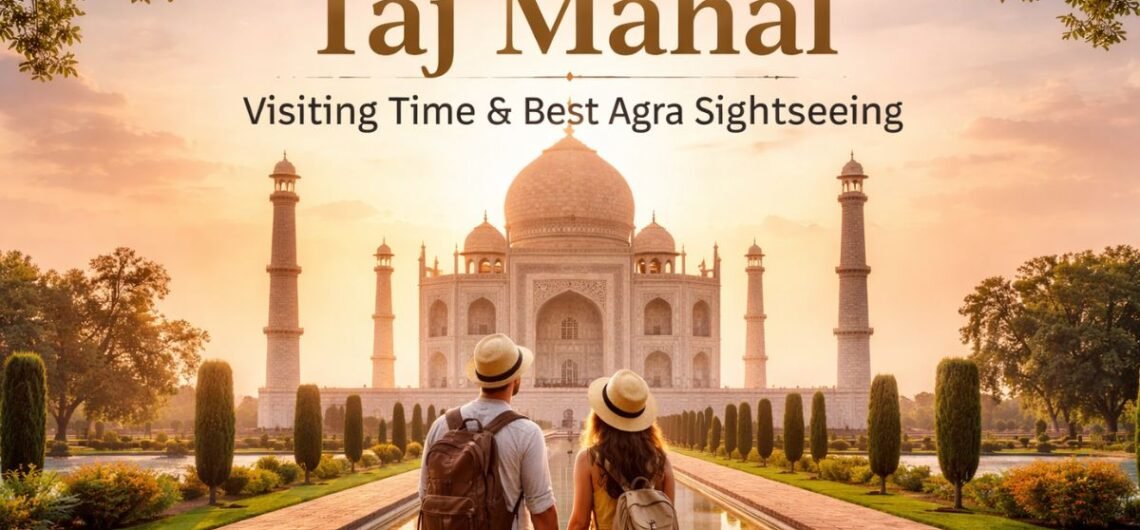
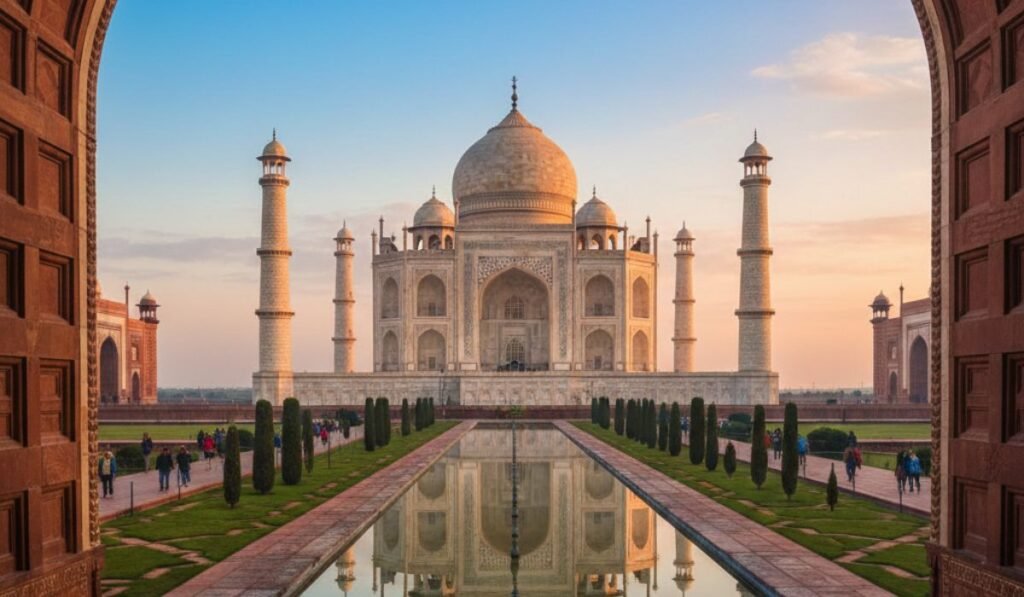
<p>Visiting the Taj Mahal is not just about reaching Agra—it’s about being there at the <strong>right time</strong>. Many travelers arrive excited, only to feel rushed, overwhelmed by crowds, or disappointed by harsh sunlight and long queues. The truth is simple: <strong>timing decides the experience</strong>.</p>
<!-- /wp:paragraph -->
<!-- wp:paragraph -->
<p>Whether you are an Indian traveler planning a weekend trip or an international visitor flying from the USA, understanding the <strong>Taj Mahal visiting time</strong> helps you enjoy the monument calmly, capture better photos, and cover Agra sightseeing without stress.</p>
<!-- /wp:paragraph -->
<!-- wp:paragraph -->
<p>This guide explains everything clearly—from opening hours and sunset views to the best schedule for an<strong> <a href="https://www.azaantravels.com/tours/local-sightseeing-of-agra/">Agra local sightseeing tour with the Taj Mahal</a></strong>.</p>
<!-- /wp:paragraph -->
<!-- wp:heading {"level":3} -->
<h3 class="wp-block-heading" id="h-taj-mahal-visiting-hours">Taj Mahal Visiting Hours</h3>
<!-- /wp:heading -->
<!-- wp:paragraph -->
<p>Many travelers specifically search for <em>Taj Mahal visiting hours</em> before planning their trip. The monument follows a fixed daily schedule that visitors should know in advance.</p>
<!-- /wp:paragraph -->
<!-- wp:paragraph -->
<p><strong>Taj Mahal Visiting Hours:</strong></p>
<!-- /wp:paragraph -->
<!-- wp:list -->
<ul class="wp-block-list"><!-- wp:list-item -->
<li>Opening Hours: Sunrise</li>
<!-- /wp:list-item -->
<!-- wp:list-item -->
<li>Closing Hours: Sunset</li>
<!-- /wp:list-item -->
<!-- wp:list-item -->
<li>Last Entry: 30 minutes before closing</li>
<!-- /wp:list-item -->
<!-- wp:list-item -->
<li>Closed On: Every Friday</li>
<!-- /wp:list-item -->
<!-- wp:list-item -->
<li>Open On: All other days including public holidays</li>
<!-- /wp:list-item --></ul>
<!-- /wp:list -->
<!-- wp:paragraph -->
<p>These visiting hours remain consistent throughout the year, but sunset time changes slightly according to the season.</p>
<!-- /wp:paragraph -->
<!-- wp:heading -->
<h2 class="wp-block-heading" id="h-why-taj-mahal-visiting-time-matters-more-than-you-think">Why Taj Mahal Visiting Time Matters More Than You Think</h2>
<!-- /wp:heading -->
<!-- wp:paragraph -->
<p>On paper, the Taj Mahal looks easy to visit—just show up during opening hours. In reality, timing affects:</p>
<!-- /wp:paragraph -->
<!-- wp:list -->
<ul class="wp-block-list"><!-- wp:list-item -->
<li>Crowd density</li>
<!-- /wp:list-item -->
<!-- wp:list-item -->
<li>Waiting time at security</li>
<!-- /wp:list-item -->
<!-- wp:list-item -->
<li>Photography quality</li>
<!-- /wp:list-item -->
<!-- wp:list-item -->
<li>Heat and comfort</li>
<!-- /wp:list-item -->
<!-- wp:list-item -->
<li>How smoothly you can cover Agra Fort, Mehtab Bagh, and local markets</li>
<!-- /wp:list-item --></ul>
<!-- /wp:list -->
<!-- wp:paragraph -->
<p>A well-timed visit turns Agra into a relaxed cultural journey instead of a rushed checklist.</p>
<!-- /wp:paragraph -->
<!-- wp:heading -->
<h2 class="wp-block-heading" id="h-taj-mahal-visiting-time">Taj Mahal Visiting Time </h2>
<!-- /wp:heading -->
<!-- wp:paragraph -->
<p>For travelers within India, planning revolves around <strong>traffic conditions, weather, weekends, and holidays</strong>. Knowing the right visiting time helps avoid peak rush and makes same-day sightseeing possible.</p>
<!-- /wp:paragraph -->
<!-- wp:heading {"level":3} -->
<h3 class="wp-block-heading" id="h-normal-visiting-time">Normal Visiting Time</h3>
<!-- /wp:heading -->
<!-- wp:list -->
<ul class="wp-block-list"><!-- wp:list-item -->
<li><strong>Opening Time:</strong> Early morning (sunrise)</li>
<!-- /wp:list-item -->
<!-- wp:list-item -->
<li><strong>Closing Time:</strong> Evening (before sunset)</li>
<!-- /wp:list-item -->
<!-- wp:list-item -->
<li><strong>Closed Day:</strong> Friday (for prayer)</li>
<!-- /wp:list-item --></ul>
<!-- /wp:list -->
<!-- wp:paragraph -->
<p>Morning entry is always the most recommended for Indian travelers, especially families, senior citizens, and photographers.</p>
<!-- /wp:paragraph -->
<!-- wp:heading -->
<h2 class="wp-block-heading" id="h-best-time-of-day-to-visit-the-taj-mahal">Best Time of Day to Visit the Taj Mahal</h2>
<!-- /wp:heading -->
<!-- wp:heading {"level":3} -->
<h3 class="wp-block-heading" id="h-morning-visit-most-recommended">Morning Visit (Most Recommended)</h3>
<!-- /wp:heading -->
<!-- wp:paragraph -->
<p>Early morning visits offer:</p>
<!-- /wp:paragraph -->
<!-- wp:list -->
<ul class="wp-block-list"><!-- wp:list-item -->
<li>Cooler temperatures</li>
<!-- /wp:list-item -->
<!-- wp:list-item -->
<li>Fewer crowds</li>
<!-- /wp:list-item -->
<!-- wp:list-item -->
<li>Softer marble color</li>
<!-- /wp:list-item -->
<!-- wp:list-item -->
<li>Peaceful atmosphere</li>
<!-- /wp:list-item --></ul>
<!-- /wp:list -->
<!-- wp:paragraph -->
<p>This is the <strong>best Taj Mahal visiting time</strong> if you want a calm and meaningful experience.</p>
<!-- /wp:paragraph -->
<!-- wp:heading {"level":3} -->
<h3 class="wp-block-heading" id="h-afternoon-visit-least-recommended">Afternoon Visit (Least Recommended)</h3>
<!-- /wp:heading -->
<!-- wp:paragraph -->
<p>Afternoons are:</p>
<!-- /wp:paragraph -->
<!-- wp:list -->
<ul class="wp-block-list"><!-- wp:list-item -->
<li>Hot (especially March–June)</li>
<!-- /wp:list-item -->
<!-- wp:list-item -->
<li>Crowded with group tours</li>
<!-- /wp:list-item -->
<!-- wp:list-item -->
<li>Less ideal for photography</li>
<!-- /wp:list-item --></ul>
<!-- /wp:list -->
<!-- wp:paragraph -->
<p>If you visit in the afternoon, it’s best to combine it with indoor attractions like Agra Fort.</p>
<!-- /wp:paragraph -->
<!-- wp:heading {"level":3} -->
<h3 class="wp-block-heading" id="h-evening-visit-limited-but-beautiful">Evening Visit (Limited but Beautiful)</h3>
<!-- /wp:heading -->
<!-- wp:paragraph -->
<p>Evening visits provide:</p>
<!-- /wp:paragraph -->
<!-- wp:list -->
<ul class="wp-block-list"><!-- wp:list-item -->
<li>Golden light</li>
<!-- /wp:list-item -->
<!-- wp:list-item -->
<li>Fewer tour groups</li>
<!-- /wp:list-item -->
<!-- wp:list-item -->
<li>A relaxed exit</li>
<!-- /wp:list-item --></ul>
<!-- /wp:list -->
<!-- wp:paragraph -->
<p>However, entry depends on seasonal closing times, so planning matters.</p>
<!-- /wp:paragraph -->
<!-- wp:heading -->
<h2 class="wp-block-heading" id="h-taj-mahal-timings-in-india-opening-amp-closing-details">Taj Mahal Timings in India (Opening & Closing Details)</h2>
<!-- /wp:heading -->
<!-- wp:paragraph -->
<p>Understanding <strong>Taj Mahal timings in India</strong> helps you plan the rest of your Agra itinerary better.</p>
<!-- /wp:paragraph -->
<!-- wp:list -->
<ul class="wp-block-list"><!-- wp:list-item -->
<li>Open all days except Friday</li>
<!-- /wp:list-item -->
<!-- wp:list-item -->
<li>Entry begins early morning</li>
<!-- /wp:list-item -->
<!-- wp:list-item -->
<li>Exit before sunset</li>
<!-- /wp:list-item -->
<!-- wp:list-item -->
<li>Seasonal variation in closing time</li>
<!-- /wp:list-item --></ul>
<!-- /wp:list -->
<!-- wp:paragraph -->
<p>This timing structure is why guided local sightseeing tours work better—they arrange monuments in the correct order.</p>
<!-- /wp:paragraph -->
<!-- wp:heading {"level":3} -->
<h3 class="wp-block-heading" id="h-taj-mahal-visiting-days">Taj Mahal Visiting Days</h3>
<!-- /wp:heading -->
<!-- wp:paragraph -->
<p>Another common question travelers ask is about <em>Taj Mahal visiting days</em>.</p>
<!-- /wp:paragraph -->
<!-- wp:paragraph -->
<p>The Taj Mahal is open to visitors on:</p>
<!-- /wp:paragraph -->
<!-- wp:paragraph -->
<p><strong>Visiting Days:</strong></p>
<!-- /wp:paragraph -->
<!-- wp:list -->
<ul class="wp-block-list"><!-- wp:list-item -->
<li>Saturday</li>
<!-- /wp:list-item -->
<!-- wp:list-item -->
<li>Sunday</li>
<!-- /wp:list-item -->
<!-- wp:list-item -->
<li>Monday</li>
<!-- /wp:list-item -->
<!-- wp:list-item -->
<li>Tuesday</li>
<!-- /wp:list-item -->
<!-- wp:list-item -->
<li>Wednesday</li>
<!-- /wp:list-item -->
<!-- wp:list-item -->
<li>Thursday</li>
<!-- /wp:list-item --></ul>
<!-- /wp:list -->
<!-- wp:paragraph -->
<p><strong>Closed Day:</strong></p>
<!-- /wp:paragraph -->
<!-- wp:list -->
<ul class="wp-block-list"><!-- wp:list-item -->
<li>Friday (closed for prayers)</li>
<!-- /wp:list-item --></ul>
<!-- /wp:list -->
<!-- wp:paragraph -->
<p>This rule applies to both Indian and international visitors. If you are planning a weekend trip or a same-day Agra tour, avoid scheduling your visit on Friday.</p>
<!-- /wp:paragraph -->
<!-- wp:heading -->
<h2 class="wp-block-heading" id="h-best-schedule-for-agra-local-sightseeing-tour-with-taj-mahal">Best Schedule for Agra Local Sightseeing Tour with Taj Mahal </h2>
<!-- /wp:heading -->
<!-- wp:paragraph -->
<p>If your goal is to explore Agra properly without rushing, this schedule works best:</p>
<!-- /wp:paragraph -->
<!-- wp:heading {"level":3} -->
<h3 class="wp-block-heading" id="h-ideal-one-day-sightseeing-flow">Ideal One-Day Sightseeing Flow</h3>
<!-- /wp:heading -->
<!-- wp:list {"ordered":true} -->
<ol class="wp-block-list"><!-- wp:list-item -->
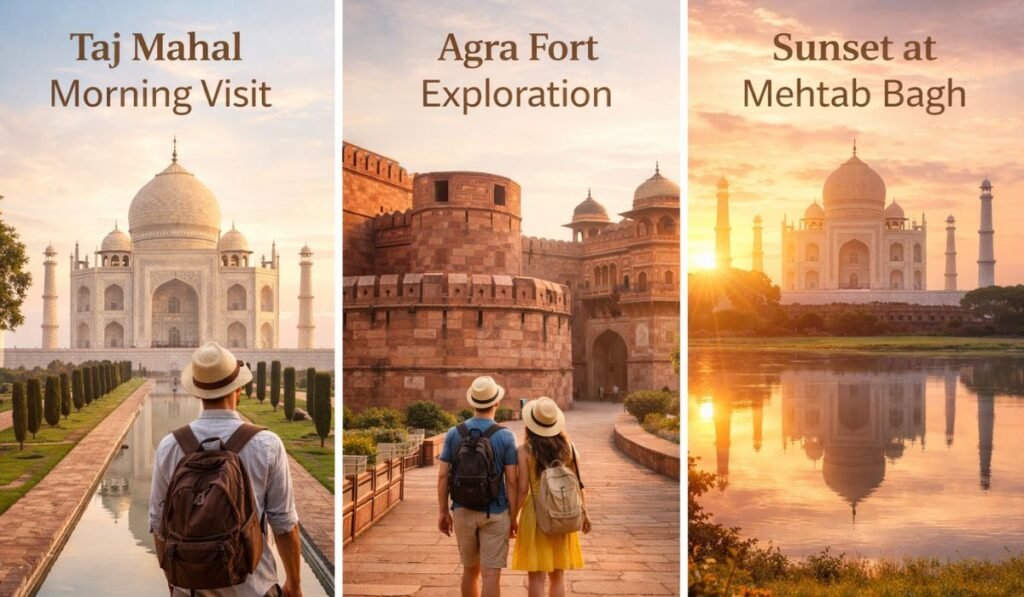
<li>Early morning Taj Mahal visit</li>
<!-- /wp:list-item -->
<!-- wp:list-item -->
<li>Breakfast break</li>
<!-- /wp:list-item -->
<!-- wp:list-item -->
<li>Agra Fort exploration</li>
<!-- /wp:list-item -->
<!-- wp:list-item -->
<li>Lunch & rest</li>
<!-- /wp:list-item -->
<!-- wp:list-item -->
<li>Local handicrafts / marble inlay work</li>
<!-- /wp:list-item -->
<!-- wp:list-item -->
<li>Sunset at Mehtab Bagh</li>
<!-- /wp:list-item --></ol>
<!-- /wp:list -->
<!-- wp:paragraph -->
<p>This schedule keeps the <a href="https://www.tajmahal.gov.in/visiting-hours.aspx">Taj Mahal</a> at the center while balancing comfort and exploration.</p>
<!-- /wp:paragraph -->
<!-- wp:paragraph -->
<p>A <strong>guided Agra local sightseeing tour with Taj Mahal</strong> helps manage:</p>
<!-- /wp:paragraph -->
<!-- wp:list -->
<ul class="wp-block-list"><!-- wp:list-item -->
<li>Entry tickets</li>
<!-- /wp:list-item -->
<!-- wp:list-item -->
<li>Transport</li>
<!-- /wp:list-item -->
<!-- wp:list-item -->
<li>Timing gaps</li>
<!-- /wp:list-item -->
<!-- wp:list-item -->
<li>Crowd avoidance</li>
<!-- /wp:list-item --></ul>
<!-- /wp:list -->
<!-- wp:heading {"level":3} -->
<h3 class="wp-block-heading" id="h-taj-mahal-time-table-complete-daily-schedule">Taj Mahal Time Table (Complete Daily Schedule)</h3>
<!-- /wp:heading -->
<!-- wp:paragraph -->
<p>For travelers who want a clear overview, here is the complete Taj Mahal time table followed every day:</p>
<!-- /wp:paragraph -->
<!-- wp:table -->
<figure class="wp-block-table"><table class="has-fixed-layout"><thead><tr><th>Activity</th><th>Time</th></tr></thead><tbody><tr><td>Gates Open</td><td>At Sunrise</td></tr><tr><td>Morning Best Entry</td><td>Sunrise to 9:00 AM</td></tr><tr><td>Peak Crowd Hours</td><td>10:00 AM – 3:00 PM</td></tr><tr><td>Evening Golden Hour</td><td>1 hour before sunset</td></tr><tr><td>Last Entry Allowed</td><td>30 minutes before closing</td></tr><tr><td>Gates Close</td><td>At Sunset</td></tr></tbody></table></figure>
<!-- /wp:table -->
<!-- wp:paragraph -->
<p>This time table helps travelers plan photography, entry, and nearby sightseeing without rush.</p>
<!-- /wp:paragraph -->
<!-- wp:heading -->
<h2 class="wp-block-heading" id="h-best-season-to-visit-the-taj-mahal">Best Season to Visit the Taj Mahal</h2>
<!-- /wp:heading -->
<!-- wp:heading {"level":3} -->
<h3 class="wp-block-heading" id="h-october-to-march-best-months">October to March (Best Months)</h3>
<!-- /wp:heading -->
<!-- wp:list -->
<ul class="wp-block-list"><!-- wp:list-item -->
<li>Pleasant weather</li>
<!-- /wp:list-item -->
<!-- wp:list-item -->
<li>Clear skies</li>
<!-- /wp:list-item -->
<!-- wp:list-item -->
<li>Comfortable sightseeing</li>
<!-- /wp:list-item --></ul>
<!-- /wp:list -->
<!-- wp:heading {"level":3} -->
<h3 class="wp-block-heading" id="h-april-to-june-hot-but-less-crowded">April to June (Hot but Less Crowded)</h3>
<!-- /wp:heading -->
<!-- wp:list -->
<ul class="wp-block-list"><!-- wp:list-item -->
<li>Early morning visits only</li>
<!-- /wp:list-item -->
<!-- wp:list-item -->
<li>Afternoon heat is intense</li>
<!-- /wp:list-item --></ul>
<!-- /wp:list -->
<!-- wp:heading {"level":3} -->
<h3 class="wp-block-heading" id="h-july-to-september-monsoon">July to September (Monsoon)</h3>
<!-- /wp:heading -->
<!-- wp:list -->
<ul class="wp-block-list"><!-- wp:list-item -->
<li>Fewer tourists</li>
<!-- /wp:list-item -->
<!-- wp:list-item -->
<li>Dramatic skies</li>
<!-- /wp:list-item -->
<!-- wp:list-item -->
<li>Occasional rain delays</li>
<!-- /wp:list-item --></ul>
<!-- /wp:list -->
<!-- wp:paragraph -->
<p>Seasonal planning plays a big role in choosing the right visiting time.</p>
<!-- /wp:paragraph -->
<!-- wp:heading -->
<h2 class="wp-block-heading" id="h-taj-mahal-timings-in-india-for-international-travelers-usa-amp-overseas">Taj Mahal Timings in India for International Travelers (USA & Overseas)</h2>
<!-- /wp:heading -->
<!-- wp:image {"id":2885,"sizeSlug":"large","linkDestination":"none"} -->
<figure class="wp-block-image size-large"><img src="https://www.azaantravels.com/wp-content/uploads/2025/12/Untitled-design-2025-12-31T163640.473-1024x597.jpg" alt="Taj Mahal Visiting Time & Best Schedule for Agra Local Sightseeing Tour" class="wp-image-2885"/></figure>
<!-- /wp:image -->
<!-- wp:paragraph -->
<p>International travelers—especially those from the USA—often search differently. Queries like <strong>“Taj Mahal timings in India”</strong> or <strong>“Taj Mahal Agra India visiting hours”</strong> reflect the need for clarity before long-distance travel.</p>
<!-- /wp:paragraph -->
<!-- wp:paragraph -->
<p>This section is designed specifically for <strong>USA and overseas visitors</strong>.</p>
<!-- /wp:paragraph -->
<!-- wp:heading -->
<h2 class="wp-block-heading" id="h-taj-mahal-agra-india-visiting-hours-for-usa-amp-overseas-tourists">Taj Mahal Agra India Visiting Hours (For USA & Overseas Tourists)</h2>
<!-- /wp:heading -->
<!-- wp:paragraph -->
<p>For international travelers:</p>
<!-- /wp:paragraph -->
<!-- wp:list -->
<ul class="wp-block-list"><!-- wp:list-item -->
<li>The Taj Mahal opens early morning</li>
<!-- /wp:list-item -->
<!-- wp:list-item -->
<li>Entry closes before sunset</li>
<!-- /wp:list-item -->
<!-- wp:list-item -->
<li>Fridays remain closed</li>
<!-- /wp:list-item --></ul>
<!-- /wp:list -->
<!-- wp:paragraph -->
<p>Because jet lag and travel fatigue are common, many USA travelers prefer <strong>guided sightseeing tours</strong> that handle timing and logistics smoothly.</p>
<!-- /wp:paragraph -->
<!-- wp:heading -->
<h2 class="wp-block-heading" id="h-taj-mahal-hours-what-international-visitors-should-know">Taj Mahal Hours: What International Visitors Should Know</h2>
<!-- /wp:heading -->
<!-- wp:paragraph -->
<p>International tourists should consider:</p>
<!-- /wp:paragraph -->
<!-- wp:list -->
<ul class="wp-block-list"><!-- wp:list-item -->
<li>Jet lag recovery time</li>
<!-- /wp:list-item -->
<!-- wp:list-item -->
<li>Security checks (can take longer)</li>
<!-- /wp:list-item -->
<!-- wp:list-item -->
<li>Walking distance inside the complex</li>
<!-- /wp:list-item --></ul>
<!-- /wp:list -->
<!-- wp:paragraph -->
<p>Morning visits are still the best, but guided tours help ensure you don’t miss key experiences due to unfamiliar local conditions.</p>
<!-- /wp:paragraph -->
<!-- wp:heading -->
<h2 class="wp-block-heading" id="h-taj-mahal-sunset-experience-for-international-travelers">Taj Mahal Sunset Experience for International Travelers</h2>
<!-- /wp:heading -->
<!-- wp:paragraph -->
<p>The <strong>Taj Mahal sunset</strong> experience is one of the most searched topics among USA travelers—and for good reason.</p>
<!-- /wp:paragraph -->
<!-- wp:paragraph -->
<p>At sunset:</p>
<!-- /wp:paragraph -->
<!-- wp:list -->
<ul class="wp-block-list"><!-- wp:list-item -->
<li>Marble reflects warm golden tones</li>
<!-- /wp:list-item -->
<!-- wp:list-item -->
<li>The crowd thins out</li>
<!-- /wp:list-item -->
<!-- wp:list-item -->
<li>Photography becomes dramatic</li>
<!-- /wp:list-item --></ul>
<!-- /wp:list -->
<!-- wp:paragraph -->
<p>Sunset views are often paired with <strong>Mehtab Bagh</strong>, offering a quiet riverfront perspective of the monument.</p>
<!-- /wp:paragraph -->
<!-- wp:heading -->
<h2 class="wp-block-heading" id="h-how-international-travelers-can-cover-agra-in-one-day">How International Travelers Can Cover Agra in One Day</h2>
<!-- /wp:heading -->
<!-- wp:paragraph -->
<p>For overseas tourists with limited time, the most efficient plan is:</p>
<!-- /wp:paragraph -->
<!-- wp:list -->
<ul class="wp-block-list"><!-- wp:list-item -->
<li>Morning Taj Mahal visit</li>
<!-- /wp:list-item -->
<!-- wp:list-item -->
<li>Agra Fort late morning</li>
<!-- /wp:list-item -->
<!-- wp:list-item -->
<li>Lunch break</li>
<!-- /wp:list-item -->
<!-- wp:list-item -->
<li>Local culture & shopping</li>
<!-- /wp:list-item -->
<!-- wp:list-item -->
<li>Sunset view</li>
<!-- /wp:list-item --></ul>
<!-- /wp:list -->
<!-- wp:paragraph -->
<p>This structure avoids exhaustion and ensures meaningful sightseeing.</p>
<!-- /wp:paragraph -->
<!-- wp:paragraph -->
<p>A <strong>guided Agra local sightseeing tour with Taj Mahal</strong> is especially helpful for first-time visitors navigating a new country.</p>
<!-- /wp:paragraph -->
<!-- wp:heading -->
<h2 class="wp-block-heading" id="h-photography-tips-based-on-taj-mahal-visiting-time">Photography Tips Based on Taj Mahal Visiting Time</h2>
<!-- /wp:heading -->
<!-- wp:image {"id":2887,"sizeSlug":"large","linkDestination":"none"} -->
<figure class="wp-block-image size-large"><img src="https://www.azaantravels.com/wp-content/uploads/2025/12/Untitled-design-2025-12-31T164021.924-1024x597.jpg" alt="Photography Tips Based on Taj Mahal Visiting Time" class="wp-image-2887"/></figure>
<!-- /wp:image -->
<!-- wp:paragraph -->
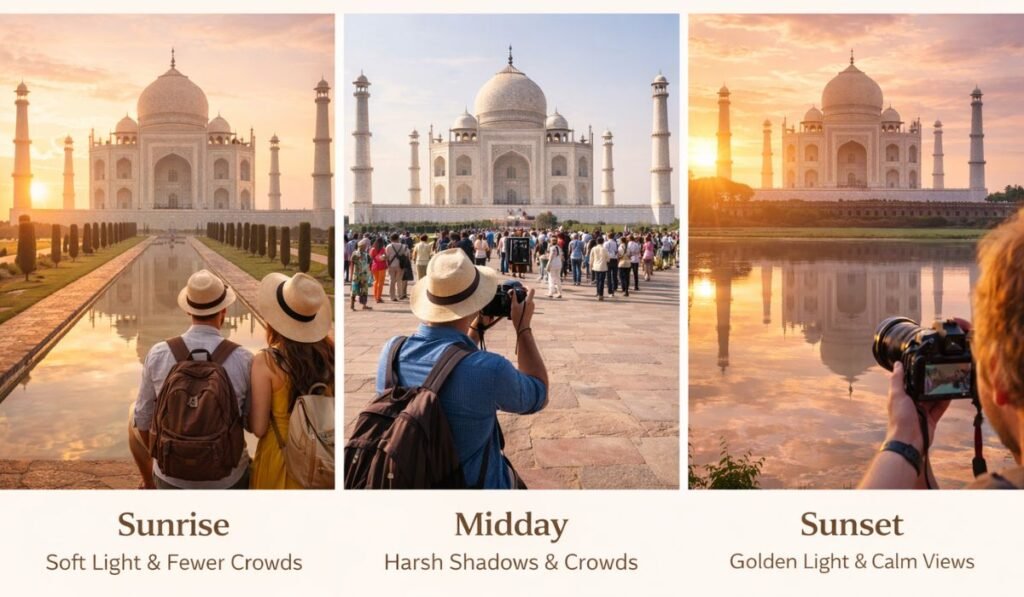
<p>Photography quality changes drastically depending on timing.</p>
<!-- /wp:paragraph -->
<!-- wp:heading {"level":3} -->
<h3 class="wp-block-heading" id="h-best-photography-time">Best Photography Time</h3>
<!-- /wp:heading -->
<!-- wp:list -->
<ul class="wp-block-list"><!-- wp:list-item -->
<li>Sunrise: Soft, balanced light</li>
<!-- /wp:list-item -->
<!-- wp:list-item -->
<li>Sunset: Warm, golden hues</li>
<!-- /wp:list-item --></ul>
<!-- /wp:list -->
<!-- wp:heading {"level":3} -->
<h3 class="wp-block-heading" id="h-avoid">Avoid</h3>
<!-- /wp:heading -->
<!-- wp:list -->
<ul class="wp-block-list"><!-- wp:list-item -->
<li>Harsh midday sunlight</li>
<!-- /wp:list-item -->
<!-- wp:list-item -->
<li>Overcrowded time slots</li>
<!-- /wp:list-item --></ul>
<!-- /wp:list -->
<!-- wp:paragraph -->
<p>Professional and amateur photographers both prefer early morning or sunset sessions.</p>
<!-- /wp:paragraph -->
<!-- wp:heading -->
<h2 class="wp-block-heading" id="h-common-mistakes-travelers-make-and-how-to-avoid-them">Common Mistakes Travelers Make (And How to Avoid Them)</h2>
<!-- /wp:heading -->
<!-- wp:list {"ordered":true} -->
<ol class="wp-block-list"><!-- wp:list-item -->
<li>Arriving too late in the morning</li>
<!-- /wp:list-item -->
<!-- wp:list-item -->
<li>Ignoring seasonal timing changes</li>
<!-- /wp:list-item -->
<!-- wp:list-item -->
<li>Trying to cover too much in one slot</li>
<!-- /wp:list-item -->
<!-- wp:list-item -->
<li>Skipping guided planning</li>
<!-- /wp:list-item --></ol>
<!-- /wp:list -->
<!-- wp:paragraph -->
<p>Proper scheduling solves most of these issues.</p>
<!-- /wp:paragraph -->
<!-- wp:heading -->
<h2 class="wp-block-heading" id="h-why-a-local-sightseeing-tour-makes-timing-easier">Why a Local Sightseeing Tour Makes Timing Easier</h2>
<!-- /wp:heading -->
<!-- wp:paragraph -->
<p>Many travelers underestimate Agra’s layout. Distances, queues, and traffic can eat into your schedule.</p>
<!-- /wp:paragraph -->
<!-- wp:paragraph -->
<p>A structured sightseeing tour:</p>
<!-- /wp:paragraph -->
<!-- wp:list -->
<ul class="wp-block-list"><!-- wp:list-item -->
<li>Saves time</li>
<!-- /wp:list-item -->
<!-- wp:list-item -->
<li>Reduces stress</li>
<!-- /wp:list-item -->
<!-- wp:list-item -->
<li>Ensures monument coverage</li>
<!-- /wp:list-item -->
<!-- wp:list-item -->
<li>Keeps the Taj Mahal visit perfectly timed</li>
<!-- /wp:list-item --></ul>
<!-- /wp:list -->
<!-- wp:paragraph -->
<p>This is why experienced travelers prefer guided local tours over self-planning.</p>
<!-- /wp:paragraph -->
<!-- wp:heading -->
<h2 class="wp-block-heading" id="h-frequently-asked-questions">Frequently Asked Questions </h2>
<!-- /wp:heading -->
<!-- wp:heading {"level":3} -->
<h3 class="wp-block-heading" id="h-what-is-the-best-taj-mahal-visiting-time">What is the best Taj Mahal visiting time?</h3>
<!-- /wp:heading -->
<!-- wp:paragraph -->
<p>Early morning, just after opening, is considered the best time due to fewer crowds and better lighting.</p>
<!-- /wp:paragraph -->
<!-- wp:heading {"level":3} -->
<h3 class="wp-block-heading" id="h-is-sunset-a-good-time-to-visit-the-taj-mahal">Is sunset a good time to visit the Taj Mahal?</h3>
<!-- /wp:heading -->
<!-- wp:paragraph -->
<p>Yes, the Taj Mahal sunset offers beautiful light, but entry depends on seasonal closing times.</p>
<!-- /wp:paragraph -->
<!-- wp:heading {"level":3} -->
<h3 class="wp-block-heading" id="h-are-taj-mahal-timings-in-india-the-same-all-year">Are Taj Mahal timings in India the same all year</h3>
<!-- /wp:heading -->
<!-- wp:paragraph -->
<p>Opening remains consistent, but closing times vary by season due to daylight changes.</p>
<!-- /wp:paragraph -->
<!-- wp:heading {"level":3} -->
<h3 class="wp-block-heading" id="h-how-long-should-i-spend-at-the-taj-mahal">How long should I spend at the Taj Mahal</h3>
<!-- /wp:heading -->
<!-- wp:paragraph -->
<p>Most visitors spend 2–3 hours, including photography and walking inside the complex.</p>
<!-- /wp:paragraph -->
<!-- wp:heading {"level":3} -->
<h3 class="wp-block-heading" id="h-can-i-cover-agra-sightseeing-in-one-day">Can I cover Agra sightseeing in one day?</h3>
<!-- /wp:heading -->
<!-- wp:paragraph -->
<p>Yes, with a proper schedule or guided local sightseeing tour, Agra can be comfortably explored in one day.</p>
<!-- /wp:paragraph -->
<!-- wp:heading {"level":3} -->
<h3 class="wp-block-heading" id="h-what-are-the-taj-mahal-visiting-hours">What are the Taj Mahal visiting hours?</h3>
<!-- /wp:heading -->
<!-- wp:paragraph -->
<p>The Taj Mahal visiting hours are from sunrise to sunset, with last entry allowed 30 minutes before closing. The monument remains closed every Friday.</p>
<!-- /wp:paragraph -->
<!-- wp:heading {"level":3} -->
<h3 class="wp-block-heading" id="h-which-days-is-taj-mahal-open-for-visitors">Which days is Taj Mahal open for visitors?</h3>
<!-- /wp:heading -->
<!-- wp:paragraph -->
<p>The Taj Mahal is open from Saturday to Thursday and closed on Friday.</p>
<!-- /wp:paragraph -->
<!-- wp:heading {"level":3} -->
<h3 class="wp-block-heading" id="h-where-can-i-see-the-taj-mahal-time-table">Where can I see the Taj Mahal time table?</h3>
<!-- /wp:heading -->
<!-- wp:paragraph -->
<p>The complete Taj Mahal time table includes sunrise opening, peak hours during midday, and closing at sunset with last entry 30 minutes before closing.</p>
<!-- /wp:paragraph -->
<!-- wp:heading -->
<h2 class="wp-block-heading" id="h-final-thoughts-timing-is-the-real-secret-of-the-taj-mahal">Final Thoughts: Timing Is the Real Secret of the Taj Mahal</h2>
<!-- /wp:heading -->
<!-- wp:paragraph -->
<p>The Taj Mahal is timeless—but your experience isn’t. Choosing the <strong>right visiting time</strong> transforms your journey from crowded and chaotic into calm and unforgettable.</p>
<!-- /wp:paragraph -->
<!-- wp:paragraph -->
<p>Whether you’re traveling from within India or flying in from the USA, smart timing combined with a well-planned <strong>Agra local sightseeing tour with Taj Mahal</strong> ensures you experience the monument the way it deserves to be seen.</p>
<!-- /wp:paragraph -->
<!-- wp:paragraph -->
<p><strong>First Time Visiting the Taj Mahal?</strong><br>For <a href="https://www.azaantravels.com/first-time-guide-agra-tour-cost-booking-faqs/">first-time visitors</a>, understanding visiting time, entry gates, and ticket rules can feel confusing. A well-planned Agra local sightseeing tour helps you visit the Taj Mahal at the right time, manage tickets smoothly, and explore nearby attractions without stress.</p>
<!-- /wp:paragraph -->
Visiting the Taj Mahal is not just about reaching Agra—it’s about being there at the right time. Many travelers arrive excited, only to feel rushed, overwhelmed by crowds, or disappointed by harsh sunlight and long queues. The truth is simple: timing decides the experience.
Whether you are an Indian traveler planning a weekend trip or an international visitor flying from the USA, understanding the Taj Mahal visiting time helps you enjoy the monument calmly, capture better photos, and cover Agra sightseeing without stress.
Many travelers specifically search for Taj Mahal visiting hours before planning their trip. The monument follows a fixed daily schedule that visitors should know in advance.
Taj Mahal Visiting Hours:
Opening Hours: Sunrise
Closing Hours: Sunset
Last Entry: 30 minutes before closing
Closed On: Every Friday
Open On: All other days including public holidays
These visiting hours remain consistent throughout the year, but sunset time changes slightly according to the season.
Why Taj Mahal Visiting Time Matters More Than You Think
On paper, the Taj Mahal looks easy to visit—just show up during opening hours. In reality, timing affects:
Crowd density
Waiting time at security
Photography quality
Heat and comfort
How smoothly you can cover Agra Fort, Mehtab Bagh, and local markets
A well-timed visit turns Agra into a relaxed cultural journey instead of a rushed checklist.
Taj Mahal Visiting Time
For travelers within India, planning revolves around traffic conditions, weather, weekends, and holidays. Knowing the right visiting time helps avoid peak rush and makes same-day sightseeing possible.
Normal Visiting Time
Opening Time: Early morning (sunrise)
Closing Time: Evening (before sunset)
Closed Day: Friday (for prayer)
Morning entry is always the most recommended for Indian travelers, especially families, senior citizens, and photographers.
Best Time of Day to Visit the Taj Mahal
Morning Visit (Most Recommended)
Early morning visits offer:
Cooler temperatures
Fewer crowds
Softer marble color
Peaceful atmosphere
This is the best Taj Mahal visiting time if you want a calm and meaningful experience.
Afternoon Visit (Least Recommended)
Afternoons are:
Hot (especially March–June)
Crowded with group tours
Less ideal for photography
If you visit in the afternoon, it’s best to combine it with indoor attractions like Agra Fort.
Evening Visit (Limited but Beautiful)
Evening visits provide:
Golden light
Fewer tour groups
A relaxed exit
However, entry depends on seasonal closing times, so planning matters.
Taj Mahal Timings in India (Opening & Closing Details)
Understanding Taj Mahal timings in India helps you plan the rest of your Agra itinerary better.
Open all days except Friday
Entry begins early morning
Exit before sunset
Seasonal variation in closing time
This timing structure is why guided local sightseeing tours work better—they arrange monuments in the correct order.
Taj Mahal Visiting Days
Another common question travelers ask is about Taj Mahal visiting days.
The Taj Mahal is open to visitors on:
Visiting Days:
Saturday
Sunday
Monday
Tuesday
Wednesday
Thursday
Closed Day:
Friday (closed for prayers)
This rule applies to both Indian and international visitors. If you are planning a weekend trip or a same-day Agra tour, avoid scheduling your visit on Friday.
Best Schedule for Agra Local Sightseeing Tour with Taj Mahal
If your goal is to explore Agra properly without rushing, this schedule works best:
Ideal One-Day Sightseeing Flow
Early morning Taj Mahal visit
Breakfast break
Agra Fort exploration
Lunch & rest
Local handicrafts / marble inlay work
Sunset at Mehtab Bagh
This schedule keeps the Taj Mahal at the center while balancing comfort and exploration.
A guided Agra local sightseeing tour with Taj Mahal helps manage:
Entry tickets
Transport
Timing gaps
Crowd avoidance
Taj Mahal Time Table (Complete Daily Schedule)
For travelers who want a clear overview, here is the complete Taj Mahal time table followed every day:
Activity
Time
Gates Open
At Sunrise
Morning Best Entry
Sunrise to 9:00 AM
Peak Crowd Hours
10:00 AM – 3:00 PM
Evening Golden Hour
1 hour before sunset
Last Entry Allowed
30 minutes before closing
Gates Close
At Sunset
This time table helps travelers plan photography, entry, and nearby sightseeing without rush.
Best Season to Visit the Taj Mahal
October to March (Best Months)
Pleasant weather
Clear skies
Comfortable sightseeing
April to June (Hot but Less Crowded)
Early morning visits only
Afternoon heat is intense
July to September (Monsoon)
Fewer tourists
Dramatic skies
Occasional rain delays
Seasonal planning plays a big role in choosing the right visiting time.
Taj Mahal Timings in India for International Travelers (USA & Overseas)
International travelers—especially those from the USA—often search differently. Queries like “Taj Mahal timings in India” or “Taj Mahal Agra India visiting hours” reflect the need for clarity before long-distance travel.
This section is designed specifically for USA and overseas visitors.
Taj Mahal Agra India Visiting Hours (For USA & Overseas Tourists)
For international travelers:
The Taj Mahal opens early morning
Entry closes before sunset
Fridays remain closed
Because jet lag and travel fatigue are common, many USA travelers prefer guided sightseeing tours that handle timing and logistics smoothly.
Taj Mahal Hours: What International Visitors Should Know
International tourists should consider:
Jet lag recovery time
Security checks (can take longer)
Walking distance inside the complex
Morning visits are still the best, but guided tours help ensure you don’t miss key experiences due to unfamiliar local conditions.
Taj Mahal Sunset Experience for International Travelers
The Taj Mahal sunset experience is one of the most searched topics among USA travelers—and for good reason.
At sunset:
Marble reflects warm golden tones
The crowd thins out
Photography becomes dramatic
Sunset views are often paired with Mehtab Bagh, offering a quiet riverfront perspective of the monument.
How International Travelers Can Cover Agra in One Day
For overseas tourists with limited time, the most efficient plan is:
Morning Taj Mahal visit
Agra Fort late morning
Lunch break
Local culture & shopping
Sunset view
This structure avoids exhaustion and ensures meaningful sightseeing.
A guided Agra local sightseeing tour with Taj Mahal is especially helpful for first-time visitors navigating a new country.
Photography Tips Based on Taj Mahal Visiting Time
Photography quality changes drastically depending on timing.
Best Photography Time
Sunrise: Soft, balanced light
Sunset: Warm, golden hues
Avoid
Harsh midday sunlight
Overcrowded time slots
Professional and amateur photographers both prefer early morning or sunset sessions.
Common Mistakes Travelers Make (And How to Avoid Them)
Arriving too late in the morning
Ignoring seasonal timing changes
Trying to cover too much in one slot
Skipping guided planning
Proper scheduling solves most of these issues.
Why a Local Sightseeing Tour Makes Timing Easier
Many travelers underestimate Agra’s layout. Distances, queues, and traffic can eat into your schedule.
A structured sightseeing tour:
Saves time
Reduces stress
Ensures monument coverage
Keeps the Taj Mahal visit perfectly timed
This is why experienced travelers prefer guided local tours over self-planning.
Frequently Asked Questions
What is the best Taj Mahal visiting time?
Early morning, just after opening, is considered the best time due to fewer crowds and better lighting.
Is sunset a good time to visit the Taj Mahal?
Yes, the Taj Mahal sunset offers beautiful light, but entry depends on seasonal closing times.
Are Taj Mahal timings in India the same all year
Opening remains consistent, but closing times vary by season due to daylight changes.
How long should I spend at the Taj Mahal
Most visitors spend 2–3 hours, including photography and walking inside the complex.
Can I cover Agra sightseeing in one day?
Yes, with a proper schedule or guided local sightseeing tour, Agra can be comfortably explored in one day.
What are the Taj Mahal visiting hours?
The Taj Mahal visiting hours are from sunrise to sunset, with last entry allowed 30 minutes before closing. The monument remains closed every Friday.
Which days is Taj Mahal open for visitors?
The Taj Mahal is open from Saturday to Thursday and closed on Friday.
Where can I see the Taj Mahal time table?
The complete Taj Mahal time table includes sunrise opening, peak hours during midday, and closing at sunset with last entry 30 minutes before closing.
Final Thoughts: Timing Is the Real Secret of the Taj Mahal
The Taj Mahal is timeless—but your experience isn’t. Choosing the right visiting time transforms your journey from crowded and chaotic into calm and unforgettable.
Whether you’re traveling from within India or flying in from the USA, smart timing combined with a well-planned Agra local sightseeing tour with Taj Mahal ensures you experience the monument the way it deserves to be seen.
First Time Visiting the Taj Mahal? For first-time visitors, understanding visiting time, entry gates, and ticket rules can feel confusing. A well-planned Agra local sightseeing tour helps you visit the Taj Mahal at the right time, manage tickets smoothly, and explore nearby attractions without stress.
<!-- wp:paragraph -->
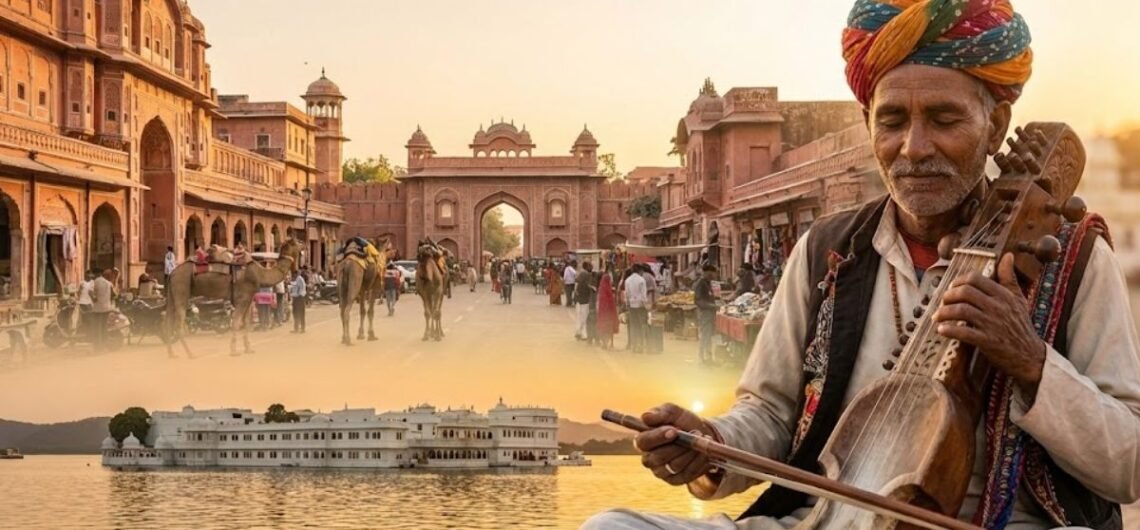
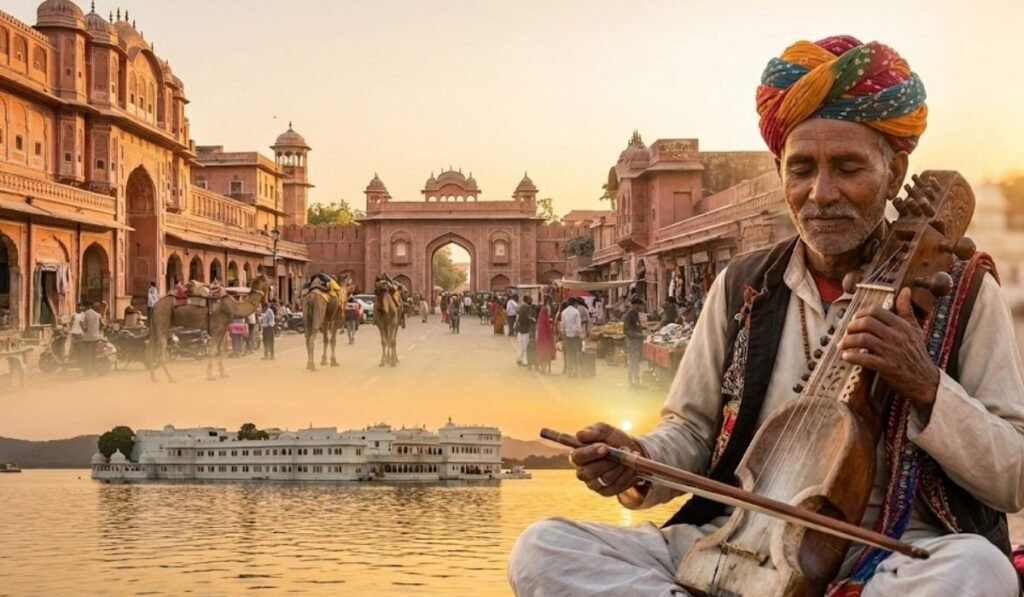
<p>Discover Rajasthan beyond monuments as Jaipur and Udaipur reveal the state’s living culture, royal heritage, art, and everyday traditions.</p>
<!-- /wp:paragraph -->
<!-- wp:gallery {"linkTo":"none"} -->
<figure class="wp-block-gallery has-nested-images columns-default is-cropped"><!-- wp:image {"id":2866,"sizeSlug":"large","linkDestination":"none"} -->
<figure class="wp-block-image size-large"><img src="https://www.azaantravels.com/wp-content/uploads/2025/12/Untitled-design-2025-12-26T143553.131-1024x597.jpg" alt="A Cultural Journey Across Rajasthan: Jaipur and Udaipur as the Heart of the State" class="wp-image-2866"/></figure>
<!-- /wp:image --></figure>
<!-- /wp:gallery -->
<!-- wp:heading -->
<h2 class="wp-block-heading" id="h-introduction-cultural-journey-across-rajasthan">Introduction - Cultural Journey Across Rajasthan</h2>
<!-- /wp:heading -->
<!-- wp:paragraph -->
<p>Rajasthan is often described through images of grand forts, colorful turbans, and endless desert landscapes. But to truly understand Rajasthan, you have to look beyond the surface of monuments and travel routes. The culture of this state is not confined to palaces or museums—it lives in daily rituals, in music echoing through old streets, in handcrafted art passed down generations, and in the rhythm of life shaped by history.</p>
<!-- /wp:paragraph -->
<!-- wp:paragraph -->
<p>Among all the cities in Rajasthan, <strong>Jaipur and Udaipur</strong> stand out not just as tourist destinations, but as cultural anchors. Together, they represent two complementary sides of Rajasthan’s heritage—one structured and regal, the other emotional and artistic. Exploring these two cities as part of a cultural journey offers one of the most complete ways to experience the true soul of Rajasthan.</p>
<!-- /wp:paragraph -->
<!-- wp:paragraph -->
<p>This blog explores why Jaipur and Udaipur are considered the heart of the state, and how traveling through them reveals Rajasthan as a living, breathing cultural landscape rather than a checklist of attractions.</p>
<!-- /wp:paragraph -->
<!-- wp:heading -->
<h2 class="wp-block-heading" id="h-why-jaipur-and-udaipur-represent-the-soul-of-rajasthan"><strong>Why Jaipur and Udaipur Represent the Soul of Rajasthan</strong></h2>
<!-- /wp:heading -->
<!-- wp:paragraph -->
<p>Rajasthan’s identity has been shaped by centuries of Rajput rule, trade routes, warfare, art, and spiritual traditions. While many cities reflect parts of this history, Jaipur and Udaipur together capture its full emotional and cultural range.</p>
<!-- /wp:paragraph -->
<!-- wp:paragraph -->
<p>Jaipur represents <strong>order, power, and planned heritage</strong>. It reflects royal vision, discipline, and a strong connection between governance and culture. Udaipur, on the other hand, represents <strong>romance, creativity, and emotional expression</strong>—a city where art, music, and nature merge seamlessly.</p>
<!-- /wp:paragraph -->
<!-- wp:paragraph -->
<p>This contrast is not accidental. It reflects how Rajasthan evolved—balancing strength with sensitivity, structure with storytelling. That is why most meaningful Rajasthan tour experiences naturally revolve around these two cities.</p>
<!-- /wp:paragraph -->
<!-- wp:heading -->
<h2 class="wp-block-heading" id="h-jaipur-the-structured-grandeur-of-the-pink-city"><strong>Jaipur: The Structured Grandeur of the Pink City</strong></h2>
<!-- /wp:heading -->
<!-- wp:heading {"level":3} -->
<h3 class="wp-block-heading" id="h-planned-architecture-and-royal-vision"><strong>Planned Architecture and Royal Vision</strong></h3>
<!-- /wp:heading -->
<!-- wp:paragraph -->
<p>Jaipur is one of the few cities in India that was planned before it was built. Designed in the 18th century by Maharaja Sawai Jai Singh II, the city follows principles of ancient Indian architecture and astronomy. The grid-based layout, wide streets, and uniform facades reflect discipline and foresight.</p>
<!-- /wp:paragraph -->
<!-- wp:paragraph -->
<p>Landmarks like the City Palace, Jantar Mantar, and Hawa Mahal are not just architectural achievements—they are expressions of how science, governance, and culture were deeply interconnected in Rajasthan’s royal past.</p>
<!-- /wp:paragraph -->
<!-- wp:paragraph -->
<p>Jaipur’s forts, including Amber Fort and Nahargarh, further reinforce this sense of strategic brilliance and royal authority. These structures were built not only for defense but also to symbolize power and permanence.</p>
<!-- /wp:paragraph -->
<!-- wp:heading {"level":3} -->
<h3 class="wp-block-heading" id="h-living-traditions-of-jaipur"><strong>Living Traditions of Jaipur</strong></h3>
<!-- /wp:heading -->
<!-- wp:paragraph -->
<p>What makes Jaipur culturally rich is not just its monuments, but how traditions continue to thrive within the modern city.</p>
<!-- /wp:paragraph -->
<!-- wp:paragraph -->
<p>Jaipur is a center for:</p>
<!-- /wp:paragraph -->
<!-- wp:list -->
<ul class="wp-block-list"><!-- wp:list-item -->
<li>Block printing and textile arts<br></li>
<!-- /wp:list-item -->
<!-- wp:list-item -->
<li>Blue pottery and gemstone craftsmanship<br></li>
<!-- /wp:list-item -->
<!-- wp:list-item -->
<li>Traditional jewelry design rooted in royal patronage<br></li>
<!-- /wp:list-item --></ul>
<!-- /wp:list -->
<!-- wp:paragraph -->
<p>Local bazaars like Johari Bazaar and Bapu Bazaar are living museums where artisans still practice centuries-old skills. Folk music performances, traditional dance forms, and seasonal festivals such as Teej and Gangaur keep cultural rhythms alive.</p>
<!-- /wp:paragraph -->
<!-- wp:paragraph -->
<p>Even Jaipur’s food culture—dal baati churma, ghewar, and kachori—reflects history shaped by climate and royal kitchens.</p>
<!-- /wp:paragraph -->
<!-- wp:heading -->
<h2 class="wp-block-heading" id="h-udaipur-the-emotional-and-artistic-face-of-rajasthan"><strong>Udaipur: The Emotional and Artistic Face of Rajasthan</strong></h2>
<!-- /wp:heading -->
<!-- wp:heading {"level":3} -->
<h3 class="wp-block-heading" id="h-lakes-palaces-and-poetry"><strong>Lakes, Palaces, and Poetry</strong></h3>
<!-- /wp:heading -->
<!-- wp:paragraph -->
<p>If Jaipur feels structured and powerful, Udaipur feels poetic.</p>
<!-- /wp:paragraph -->
<!-- wp:paragraph -->
<p>Often called the <strong>City of Lakes</strong>, Udaipur was built around water—a rare and precious resource in Rajasthan. Lakes like Pichola and Fateh Sagar are not just scenic features; they are central to the city’s identity and way of life.</p>
<!-- /wp:paragraph -->
<!-- wp:paragraph -->
<p>The City Palace of Udaipur rises organically above the lake, blending architecture with landscape. Unlike the symmetry of Jaipur, Udaipur’s design feels intuitive and emotional, shaped by terrain rather than geometry.</p>
<!-- /wp:paragraph -->
<!-- wp:paragraph -->
<p>This relationship between nature and architecture gives Udaipur its timeless, romantic character.</p>
<!-- /wp:paragraph -->
<!-- wp:heading {"level":3} -->
<h3 class="wp-block-heading" id="h-art-music-and-slow-living"><strong>Art, Music, and Slow Living</strong></h3>
<!-- /wp:heading -->
<!-- wp:paragraph -->
<p>Udaipur has long been a center for miniature painting, storytelling, and classical music. Art here is not confined to galleries—it exists in courtyards, temples, and everyday life.</p>
<!-- /wp:paragraph -->
<!-- wp:paragraph -->
<p>The pace of life in Udaipur is slower. Evenings are meant for reflection, boat rides, and conversations rather than schedules. This rhythm allows travelers to connect more deeply with local culture.</p>
<!-- /wp:paragraph -->
<!-- wp:paragraph -->
<p>Festivals, temple rituals, and lakeside performances highlight how art and spirituality coexist naturally in Udaipur’s daily life.</p>
<!-- /wp:paragraph -->
<!-- wp:heading -->
<h2 class="wp-block-heading" id="h-the-cultural-journey-between-jaipur-and-udaipur"><strong>The Cultural Journey Between Jaipur and Udaipur</strong></h2>
<!-- /wp:heading -->
<!-- wp:image {"id":2869,"sizeSlug":"large","linkDestination":"none"} -->
<figure class="wp-block-image size-large"><img src="https://www.azaantravels.com/wp-content/uploads/2025/12/Untitled-design-2025-12-26T143611.679-1024x597.jpg" alt="Cultural Journey Across Rajasthan
" class="wp-image-2869"/></figure>
<!-- /wp:image -->
<!-- wp:paragraph -->
<p>Traveling between Jaipur and Udaipur is not just a transfer—it is part of the experience.</p>
<!-- /wp:paragraph -->
<!-- wp:paragraph -->
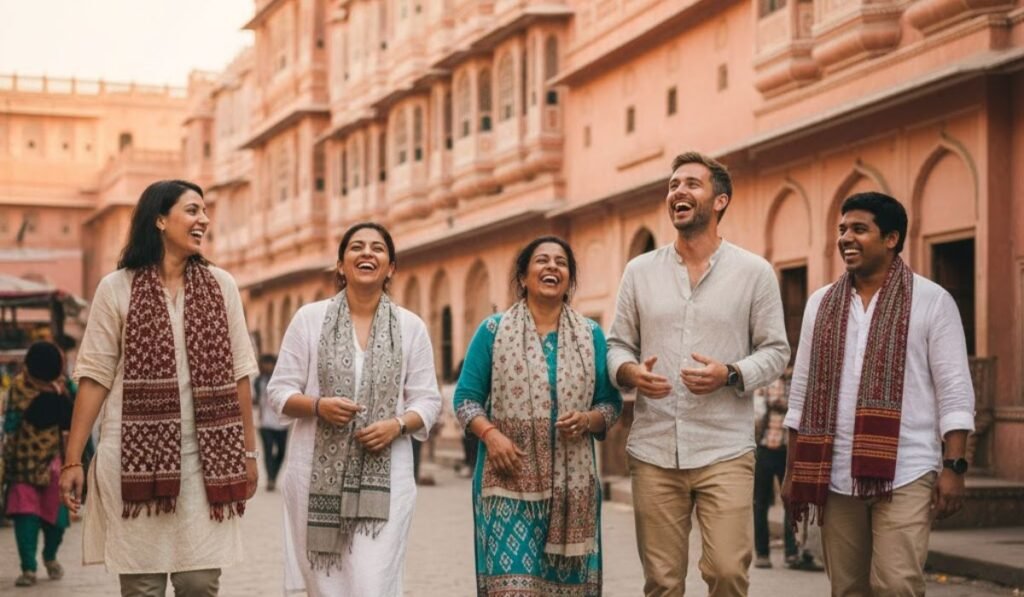
<p>The route passes through smaller towns, rural landscapes, and historical regions that show how Rajasthan transitions from royal capitals to countryside traditions. You witness changes in clothing, dialects, food, and architecture.</p>
<!-- /wp:paragraph -->
<!-- wp:paragraph -->
<p>This journey helps travelers understand that Rajasthan is not one uniform culture, but a collection of interconnected identities shaped by geography and history.</p>
<!-- /wp:paragraph -->
<!-- wp:heading -->
<h2 class="wp-block-heading" id="h-how-jaipur-and-udaipur-shape-rajasthan-tour-experiences"><strong>How Jaipur and Udaipur Shape Rajasthan Tour Experiences</strong></h2>
<!-- /wp:heading -->
<!-- wp:paragraph -->
<p>There is a reason why most <strong>Rajasthan tour packages</strong> are built around Jaipur and Udaipur. Together, they offer cultural completeness.</p>
<!-- /wp:paragraph -->
<!-- wp:paragraph -->
<p>Because of this cultural balance, most thoughtfully designed <a href="https://www.azaantravels.com/rajasthan-tour-packages/">Rajasthan tour packages</a> naturally revolve around Jaipur and Udaipur as their foundation.</p>
<!-- /wp:paragraph -->
<!-- wp:paragraph -->
<p>Jaipur provides:</p>
<!-- /wp:paragraph -->
<!-- wp:list -->
<ul class="wp-block-list"><!-- wp:list-item -->
<li>Historical context<br></li>
<!-- /wp:list-item -->
<!-- wp:list-item -->
<li>Architectural discipline<br></li>
<!-- /wp:list-item -->
<!-- wp:list-item -->
<li>Royal legacy<br></li>
<!-- /wp:list-item --></ul>
<!-- /wp:list -->
<!-- wp:paragraph -->
<p>Udaipur offers:</p>
<!-- /wp:paragraph -->
<!-- wp:list -->
<ul class="wp-block-list"><!-- wp:list-item -->
<li>Emotional connection<br></li>
<!-- /wp:list-item -->
<!-- wp:list-item -->
<li>Artistic heritage<br></li>
<!-- /wp:list-item -->
<!-- wp:list-item -->
<li>Natural beauty<br></li>
<!-- /wp:list-item --></ul>
<!-- /wp:list -->
<!-- wp:paragraph -->
<p>This combination allows travelers to understand <a href="https://en.wikipedia.org/wiki/Rajasthan">Rajasthan</a> not just visually, but intellectually and emotionally. A Jaipur–Udaipur journey forms the foundation of a meaningful <strong>Rajasthan cultural tour</strong>, especially for first-time visitors.</p>
<!-- /wp:paragraph -->
<!-- wp:heading -->
<h2 class="wp-block-heading" id="h-best-time-to-experience-cultural-rajasthan"><strong>Best Time to Experience Cultural Rajasthan</strong></h2>
<!-- /wp:heading -->
<!-- wp:paragraph -->
<p>Culture is deeply influenced by seasons in Rajasthan.</p>
<!-- /wp:paragraph -->
<!-- wp:list -->
<ul class="wp-block-list"><!-- wp:list-item -->
<li><strong>October to March</strong> is ideal for cultural exploration. The weather is pleasant, festivals are frequent, and outdoor exploration is comfortable.<br></li>
<!-- /wp:list-item -->
<!-- wp:list-item -->
<li><strong>Summer months</strong> are quieter and offer fewer crowds, but cultural activities slow down due to heat.<br></li>
<!-- /wp:list-item -->
<!-- wp:list-item -->
<li><strong>Monsoon season</strong> brings greenery, especially around Udaipur, adding a different emotional tone to the journey.<br></li>
<!-- /wp:list-item --></ul>
<!-- /wp:list -->
<!-- wp:paragraph -->
<p>For travelers focused on heritage and culture rather than speed, winter months offer the richest experience.</p>
<!-- /wp:paragraph -->
<!-- wp:heading -->
<h2 class="wp-block-heading" id="h-who-this-cultural-journey-is-best-for"><strong>Who This Cultural Journey Is Best For</strong></h2>
<!-- /wp:heading -->
<!-- wp:paragraph -->
<p>A Jaipur–Udaipur cultural journey is ideal for:</p>
<!-- /wp:paragraph -->
<!-- wp:list -->
<ul class="wp-block-list"><!-- wp:list-item -->
<li>First-time visitors to Rajasthan<br></li>
<!-- /wp:list-item -->
<!-- wp:list-item -->
<li>Travelers interested in history and heritage<br></li>
<!-- /wp:list-item -->
<!-- wp:list-item -->
<li>Couples seeking romantic, meaningful travel<br></li>
<!-- /wp:list-item -->
<!-- wp:list-item -->
<li>Slow travelers and photographers<br></li>
<!-- /wp:list-item -->
<!-- wp:list-item -->
<li>Those who prefer learning over rushing<br></li>
<!-- /wp:list-item --></ul>
<!-- /wp:list -->
<!-- wp:paragraph -->
<p>This route appeals to people who want depth, not just destinations.</p>
<!-- /wp:paragraph -->
<!-- wp:heading -->
<h2 class="wp-block-heading" id="h-common-mistakes-when-exploring-rajasthan-culturally"><strong>Common Mistakes When Exploring Rajasthan Culturally</strong></h2>
<!-- /wp:heading -->
<!-- wp:paragraph -->
<p>Many travelers unintentionally reduce cultural experiences by:</p>
<!-- /wp:paragraph -->
<!-- wp:list -->
<ul class="wp-block-list"><!-- wp:list-item -->
<li>Treating culture as a checklist<br></li>
<!-- /wp:list-item -->
<!-- wp:list-item -->
<li>Rushing through cities without understanding context<br></li>
<!-- /wp:list-item -->
<!-- wp:list-item -->
<li>Focusing only on monuments and ignoring local life<br></li>
<!-- /wp:list-item -->
<!-- wp:list-item -->
<li>Overloading itineraries without rest or reflection<br></li>
<!-- /wp:list-item --></ul>
<!-- /wp:list -->
<!-- wp:paragraph -->
<p>Cultural travel requires time, patience, and openness. Jaipur and Udaipur reward travelers who slow down and observe.</p>
<!-- /wp:paragraph -->
<!-- wp:heading -->
<h2 class="wp-block-heading" id="h-the-role-of-jaipur-and-udaipur-in-modern-rajasthan-travel"><strong>The Role of Jaipur and Udaipur in Modern Rajasthan Travel</strong></h2>
<!-- /wp:heading -->
<!-- wp:paragraph -->
<p>Even today, Jaipur and Udaipur continue to shape how Rajasthan is perceived globally. They balance tourism with tradition, modernization with heritage preservation.</p>
<!-- /wp:paragraph -->
<!-- wp:paragraph -->
<p>Their ability to adapt while retaining identity makes them central to Rajasthan’s cultural future—not just its past.</p>
<!-- /wp:paragraph -->
<!-- wp:paragraph -->
<p>This is why travelers who begin their Rajasthan journey with these two cities often leave with a deeper appreciation for the state as a whole.</p>
<!-- /wp:paragraph -->
<!-- wp:heading -->
<h2 class="wp-block-heading" id="h-conclusion-the-cultural-journey-across-rajasthan"><strong>Conclusion: The Cultural Journey Across Rajasthan</strong></h2>
<!-- /wp:heading -->
<!-- wp:paragraph -->
<p>Rajasthan cannot be understood through monuments alone. It is a state where culture is lived, not displayed.</p>
<!-- /wp:paragraph -->
<!-- wp:paragraph -->
<p>Jaipur represents Rajasthan’s strength—its order, vision, and royal discipline.<br>Udaipur represents its heart—emotion, creativity, and artistic soul.</p>
<!-- /wp:paragraph -->
<!-- wp:paragraph -->
<p>Together, they form a cultural narrative that defines Rajasthan.</p>
<!-- /wp:paragraph -->
<!-- wp:paragraph -->
<p>Traveling through Jaipur and Udaipur is not about covering distance. It is about understanding balance—between power and poetry, structure and emotion, history and life. That balance is what makes these two cities the true heart of Rajasthan.</p>
<!-- /wp:paragraph -->
<!-- wp:heading {"level":3} -->
<h3 class="wp-block-heading" id="h-cultural-travel-tip"><strong>Cultural Travel Tip</strong></h3>
<!-- /wp:heading -->
<!-- wp:paragraph -->
<p>To experience Rajasthan authentically, allow time for conversation, observation, and stillness. Culture reveals itself slowly—but leaves a lasting impression.</p>
<!-- /wp:paragraph -->
<!-- wp:heading -->
<h2 class="wp-block-heading" id="h-faq-cultural-journey-across-rajasthan">FAQ - Cultural Journey Across Rajasthan</h2>
<!-- /wp:heading -->
<!-- wp:heading {"level":3} -->
<h3 class="wp-block-heading" id="h-nbsp-1-why-are-jaipur-and-udaipur-considered-the-cultural-heart-of-rajasthan"><strong> 1: Why are Jaipur and Udaipur considered the cultural heart of Rajasthan?</strong></h3>
<!-- /wp:heading -->
<!-- wp:paragraph -->
<p>Jaipur and Udaipur represent two essential sides of Rajasthan’s culture. Jaipur reflects royal planning, architecture, and administrative heritage, while Udaipur expresses the artistic, emotional, and nature-connected side of the state. Together, they offer the most complete cultural understanding of Rajasthan.</p>
<!-- /wp:paragraph -->
<!-- wp:heading {"level":3} -->
<h3 class="wp-block-heading" id="h-nbsp-2-is-a-jaipur-udaipur-journey-suitable-for-first-time-rajasthan-visitors"><strong> 2: Is a Jaipur–Udaipur journey suitable for first-time Rajasthan visitors?</strong></h3>
<!-- /wp:heading -->
<!-- wp:paragraph -->
<p>Yes. For first-time visitors, Jaipur and Udaipur provide a balanced introduction to Rajasthan. The journey covers forts, palaces, art, festivals, local traditions, and everyday cultural life without overwhelming travelers with too many destinations.</p>
<!-- /wp:paragraph -->
<!-- wp:heading {"level":3} -->
<h3 class="wp-block-heading" id="h-nbsp-3-what-makes-a-cultural-rajasthan-tour-different-from-regular-sightseeing"><strong> 3: What makes a cultural Rajasthan tour different from regular sightseeing?</strong></h3>
<!-- /wp:heading -->
<!-- wp:paragraph -->
<p>A cultural Rajasthan tour focuses on understanding history, traditions, local art, food, and lifestyle rather than just visiting monuments. It allows time for observation, interaction, and reflection, helping travelers connect emotionally with places like Jaipur and Udaipur.</p>
<!-- /wp:paragraph -->
<!-- wp:heading {"level":3} -->
<h3 class="wp-block-heading" id="h-nbsp-4-when-is-the-best-time-to-experience-rajasthan-s-culture-in-jaipur-and-udaipur"><strong> 4: When is the best time to experience Rajasthan’s culture in Jaipur and Udaipur?</strong></h3>
<!-- /wp:heading -->
<!-- wp:paragraph -->
<p>The best time is between October and March, when the weather is pleasant and cultural activities, festivals, and outdoor exploration are most comfortable. This period offers the richest cultural experience in both cities.</p>
<!-- /wp:paragraph -->
Discover Rajasthan beyond monuments as Jaipur and Udaipur reveal the state’s living culture, royal heritage, art, and everyday traditions.
Introduction – Cultural Journey Across Rajasthan
Rajasthan is often described through images of grand forts, colorful turbans, and endless desert landscapes. But to truly understand Rajasthan, you have to look beyond the surface of monuments and travel routes. The culture of this state is not confined to palaces or museums—it lives in daily rituals, in music echoing through old streets, in handcrafted art passed down generations, and in the rhythm of life shaped by history.
Among all the cities in Rajasthan, Jaipur and Udaipur stand out not just as tourist destinations, but as cultural anchors. Together, they represent two complementary sides of Rajasthan’s heritage—one structured and regal, the other emotional and artistic. Exploring these two cities as part of a cultural journey offers one of the most complete ways to experience the true soul of Rajasthan.
This blog explores why Jaipur and Udaipur are considered the heart of the state, and how traveling through them reveals Rajasthan as a living, breathing cultural landscape rather than a checklist of attractions.
Why Jaipur and Udaipur Represent the Soul of Rajasthan
Rajasthan’s identity has been shaped by centuries of Rajput rule, trade routes, warfare, art, and spiritual traditions. While many cities reflect parts of this history, Jaipur and Udaipur together capture its full emotional and cultural range.
Jaipur represents order, power, and planned heritage. It reflects royal vision, discipline, and a strong connection between governance and culture. Udaipur, on the other hand, represents romance, creativity, and emotional expression—a city where art, music, and nature merge seamlessly.
This contrast is not accidental. It reflects how Rajasthan evolved—balancing strength with sensitivity, structure with storytelling. That is why most meaningful Rajasthan tour experiences naturally revolve around these two cities.
Jaipur: The Structured Grandeur of the Pink City
Planned Architecture and Royal Vision
Jaipur is one of the few cities in India that was planned before it was built. Designed in the 18th century by Maharaja Sawai Jai Singh II, the city follows principles of ancient Indian architecture and astronomy. The grid-based layout, wide streets, and uniform facades reflect discipline and foresight.
Landmarks like the City Palace, Jantar Mantar, and Hawa Mahal are not just architectural achievements—they are expressions of how science, governance, and culture were deeply interconnected in Rajasthan’s royal past.
Jaipur’s forts, including Amber Fort and Nahargarh, further reinforce this sense of strategic brilliance and royal authority. These structures were built not only for defense but also to symbolize power and permanence.
Living Traditions of Jaipur
What makes Jaipur culturally rich is not just its monuments, but how traditions continue to thrive within the modern city.
Jaipur is a center for:
Block printing and textile arts
Blue pottery and gemstone craftsmanship
Traditional jewelry design rooted in royal patronage
Local bazaars like Johari Bazaar and Bapu Bazaar are living museums where artisans still practice centuries-old skills. Folk music performances, traditional dance forms, and seasonal festivals such as Teej and Gangaur keep cultural rhythms alive.
Even Jaipur’s food culture—dal baati churma, ghewar, and kachori—reflects history shaped by climate and royal kitchens.
Udaipur: The Emotional and Artistic Face of Rajasthan
Lakes, Palaces, and Poetry
If Jaipur feels structured and powerful, Udaipur feels poetic.
Often called the City of Lakes, Udaipur was built around water—a rare and precious resource in Rajasthan. Lakes like Pichola and Fateh Sagar are not just scenic features; they are central to the city’s identity and way of life.
The City Palace of Udaipur rises organically above the lake, blending architecture with landscape. Unlike the symmetry of Jaipur, Udaipur’s design feels intuitive and emotional, shaped by terrain rather than geometry.
This relationship between nature and architecture gives Udaipur its timeless, romantic character.
Art, Music, and Slow Living
Udaipur has long been a center for miniature painting, storytelling, and classical music. Art here is not confined to galleries—it exists in courtyards, temples, and everyday life.
The pace of life in Udaipur is slower. Evenings are meant for reflection, boat rides, and conversations rather than schedules. This rhythm allows travelers to connect more deeply with local culture.
Festivals, temple rituals, and lakeside performances highlight how art and spirituality coexist naturally in Udaipur’s daily life.
The Cultural Journey Between Jaipur and Udaipur
Traveling between Jaipur and Udaipur is not just a transfer—it is part of the experience.
The route passes through smaller towns, rural landscapes, and historical regions that show how Rajasthan transitions from royal capitals to countryside traditions. You witness changes in clothing, dialects, food, and architecture.
This journey helps travelers understand that Rajasthan is not one uniform culture, but a collection of interconnected identities shaped by geography and history.
How Jaipur and Udaipur Shape Rajasthan Tour Experiences
There is a reason why most Rajasthan tour packages are built around Jaipur and Udaipur. Together, they offer cultural completeness.
Because of this cultural balance, most thoughtfully designed Rajasthan tour packages naturally revolve around Jaipur and Udaipur as their foundation.
Jaipur provides:
Historical context
Architectural discipline
Royal legacy
Udaipur offers:
Emotional connection
Artistic heritage
Natural beauty
This combination allows travelers to understand Rajasthan not just visually, but intellectually and emotionally. A Jaipur–Udaipur journey forms the foundation of a meaningful Rajasthan cultural tour, especially for first-time visitors.
Best Time to Experience Cultural Rajasthan
Culture is deeply influenced by seasons in Rajasthan.
October to March is ideal for cultural exploration. The weather is pleasant, festivals are frequent, and outdoor exploration is comfortable.
Summer months are quieter and offer fewer crowds, but cultural activities slow down due to heat.
Monsoon season brings greenery, especially around Udaipur, adding a different emotional tone to the journey.
For travelers focused on heritage and culture rather than speed, winter months offer the richest experience.
Who This Cultural Journey Is Best For
A Jaipur–Udaipur cultural journey is ideal for:
First-time visitors to Rajasthan
Travelers interested in history and heritage
Couples seeking romantic, meaningful travel
Slow travelers and photographers
Those who prefer learning over rushing
This route appeals to people who want depth, not just destinations.
Common Mistakes When Exploring Rajasthan Culturally
Many travelers unintentionally reduce cultural experiences by:
Treating culture as a checklist
Rushing through cities without understanding context
Focusing only on monuments and ignoring local life
Overloading itineraries without rest or reflection
Cultural travel requires time, patience, and openness. Jaipur and Udaipur reward travelers who slow down and observe.
The Role of Jaipur and Udaipur in Modern Rajasthan Travel
Even today, Jaipur and Udaipur continue to shape how Rajasthan is perceived globally. They balance tourism with tradition, modernization with heritage preservation.
Their ability to adapt while retaining identity makes them central to Rajasthan’s cultural future—not just its past.
This is why travelers who begin their Rajasthan journey with these two cities often leave with a deeper appreciation for the state as a whole.
Conclusion: The Cultural Journey Across Rajasthan
Rajasthan cannot be understood through monuments alone. It is a state where culture is lived, not displayed.
Jaipur represents Rajasthan’s strength—its order, vision, and royal discipline. Udaipur represents its heart—emotion, creativity, and artistic soul.
Together, they form a cultural narrative that defines Rajasthan.
Traveling through Jaipur and Udaipur is not about covering distance. It is about understanding balance—between power and poetry, structure and emotion, history and life. That balance is what makes these two cities the true heart of Rajasthan.
Cultural Travel Tip
To experience Rajasthan authentically, allow time for conversation, observation, and stillness. Culture reveals itself slowly—but leaves a lasting impression.
FAQ – Cultural Journey Across Rajasthan
1: Why are Jaipur and Udaipur considered the cultural heart of Rajasthan?
Jaipur and Udaipur represent two essential sides of Rajasthan’s culture. Jaipur reflects royal planning, architecture, and administrative heritage, while Udaipur expresses the artistic, emotional, and nature-connected side of the state. Together, they offer the most complete cultural understanding of Rajasthan.
2: Is a Jaipur–Udaipur journey suitable for first-time Rajasthan visitors?
Yes. For first-time visitors, Jaipur and Udaipur provide a balanced introduction to Rajasthan. The journey covers forts, palaces, art, festivals, local traditions, and everyday cultural life without overwhelming travelers with too many destinations.
3: What makes a cultural Rajasthan tour different from regular sightseeing?
A cultural Rajasthan tour focuses on understanding history, traditions, local art, food, and lifestyle rather than just visiting monuments. It allows time for observation, interaction, and reflection, helping travelers connect emotionally with places like Jaipur and Udaipur.
4: When is the best time to experience Rajasthan’s culture in Jaipur and Udaipur?
The best time is between October and March, when the weather is pleasant and cultural activities, festivals, and outdoor exploration are most comfortable. This period offers the richest cultural experience in both cities.
India’s cultural fabric is woven with stories of love, architectural brilliance, and spiritual depth.
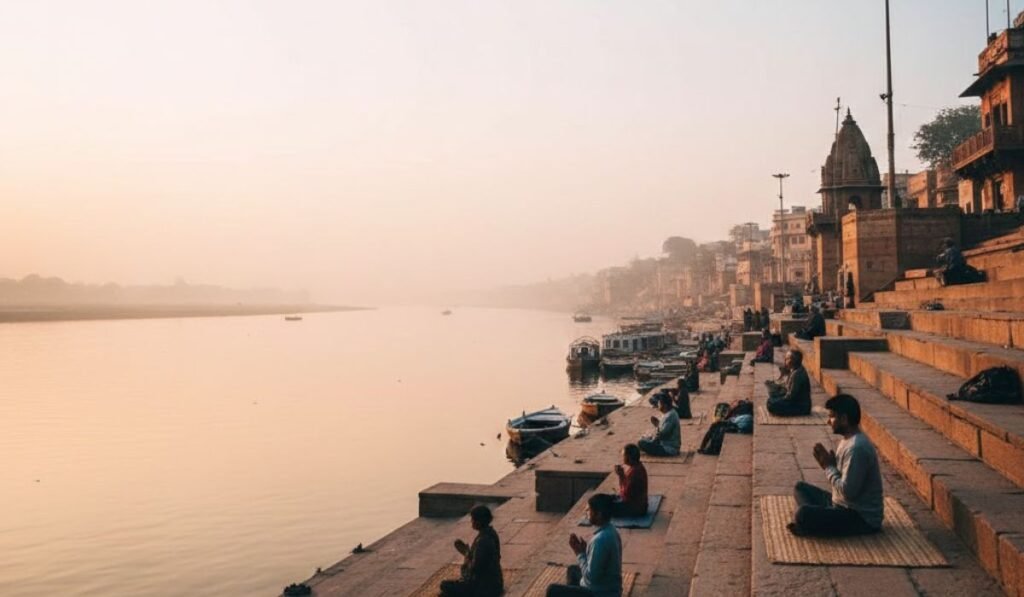
The first time I landed in Varanasi, I realized something very quickly—this city doesn’t like being rushed.
You can’t “tick off” Varanasi like other destinations. You don’t just visit it; you feel it. The chants from temples at dawn, the smell of incense near the ghats, the silence during sunrise boat rides, and the energy of the evening Ganga Aarti stay with you long after the trip ends.
If you’re planning your trip and searching for a Varanasi 5 days itinerary, trust me—five days is the perfect amount of time to experience the spiritual heart of India without exhaustion.
This blog is based on my first-hand experience, designed especially for first-time visitors, slow travelers, and spiritual seekers.
Why 5 Days in Varanasi Is Ideal – Varanasi 5 Days Itinerar
Many people try to see Varanasi in 2 days and leave confused, tired, and overwhelmed. Varanasi is not just about temples—it’s about rhythm.
Let’s go day by day for Varanasi 5 days itinerary.
Day 1: Arrival in Varanasi & Evening Ganga Aarti
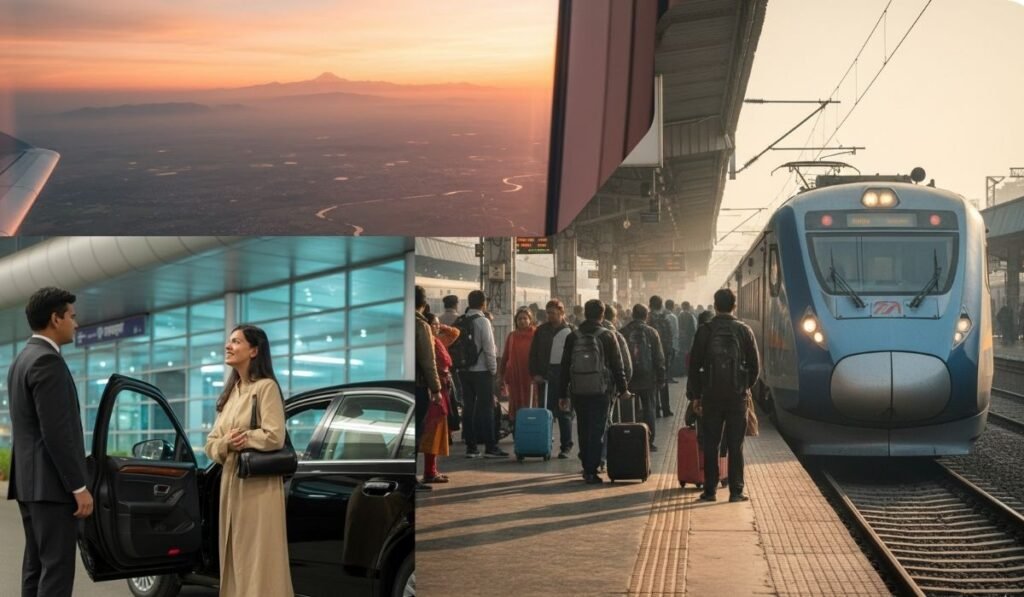
After arriving in Varanasi (by train or flight), I checked into a hotel near the ghats. Staying close to the river makes everything easier—especially mornings and evenings.
I kept the first half of the day slow.
What I Did:
Rested after travel
Took a short walk around nearby lanes
Observed daily life—priests, cows, sadhus, shops
Evening Highlight: Ganga Aarti
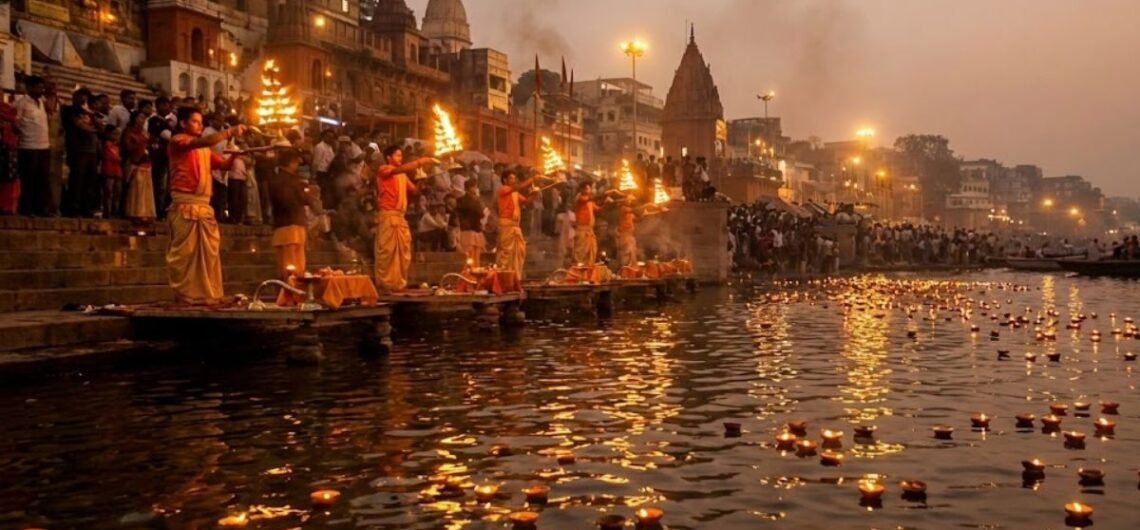
By sunset, I reached Dashashwamedh Ghat. The energy here is indescribable. Hundreds of lamps, synchronized chants, bells, and the river flowing quietly—it’s overwhelming in the best way.
Tip from experience: Reach at least 1 hour early or watch from a boat for a calmer view.
Day 2: Temples, Faith & The Soul of Kashi
This day is the spiritual core of your Varanasi 5 days itinerary.
I started early, before crowds took over.
Major Temples Covered:
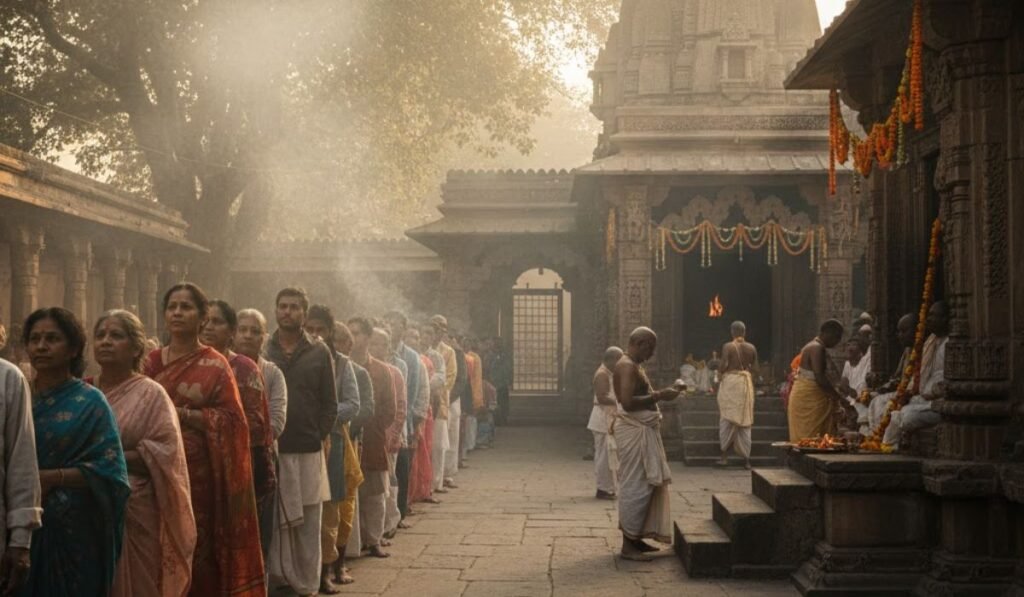
Kashi Vishwanath Temple – heart of Varanasi
Annapurna Temple – symbol of nourishment
Kal Bhairav Temple – guardian of the city
Sankat Mochan Hanuman Temple – peaceful and grounding
Expect queues, security checks, and waiting time—but patience is part of the experience here.
Afternoon:
Simple local lunch
Short rest (very important)
Evening:
Walk through Vishwanath Gali
Tea at a roadside stall
Observing life, not rushing anywhere
This day taught me that Varanasi is as much about waiting as it is about seeing.
Day 3: Sunrise Boat Ride & Sarnath Visit
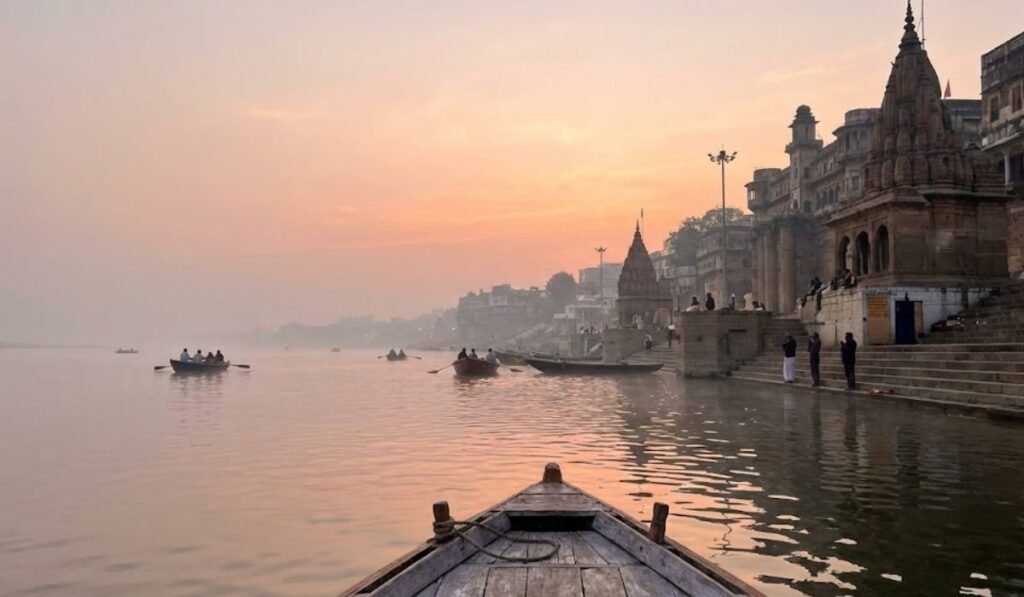
If you do only one thing in Varanasi—make it a sunrise boat ride.
Early Morning Boat Ride
I reached Assi Ghat before sunrise. As the boat slowly moved past the ghats, I saw:
Morning prayers
Cremation rituals from a respectful distance
Soft sunlight touching the river
It’s silent, emotional, and deeply humbling.
Late Morning: Sarnath
After breakfast, I headed to Sarnath, about 10 km away.
Places I visited:
Dhamek Stupa
Mulagandha Kuti Vihar
Sarnath Museum
Sarnath feels calm, green, and reflective—completely different from Varanasi’s intensity. The contrast makes the journey complete.
Day 4: Nearby Excursion or Cultural Exploration
By day four, you’ll feel comfortable in the city. This is when you explore beyond the obvious.
Option 1: Prayagraj (Allahabad)
Triveni Sangam
Historical and spiritual significance
Option 2: Ramnagar Fort
Royal history
Quiet river views
Museum visit
Option 3: Free Cultural Day (My Choice)
I chose to stay in Varanasi:
Walked along less crowded ghats
Visited BHU campus
Sat quietly near the river with no plan
Sometimes doing nothing is the most meaningful part of travel.
Day 5: Shopping, Reflection & Departure
The final day was light and emotional.
Morning:
Last walk along the ghats
Morning prayers
Tea overlooking the Ganges
Shopping:
Banarasi silk sarees
Rudraksha malas
Wooden handicrafts
Departure:
Leaving Varanasi feels strange. You don’t feel like you’re done—you feel like you’ve been introduced.
Leaving Varanasi feels strange. You don’t feel like you’re done—you feel like you’ve been introduced.
Best Time to Follow This Varanasi 5 Days Itinerary
From experience, the best months are:
October to March (pleasant weather)
Avoid peak summer if possible
Festivals bring crowds but also magic
Where to Stay in Varanasi
For this itinerary:
Near Assi Ghat – peaceful & walkable
Near Dashashwamedh Ghat – central & lively
Cantonment area – quieter, good for families
Choose comfort over luxury; you’ll spend more time outside than inside.
Local Travel Tips for Varanasi (From Experience)
Use e-rickshaws for short distances
Varanasi’s lanes are narrow and often crowded, especially around temples and ghats. E-rickshaws are the most practical way to travel short distances. They are affordable, easily available, and can navigate areas where cars cannot go. For places like Assi Ghat, Dashashwamedh Ghat, or nearby markets, e-rickshaws save both time and energy.
Walk as much as possible
Some of the most beautiful moments in Varanasi happen when you’re walking, not riding. Walking through the old city lanes allows you to discover hidden temples, morning prayers, street vendors, and everyday life. Many ghats are best explored on foot, and walking also helps you avoid traffic jams common in busy areas.
Dress modestly, especially in temples
Varanasi is a deeply spiritual city. Wearing modest clothing shows respect for local culture and religious traditions. For temple visits, it’s best to wear clothes that cover shoulders and knees. This not only helps you blend in but also makes temple entry smoother and more comfortable.
Keep cash handy
While digital payments are growing, many small shops, boatmen, flower sellers, and street food vendors still prefer cash. Keeping small denomination notes is especially helpful when paying for e-rickshaws, temple offerings, or boat rides. Cash also saves time in crowded areas where online payments may be slow.
Respect rituals — observe quietly
You will see many sacred rituals along the ghats, including prayers and cremation ceremonies. These moments are deeply personal and spiritual for locals. Observe quietly from a respectful distance, avoid intrusive photography, and follow local guidance. Respecting these rituals enhances your experience and helps you connect with the true spirit of Varanasi.
Why These Tips Matter
These simple travel tips make your Varanasi experience smoother, more respectful, and more meaningful. They help first-time visitors avoid common mistakes while allowing you to truly absorb the spiritual atmosphere of the city.
Is This Itinerary Good for First-Time Visitors?
Yes, absolutely.
This Varanasi 5 days itinerary is ideal if you:
Are visiting Varanasi for the first time
Want a spiritual yet relaxed trip
Prefer experience over rushing
Want time to reflect, not just explore
Varanasi doesn’t change you overnight—but it stays with you.
This Varanasi 5 days itinerary is not about covering places; it’s about creating space for moments. If you travel with patience and respect, the city reveals itself slowly—and beautifully.
FAQ –Varanasi 5 days itinerary
1. What is included in Varanasi tour packages with Ganga Aarti?
Most Varanasi tour packages with Ganga Aarti include hotel pickup and drop, temple visits, a guided evening Ganga Aarti experience, local sightseeing, and assistance with timings and crowd management. Some packages also include boat rides and nearby excursions.
2. Is Ganga Aarti included in all Varanasi tour packages?
Not all packages include Ganga Aarti by default. It’s important to choose a Varanasi tour package that specifically mentions Ganga Aarti, as seating arrangements, timings, and guidance make a big difference in the experience.
3. Which ghat is best for Ganga Aarti in Varanasi?
Dashashwamedh Ghat is the most popular and widely attended ghat for Ganga Aarti in Varanasi. Most guided Varanasi tour packages with Ganga Aarti arrange viewing from this ghat or from a boat on the Ganges.
4. Is it better to book a tour package for Ganga Aarti or go on your own?
For first-time visitors, booking a Varanasi tour package with Ganga Aarti is often more convenient. Packages help avoid crowd confusion, ensure timely arrival, and provide better viewing arrangements, especially during peak seasons.
5. What is the best time of year to book a Varanasi tour with Ganga Aarti?
The best time to book a Varanasi tour package with Ganga Aarti is from October to March, when the weather is pleasant and the Aarti timings are comfortable. Summers can be extremely hot, while monsoon months may affect schedules.
6. Are Varanasi tour packages with Ganga Aarti suitable for senior citizens?
Yes, many Varanasi tour packages are designed keeping senior citizens in mind. They usually include comfortable transport, guided assistance, and planned schedules to reduce walking and waiting time during temple visits and Ganga Aarti.
7. How long does the Ganga Aarti ceremony last?
The evening Ganga Aarti in Varanasi usually lasts 45 minutes to 1 hour. Tour packages ensure you reach early so you can enjoy the full ceremony without rushing or standing in crowded areas.
8. How many days are ideal when booking a Varanasi tour package with Ganga Aarti?
A 3 to 5-day tour package is ideal for Varanasi. It allows enough time for Ganga Aarti, major temples, Sarnath, and local experiences without feeling rushed.
Most Varanasi tour packages with Ganga Aarti include hotel pickup and drop, temple visits, a guided evening Ganga Aarti experience, local sightseeing, and assistance with timings and crowd management. Some packages also include boat rides and nearby excursions.
Not all packages include Ganga Aarti by default. It’s important to choose a Varanasi tour package that specifically mentions Ganga Aarti, as seating arrangements, timings, and guidance make a big difference in the experience.
Dashashwamedh Ghat is the most popular and widely attended ghat for Ganga Aarti in Varanasi. Most guided Varanasi tour packages with Ganga Aarti arrange viewing from this ghat or from a boat on the Ganges.
For first-time visitors, booking a Varanasi tour package with Ganga Aarti is often more convenient. Packages help avoid crowd confusion, ensure timely arrival, and provide better viewing arrangements, especially during peak seasons.
The best time to book a Varanasi tour package with Ganga Aarti is from October to March, when the weather is pleasant and the Aarti timings are comfortable. Summers can be extremely hot, while monsoon months may affect schedules.
Yes, many Varanasi tour packages are designed keeping senior citizens in mind. They usually include comfortable transport, guided assistance, and planned schedules to reduce walking and waiting time during temple visits and Ganga Aarti.
The evening Ganga Aarti in Varanasi usually lasts 45 minutes to 1 hour. Tour packages ensure you reach early so you can enjoy the full ceremony without rushing or standing in crowded areas.
A 3 to 5-day tour package is ideal for Varanasi. It allows enough time for Ganga Aarti, major temples, Sarnath, and local experiences without feeling rushed.
<!-- wp:heading -->
<h2 class="wp-block-heading" id="h-introduction-first-time-guide-to-agra"><strong>Introduction</strong> - <strong>First-Time Guide to Agra</strong></h2>
<!-- /wp:heading -->
<!-- wp:paragraph -->
<p>Visiting Agra for the first time is a dream for millions of travelers, especially those who want to witness the timeless beauty of the Taj Mahal. Whether you are planning a short weekend escape or a luxury heritage tour, choosing the right Agra tour package with the Taj Mahal can make your journey stress-free and unforgettable.</p>
<!-- /wp:paragraph -->
<!-- wp:paragraph -->
<p>This detailed guide is specially created for <strong>first-time visitors</strong>. Here, you will find everything about <strong>tour costs, booking methods, travel options, sightseeing coverage, tips, and the most common FAQs</strong>—all in one place.</p>
<!-- /wp:paragraph -->
<!-- wp:heading -->
<h2 class="wp-block-heading" id="h-why-first-time-visitors-prefer-agra-tour-packages-with-taj-mahal"><strong>Why First-Time Visitors Prefer Agra Tour Packages with Taj Mahal</strong></h2>
<!-- /wp:heading -->
<!-- wp:image {"id":2835,"sizeSlug":"large","linkDestination":"none"} -->
<figure class="wp-block-image size-large"><img src="https://www.azaantravels.com/wp-content/uploads/2025/12/3-1024x597.jpg" alt="First-Time Guide to Agra" class="wp-image-2835"/></figure>
<!-- /wp:image -->
<!-- wp:paragraph -->
<p>Agra is one of India’s most visited tourist cities, and first-time travelers often feel confused about planning transport, tickets, guides, and sightseeing. That’s why pre-planned Agra tour packages with the Taj Mahal are the smartest option.</p>
<!-- /wp:paragraph -->
<!-- wp:paragraph -->
<p>With a package tour, you get:</p>
<!-- /wp:paragraph -->
<!-- wp:list -->
<ul class="wp-block-list"><!-- wp:list-item -->
<li>Pre-booked transport<br></li>
<!-- /wp:list-item -->
<!-- wp:list-item -->
<li>Skip-the-line Taj Mahal tickets<br></li>
<!-- /wp:list-item -->
<!-- wp:list-item -->
<li>Professional local guide<br></li>
<!-- /wp:list-item -->
<!-- wp:list-item -->
<li>Fixed sightseeing route<br></li>
<!-- /wp:list-item -->
<!-- wp:list-item -->
<li>Time-saving itinerary<br></li>
<!-- /wp:list-item -->
<!-- wp:list-item -->
<li>Safety and comfort<br></li>
<!-- /wp:list-item --></ul>
<!-- /wp:list -->
<!-- wp:paragraph -->
<p>Instead of handling everything on your own, a package lets you enjoy the beauty, history, and romance of Agra without stress.</p>
<!-- /wp:paragraph -->
<!-- wp:heading -->
<h2 class="wp-block-heading" id="h-what-is-included-in-agra-tour-packages-with-taj-mahal"><strong>What Is Included in Agra Tour Packages with Taj Mahal?</strong></h2>
<!-- /wp:heading -->
<!-- wp:paragraph -->
<p>Most Agra tour packages are designed for convenience and complete sightseeing. A standard package usually includes:</p>
<!-- /wp:paragraph -->
<!-- wp:list -->
<ul class="wp-block-list"><!-- wp:list-item -->
<li><strong>Pickup & drop</strong> from Delhi, railway station, or hotel<br></li>
<!-- /wp:list-item -->
<!-- wp:list-item -->
<li><strong>Taj Mahal entry tickets</strong><strong><br></strong></li>
<!-- /wp:list-item -->
<!-- wp:list-item -->
<li><strong>Guided Taj Mahal tour</strong><strong><br></strong></li>
<!-- /wp:list-item -->
<!-- wp:list-item -->
<li><strong>Visit to Agra Fort</strong><strong><br></strong></li>
<!-- /wp:list-item -->
<!-- wp:list-item -->
<li><strong>Lunch at a multi-cuisine restaurant</strong><strong><br></strong></li>
<!-- /wp:list-item -->
<!-- wp:list-item -->
<li><strong>AC transport for local sightseeing</strong><strong><br></strong></li>
<!-- /wp:list-item -->
<!-- wp:list-item -->
<li><strong>All taxes and parking charges</strong><strong><br></strong></li>
<!-- /wp:list-item --></ul>
<!-- /wp:list -->
<!-- wp:paragraph -->
<p>Some premium packages also include:</p>
<!-- /wp:paragraph -->
<!-- wp:list -->
<ul class="wp-block-list"><!-- wp:list-item -->
<li>Mehtab Bagh visit<br></li>
<!-- /wp:list-item -->
<!-- wp:list-item -->
<li>Baby Taj (Itmad-ud-Daulah)<br></li>
<!-- /wp:list-item -->
<!-- wp:list-item -->
<li>Shopping assistance<br></li>
<!-- /wp:list-item -->
<!-- wp:list-item -->
<li>Hotel stay for overnight tours<br></li>
<!-- /wp:list-item --></ul>
<!-- /wp:list -->
<!-- wp:heading -->
<h2 class="wp-block-heading" id="h-types-of-agra-tour-packages-for-first-time-travelers"><strong>Types of Agra Tour Packages for First-Time Travelers</strong></h2>
<!-- /wp:heading -->
<!-- wp:paragraph -->
<p>Every traveler has different time and budget needs. That’s why Agra tour packages are available in multiple formats.</p>
<!-- /wp:paragraph -->
<!-- wp:heading {"level":3} -->
<h3 class="wp-block-heading" id="h-1-same-day-agra-tour"><strong>1. Same Day Agra Tour</strong></h3>
<!-- /wp:heading -->
<!-- wp:paragraph -->
<p>Perfect for travelers coming from Delhi for just one day. You can visit the <a href="https://www.azaantravels.com/tours/same-day-tour-of-taj-mahal-by-car/">Taj Mahal, Agra Fort, and return the same night</a>.</p>
<!-- /wp:paragraph -->
<!-- wp:heading {"level":3} -->
<h3 class="wp-block-heading" id="h-2-same-day-agra-tour-by-train"><strong>2. Same Day Agra Tour by Train</strong></h3>
<!-- /wp:heading -->
<!-- wp:paragraph -->
<p>This is ideal for travelers who want a fast and comfortable journey. Many visitors choose the high-speed Gatimaan Express.</p>
<!-- /wp:paragraph -->
<!-- wp:heading {"level":3} -->
<h3 class="wp-block-heading" id="h-3-overnight-agra-tour"><strong>3. Overnight Agra Tour</strong></h3>
<!-- /wp:heading -->
<!-- wp:paragraph -->
<p>Best for travelers who want a relaxed pace with hotel stay and night views of the Taj Mahal.</p>
<!-- /wp:paragraph -->
<!-- wp:heading {"level":3} -->
<h3 class="wp-block-heading" id="h-4-luxury-taj-mahal-tour"><strong>4. Luxury Taj Mahal Tour</strong></h3>
<!-- /wp:heading -->
<!-- wp:paragraph -->
<p>Includes premium car, five-star lunch, professional photography, and VIP services.</p>
<!-- /wp:paragraph -->
<!-- wp:heading {"level":3} -->
<h3 class="wp-block-heading" id="h-5-golden-triangle-tour"><strong>5. Golden Triangle Tour</strong></h3>
<!-- /wp:heading -->
<!-- wp:paragraph -->
<p>Covers Delhi, Agra, and Jaipur in 3 to 5 days.</p>
<!-- /wp:paragraph -->
<!-- wp:heading -->
<h2 class="wp-block-heading" id="h-best-time-to-book-agra-tour-packages-with-taj-mahal"><strong>Best Time to Book Agra Tour Packages with Taj Mahal</strong></h2>
<!-- /wp:heading -->
<!-- wp:paragraph -->
<p>The best season for visiting Agra is <strong>October to March</strong>, when the weather is pleasant and ideal for sightseeing.</p>
<!-- /wp:paragraph -->
<!-- wp:list -->
<ul class="wp-block-list"><!-- wp:list-item -->
<li><strong>Winter (Oct–Mar):</strong> Best weather, peak season<br></li>
<!-- /wp:list-item -->
<!-- wp:list-item -->
<li><strong>Summer (Apr–Jun):</strong> Hot but cheaper packages<br></li>
<!-- /wp:list-item -->
<!-- wp:list-item -->
<li><strong>Monsoon (Jul–Sep):</strong> Fewer crowds, budget-friendly<br></li>
<!-- /wp:list-item --></ul>
<!-- /wp:list -->
<!-- wp:paragraph -->
<p>For first-time visitors, <strong>sunrise tours</strong> are highly recommended because:</p>
<!-- /wp:paragraph -->
<!-- wp:list -->
<ul class="wp-block-list"><!-- wp:list-item -->
<li>Fewer crowds<br></li>
<!-- /wp:list-item -->
<!-- wp:list-item -->
<li>Softer light for photography<br></li>
<!-- /wp:list-item -->
<!-- wp:list-item -->
<li>Cooler temperature</li>
<!-- /wp:list-item --></ul>
<!-- /wp:list -->
<!-- wp:paragraph -->
<p><strong>Ready to explore the Taj Mahal?</strong></p>
<!-- /wp:paragraph -->
<!-- wp:paragraph -->
<p>Book your <strong>Agra Tour Package with Taj Mahal</strong> today and enjoy a smooth, guided, and unforgettable experience.</p>
<!-- /wp:paragraph -->
<!-- wp:paragraph -->
<p> <a href="https://www.azaantravels.com/contact-us/"><em>Contact us</em></a><em> now for best price & instant confirmation!</em></p>
<!-- /wp:paragraph -->
<!-- wp:heading -->
<h2 class="wp-block-heading" id="h-how-to-reach-agra-for-your-taj-mahal-tour"><strong>How to Reach Agra for Your Taj Mahal Tour</strong></h2>
<!-- /wp:heading -->
<!-- wp:image {"id":2836,"sizeSlug":"large","linkDestination":"none"} -->
<figure class="wp-block-image size-large"><img src="https://www.azaantravels.com/wp-content/uploads/2025/12/Untitled-design-2025-12-10T155202.725-1024x597.jpg" alt="First-Time Guide to Agra" class="wp-image-2836"/></figure>
<!-- /wp:image -->
<!-- wp:paragraph -->
<p>Agra is one of the best-connected tourist cities in North India and can be easily reached by <strong>road, rail, and air</strong>, making it convenient for travelers from all parts of the country. Most visitors start their journey from Delhi, which is the nearest major travel hub.</p>
<!-- /wp:paragraph -->
<!-- wp:heading {"level":3} -->
<h3 class="wp-block-heading" id="h-by-train"><strong>By Train</strong></h3>
<!-- /wp:heading -->
<!-- wp:paragraph -->
<p>Traveling by train is one of the fastest and most comfortable ways to reach Agra. Several trains operate daily between Delhi and Agra, including the high-speed Gatimaan Express, which reaches Agra in <strong>under 2 hours</strong>. Other popular options include Shatabdi Express and Taj Express. Trains usually arrive at Agra Cantt Railway Station, which is close to the main tourist areas and hotels.</p>
<!-- /wp:paragraph -->
<!-- wp:heading {"level":3} -->
<h3 class="wp-block-heading" id="h-by-road"><strong>By Road</strong></h3>
<!-- /wp:heading -->
<!-- wp:paragraph -->
<p>Agra is located about <strong>230 km from Delhi</strong> and is well connected via the modern <strong>Yamuna Expressway</strong>. A road journey by private car or cab takes approximately <strong>3.5 to 4 hours</strong>, depending on traffic. This option is ideal for travelers who prefer flexibility and door-to-door pickup.</p>
<!-- /wp:paragraph -->
<!-- wp:heading {"level":3} -->
<h3 class="wp-block-heading" id="h-by-air"><strong>By Air</strong></h3>
<!-- /wp:heading -->
<!-- wp:paragraph -->
<p>Agra has a small domestic airport with very limited flight connectivity. Because of this, most travelers prefer flying to Delhi and then continuing to Agra by train or road for a smooth journey.</p>
<!-- /wp:paragraph -->
<!-- wp:heading -->
<h2 class="wp-block-heading" id="h-same-day-vs-overnight-agra-tour-which-is-better"><strong>Same Day vs Overnight Agra Tour – Which Is Better?</strong></h2>
<!-- /wp:heading -->
<!-- wp:paragraph -->
<p><strong>Same Day Tour is best if:</strong></p>
<!-- /wp:paragraph -->
<!-- wp:list -->
<ul class="wp-block-list"><!-- wp:list-item -->
<li>You are short on time<br></li>
<!-- /wp:list-item -->
<!-- wp:list-item -->
<li>You want a quick Delhi-Agra-Delhi trip<br></li>
<!-- /wp:list-item -->
<!-- wp:list-item -->
<li>You want a budget-friendly option<br></li>
<!-- /wp:list-item --></ul>
<!-- /wp:list -->
<!-- wp:paragraph -->
<p><strong>Overnight Tour is best if:</strong></p>
<!-- /wp:paragraph -->
<!-- wp:list -->
<ul class="wp-block-list"><!-- wp:list-item -->
<li>You want a relaxed experience<br></li>
<!-- /wp:list-item -->
<!-- wp:list-item -->
<li>You want to explore local markets<br></li>
<!-- /wp:list-item -->
<!-- wp:list-item -->
<li>You want sunrise + sunset Taj views<br></li>
<!-- /wp:list-item --></ul>
<!-- /wp:list -->
<!-- wp:paragraph -->
<p>For first-time visitors, a same day Agra tour is the most popular choice.</p>
<!-- /wp:paragraph -->
<!-- wp:heading -->
<h2 class="wp-block-heading" id="h-what-to-expect-during-a-taj-mahal-guided-tour"><strong>What to Expect During a Taj Mahal Guided Tour</strong></h2>
<!-- /wp:heading -->
<!-- wp:paragraph -->
<p>Your guided Taj Mahal visit usually lasts 1.5–2 hours. The guide explains:</p>
<!-- /wp:paragraph -->
<!-- wp:list -->
<ul class="wp-block-list"><!-- wp:list-item -->
<li>History of Emperor Shah Jahan and <a href="https://en.wikipedia.org/wiki/Mumtaz_Mahal">Mumtaz Mahal</a><br></li>
<!-- /wp:list-item -->
<!-- wp:list-item -->
<li>Architecture and marble inlay work<br></li>
<!-- /wp:list-item -->
<!-- wp:list-item -->
<li>Hidden secrets and design details<br></li>
<!-- /wp:list-item -->
<!-- wp:list-item -->
<li>Best photography spots<br></li>
<!-- /wp:list-item --></ul>
<!-- /wp:list -->
<!-- wp:paragraph -->
<p>You will also learn the romantic and historical significance that makes the Taj Mahal one of the Seven Wonders of the World.</p>
<!-- /wp:paragraph -->
<!-- wp:heading -->
<h2 class="wp-block-heading" id="h-important-rules-first-time-visitors-must-know-first-time-guide-to-agra"><strong>Important Rules First-Time Visitors Must Know</strong> - <strong>First-Time Guide to Agra</strong></h2>
<!-- /wp:heading -->
<!-- wp:paragraph -->
<p>Before entering the Taj Mahal complex, remember:</p>
<!-- /wp:paragraph -->
<!-- wp:list -->
<ul class="wp-block-list"><!-- wp:list-item -->
<li>Closed on <strong>Fridays</strong><strong><br></strong></li>
<!-- /wp:list-item -->
<!-- wp:list-item -->
<li>No drones allowed<br></li>
<!-- /wp:list-item -->
<!-- wp:list-item -->
<li>Food items restricted inside<br></li>
<!-- /wp:list-item -->
<!-- wp:list-item -->
<li>Shoe covers are provided<br></li>
<!-- /wp:list-item -->
<!-- wp:list-item -->
<li>Mobile phones allowed in silent mode<br></li>
<!-- /wp:list-item -->
<!-- wp:list-item -->
<li>Triple-layer security check<br></li>
<!-- /wp:list-item --></ul>
<!-- /wp:list -->
<!-- wp:paragraph -->
<p>Wearing modest and comfortable clothing is always recommended.</p>
<!-- /wp:paragraph -->
<!-- wp:heading -->
<h2 class="wp-block-heading" id="h-top-places-covered-along-with-taj-mahal-in-agra-tours-first-time-guide-to-agra"><strong>Top Places Covered Along with Taj Mahal in Agra Tours</strong> - <strong>First-Time Guide to Agra</strong></h2>
<!-- /wp:heading -->
<!-- wp:paragraph -->
<p>Most tour packages include these major attractions:</p>
<!-- /wp:paragraph -->
<!-- wp:heading {"level":3} -->
<h3 class="wp-block-heading" id="h-nbsp-agra-fort"><strong> Agra Fort</strong></h3>
<!-- /wp:heading -->
<!-- wp:paragraph -->
<p>The royal residence of the Mughal emperors, located just 2.5 km from the Taj Mahal. (Agra Fort)</p>
<!-- /wp:paragraph -->
<!-- wp:heading {"level":3} -->
<h3 class="wp-block-heading" id="h-nbsp-mehtab-bagh"><strong> Mehtab Bagh</strong></h3>
<!-- /wp:heading -->
<!-- wp:paragraph -->
<p>A beautiful garden across the Yamuna River offering the best sunset view of the Taj Mahal.</p>
<!-- /wp:paragraph -->
<!-- wp:heading {"level":3} -->
<h3 class="wp-block-heading" id="h-nbsp-itmad-ud-daulah-baby-taj"><strong> Itmad-ud-Daulah (Baby Taj)</strong></h3>
<!-- /wp:heading -->
<!-- wp:paragraph -->
<p>A marble tomb known for its intricate artwork.</p>
<!-- /wp:paragraph -->
<!-- wp:paragraph -->
<p><strong>Cost of Agra Tour Packages with Taj Mahal</strong></p>
<!-- /wp:paragraph -->
<!-- wp:paragraph -->
<p>Prices depend on the type of tour, season, and services included.</p>
<!-- /wp:paragraph -->
<!-- wp:heading {"level":3} -->
<h3 class="wp-block-heading" id="h-approximate-price-range"><strong>Approximate Price Range:</strong></h3>
<!-- /wp:heading -->
<!-- wp:list -->
<ul class="wp-block-list"><!-- wp:list-item -->
<li><strong>Same Day Agra Tour by Car:</strong> ₹1,500 – ₹3,500 per person<br></li>
<!-- /wp:list-item -->
<!-- wp:list-item -->
<li><strong>Same Day Agra Tour by Train:</strong> ₹3,500 – ₹7,000 per person<br></li>
<!-- /wp:list-item -->
<!-- wp:list-item -->
<li><strong>Overnight Agra Tour:</strong> ₹5,000 – ₹12,000 per person<br></li>
<!-- /wp:list-item -->
<!-- wp:list-item -->
<li><strong>Luxury Taj Mahal Tour:</strong> ₹10,000 – ₹25,000 per person<br></li>
<!-- /wp:list-item --></ul>
<!-- /wp:list -->
<!-- wp:paragraph -->
<p>Prices may change during peak season and festivals.</p>
<!-- /wp:paragraph -->
<!-- wp:heading -->
<h2 class="wp-block-heading" id="h-how-to-book-a-safe-amp-verified-agra-tour-package"><strong>How to Book a Safe & Verified Agra Tour Package</strong></h2>
<!-- /wp:heading -->
<!-- wp:paragraph -->
<p>For first-time travelers, safety is the top priority. Always:</p>
<!-- /wp:paragraph -->
<!-- wp:list -->
<ul class="wp-block-list"><!-- wp:list-item -->
<li>Book through a verified tour operator<br></li>
<!-- /wp:list-item -->
<!-- wp:list-item -->
<li>Check Google reviews<br></li>
<!-- /wp:list-item -->
<!-- wp:list-item -->
<li>Confirm inclusions clearly<br></li>
<!-- /wp:list-item -->
<!-- wp:list-item -->
<li>Ask for official payment receipt<br></li>
<!-- /wp:list-item -->
<!-- wp:list-item -->
<li>Avoid street agents near stations<br></li>
<!-- /wp:list-item --></ul>
<!-- /wp:list -->
<!-- wp:paragraph -->
<p>Online booking is the safest and most trusted method today.</p>
<!-- /wp:paragraph -->
<!-- wp:heading -->
<h2 class="wp-block-heading" id="h-common-mistakes-first-time-agra-tourists-should-avoid"><strong>Common Mistakes First-Time Agra Tourists Should Avoid</strong></h2>
<!-- /wp:heading -->
<!-- wp:list -->
<ul class="wp-block-list"><!-- wp:list-item -->
<li>Booking without checking reviews<br></li>
<!-- /wp:list-item -->
<!-- wp:list-item -->
<li>Carrying restricted items inside the Taj Mahal<br></li>
<!-- /wp:list-item -->
<!-- wp:list-item -->
<li>Visiting Agra during extreme afternoon heat in summer<br></li>
<!-- /wp:list-item -->
<!-- wp:list-item -->
<li>Hiring unlicensed guides<br></li>
<!-- /wp:list-item -->
<!-- wp:list-item -->
<li>Overpaying for local transport<br></li>
<!-- /wp:list-item -->
<!-- wp:list-item -->
<li>Rushing through monuments without a guide<br></li>
<!-- /wp:list-item --></ul>
<!-- /wp:list -->
<!-- wp:paragraph -->
<p>Avoiding these mistakes ensures a smooth and memorable experience.</p>
<!-- /wp:paragraph -->
<!-- wp:paragraph -->
<p>Get a <strong>free tour consultation</strong> and let our experts help you choose the perfect <a href="https://www.azaantravels.com/agra-tour-packages/"><strong>Agra tour package for first-time visitors</strong></a>.</p>
<!-- /wp:paragraph -->
<!-- wp:heading -->
<h2 class="wp-block-heading" id="h-faqs-first-time-guide-to-agra"><strong> FAQs</strong> - <strong>First-Time Guide to Agra</strong></h2>
<!-- /wp:heading -->
<!-- wp:heading {"level":3} -->
<h3 class="wp-block-heading" id="h-1-is-an-agra-tour-package-with-taj-mahal-suitable-for-first-time-visitors"><strong>1. Is an Agra tour package with Taj Mahal suitable for first-time visitors?</strong></h3>
<!-- /wp:heading -->
<!-- wp:paragraph -->
<p>Yes, Agra tour packages with the Taj Mahal are perfect for first-time visitors because they include transport, tickets, sightseeing, and a local guide, making the trip easy and stress-free.</p>
<!-- /wp:paragraph -->
<!-- wp:heading {"level":3} -->
<h3 class="wp-block-heading" id="h-2-what-is-included-in-a-same-day-agra-tour-package-with-taj-mahal"><strong>2. What is included in a same day Agra tour package with Taj Mahal?</strong></h3>
<!-- /wp:heading -->
<!-- wp:paragraph -->
<p>A same day Agra tour usually includes pickup from Delhi, AC transport, Taj Mahal entry ticket, professional guide, Agra Fort visit, lunch, and return drop.</p>
<!-- /wp:paragraph -->
<!-- wp:heading {"level":3} -->
<h3 class="wp-block-heading" id="h-3-which-is-better-for-visiting-the-taj-mahal-train-or-car"><strong>3. Which is better for visiting the Taj Mahal – train or car?</strong></h3>
<!-- /wp:heading -->
<!-- wp:paragraph -->
<p>Train travel is faster and comfortable, especially by Gatimaan Express, while a car offers more flexibility, privacy, and hotel pickup. Both are good options based on your travel style.</p>
<!-- /wp:paragraph -->
<!-- wp:heading {"level":3} -->
<h3 class="wp-block-heading" id="h-4-how-much-does-a-one-day-taj-mahal-tour-package-cost"><strong>4. How much does a one-day Taj Mahal tour package cost?</strong></h3>
<!-- /wp:heading -->
<!-- wp:paragraph -->
<p>The cost of a one-day Agra tour package typically ranges from ₹1,500 to ₹7,000 per person, depending on transport type, guide service, and inclusions.</p>
<!-- /wp:paragraph -->
<!-- wp:heading {"level":3} -->
<h3 class="wp-block-heading" id="h-5-is-a-tour-guide-included-in-agra-tour-packages"><strong>5. Is a tour guide included in Agra tour packages?</strong></h3>
<!-- /wp:heading -->
<!-- wp:paragraph -->
<p>Yes, most Agra tour packages include a government-approved local guide who explains the history, architecture, and hidden details of the Taj Mahal.</p>
<!-- /wp:paragraph -->
<!-- wp:heading {"level":3} -->
<h3 class="wp-block-heading" id="h-6-what-is-the-best-time-of-day-to-visit-the-taj-mahal"><strong>6. What is the best time of day to visit the Taj Mahal?</strong></h3>
<!-- /wp:heading -->
<!-- wp:paragraph -->
<p>The best time to visit the Taj Mahal is at sunrise because the crowd is smaller, the temperature is cooler, and the lighting is perfect for photography.</p>
<!-- /wp:paragraph -->
<!-- wp:heading {"level":3} -->
<h3 class="wp-block-heading" id="h-7-is-the-taj-mahal-closed-on-any-day"><strong>7. Is the Taj Mahal closed on any day?</strong></h3>
<!-- /wp:heading -->
<!-- wp:paragraph -->
<p>Yes, the Taj Mahal remains closed every Friday for general visitors due to prayers.</p>
<!-- /wp:paragraph -->
<!-- wp:heading {"level":3} -->
<h3 class="wp-block-heading" id="h-8-can-i-customize-my-agra-tour-package"><strong>8. Can I customize my Agra tour package?</strong></h3>
<!-- /wp:heading -->
<!-- wp:paragraph -->
<p>Yes, most tour operators allow full customization, including pickup location, hotel stay, sightseeing spots, lunch choice, and return timing.</p>
<!-- /wp:paragraph -->
<!-- wp:heading {"level":3} -->
<h3 class="wp-block-heading" id="h-9-how-early-should-i-book-an-agra-tour-package"><strong>9. How early should I book an Agra tour package?</strong></h3>
<!-- /wp:heading -->
<!-- wp:paragraph -->
<p>It is best to book your Agra tour package at least 2–3 days in advance. During peak season (October to March), earlier booking is strongly recommended.</p>
<!-- /wp:paragraph -->
<!-- wp:heading {"level":3} -->
<h3 class="wp-block-heading" id="h-10-is-the-taj-mahal-entry-ticket-included-in-tour-packages"><strong>10. Is the Taj Mahal entry ticket included in tour packages?</strong></h3>
<!-- /wp:heading -->
<!-- wp:paragraph -->
<p>Yes, most Agra tour packages include the Taj Mahal entry ticket along with monument entry tickets mentioned in the itinerary.</p>
<!-- /wp:paragraph -->
<!-- wp:heading {"level":3} -->
<h3 class="wp-block-heading" id="h-11-is-a-same-day-agra-tour-safe-for-families-couples-and-solo-travelers"><strong>11. Is a same day Agra tour safe for families, couples, and solo travelers?</strong></h3>
<!-- /wp:heading -->
<!-- wp:paragraph -->
<p>Yes, same day Agra tours are completely safe for families, couples, and solo travelers when booked through a verified tour operator.</p>
<!-- /wp:paragraph -->
<!-- wp:heading {"level":3} -->
<h3 class="wp-block-heading" id="h-12-what-documents-are-required-for-booking-an-agra-tour-package"><strong>12. What documents are required for booking an Agra tour package?</strong></h3>
<!-- /wp:heading -->
<!-- wp:paragraph -->
<p>You only need a valid government ID proof such as Aadhaar Card, Passport, or Driving License for booking and hotel check-in.</p>
<!-- /wp:paragraph -->
<!-- wp:paragraph -->
<p></p>
<!-- /wp:paragraph -->
Introduction – First-Time Guide to Agra
Visiting Agra for the first time is a dream for millions of travelers, especially those who want to witness the timeless beauty of the Taj Mahal. Whether you are planning a short weekend escape or a luxury heritage tour, choosing the right Agra tour package with the Taj Mahal can make your journey stress-free and unforgettable.
This detailed guide is specially created for first-time visitors. Here, you will find everything about tour costs, booking methods, travel options, sightseeing coverage, tips, and the most common FAQs—all in one place.
Why First-Time Visitors Prefer Agra Tour Packages with Taj Mahal
Agra is one of India’s most visited tourist cities, and first-time travelers often feel confused about planning transport, tickets, guides, and sightseeing. That’s why pre-planned Agra tour packages with the Taj Mahal are the smartest option.
With a package tour, you get:
Pre-booked transport
Skip-the-line Taj Mahal tickets
Professional local guide
Fixed sightseeing route
Time-saving itinerary
Safety and comfort
Instead of handling everything on your own, a package lets you enjoy the beauty, history, and romance of Agra without stress.
What Is Included in Agra Tour Packages with Taj Mahal?
Most Agra tour packages are designed for convenience and complete sightseeing. A standard package usually includes:
Pickup & drop from Delhi, railway station, or hotel
Taj Mahal entry tickets
Guided Taj Mahal tour
Visit to Agra Fort
Lunch at a multi-cuisine restaurant
AC transport for local sightseeing
All taxes and parking charges
Some premium packages also include:
Mehtab Bagh visit
Baby Taj (Itmad-ud-Daulah)
Shopping assistance
Hotel stay for overnight tours
Types of Agra Tour Packages for First-Time Travelers
Every traveler has different time and budget needs. That’s why Agra tour packages are available in multiple formats.
This is ideal for travelers who want a fast and comfortable journey. Many visitors choose the high-speed Gatimaan Express.
3. Overnight Agra Tour
Best for travelers who want a relaxed pace with hotel stay and night views of the Taj Mahal.
4. Luxury Taj Mahal Tour
Includes premium car, five-star lunch, professional photography, and VIP services.
5. Golden Triangle Tour
Covers Delhi, Agra, and Jaipur in 3 to 5 days.
Best Time to Book Agra Tour Packages with Taj Mahal
The best season for visiting Agra is October to March, when the weather is pleasant and ideal for sightseeing.
Winter (Oct–Mar): Best weather, peak season
Summer (Apr–Jun): Hot but cheaper packages
Monsoon (Jul–Sep): Fewer crowds, budget-friendly
For first-time visitors, sunrise tours are highly recommended because:
Fewer crowds
Softer light for photography
Cooler temperature
Ready to explore the Taj Mahal?
Book your Agra Tour Package with Taj Mahal today and enjoy a smooth, guided, and unforgettable experience.
Contact us now for best price & instant confirmation!
How to Reach Agra for Your Taj Mahal Tour
Agra is one of the best-connected tourist cities in North India and can be easily reached by road, rail, and air, making it convenient for travelers from all parts of the country. Most visitors start their journey from Delhi, which is the nearest major travel hub.
By Train
Traveling by train is one of the fastest and most comfortable ways to reach Agra. Several trains operate daily between Delhi and Agra, including the high-speed Gatimaan Express, which reaches Agra in under 2 hours. Other popular options include Shatabdi Express and Taj Express. Trains usually arrive at Agra Cantt Railway Station, which is close to the main tourist areas and hotels.
By Road
Agra is located about 230 km from Delhi and is well connected via the modern Yamuna Expressway. A road journey by private car or cab takes approximately 3.5 to 4 hours, depending on traffic. This option is ideal for travelers who prefer flexibility and door-to-door pickup.
By Air
Agra has a small domestic airport with very limited flight connectivity. Because of this, most travelers prefer flying to Delhi and then continuing to Agra by train or road for a smooth journey.
Same Day vs Overnight Agra Tour – Which Is Better?
Same Day Tour is best if:
You are short on time
You want a quick Delhi-Agra-Delhi trip
You want a budget-friendly option
Overnight Tour is best if:
You want a relaxed experience
You want to explore local markets
You want sunrise + sunset Taj views
For first-time visitors, a same day Agra tour is the most popular choice.
What to Expect During a Taj Mahal Guided Tour
Your guided Taj Mahal visit usually lasts 1.5–2 hours. The guide explains:
1. Is an Agra tour package with Taj Mahal suitable for first-time visitors?
Yes, Agra tour packages with the Taj Mahal are perfect for first-time visitors because they include transport, tickets, sightseeing, and a local guide, making the trip easy and stress-free.
2. What is included in a same day Agra tour package with Taj Mahal?
A same day Agra tour usually includes pickup from Delhi, AC transport, Taj Mahal entry ticket, professional guide, Agra Fort visit, lunch, and return drop.
3. Which is better for visiting the Taj Mahal – train or car?
Train travel is faster and comfortable, especially by Gatimaan Express, while a car offers more flexibility, privacy, and hotel pickup. Both are good options based on your travel style.
4. How much does a one-day Taj Mahal tour package cost?
The cost of a one-day Agra tour package typically ranges from ₹1,500 to ₹7,000 per person, depending on transport type, guide service, and inclusions.
5. Is a tour guide included in Agra tour packages?
Yes, most Agra tour packages include a government-approved local guide who explains the history, architecture, and hidden details of the Taj Mahal.
6. What is the best time of day to visit the Taj Mahal?
The best time to visit the Taj Mahal is at sunrise because the crowd is smaller, the temperature is cooler, and the lighting is perfect for photography.
7. Is the Taj Mahal closed on any day?
Yes, the Taj Mahal remains closed every Friday for general visitors due to prayers.
8. Can I customize my Agra tour package?
Yes, most tour operators allow full customization, including pickup location, hotel stay, sightseeing spots, lunch choice, and return timing.
9. How early should I book an Agra tour package?
It is best to book your Agra tour package at least 2–3 days in advance. During peak season (October to March), earlier booking is strongly recommended.
10. Is the Taj Mahal entry ticket included in tour packages?
Yes, most Agra tour packages include the Taj Mahal entry ticket along with monument entry tickets mentioned in the itinerary.
11. Is a same day Agra tour safe for families, couples, and solo travelers?
Yes, same day Agra tours are completely safe for families, couples, and solo travelers when booked through a verified tour operator.
12. What documents are required for booking an Agra tour package?
You only need a valid government ID proof such as Aadhaar Card, Passport, or Driving License for booking and hotel check-in.